
Career
2026
-
Soprano
Letter from Florida: Lisette Oropesa at Palm Beach Opera Gala
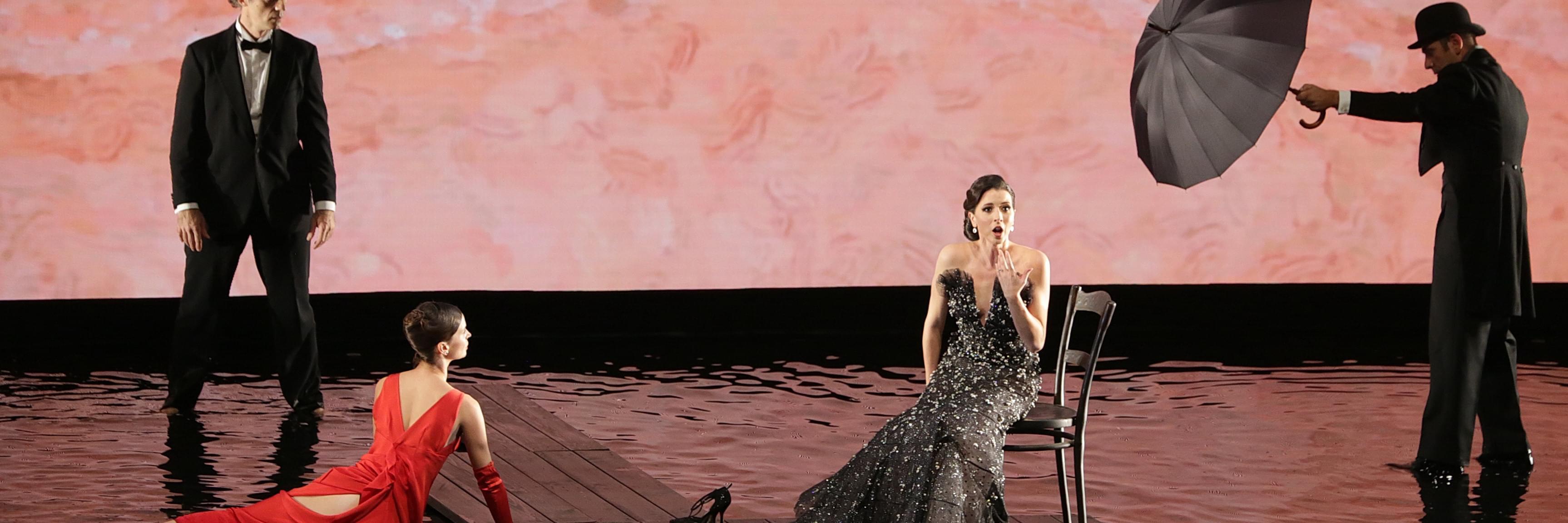
Oropesa's lower notes appeared even fuller now, richer tonight, while her upper range remained intact. The evening's centerpiece was Verdi's Violetta scene — she shaped the aria's structure with theatrical precision: sliding through scales suggestive of neurosis at the cavatina, stiffening at the tempo di mezzo with newfound clarity, then attacking the cabaletta's scales with pinpoint precision. — Robert J Carreras • Planet Hugill:format(webp)/https://lisetteoropesa.com/media/gallery/2026/palm-beach-opera-gala/04-lisette-oropesa.jpg)
-
Soprano
LISETTE OROPESA | Crans-Montana
Vocally, Lisette Oropesa remains one of the greatest sopranos of our time. Her technique is formidable — crystal-clear coloratura, effortless high notes, immaculate breath control — but what elevates her artistry is the musical intelligence behind every phrase. Each ornament feels intentional, every pianissimo meaningful. In a recital format, without staging or orchestra, there is nowhere to hide — and she needed none. It was pure artistry.— Geoffrey • Opera Diary
-
Amalia
MADRID / ‘I masnadieri’: éxito personal de Lisette Oropesa y gran sorpresa de Nicola Alaimo
Lisette Oropesa logró un triunfo personal rotundo, hasta el punto de bisar la cabaletta de su aria del segundo acto, interpolando un sobreagudo que desató el entusiasmo del público. Su voz, de volumen contenido, pero proyección limpísima, revela una técnica refinada. Dueña de la coloratura y de un trino admirable, se muestra hoy plenamente idónea para Amalia. A ello se suma la evidente corriente de afecto que mantiene con el público madrileño.Lisette Oropesa achieved a resounding personal triumph, to the extent of repeating the cabaletta of her aria from the second act, interpolating a high note that unleashed enthusiasm from the audience. Her voice, with contained volume but extremely clear projection, reveals a refined technique. Mastering coloratura and an admirable trill, she is now fully capable of portraying Amalia. Added to this is the evident current of affection she maintains with the audience in Madrid.— Ricardo de Cala • Scherzo Magazine:format(webp)/https://lisetteoropesa.com/media/gallery/2026/teatro-real-i-masnadieri/02-lisette-oropesa.jpg)
-
Elvira
I puritani review — the Met Opera’s stars rival the greats
Oropesa’s limpid soprano is pushed to its limits in the heaviest passages of the role but the rest gives her ample opportunity to show off her dazzling coloratura and fluent trill. Where she really shines is in the long, yearning melodies that are Bellini’s hallmark.— Kevin Ng • The Times:format(webp)/https://lisetteoropesa.com/media/gallery/2025/the-metropolitan-opera-i-puritani/01-lisette-oropesa-promotion.jpg)
:format(webp)/https://lisetteoropesa.com/media/gallery/2026/palm-beach-opera-gala/04-lisette-oropesa.jpg)
:format(webp)/https://lisetteoropesa.com/media/gallery/2026/teatro-real-i-masnadieri/02-lisette-oropesa.jpg)
:format(webp)/https://lisetteoropesa.com/media/gallery/2025/the-metropolitan-opera-i-puritani/01-lisette-oropesa-promotion.jpg)
2025
-
Violetta Valery
Prima Traviata assolutissima, Lisette Oropesa mène le bal dans la reprise de la Traviata à Munich
C’est justement pour la musique et pour le chant que le public s’est déplacé, et surtout pour entendre une nouvelle fois l’incomparable Lisette Oropesa, une chanteuse constellée dont Violetta est l’un des rôles fétiches. La soprano colorature a soulevé l’enthousiasme du public tout au long de la soirée, son interprétation est soutenue par une technique remarquable qui lui permet d’exprimer sans défaut toutes les facettes du rôle : la joie insouciante et l’élan passionné, la fragilité du corps et du cœur, la maladie et la misère, le renoncement et la grandeur morale, le désespoir et l’agonie. La palette émotionnelle complexe de la traviata (la dévoyée) est rendue avec une maîtrise impeccable. Totalement engagée dans le rôle, la chanteuse se fond dans son personnage auquel elle confère une aura lumineuse incandescente dont elle irise tout le lyrisme dramatique. La passion amoureuse la consume tout autant que la maladie qui la ronge. Lisette Oropesa apporte la beauté rayonnante de sa voix à une interprétation d’une authenticité émotionnelle poignante. La palme revient à Lisette Oropesa, qui domine toute la production et nous entraîne dans d’autres sphères, lumineuses et lointaines, dont les beautés sublimes transcendent le monde abyssal du sacrifice auquel son personnage est exposé.It is precisely for the music and for the singing that the audience gathered, and above all to hear once again the incomparable Lisette Oropesa, a stellar singer whose Violetta is one of her signature roles. The coloratura soprano sparked enthusiasm from the audience throughout the evening, her performance is supported by a remarkable technique that allows her to flawlessly express all facets of the role: carefree joy and passionate fervor, the fragility of body and heart, illness and poverty, renunciation and moral greatness, despair and agony. The complex emotional palette of the traviata (the wayward woman) is rendered with impeccable mastery. Fully immersed in the role, the singer merges with her character whom she endows with a radiant incandescent aura that illuminates the whole dramatic lyricism. Love consumes her as much as the illness that eats away at her. Lisette Oropesa brings the radiant beauty of her voice to an interpretation of poignant emotional authenticity. The top honors go to Lisette Oropesa, who dominates the entire production and transports us to other spheres, bright and distant, whose sublime beauties transcend the abyssal world of sacrifice to which her character is exposed.— Luc-henri Roger • Résonances Lyriques:format(webp)/https://lisetteoropesa.com/media/gallery/2025/bayerische-staatsoper-la-traviata/05-lisette-oropesa.jpg)
-
Juliette
Berlin: “Roméo et Juliette”, Charles Gounod
Lisette Oropesa war nun die Juliette und überraschte mit totaler Aneignung von Cléments Regiekonzept samt zweifelhafter Personenführung. Ihr Sopran besitzt eine individuelle Farbe und den gebührend leuchtenden, jugendlichen Klang für die Rolle. Die Koloraturen in „Je veux vivre“ perlen vollendet, die zweite, sogenannte „Gift“-Arie („Dieu! quel frisson“) singt sie mit Emphase und dramatischem Impetus.Lisette Oropesa was now Juliette and surprised with a complete embrace of Clément's stage concept alongside questionable direction of the characters. Her soprano possesses an individual tone color and the appropriately luminous, youthful sound for the role. The coloratura in "Je veux vivre" sparkles perfectly, and she sings the second, so-called "poison" aria ("Dieu! quel frisson") with emphasis and dramatic momentum.— Bernd Hoppe • Der Opern Freund:format(webp)/https://lisetteoropesa.com/media/gallery/2025/berlin-staatsoper-romeo-et-juliette/03-lisette-oropesa.jpg)
-
Violetta Valery
„La Traviata“ Unter den Linden: Ein Staraufgebot erfüllt die hohen Erwartungen
In der Derniere der Serie feierte Lisette Oropesa ihr überfälliges Hausdebüt, die Sängerin mit kubanischen Wurzeln genießt international bereits Starruhm. Wie berechtigt dieser ist, war schon nach wenigen Minuten klar. Oropesas gut geführter lyrischer Sopran verfügt neben einem sehr ansprechenden Timbre über eine bemerkenswerte Phrasierungskunst. Da wird keine Silbe, keine Phrase dem Zufall überlassen, die Sängerin gestaltet intensiv und gibt der Violetta ein ganz persönliches, individuelles Profil. Dass der Spitzenton in der großen Arie des ersten Aktes ein wenig forciert wirkt – geschenkt! Spätestens als Sterbende reiht sich Oropesa in die großen Interpretinnen dieser Rolle ein. Die drei Hauptdarsteller wurden frenetisch gefeiert, der Beifall für Oropesa erreichte Orkanstärke.In the final performance of the series, Lisette Oropesa celebrated her long-awaited house debut. The singer with Cuban roots already enjoys international star status. The justification for this was clear within minutes. Oropesa's well-guided lyric soprano, in addition to a very appealing timbre, possesses remarkable phrasing artistry. Not a syllable, nor a phrase is left to chance. The singer passionately shapes and gives Violetta a very personal, individual profile. Even if the high notes in the big aria of the first act sound a bit forced – no matter! By the time she is in her death throes, Oropesa joins the great interpreters of this role. The three main performers were celebrated ecstatically, with applause for Oropesa reaching hurricane force.— Peter Sommeregger • Klassik Begeistert:format(webp)/https://lisetteoropesa.com/media/gallery/2025/staatsoper-berlin-la-traviata/01-lisette-oropesa.jpg)
-
Manon
Zürich, Opernhaus: MANON; 24.09.2025
Lisette Oropesa IST Manon mit jeder Faser, jeder Mimik, jeder Geste und mit einer stupenden vokalen Rollengestaltung. Die Stimme leuchtet, brennt, kennt Leidenschaft, Trauer, Stimmungsschwankungen und ist von immenser Kraft, ohne jegliches Forcieren. Da ist eine tiefe Empfindsamkeit zu verspüren, eine Jugendlichkeit, eine Unerschrockenheit, aber auch Wehmut und Selbstvorwürfe und vor allem ein Verständnis für und eine Liebe zu dieser Figur. Das ist weniger kalkulierende femme fatale als vielmehr einfach eine junge Frau an der Schwelle zum Erwachsenwerden, welche für ihre Fehler bitter bezahlen muss.Lisette Oropesa IS Manon with every fiber, every facial expression, every gesture, and with a stunning vocal characterization. Her voice shines, burns, knows passion, sadness, mood swings, and possesses immense power, without any forcing. One can feel a deep sensitivity, youthfulness, fearlessness, but also wistfulness and self-blame, and above all, an understanding of and love for this character. She is less of a calculating femme fatale and more simply a young woman on the brink of adulthood, who must pay dearly for her mistakes.— Kaspar Sannemann • Oper Aktuell:format(webp)/https://lisetteoropesa.com/media/gallery/2025/opernhaus-zurich-manon/11-lisette-oropesa.jpg)
-
Gilda
Rigoletto – Arena di Verona Opera Festival 2025, Verona
Grande sorpresa ci ha colti nell’apprendere, pochi giorni prima della recita, dell’arrivo, nella città scaligera, del celebre soprano Lisette Oropesa. Si rimane colpiti, anche in questa occasione, dalla musicalità e dalla duttilità di una vocalità sempre sorvegliata e guidata da un presidio tecnico di eccellente precisione. Alla pienezza dei centri, segue un registro superiore che si articola attraverso lamine di suono di cristallina purezza.A great surprise caught us when we found out, just a few days before the performance, about the arrival, in the city of Verona, of the renowned soprano Lisette Oropesa. One remains impressed, even on this occasion, by the musicality and flexibility of a vocal range always supervised and guided by a technical mastery of excellent precision. The fullness of the sound centers is followed by an upper register that is articulated through layers of sound of crystalline purity.— Marco Faverzani • Opera Libera
-
Maria Stuarda
„Maria Stuarda“ in der Maschinerie der Macht
Umjubelter Star des Abends ist Lisette Oropesa als Maria mit wunderbar klarem, geschmeidigem Sopran. Strahlend ihre Höhe. Großartig ihre Auseinandersetzung mit Elisabetta, die Wutausbrüche „Figlia impura“ und „vil bastarda“. Da knistert die Szene vor Spannung. Und Kate Lindsey ist in Gesang – auch im tiefen Stimmregister –, in Spiel und Intensität des Ausdrucks eine ebenbürtige Gegnerin.A standout star of the evening is Lisette Oropesa as Maria, with a wonderfully clear, supple soprano. Her high notes are radiant. Her confrontation with Elisabetta is magnificent, with the outbursts of anger in "Figlia impura" and "vil bastarda." The scene crackles with tension. Kate Lindsey is an equally formidable opponent in singing - including in the lower register - acting, and intensity of expression.— Dr. Karlheinz Roschitz • Kronen Zeitung:format(webp)/https://lisetteoropesa.com/media/gallery/2025/salzburger-festspiele-maria-stuarda/01-lisette-oropesa.jpg)
-
Amalia
When Poe met Schiller
Amalia is Cuban‑American soprano Lisette Oropesa. She debuted in this role at La Scala in David McVicar’s aforementioned production. Her interpretation of the aria was spot on, initially sad and then brilliantly joyous in the cabaletta, with clean coloratura and brilliant high notes. Despite the poor staging and the confusing younger versions of Carlo, Francesco and Amalia that appear intermittently throughout, Oropesa managed to convey Amalia’s nobility and strength of character.— Ossama el Naggar • Concerto Net
-
Gilda
An extraordinary night of music and drama: Quinn Kelsey in LA Opera’s Rigoletto
Oropesa navigated the transition from innocence to maturity both in her stage presence and voice, moving from lyric coloratura to dramatic soprano which distinguishes her altered state.— Jane Rosenberg • Seen and Heard International:format(webp)/https://lisetteoropesa.com/media/gallery/2025/los-angeles-opera-rigoletto/07-lisette-oropesa-rene-barbera.jpg)
-
Alcina
Alcina, Furieuse magicienne à Versailles
L'américano-cubaine Lisette Oropesa, est magnétique dans le rôle principal d'Alcina, sœur de Morgana. La grande voix de la soprano léger, parée d'une robe bleu azur scintillante, donne toute sa complexité au rôle de la magicienne maudite. Toutes ses interventions sont riches d'un jeu d'actrice subtil et mesuré, engagé jusque dans sa posture. Sa voix puissante au reconnaissable vibrato rapide reçoit des acclamations. Elle convainc en amoureuse souriante, tout comme en magicienne, reine, femme, dévastée et plaintive, sa technicité lui permettant de mettre un effet « éraillé » sur sa voix. Des intervalles vertigineux au souffle dramatique, les frissons gagnent la salle à maintes reprises : la voix, solidement ancrée dans la poitrine, s'élève sans effort apparent et c'est ainsi qu'elle enchaîne les vocalises avec une virtuosité ensorcelante.The Cuban-American soprano Lisette Oropesa is magnetic in the main role of Alcina, sister of Morgana. The great light soprano voice, adorned in a sparkling azure blue dress, brings all the complexity to the role of the cursed sorceress. All her interventions are rich in subtle and measured acting, engaged even in her posture. Her powerful voice with a recognizable fast vibrato receives acclaim. She convinces as a smiling lover, as well as a sorceress, queen, woman, devastated and plaintive, her technique allowing her to put a "gritty" effect on her voice. From dizzying intervals to dramatic breaths, shivers sweep through the audience repeatedly: the voice, firmly rooted in the chest, effortlessly soars, enchanting with its virtuosic vocal acrobatics.— Olga Szymczyk • Olyrix
-
Elvira
Les Puritains à l’Opéra de Paris, après le disque, la version live !
Aux applaudissements, c’est Lisette Oropesa qui emporte tous les suffrages : dès les premières phrases (si difficiles), elle impose une voix brillante et colorée, au medium charnu, capable de vocaliser avec précision et de pousser jusqu’à des suraigus puissants (elle ose même la variation assassine sur “Vieni al tempio!”).Amidst the applause, it's Lisette Oropesa who receives all the votes: from the very first phrases (so difficult), she impresses with a bright and colorful voice, with a rich middle range, capable of vocalizing with precision and reaching powerful high notes (she even dares a killer variation on "Vieni al tempio!").— CJM • Olyrix:format(webp)/https://lisetteoropesa.com/media/gallery/2025/opera-national-de-paris-i-puritani/08-lisette-oropesa.jpg)
-
Soprano
Gala anniversaire. 150 ans du Palais Garnier, 24 janvier 2025
Lisette Oropesa Mathilde souveraine, affichant un sens du phrasé unique, une élocution parfaite, un legato glorieux, bref une maîtrise sans faille du style rossinien.Lisette Oropesa, a sovereign Mathilde, displays a unique sense of phrasing, perfect elocution, glorious legato, in short, an impeccable mastery of the Rossini style.— Camillo Faverzani • Premiere Loge Opera
-
Soprano
Staatsoper Hamburg: Ein kleines Lied sagte mehr als tausend Töne
„Im wunderschönen Monat Mai“, aus dem „Dichterliebe“-Zyklus. „Als alle Knospen sprangen/da ist in meinem Herz/die Liebe aufgegangen.“ Hier hing es um was, jenseits und vor allem: weit unterhalb der Koloraturen. Womöglich das Schwerste an diesem Abend für diese Sängerin, weil es so einfach zu klingen hat."In the beautiful month of May," from the "Dichterliebe" cycle. "When all the buds were bursting/ then in my heart/ love sprung up." Here staked something, beyond and above all: far beneath the coloraturas. Possibly the hardest thing on this evening for this singer, because it has to sound so simple.— Joachim Mischke • Hamburger Abendblatt
-
Soprano
Napoli - Teatro di San Carlo: Lisette Oropesa
Dopo avere riservato applausi calorosi durante la serata, al termine il pubblico si è scatenato in ovazioni e acclamazioni interminabili, da qui una serie di bis: dalla Danza rossiniana di cui abbiamo detto a un’aria dalla Zarzuela Las Hijas del Zebedeo di Ruperto Chapí, terminando con “I’ te vurria vasa’”, omaggio a Napoli commovente per lo scrupolo esecutivo e l’intensa espressività messa nei versi, tra l’altro con ottima dizione. Bellissima chiusa per una serata da inserire fra le migliori di questa stagione sancarliana.After holding back enthusiastic applause throughout the evening, at the end, the audience erupted into never-ending ovations and acclamations, leading to a series of encores: from the Rossinian Dance we mentioned, to an aria from Ruperto Chapí's Zarzuela Las Hijas del Zebedeo, and concluding with "I te vurria vasa", a moving tribute to Naples characterized by meticulous execution and intense emotional expression in the lyrics, also delivered with excellent diction. A beautiful ending to an evening that ranks among the best of this San Carlo season.— Bruno Tredicine • Opera Click:format(webp)/https://lisetteoropesa.com/media/gallery/2025/teatro-di-san-carlo-recital/04-lisette-oropesa.jpg)
-
Elvira
Erl, Tiroler Festspiele – I puritani (con Lisette Oropesa e Mattia Olivieri)
Sugli scudi, due degli interpreti principali. Lisette Oropesa, che canterà prossimamente il ruolo a Parigi, ha fatto sensazione con un canto che, senza insistere troppo su sopracuti, messe di voce e ornamentazioni aggiunte, mirava soprattutto a restituire un vero personaggio. In una prestazione di simile livello, le va riconosciuta una scena della pazzia del secondo atto memorabile anche per la gestualità, non condizionata per una volta dallo spartito sul leggio. Peccato che non si eseguisse il finale scritto per la Malibran, ma la polacca, i duetti con basso e tenore, e il suo “Ah vieni al tempio” (uno di quei momenti dove la musica di Bellini tocca il cielo e i cuori) verranno ricordati e giustamente.On the shields, two of the main performers. Lisette Oropesa, who will soon perform the role in Paris, made a sensation with her singing, which, without dwelling too much on high notes, messa di voce, and added ornamentations, aimed primarily at embodying a real character. In such a high-level performance, she deserves recognition for a scene of madness in the second act, memorable even for its gestures, not conditioned for once by the score on the music stand. It's a pity that the finale written for Malibran was not performed, but the polonaise, the duets with the bass and tenor, and her "Ah vieni al tempio" (one of those moments where Bellini's music touches the sky and hearts) will be remembered and rightfully so.— Jorge Binaghi • Conessi all'Opera
:format(webp)/https://lisetteoropesa.com/media/gallery/2025/opera-louisiane-concert/04-lisette-oropesa.jpg)
:format(webp)/https://lisetteoropesa.com/media/gallery/2025/bayerische-staatsoper-la-traviata/05-lisette-oropesa.jpg)
:format(webp)/https://lisetteoropesa.com/media/gallery/2025/berlin-staatsoper-romeo-et-juliette/03-lisette-oropesa.jpg)
:format(webp)/https://lisetteoropesa.com/media/gallery/2025/staatsoper-berlin-la-traviata/01-lisette-oropesa.jpg)
:format(webp)/https://lisetteoropesa.com/media/gallery/2025/opernhaus-zurich-manon/11-lisette-oropesa.jpg)
:format(webp)/https://lisetteoropesa.com/media/gallery/2025/salzburger-festspiele-maria-stuarda/01-lisette-oropesa.jpg)
:format(webp)/https://lisetteoropesa.com/media/gallery/2025/festspielhaus-baden-baden-concert/02-lisette-oropesa.jpg)
:format(webp)/https://lisetteoropesa.com/media/gallery/2025/los-angeles-opera-rigoletto/07-lisette-oropesa-rene-barbera.jpg)

:format(webp)/https://lisetteoropesa.com/media/gallery/2025/opera-national-de-paris-i-puritani/08-lisette-oropesa.jpg)
:format(webp)/https://lisetteoropesa.com/media/gallery/2025/teatro-di-san-carlo-recital/04-lisette-oropesa.jpg)
2024
-
Maria Stuarda
'Maria Stuarda', estreno de lujo en el Teatro Real
Para este duelo a muerte entre la reina católica y la anglicana, doblado por el enfrentamiento a causa de un hombre, el Teatro Real presentó un reparto de campanillas, de los mejores que se pueden escuchar hoy en día. Lo encabeza Lisette Oropesa, en estado de gracia, con una voz limpia, luminosa, con un control perfecto de la respiración y un hermoso fraseo, que hace posible unas agilidades sin fallos, pianísimos y filatos fuera de serie, muy en particular en su conmovedora actuación durante la famosa preghiera del último acto. For this duel to the death between the Catholic queen and the Anglican queen, intensified by a confrontation over a man, the Royal Theater presented a cast of superb talents, among the finest one can hear today. Heading the cast is Lisette Oropesa, in a state of grace, with a clean, luminous voice, with perfect control of her breath, and beautiful phrasing, enabling faultless agility, extraordinary soft volumes, and remarkable tapering of notes, especially during her moving performance in the famous prayer of the last act.— José María Marco • Opera Actual:format(webp)/https://lisetteoropesa.com/media/gallery/2024/teatro-real-maria-stuarda/18-lisette-oropesa-roberto-tagliavini.jpg)
-
Soprano
Lisette Oropesa, virtuosismo vocal
Nos gustó mucho el melismático bolero de Delibes en el que exhibió todo tipo de escalas, picados y sostenidos gorgoritos y una inmaculada afinación. En la segunda mitad, como belcantista de depurada técnica, la jovial soprano atrajo la atención con el aria de la ópera L´Elisir D´Amore de Donizetti y sobre todo, en la difícil canzonetta «La Primavera» de Mercadante. Sin duda, Lisette Oropesa se movió a sus anchas en las piezas más ligeras, en las que su voz se adentraba con absoluta seguridad en los filados etéreos y en el dominio del registro agudo.We greatly enjoyed the melismatic bolero by Delibes in which he displayed all sorts of scales, staccato and sustained trills, and immaculate tuning. In the second half, the jovial soprano, with her refined bel canto technique, captivated attention with the aria from Donizetti's opera L'Elisir d'Amore and most notably, within the challenging canzonetta "La Primavera" by Mercadante. Undoubtedly, Lisette Oropesa comfortably excelled in the lighter pieces, in which her voice confidently ventured into ethereal sustains and the mastery of the high register.— Nino Dentici • El Correo
-
Soprano
Lisette Oropesa, de Genève à Cadix et Cuba
Un menu conséquent en somme, que la soprano vedette dévore avec un appétit qui semble plus que jamais venir en chantant. L’interprète confère à chaque mot tout son sens, à chaque émotion tout son poids, qu’il s’agisse d’évoquer l’amour, la peine, le rêve ou le regret. De cette Andalousie dont il est d’abord question, l’artiste restitue la chaleur et l’âme, dansante et enivrante, d’une voix aussi large que les jardins de l’Alcazar, avec un timbre aussi chaud et fleuri qu’une rue du vieux Cadix. Il y a aussi ce soleil, éclatant, qui émane d’aigus hardis mais tout en maîtrise, ici triomphaux, là presque susurrés, mais toujours d’une implacable tenue sonore. Le public s’en délecte, applaudissant après chaque mélodie cette artiste n’hésitant pas, à l’occasion, à esquisser quelques pas de danse chaloupés.A substantial menu, indeed, that the star soprano devours with an appetite that seems to grow even stronger as she sings. The performer brings to each word its full meaning, to each emotion its full weight, whether evoking love, sorrow, dreams, or regret. From Andalusia, the subject at hand, the artist captures the warmth and soul, danceable and intoxicating, with a voice as expansive as the gardens of the Alcazar, with a timbre as warm and blooming as a street in Old Cadiz. Then there’s the sun, brilliant, radiating from bold but perfectly controlled high notes, here triumphant, there almost whispered, but always with an implacable sonic presence. The audience revels in it, applauding after each melody this artist who, on occasion, does not hesitate to break into a few swaying dance steps.— Pierre Géraudie • Olyrix
-
Soprano
A Rare Recital by a Rare Voice
The opening song, Rossini’s “L’invito” from Les soirées musicales, embodies a plea to a distant lover to come and join the singer, but here it functioned as a compelling invitation to an evening of vocalism by demonstrating the gorgeous state of Oropesa’s soprano. The lovely purity and resonance one remembers from performances here are coupled with greater fullness and depth of tone, which enhance her interpretations of the lyrical operatic repertoire and may one day lead to more dramatic fare. In any case, the flowing middle section of “L’invito” sounded especially luscious.— George Loomis • Musical America
-
Soprano
Requiem de Mozart recueilli au Théâtre des Champs-Elysées
Enfin, Lisette Oropesa déclame avec un solide legato, une prononciation impeccable et une égalité dans les registres, de longues phrases incarnées et défendues avec une émotion palpable, notamment son entrée et sa partie conclusive où la salle frémit avec elle de l’intensité du moment et de la gravité d’un texte musical aussi impérissable.Lastly, Lisette Oropesa declares with a solid legato, impeccable pronunciation, and evenness in her registers, long embodied phrases defended with palpable emotion, notably her entrance and her concluding part where the room quivers with her during the intensity of the moment and the gravity of such an imperishable musical text.— Philippe Scagni • Olyrix
-
Manon
La soprano Lisette Oropesa reina como Manon en Les Arts
La soprano estadounidense de origen cubano no defraudó en su debut europeo con este complejo personaje de Massenet, el pasado jueves 3 de octubre, en Valencia. Fue una inauguración de lujo de la temporada 24/25 en el Palau de Les Arts que coincidió, el día anterior, con el reconocimiento de Oropesa como mejor cantante femenina en la gala de los International Opera Awards celebrada en Múnich. La cantante cautivó al público desde su primera intervención, en el aria Je suis encore tout étourdie, con exquisitas coloraturas añadidas a sus carcajadas, después de fascinar con su fraseo de la inicial resignación a entrar en un convento. Una caracterización de la inocencia y la sensualidad tan corpórea como flexible y natural. La prosiguió en Voyons, Manon o, ya en el segundo acto, en la bella Adieu, notre petite table. Cosechó la mayor ovación de la noche tras cantar una refinada y virtuosa gavotte del cuadro de Cours-la-Reine, en el tercer acto, que salpicó de brillantes sobreagudos. Pero lo mejor de la noche lo escuchamos poco después, en el irresistible N’est-ce plus ma main del cuadro de Saint-Sulpice, donde convence a Des Grieux de que renuncie a los hábitos con un excepcional legato y maravillosos filados.The American soprano of Cuban origin did not disappoint in her European debut with this complex Massenet character on Thursday, October 3rd, in Valencia. It was a luxury inauguration of the 24/25 season at the Palau de Les Arts, which coincided, the day before, with Oropesa being recognized as the best female singer at the International Opera Awards gala held in Munich. The singer captivated the audience from her first intervention, in the aria Je suis encore tout étourdie, with exquisite coloratura added to her laughter, after fascinating with her phrasing from the initial resignation to enter a convent. A characterization of innocence and sensuality as corporeal as it is flexible and natural. She continued in Voyons, Manon or, already in the second act, in the beautiful Adieu, notre petite table. She received the biggest ovation of the night after singing a refined and virtuoso gavotte from the Cours-la-Reine scene in the third act, sprinkled with brilliant high notes. But the best of the night was heard shortly after, in the irresistible N'est-ce plus ma main from the Saint-Sulpice scene, where she convinces Des Grieux to give up the priesthood with exceptional legato and wonderful sustained notes.— Pablo L. Rodríguez • El Pais:format(webp)/https://lisetteoropesa.com/media/gallery/2024/les-arts-manon/19-lisette-oropesa.jpg)
-
Violetta Valery
WIEN / Staatsoper: LA TRAVIATA mit Oropesa, Floréz & Dupuis
Allen voran die mitreißend singende wie auch darstellerisch berührende Lisette Oropesa in der Titelrolle. Die kubanisch-amerikanische Sopranistin bringt alles mit, was für diese Rolle essenziell ist: Eine wunderschöne Stimme, gerade groß genug, hell und fein timbriert, ausdrucksstark und technisch so versiert, dass sie mit eleganter Leichtigkeit anmutig und geradezu schwerelos durch die Kadenzen schweben kann. Sie ist zu zartestem Pianissimo fähig, aber auch in kraftvolle Sequenzen wie in „Sempre lbera“ sattelfest. Bewundernswert, wie sich Oropesa in den sich ändernden Gefühlswelten verwandeln kann, von verliebter Glückseligkeit im ersten Akt bis zur erschütternden Verzweiflung in „Addio del passato“ und dem letzten Aufflackern des Lebens- und Liebenswillen angesichts des Todes. Darstellerisch überzeugt sie mit ehrlicher, liebenswerter Aufrichtigkeit, nicht mit großen Gesten.Foremost among them is the captivatingly singing and emotionally engaging Lisette Oropesa in the title role. The Cuban-American soprano possesses everything essential for this role: a beautiful voice, just large enough, bright and finely timbred, expressive and technically skilled enough to gracefully and almost weightlessly float through the cadenzas with elegant ease. She is capable of the most delicate pianissimo, but also solid in powerful sequences like in "Sempre libera." Admirable is how Oropesa can transform herself in the changing emotional worlds, from the blissful joy of being in love in the first act to the heartbreaking despair in "Addio del passato" and the final flicker of life and will to love in the face of death. In her portrayal, she convinces with honest, lovable sincerity, not with grand gestures.— Manfred A. Schmid • Online Merker:format(webp)/https://lisetteoropesa.com/media/gallery/2024/wiener-staatsoper-la-traviata/01-lisette-oropesa-etienne-dupuis.jpg)
-
Ophélie
Triumph der Grand Opéra
Königin des Abends: Lisette Oropesa Und eine überragt sie alle: die amerikanische Sopranistin Lisette Oropesa überflutet als Ophelia Orchester wie Ensembles mit ihrem glitzernden, berückend schönen Sopran, den sie mit atemverschlagender Perfektion in die höchsten Höhen führt. Beim ohrenbetäubenden Jubel nach ihrer Wahnsinnsarie fürchtet man kurz um die Statik des Hauses und um den Fortgang der Oper.Queen of the Evening: Lisette Oropesa And one outshines them all: the American soprano Lisette Oropesa, as Ophelia, floods the orchestra and ensembles with her sparkling, enchantingly beautiful soprano, which she carries with breathtaking perfection to the highest heights. During the deafening cheers following her mad scene aria, one briefly fears for the building's structural integrity and the continuation of the opera.— Michael Atzinger • BR Klassik:format(webp)/https://lisetteoropesa.com/media/logo/salzburger-festspiele.jpg "Salzburger Festspiele")
-
Soprano
Salvas de virtuosismo en el Festival Cap Rocat: Lisette Oropesa reina en la fortaleza mallorquina
Entre todas estas piezas, todas interpretadas a un nivel sinigual que dejó fascinado a un publico totalmente entregado, destacó Oh, nube! Che lieve per l'aria, de la obra de Donizetti Maria Estuarda, que la soprano interpretará por primera vez en su carrera en el Teatro Real la próxima temporada. Valga subrayar los bises con los que Oropesa concluyó una velada redonda. Después de volver sobre sus pasos, la soprano tomó la palabra para compartir una información de la que había sido conocedora días antes. Su bisabuela, nacida en la isla de Mallorca, era el último eslabón en unirse a un largo linaje de mujeres ligadas a tierras hispanoparlantes en la familia de la artista. Con motivo de ese lazo, que continúan la cantante, de origen cubano, y su madre, española de nacimiento, interpreto como colofón final la Romanza de María la O, de la zarzuela del compositor cubano Ernesto Lacuona, Maria la O y, por último, Las carceleras de la zarzuela cómica española Las hijas de Zebedeo.Among all these pieces, all performed at an unrivaled level that fascinated an utterly devoted audience, one stood out: "Oh, nube! Che lieve per l'aria," from Donizetti's Maria Stuarda, which the soprano will perform for the first time in her career at the Teatro Real next season. It is worth highlighting the encores with which Oropesa concluded a perfect evening. After retracing her steps, the soprano took the floor to share information she had learned days earlier. Her great-grandmother, born on the island of Mallorca, was the latest link in a long lineage of women connected to Spanish-speaking lands in the artist's family. To commemorate this bond, both the singer, of Cuban origin, and her mother, born in Spain, performed as a final flourish the Romanza from Ernesto Lecuona's Cuban zarzuela "Maria la O," and lastly, "Las carceleras" from the Spanish comic zarzuela "Las hijas de Zebedeo."— Ángel Mora • El Español:format(webp)/https://lisetteoropesa.com/media/gallery/2024/cap-rocat-concert/04-lisette-oropesa.jpg)
-
Soprano
A singing orchestra that presents a feast of sound
The second songs were two Mozart concert arias by American soprano Lisette Oropesa. It was a superb performance combining Oropesa's flawless technique, rich tone, and wonderful accompaniment worthy of an opera orchestra. I thought it would have been great if yesterday's program consisted of only Mozart opera overtures and arias.— Gwangyeol Jeon • MBN (MSN.com)
-
Soprano
Night of the Queen of the Night
In her early Mozart aria A Berenice, Ms. Oropesa changed colors, played with the words, ripped up and down the scale like a marathon sprinter, and offered a rainbow-colored gift to us all.(By the way the story that A Berenice was the 13‑year‑old Mozart’s thank‑you letter to Aunt Berenice for a bar mitzvah gift is almost certainly fallacious.)This was Queen of the Night stuff incarnate. Coloratura, yes, with scales darting past a high D. Yet also tender, with a sensuous legato. Trills worthy of any Classical diva, precise leaps over the octaves. But above all, a care for the words, a change of sounds, a miraculous merger of vocalism and verbal understanding.— Harry Rolnick • Concerto Net:format(webp)/https://lisetteoropesa.com/media/gallery/2024/carnegie-hall-metropolitan-opera-orchestra/01-lisette-oropesa.jpg)
-
Soprano
Antonio Pappano Celebration — the Royal Opera maestro’s regal sendoff
The soprano Lisette Oropesa showed brilliant vocal acting in her Don Pasquale nugget and later soared assuredly over the trio from Der Rosenkavalier. the ecstatic conclusion to Rossini’s William Tell, with Finley as the Swiss freedom fighter, Oropesa’s soprano glinting again and the chorus movingly imploring: “Reign over us once more!” — Neil Fisher • The Times:format(webp)/https://lisetteoropesa.com/media/gallery/2024/royal-opera-house-tony-pappano-gala/08-lisette-oroepsa.jpg)
-
Soprano
Pour ses 177 ans, le Liceu fait briller quatre étoiles
En deuxième partie, Oropesa nous offrira une valse de Juliette miroitante à souhait : sa voix possède ce brillant orné de velours qui laisse jaillir une artiste élégante et noble. Ensuite Camarena attaquera « Ah, lève-toi, soleil » du même ouvrage. Magistral aussi, car l’éclat de son instrument est mis au service d’un interprète engagé, intelligent et sensible. In the second part, Oropesa will offer us a shimmering waltz from Juliette as desired: her voice possesses that brilliant, velvet ornamentation that reveals an elegant and noble artist. Next, Camarena will tackle "Ah, rise, sun" from the same work. Also masterful, as the brightness of his instrument is at the service of a committed, intelligent, and sensitive performer.— Xavier Rivera • Crescendo Magazine
-
Soprano
Milano, Teatro alla Scala – Concerto di Lisette Oropesa e Benjamin Bernheim
Il succitato duetto ha consentito alla brava Lisette Oropesa di scaldare la voce prima di affrontare la difficile aria dei verdiani Masnadieri, durante la cabaletta della quale abbiamo potuto apprezzare il bellissimo trillo della cantante statunitense e i suoi affascinante acuti, se presi in pianissimo. Dopo l’esecuzione della Sinfonia tratta dalla stessa opera (che ha guadagnato calorose ovazioni al violoncello solista) si è passati all’impegnativo duetto del Rigoletto fra Gilda e il Duca durante il quale la voce del soprano, così ricca di armonici, si fondeva un poco a fatica con quella tendenzialmente frigida del tenore. Seconda parte del concerto tutta dedicata alla Francia, dove una Oropesa tecnicamente pregevole, ma stranamente priva di coquetterie, ha eseguito l’aria “des bijoux” dal Faust di Gounod e il perigliosissimo “Robert, toi que j’aime” da Robert le Diable di Meyerbeer.The aforementioned duet allowed the talented Lisette Oropesa to warm up her voice before tackling the challenging aria from Verdi's Masnadieri, during the cabaletta of which we were able to appreciate the beautiful trill of the American singer and her fascinating high notes, if taken in pianissimo. Following the performance of the Symphony from the same opera (which garnered warm ovations for the solo cellist), they moved on to the demanding duet from Rigoletto between Gilda and the Duke, during which the soprano's voice, so rich in harmonics, somewhat struggled to blend with the inherently cold tenor. The second part of the concert was entirely dedicated to France, where a technically excellent Oropesa, oddly lacking in coquettishness, performed "des bijoux" aria from Gounod's Faust and the extremely risky "Robert, toi que j'aime" from Meyerbeer's Robert le Diable.— Giancarlo Arnaboldi • Conessi all'Opera
-
Soprano
Récital de Lisette Oropesa et Benjamin Bernheim, tout s’accorde au TCE
Lisette Oropesa démontre sa maîtrise, avec subtilité, du répertoire italien, notamment dans la virtuosité et l'ornementation, parée en sus de trilles enivrants. Le répertoire français (Marguerite, Isabelle) reprend et épanouit ces couleurs, dans une gradation des sentiments et des demi-teintes rayonnantes de transparence. Lisette Oropesa demonstrates her mastery, with subtlety, of the Italian repertoire, especially in virtuosity and ornamentation, further adorned with intoxicating trills. The French repertoire (Marguerite, Isabelle) takes up and blooms with these colors, in a gradation of emotions and half-tones that radiate with transparency.— José Pons • Olyrix
-
Amina
Incanta la Sonnambula di Lisette Oropesa,
Lisette Oropesa, al debutto nel ruolo di Amina dopo essere stata protagonista con il lirico capitolino dell'opera-film La traviata per la regia di Mario Martone, ha dato sfoggio delle sue straordinarie capacità belcantistiche strappando applausi e 'brava' nei duetti come da sola nelle melodie più struggenti.Lisette Oropesa, making her debut in the role of Amina, after being the protagonist with the lyric Capitolino in the opera-film La traviata directed by Mario Martone, showcased her extraordinary bel canto abilities, garnering applause and 'bravos' in duets as well as in the most poignant melodies on her own.— ANSA • Ansa.it:format(webp)/https://lisetteoropesa.com/media/gallery/2024/teatro-dell-opera-di-roma-la-sonnambula/14-lisette-oropesa.jpg)
-
Mathilde
WIEN / Staatsoper: GUILLAUME TELL – Wiederaufnahme
Einen starken, wohl der einnehmendste Eindruck des Abends, hinterlässt das mit Spannung erwartete Rollendebüt von Lisette Oropesa als Mathilde. Die von Arnold geliebte Habsburger-Prinzessin, die einzige positive Person in den Reihen der österreichischen Besatzer, tritt erst im zweiten Akt, dem Herzstück der Oper, in Erscheinung. Rossinis Kollege Donizetti meinte einst, dass der erste und der dritte Akt der Oper vom besten Rossini stamme, der zweite aber wohl von Gott selbst. Wie um das zu bekräftigen, singt die Sopranistin mit göttlicher Stimme in himmlischen Höhen, bewältigt die aberwitzigen Koloraturen mit sanften, höchst sinnlichen Tönen und ist auch darstellerisch eine wahre Freude.Lisette Oropesa, expected with much anticipation, leaves a strong, likely the most captivating impression of the evening with her role debut as Mathilde. The Habsburg princess, loved by Arnold and the only positive figure among the Austrian occupiers, makes her appearance only in the second act, the heart of the opera. Rossini's colleague Donizetti once said that the first and the third act of the opera come from the best of Rossini, but the second must surely be from God himself. As if to confirm this, the soprano sings with a divine voice in heavenly heights, manages the dizzying coloraturas with gentle, highly sensual tones, and is also a true joy to watch in her performance.— Manfred A. Schmid • Online Merker:format(webp)/https://lisetteoropesa.com/media/gallery/2024/wiener-staatsoper-guillaume-tell/03-lisette-oropesa.jpg)
-
Violetta Valery
La Traviata à Bastille, ou la "grâce" des réseaux sociaux
Mais Violetta Valéry, en ce dimanche après-midi, n'est nulle autre que Lisette Oropesa, triomphale de puissance mélodieuse tout en incarnant parfaitement la séductrice assumée. Son jeu et sa voix dynamique élargissent l'espace scénique et acoustique, sachant percer le mur d'orchestre et des c(h)œurs par ses accents, sans négliger les grands moments de douceurs et la claire déclamation du texte.But Violetta Valéry, on this Sunday afternoon, is none other than Lisette Oropesa, triumphant in her melodious power while perfectly embodying the confident seductress. Her performance and dynamic voice broaden the stage and acoustic space, skillfully piercing the wall of orchestra and choirs with her accents, without neglecting the great moments of tenderness and the clear declamation of the text.— Juan Barrios • Olyrix:format(webp)/https://lisetteoropesa.com/media/gallery/2024/opera-national-de-paris-la-traviata/01-lisette-oropesa.jpg)
-
Cleopatra
Night at the Museum
It’s hard to imagine a more appropriate choice for the role of Cleopatra than the incandescent Lisette Oropesa. A coquette par excellence, she has the vocal and dramatic prowess to embody Ptolemaic Egypt’s last queen. Her glorious lyric coloratura had just the right timbre, feminine and fruity. Vocally, she excelled in all her arias, but her Act II aria “V’adoro pupille” was the most sensual. Technically, her Act III aria “Da tempeste il legno infranto” was the most dazzling.— Ossama el Naggar • Concerto Net:format(webp)/https://lisetteoropesa.com/media/gallery/2024/opera-national-de-paris-giulio-cesare/03-lisette-oropesa.jpg)
-
Soprano
Deux grandes voix en fusion lyrique à Rougemont
Toute la gamme des émotions y est: la révolte, l’affliction, les coups de colère, la résignation, la tendresse. Lisette Oropesa n’est pas qu’une jolie voix de soprano colorature au timbre cristallin. Son chant s’enflamme; la voix est surprenamment longue, couronnée d’aigus percutants, quoique aucunement criards, descendant parfois dans le grave sans effet de rupture dans les registres. Un éclat radieux en émane.The entire range of emotions is present: rebellion, affliction, flashes of anger, resignation, tenderness. Lisette Oropesa is more than just a pretty coloratura soprano voice with a crystalline timbre. Her singing catches fire; the voice is surprisingly long, crowned with striking high notes, though in no way screechy, sometimes descending into the low range without any break in the registers. A radiant brilliance emanates from it.— Julian Sykes • Le Temps:format(webp)/https://lisetteoropesa.com/media/gallery/2024/gstaad-new-year-music-festival-recital/08-lisette-oropesa-ludovic-tezier.jpg)
:format(webp)/https://lisetteoropesa.com/media/gallery/2024/teatro-real-maria-stuarda/18-lisette-oropesa-roberto-tagliavini.jpg)
:format(webp)/https://lisetteoropesa.com/media/gallery/2024/les-arts-manon/19-lisette-oropesa.jpg)
:format(webp)/https://lisetteoropesa.com/media/gallery/2024/wiener-staatsoper-la-traviata/01-lisette-oropesa-etienne-dupuis.jpg)
:format(webp)/https://lisetteoropesa.com/media/gallery/2024/cap-rocat-concert/04-lisette-oropesa.jpg)
:format(webp)/https://lisetteoropesa.com/media/gallery/2024/carnegie-hall-metropolitan-opera-orchestra/01-lisette-oropesa.jpg)
:format(webp)/https://lisetteoropesa.com/media/gallery/2024/musikverein-graz-recital/18-lisette-oropesa.jpg)
:format(webp)/https://lisetteoropesa.com/media/gallery/2024/royal-opera-house-tony-pappano-gala/08-lisette-oroepsa.jpg)
:format(webp)/https://lisetteoropesa.com/media/gallery/2024/hungarian-state-opera-recital/18-lisette-oropesa-ruben-fernandez-aguirre.jpg)
:format(webp)/https://lisetteoropesa.com/media/gallery/2024/festspielhaus-baden-baden-concert/09-lisette-oropesa-benjamin-bernheim-marco-armiliato.jpg)
:format(webp)/https://lisetteoropesa.com/media/gallery/2024/teatro-dell-opera-di-roma-la-sonnambula/14-lisette-oropesa.jpg)
:format(webp)/https://lisetteoropesa.com/media/gallery/2024/wiener-staatsoper-guillaume-tell/03-lisette-oropesa.jpg)
:format(webp)/https://lisetteoropesa.com/media/gallery/2024/opera-national-de-paris-la-traviata/01-lisette-oropesa.jpg)
:format(webp)/https://lisetteoropesa.com/media/gallery/2024/opera-national-de-paris-giulio-cesare/03-lisette-oropesa.jpg)
:format(webp)/https://lisetteoropesa.com/media/gallery/2024/gstaad-new-year-music-festival-recital/08-lisette-oropesa-ludovic-tezier.jpg)
2023
-
Marie
Lyric Opera’s ‘Daughter of the Regiment’ a romp rich with laughs and some of Donizetti’s best music
The ultimate star of the show, though, is Oropesa, an American soprano who is making her Lyric debut. An innate physical comedian with a comfortable, compelling stage presence, she is a complete natural as Marie. Oropesa has a supple, agile soprano voice, with a winningly honest and direct style. Seemingly unfazed by the vocal or physical demands of this role, this indefatigable singer handles its legendary coloratura with eye-opening ease and aplomb. Expect to see Oropesa back as soon as Lyric can re-sign her.— Kyle MacMillan • Chicago Sun Times:format(webp)/https://lisetteoropesa.com/media/gallery/2023/lyric-opera-chicago-la-fille-du-regiment/09-ronnita-miller-lisette-oropesa-alessandro-corbelli.jpg)
-
Violetta Valery
„La Traviata“: Verdi, die Influencerin und zu viel Phlegma
Bei Lisette Oropesa, Wiens gefeierter neuer Traviata, besitzt die Kantilene zwar auch einen dramatischen Unterton, ist aber noch nobler, geschmeidiger eingebunden in den Gesamtverlauf der wehmütigen Arie, die sie in makellos geflutetem Pianissimo abschließt.Man muss ein gehöriges Stück zurückblättern in den Annalen der Staatsoper, bis man auf eine Traviata von ähnlicher Souveränität stößt. Gewöhnlich teilen sich die Sopranistinnen bei dieser Partie ja in zwei Felder: Die einen können die Brillanz für den ersten Akt aufbringen, die anderen besitzen eher die Lyrismen und die jugendlich-dramatische Spannkraft für den Rest. Oropesa, hierzulande bereits als Konstanze, Gilda und Lucia bestens eingeführt, beeindruckt dagegen in allen drei Sparten, weiß aber alle technischen Fähigkeiten in Ausdruck zu verwandeln. Und das mit einem Timbre, in dem immer wieder Ähnlichkeiten mit Angela Gheorghiu und Ileana Cotrubas aufblitzen.In Lisette Oropesa, Vienna's celebrated new Traviata, the cantilena not only carries a dramatic undertone but is also more nobly and smoothly integrated into the overall progression of the poignant aria, which she concludes in a flawlessly flowing pianissimo. One has to leaf back quite a ways through the annals of the State Opera to encounter a Traviata of similar sovereignty. Typically, sopranos in this role are divided into two camps: those who can bring the brilliance required for the first act, and those who possess the lyrical qualities and youthful-dramatic vigor for the remainder. Oropesa, already well-established here as Konstanze, Gilda, and Lucia, impresses in all three aspects, yet knows how to transform all technical abilities into expression. And she does so with a timbre in which similarities with Angela Gheorghiu and Ileana Cotrubas flash again and again.— Walter Weidringer • Die Presse:format(webp)/https://lisetteoropesa.com/media/gallery/2023/wiener-staatsoper-la-traviata/03-lisette-oropesa.jpg)
-
Violetta Valery
[Report] Rome Opera House 2023 Japan performance “La Traviata” first day report
On the opening day of La Traviata at the Roman Opera House, Lisette Oropesa, who played the heroine, showed the Japanese audience that she is the goddess of opera and the ultimate Violetta. She has a pretty appearance and looks great in Valentino's costumes, and even in the long aria of the first act, she did not lose her composure, and she did not hesitate to use her ultra-high notes to resonate bravely. Her emotional expression is rich, but the reason it never becomes tedious is probably because there is a mysterious mystique in her voice. There are singers who play this role in a verismo style and end up with a dull voice, but Oropesa's emotional expression is musical and elegant, and the high level that she aims for in her opera. No matter how much you listen to her, she has a voice that makes you want to hear more, and some of her sounds reminded me of golden-era Maria Callas recordings (even though her physique was completely different!) ). There is a faint classical elegance to it, and above all, the tragic nature of the story is conveyed in a very true manner.— Hisae Odajima • NBS:format(webp)/https://lisetteoropesa.com/media/gallery/2023/teatro-dell-opera-di-roma-la-traviata/05-lisette-oropesa.jpg)
-
Soprano
ÁGUILAS / Lisette Oropesa y la maldición de la Princesa de Bouillon
Para entonces y ya desde el bolero “¡Ay pobre Curro mío!” de Gounod con el que se abrió el recital, Oropesa se había metido en el bolsillo al respetable gracias a la capacidad comunicativa de su voz y de su manera de frasear. La voz es de un timbre seductor, con matices levemente oscuros en origen que adquieren brillo mediante una técnica de colocación y de proyección intachables, de manera que cuando sale, la voz tiene un temblor de emoción y una gama de colores que la hacen inconfundible. Con el sonido perfectamente cubierto en toda la gama, las transiciones entre registros prácticamente no existen, el sonido fluye con una naturalidad desarmante sin saltos ni cambios, plenamente audible en todo el espectro dinámico. Con tales herramientas técnicas a su servicio, Oropesa puede abordar con seguridad el terreno expresivo del fraseo que la ha encumbrado al podio mundial de la ópera.By then, and even from the bolero "¡Ay poor Curro mio!" by Gounod, which opened the recital, Oropesa had won over the audience due to the communicative power of her voice and her way of phrasing. The voice is of a seductive timbre, with slightly dark nuances in origin that gain brightness through unblemished placement and projection techniques so that when it emerges, the voice has a tremor of emotion and a range of colours that make it unmistakable. With the sound perfectly covered across the range, transitions between registers are practically non-existent, the sound flows with disarming naturalness without jumps or changes, and is fully audible in the entire dynamic spectrum. With such technical tools at her service, Oropesa can confidently tackle the expressive terrain of phrasing that has elevated her to the global opera podium.— Andrés Moreno Mengíbar • Scherzo Magazine:format(webp)/https://lisetteoropesa.com/media/gallery/2023/pro-musica-aguilas-recital/03-lisette-oropesa-ruben-aguirre.jpg)
-
Violetta Valery
Sempre libera... e bella
La seconda recita della Traviata areniana ha presentato un ottimo cast capitanato dal soprano americano Lisette Oropesa che aveva già fatto il suo debutto trionfale nell’opera verdiana riscuotendo un successo folgorante: non c’era alcun dubbio che lo avrebbe confermato. Sarebbe banale se non noioso descrivere le sue doti di cantante e attrice; Oropesa è nata per interpretare il mitico ruolo e “condannata” a portare il pubblico ad un felice delirio: e così è stato ieri sera. Il fisico perfetto per Violetta, la naturalezza disarmante d’attrice, la voce dal vibrato caratteristico ma ben timbrata e dotata di una lucentezza particolare, la tecnica impeccabile hanno riscosso un grande successo; numerose chiamate a scena aperta e espressioni infinite d’ammirazione per lo stupefacente soprano statunitense.The second performance of "La Traviata" at the Arena showcased an excellent cast led by the American soprano Lisette Oropesa, who had already made her triumphant debut in the Verdi opera, achieving dazzling success: there was no doubt she would confirm that. It would be trivial, if not tedious, to describe her singing and acting skills; Oropesa is born for the legendary role and "condemned" to bring the audience to euphoric rapture: and so it was last night. Her perfect physique for Violetta, disarmingly natural acting, a voice with distinctive vibrato yet well-timbred and with a particular shine, impeccable technique all garnered great success; numerous curtain calls and endless expressions of admiration for the astonishing American soprano.— Irina Sorokina • L'ape musicale
-
Lucie
CLÔTURE EN APOTHÉOSE DU FESTIVAL D’AIX-EN-PROVENCE AVEC LUCIE DE LAMMERMOOR
La distribution comprend à la fois des chanteurs français et pour les deux principaux protagonistes des artistes américains. Lisette Oropesa qui incarne Lucie s’est illustrée depuis un certain nombre d’années aussi bien dans les rôles de soprano léger comme Adina de L’Elixir d’Amour, Norina de Don Pasquale ou Marie de La Fille du régiment mais également dans des rôles de soprano lyrique comme Violetta de La Traviata ou Gilda de Rigoletto. Dotée d’un registre aigu très étendu qui lui permet de briller sur toutes les vocalises avec une virtuosité confondante, elle est ici l’interprète idéale de Lucie faisant valoir dans ce rôle un médium conséquent mais aussi une ampleur vocale dans le haut registre tout en ciselant à merveille ses vocalises. De surcroît l’interprète est complètement engagée dramatiquement et a obtenu, comme il fallait s’y attendre, un véritable triomphe après son air de la folie du 3ème acte. The cast includes both French singers and, for the two main protagonists, American artists. Lisette Oropesa, who plays Lucie, has been distinguished for a number of years in both light soprano roles such as Adina in *L'Elisir d'Amore*, Norina in *Don Pasquale*, or Marie in *La Fille du régiment*, and also in lyric soprano roles like Violetta in *La Traviata* or Gilda in *Rigoletto*. Possessing a very extensive high register that allows her to excel in all the coloratura with astounding virtuosity, she is here the ideal interpreter of Lucie, showcasing in this role a significant middle voice but also a vocal breadth in the upper register while exquisitely sculpting her coloratura. Moreover, the performer is completely engaged dramatically and, as expected, achieved a real triumph after her mad scene in the third act.— Christian Jarniat • Résonances Lyriques
-
Juliette
Soprano Lisette Oropesa and tenor Amitai Pati shine as the lovers of Savonlinna's Romeo and Juliet
The biggest star of the production is the soprano Lisette Oropesa , whose interpretation of the young Julia is not only amazing vocal art, but also fresh stage work, which depicts a young person in love first brightly, then in darker tones when things in love start to go seriously wrong.— Samuli Tiikkaja HS • Helsingin Sanomat:format(webp)/https://lisetteoropesa.com/media/gallery/2023/savonlinna-opera-festival-romeo-et-juliette/09-lisette-oropesa-timo-riihonen.jpg)
-
Soprano
Lisette Oropesa toi hurmaavan tunnelatauksen Espanjasta
This deep dive to songs influenced by Spain fits very well to the image of Lisette Oropesa’s artistry. Spanish is her native language and French is her preferred singing language. The quickly changing, dramatic, moods of the music also fit to Oropesa’s quickly reacting personality and expression. Her voice transforms from dark, colorful low register to very high notes. A lot can happen during one long voice. Oropesa plays with the shades of the music, she stretches time and highlights the text so that it touches your soul. Dark emotions, pure joy and playfulness, heart-wrenching pain, and longing – Oropesa’s singing gave room for all of the emotions and they came across easily, naturally and masterfully. Everything seems to be easy and natural for this soprano.— Riitta-Leena Lempinen-Vesa • Itä-Savo:format(webp)/https://lisetteoropesa.com/media/gallery/2023/savonlinna-opera-festival-recital/02-lisette-oropesa.jpg)
-
Soprano
The Met Chorus shines radiantly in music of loss at Carnegie Hall
Oropesa’s “Ihr habt nun Traurigkeit.” ... she sang with a touch of rubato, her lines opening up and gliding above the orchestra. There was a feeling of joy in her singing.Oropesa's "Ihr habt nun Traurigkeit"... she sang with a touch of rubato, her lines expanding and soaring above the orchestra. There was a sense of joy in her performance.— George Grella • New York Classical Review:format(webp)/https://lisetteoropesa.com/media/gallery/2023/carnegie-hall-brahms-requiem/03-lisette-oropesa.jpg)
-
Fiorilla
Lisette Oropesa protagoniza "Il turco in Italia" de Rossini en el Teatro Real
la apoteósica - no sabría definirla de otra manera - Fiorilla de Lisette Oropesa, quien hizo y deshizo en lo vocal. No brilló tanto en la página de salida Non si dà follia maggiore, quiza a merced de la edición crítica por encima de tradiciones interpretativas... pero, su voz se desplegó en frescura, luminosidad y con ese carácter efervescente del personaje en el dúo con su marido Per piacere alla signora, así como en el terceto - que deriva en dúo - del segundo acto, Scusate... Trovarvi sola... Credete allefemmine. Y, por su puesto, en su aria final, donde volvió a poner en juego variaciones medidas, sutiles, agudo descollante, no tanto el de cierre, con un timbre centelleante, de bello vibrato y derrochando comedia, salpicada del justo patetismo para intentar entender el por qué de su arrepentimiento.The apotheotic - I wouldn't know how to define it any other way - Fiorilla by Lisette Oropesa, who vocally did everything right and wrong. She did not shine as much in the opening piece Non si dà follia maggiore, perhaps at the mercy of a critical edition over interpretive traditions... but her voice unfolded with freshness, brightness, and with that effervescent character of the role in the duet with her husband Per piacere alla signora, as well as in the tercet - which turns into duet - of the second act, Scusate... Trovarvi sola... Credete allefemmine. And, of course, in her final aria, where she again played with measured variations, subtle, outstanding high notes, not so much the closing ones, with a sparkling timbre, beautiful vibrato and overflowing with comedy, sprinkled with just the right pathos to try to understand the reason for her regret.— Gonzalo Lahoz • Platea Magazine:format(webp)/https://lisetteoropesa.com/media/gallery/2023/teatro-real-il-turco-in-italia/13-lisette-oropesa.jpg)
-
Lucia
Milano - Teatro alla Scala: Lucia di Lammermoor
Eccellente è Lisette Oropesa. Non solo proiettata ad un’esibizione belcantista ma a delineare un vero soggetto drammatico, incentrato su un ritratto psicologico dalle molteplici sfaccettature, in cui emergono tra le altre cose: dolore, alienazione e allucinazioni. E se la lunga scena della “pazzia” è tutta giocata su piani e pianissimi, filati, attacchi flautati, indugi, smorzature, portamenti e colorature fluide e leggere, acuti che sfumano impalpabili con sovracuti luminosissimi, il personaggio non rivela solo il bamboleggiamento della giovincella sfortunata, dal candore virginale, ma soprattutto mette in mostra un’idea di felicità, magari un po’ troppo idealizzata, assai instabile nell’ipotizzare che l’amore per Edgardo possa sconfiggere l’odio che alberga tra le rispettive famiglie. Così sensibile da ingenerare da subito qualche dubbio su un possibile squilibrio mentale. Così si apprezzano speranze e sogni amorosi nella cavatina “Regnava nel silenzio” e nella cabaletta “Quando rapito in estasi”; preoccupazione ed apprensione nel duetto con Edgardo, dove il loro amore trova piena sintonia con la identica melodia delicata ed eterea.Lisette Oropesa is simply outstanding. Her performance transcends mere bel canto exhibition to sketch a true dramatic persona, founded on a psychological portrait with myriad facets, among which pain, alienation, and hallucinations stand out. And while the lengthy "madness" scene is entirely executed with soft dynamics and pianissimos, spun notes, flute-like attacks, hesitations, dimming, gliding between notes, and fluid, light coloraturas, with high notes that fade away into the ether accompanied by even brighter overtones, the character reveals not just the youthful naiveté of an unfortunate young girl, but more importantly, showcases an idea of happiness, perhaps overly idealized, highly unstable in the assumption that love for Edgardo could defeat the hatred residing between their respective families. Such sensitivity immediately breeds some doubt about a potential mental imbalance. Thus, one appreciates hopes and dreams of love in the cavatina "Regnava nel silenzio" and in the cabaletta "Quando rapito in estasi"; concern and apprehension in the duet with Edgardo, where their love finds full harmony with the identical delicate and ethereal melody.— Ugo Malasoma • Opera Click:format(webp)/https://lisetteoropesa.com/media/gallery/2023/teatro-alla-scala-lucia-di-lammermoor/20-lisette-oropesa.jpg)
-
Ophélie
THOMAS, Hamlet – Paris (OnP)
A ses côtés, Lisette Oropesa campe une Ophélie tout en délicatesse avec une voix plus large que celles que l’on entend habituellement dans ce rôle, ce qui lui permet de remplir sans problème le grand espace de la Bastille. Le medium est corsé, l’aigu solide et bien projeté, la colorature irréprochable et la diction parfaitement intelligible. Sa scène de la folie, complète avec les reprises, lui a valu une ovation largement méritée.At her side, Lisette Oropesa plays an Ophelia filled with delicacy, possessing a broader voice than those typically heard in this role, enabling her to easily fill the large space of La Bastille. The medium range is robust, the high notes solid and well-projected, the coloratura flawless, and the diction perfectly intelligible. Her mad scene, complete with reprises, earned her a thoroughly deserved ovation.— Christian Peter • Forum Opera:format(webp)/https://lisetteoropesa.com/media/gallery/2023/opera-national-de-paris-hamlet/05-lisette-oropesa-ludovic-tezier.jpg)
-
Soprano
Mozart füllt Säle und die Riesenbühne
Lisette Oropesa bescherte etwas fülligere Belcanto-BrillanzLisette Oropesa provided a somewhat fuller bel canto brilliance.— Florian Oberhummer • Salzburger Nachrichten
-
Amalia
"I Masnadieri" im Nationaltheater: Weiblich neu
Lisette Oropesa überraschend viele Wesenszüge von Verdis späteren Frauenrollen: Sie bindet in den Cavatinen und Cabalettas die Spitzentöne zwar makellos pianissimo in die Linie ein. Doch ihr Legato ist unter der zart lebendigen Oberfläche sehnig gestützt, die Melodien hält sie entschlossen fest und spannt sie in der Staatsoper zu enorm tragfähigen Bögen auf. Und Lisette Oropesas düstere Tiefe lässt an die Dramatik der Lady Macbeth denken, die wenige Monate vor den "Masnadieri" das Licht der Welt erblickt hatte.Lisette Oropesa surprisingly embodies many characteristics of Verdi's later female roles: She seamlessly incorporates the high notes, played perfectly pianissimo, into the line of the cavatinas and cabalettas. However, her legato is braided with flexile support underneath its gently vibrant surface, she firmly holds onto the melodies and structures them into enormously supportive arcs at the Staatsoper. And Lisette Oropesa's somber depth is reminiscent of the drama of Lady Macbeth, who had been brought into the world a few months before "Masnadieri".— Michael Bastian Weiß • Abendzeitung München:format(webp)/https://lisetteoropesa.com/media/gallery/2023/bayerische-staatsoper-i-masnadieri/02-lisette-oropesa-christian-van-horn.jpg)
:format(webp)/https://lisetteoropesa.com/media/gallery/2023/lyric-opera-chicago-la-fille-du-regiment/09-ronnita-miller-lisette-oropesa-alessandro-corbelli.jpg)


:format(webp)/https://lisetteoropesa.com/media/gallery/2023/wiener-staatsoper-la-traviata/03-lisette-oropesa.jpg)
:format(webp)/https://lisetteoropesa.com/media/gallery/2023/teatro-dell-opera-di-roma-la-traviata/05-lisette-oropesa.jpg)
:format(webp)/https://lisetteoropesa.com/media/gallery/2023/guild-hall-recital/10-lisette-oropesa.jpg)
:format(webp)/https://lisetteoropesa.com/media/gallery/2023/pro-musica-aguilas-recital/03-lisette-oropesa-ruben-aguirre.jpg)
:format(webp)/https://lisetteoropesa.com/media/gallery/2023/savonlinna-opera-festival-romeo-et-juliette/09-lisette-oropesa-timo-riihonen.jpg)
:format(webp)/https://lisetteoropesa.com/media/gallery/2023/savonlinna-opera-festival-recital/02-lisette-oropesa.jpg)
:format(webp)/https://lisetteoropesa.com/media/gallery/2023/carnegie-hall-brahms-requiem/03-lisette-oropesa.jpg)
:format(webp)/https://lisetteoropesa.com/media/gallery/2023/teatro-real-il-turco-in-italia/13-lisette-oropesa.jpg)
:format(webp)/https://lisetteoropesa.com/media/gallery/2023/teatro-alla-scala-lucia-di-lammermoor/20-lisette-oropesa.jpg)
:format(webp)/https://lisetteoropesa.com/media/gallery/2023/opera-national-de-paris-hamlet/05-lisette-oropesa-ludovic-tezier.jpg)
:format(webp)/https://lisetteoropesa.com/media/gallery/2023/bayerische-staatsoper-i-masnadieri/02-lisette-oropesa-christian-van-horn.jpg)
2022
-
Gilda
RIGOLETTO ~ A Matinee at The Met
And her vocalism was ravishing. Strong emotional currents run thru everything Lisette sings; she can find just the right colour for every note and word, and it all seems perfectly spontaneous. A magical, palpable hush settled over the House during Lisette's "Caro nome": an exquisite portrait of a young girl on the brink, the innocence of the words underscored by a subtle sense of longing. In the ensuing scenes, phrase after phrase of captivating tone and nuance - from her defiance in the vendetta duet to the heart-wrenching poignancy of her farewell to her father - showed again what a thoughtful and unique artist this soprano is. — Oberon • Oberon's Grove:format(webp)/https://lisetteoropesa.com/media/gallery/2022/metropolitan-opera-rigoletto/02-lisette-oropesa-luca-salsi.jpg)
-
Alcina
Alcina at The Royal Opera House
But the real value in this Alcina lies in the performances. Cuban-American soprano Lisette Oropesa is brilliant as Alcina, using her narcissism to her bewitch and manipulate. Oropesa has a luminescent tone, control and technique that allows her to pivot between seductiveness and the anger of in Ah! Ruggeiro crudel— Adrian York • London Unattached:format(webp)/https://lisetteoropesa.com/media/gallery/2022/royal-opera-house-alcina/15-lisette-oropesa-mary-bevan.jpg)
-
Elvira
FRETTOLOSA E MONOTONA LA DIREZIONE D'ORCHESTRA DI SAGRIPANTI. OROPESA LA PIU APPLAUDITA ANDUAGA TUTT
Applaudita più di tutti è Lisette Oropesa, al debutto nel ruolo di Elvira: 'agilità sfoderata nei passaggi di bravura è ragguardevole, lo scintillio della voce non sacrifica l'eleganza della frase; è su que. sto terreno esclusivo che il soprano americano costruisce la performance, lasciando a cimenti futuri la possibilità di caratterizzare a fondo un personaggio che pure, nei tre atti, cambia pelle più volte.The most applauded of all is Lisette Oropesa, debuting in the role of Elvira: the agility she displays in the bravura passages is remarkable, the sparkle of her voice does not sacrifice the elegance of the phrase; it's on this exclusive territory that the American soprano builds her performance, leaving to future endeavours the possibility to deeply characterize a character who, over the course of three acts, changes skin several times.— Stefano Valanzuolo • Il Mattino Napoli:format(webp)/https://lisetteoropesa.com/media/gallery/2022/teatro-san-carlo-i-puritani/01-lisette-oropesa.jpg)
-
Lucia
LUCIA AN DER SALZACH
In Salzburg kommt Lisette Oropesa den Idealvorstellungen des Komponisten irritierend nahe. Ihren aparten Sopran-Charme weiß die Amerikanerin expressiv zu entfalten. Auch, aber nicht nur in hoher und höchster Lage, wo das Publikum Sängerinnen immer so gerne abheben hört. Selbst dort, wo im Gesangstext destruktive Gefühle überborden, setzt Lisette Oropesa ihr Instrument nie forciert unter Druck.In Salzburg, Lisette Oropesa comes intriguingly close to the ideal image of the composer. The American knows how to expressively unfold her distinct soprano charm. Not just but especially in high and highest positions, where audiences always love hearing singers reach. Even in song texts where destructive feelings are overflowing, Lisette Oropesa never forcefully puts pressure on her instrument.— Volkmar Fischer • BR Klassik:format(webp)/https://lisetteoropesa.com/media/gallery/2022/salzburger-festspiele-lucia-di-lammermoor/01-lisette-oropesa-daniele-rustioni.jpg)
-
Soprano
Verona: pioggia di emozioni nei Carmina Burana
Spicca tra le voci soliste Lisette Oropesa. Dotata del pieno controllo del suo strumento il Soprano dimostra eccellenti doti tecniche mai tendenti all’eccesso.Lisette Oropesa stands out among the soloists. Possessing full control of her instrument, the soprano showcases excellent technical skills, never verging on excess.— Matteo Pozzato • Le Salon Musicale
-
Violetta Valery
“DOLCE NOTTE! QUANTE STELLE!”: TURANDOT, AIDA E TRAVIATA IN ARENA
Chi rivela una crescita artistica e interpretativa formidabile è Lisette Oropesa nei panni della protagonista. Quando sentimmo per la prima volta il soprano in questo ruolo avevamo previsto un ulteriore sviluppo e ne abbiamo la prova: la sua Violetta ora è completa, dal virtuosismo del I atto al liricismo del II, fino al canto drammatico del III. L’interprete è anche cresciuta sotto il punto di vista attoriale, gestendo benissimo anche la maturazione scenica di questo iconico personaggio.Lisette Oropesa, in the role of the protagonist, showcases an incredible artistic and interpretive growth. When we first heard the soprano in this role, we predicted further development, and now have proof: her Violetta is now complete, from the virtuosity of Act I to the lyricism of Act II, concluding with the dramatic singing of Act III. The artist has also grown in her acting abilities, superbly handling the stage development of this iconic character.— Francesco Lodola • Ieri Oggi Domaini Opera:format(webp)/https://lisetteoropesa.com/media/gallery/2022/arena-di-verona-la-traviata/01-lisette-oropesa.jpg)
-
Violetta Valery
Lisette Oropesa inspires as Violetta at the Munich Opera Festival in Verdi's "La Traviata".
Lisette Oropesa, born in New Orleans in 1983, is an absolutely wonderful singer, as you can see at the Munich Opera Festival. There she sings Violetta in Verdi's "La Traviata" in Günter Krämer's production, which is now almost 30 years old. One of the bizarre things about opera is that dying on stage is often the most enchanting moment, and the way Oropesa sings and plays Violetta's dying here is extraordinarily moving. Because she is extraordinarily precise, never does too much, never too little, gives her voice that crucial fragility that makes a truly authentic impression. Ah, that voice. In the first act she glistens and shines. She is light as a feather, but Oropesa has, firstly, a brilliant technique and, secondly, a wonderful little vibrato that carries her voice over everything, always letting it shine out, while always having a warm, incredibly likeable basic sound. Oropesa is here, at the festival in the first act, highly elegant, dainty, enchanting, charming center of the hustle and bustle that has become somewhat worn out over the years of the production.— Egbert Tholl • Süddeutsche Zeitung:format(webp)/https://lisetteoropesa.com/media/gallery/2022/bayerische-staatsoper-la-traviata/02-lisette-oropesa.jpg)
-
Lucia
ZURICH/ Opera House: LUCIA DI LAMMERMOOR. resumption. A strong plea for concert performances
Lisette Oropesa is Lucia, his sister. With a slender stature and southern appearance, she develops a noticeable stage presence from the very first moment and fascinates with her natural play. Her youthfully fresh soprano is absolutely confident in the high notes and skilled in coloratura, leaving nothing to be desired.— Jan Krobot • Online Merker:format(webp)/https://lisetteoropesa.com/media/gallery/2022/opernhaus-zurich-lucia-di-lammermoor/09-lisette-oropesa-massimo-cavalletti.jpg)
-
Lucia
VIENNA / State Opera: LUCIA DI LAMMERMOOR
After her brilliant performance as Konstanze in Hans Neuenfels ' Abduction and her solo concerto, Lisette Oropesa's role debut as Lucia was eagerly awaited. A complete success. Like the Cuban-American at the beginning of “ …Ed ecco! ecco su quel margine…' startled by the ghostly appearance of the dead woman, already indicates how sensitive, filigree and highly endangered the young woman she portrays is. Her oath of love is highly credible, and the mad scene is touchingly dramatic. 20 gripping, varied minutes that are incredibly touching. Oropesa has been the most sought-after Lucia since her role debut in 2017 at the Royal Opera House London. The acting is unsurpassed and the singing is almost perfect. The coloraturas are supple and clear, her silvery-bright, modulation-capable soprano voice is paired with a secure technique and strong charisma. — Manfred A. Schmid • Online Merker:format(webp)/https://lisetteoropesa.com/media/gallery/2022/wiener-staatsoper-lucia-di-lammermoor/05-lisette-oropesa.jpg)
-
Lucia
Liceu: Fénix de la lírica
Oropesa mostró la infabilidad de su técnica, su dominio del instrumento y la seguridad escénica con la que bordó una escena de la locura que se llevó la ovación de la noche, tres minutos de reloj!Oropesa demonstrated the infallibility of her technique, her mastery of the instrument, and the stage presence with which she flawlessly executed a madness scene that earned the night's ovation, lasting a full three minutes!— Jordi Maddaleno • La Vanguardia:format(webp)/https://lisetteoropesa.com/media/gallery/2022/gran-teatre-del-liceu-175th-anniversary-concert/02-lisette-oropesa-michael-fabiano.jpg)
-
Soprano
REVIEW: LISETTE OROPESA AT THE ROYAL THEATER
Habiendo debutado en 2007, todavía conserva completamente las características de soprano ligera, si bien goza de un apreciable volumen y proyección -la voz «corre» sin problemas- y es muy homogénea de arriba abajo, utilizando también adecuadamente el canto de pecho -con las limitaciones propias de su extensión natural-, pudiendo así abordar sin problemas los registros más «graves». También contribuyen determinantemente a su atractivo su capacidad de matización, la inteligente utilización de las medias voces -posee un centro bien resuelto-, y una muy buena dicción y administración del fiato, que le permiten frasear y moldear a conciencia su canto legato. Además creemos que su canto en idioma francés es muy correcto.Having debuted in 2007, she still fully retains the characteristics of a light soprano, albeit enjoying an appreciable volume and projection - her voice "carries" without any issues - and is very homogeneous from top to bottom, also properly using chest voice - with the limitations inherent in its natural range - and thus being able to tackle the more "bass" records without problems. Her ability to add nuances, the intelligent use of middle voices - she possesses a well-resolved center - and a very good diction and management of breath, which allow her to phrase and shape her legato singing consciously, also significantly contribute to her appeal. In addition, we believe her singing in French is very correct.— Oscar del Saz • Codalario:format(webp)/https://lisetteoropesa.com/media/gallery/2022/teatro-real-concert/06-lisette-oropesa.jpg)
-
Gilda
WIEN/ Staatsoper: RIGOLETTO – wieder umbesetzt
Oropesas Sopran ließ Gilda keine kühle Virtuosität angedeihen, sondern trug das Herz auf der Zunge. Ihre Stimme ließ in der weich gebetteten Mittellage eine leise Wehmut anklingen, die an längst vergangene Opernzeiten erinnerte. Die Sängerin spielte die Figur ohne Übertreibung, erfüllte sie mit herzwärmender Naivität und JugendlichkeitOropesas's soprano did not bestow upon Gilda a cold virtuosity, but wore her heart on her sleeve. Her voice hinted at a gentle melancholy in the softly cushioned middle register, reminiscent of long past opera times. The singer portrayed the character without exaggeration, imbuing her with heartwarming naivety and youthfulness.— Dominik Troger • Online Merker:format(webp)/https://lisetteoropesa.com/media/gallery/2022/wiener-staatsoper-rigoletto/01-lisette-oropesa.jpg)
-
Konstanze
Triumph den Haremsmäusen
Den meisten Applaus erntete Lisette Oropesa für ihre alle Herausforderungen meisternde KonstanzeLisette Oropesa garnered the most applause for her Konstanze, mastering all challenges.— Marion Eigl • Wiener Zeitung:format(webp)/https://lisetteoropesa.com/media/gallery/2022/wiener-staatsoper-die-entfuhrung-aus-dem-serail/02-lisette-oropesa.jpg)
-
Soprano
WIEN / Staatsoper: Solistenkonzert LISETTE OROPESA
Oropesa gelingt es, mit ihrem schlanken, flexiblen Sopran die in den von ihr ausgewählten Liedern beschworenen Stimmungen und Bilder einfühlsam auszuloten. Oropesa succeeds in sensitively exploring the moods and images evoked in the songs she has selected with her slim, flexible soprano.— Manfred A. Schmid • Online Merker:format(webp)/https://lisetteoropesa.com/media/gallery/2022/wiener-staatsoper-recital/08-lisette-oropesa-ruben-fernandez-aguirre.jpg)
-
Soprano
De Mercadante a Lecuona, la exquisita Lisette Oropesa encandila en el Reina Sofía
El programa, amplio en ese abanico, fue además extraordinariamente generoso, tanto como la cercanía de la cantante. Oropesa no lo puede evitar. Es simpática y extrovertida, y necesita el contacto constante con el público. No importa si canta o no. Ella es pura comunicación permanente. Y generoso y grande también es su nivel interpretativo, ya que la soprano es dueña de un instrumento, y de unos conocimientos, propios de los mejores. Y por eso es un privilegio escucharla; porque cante lo que cante, lo hace con sabiduría, e imprimiendo un estilo que recuerda a épocas donde deslumbraron los grandes como De los Ángeles o Callas.The program, extensive in its variety, was additionally extraordinarily generous, as much as the singer's approachability. Oropesa can't help it. She is friendly and outgoing and needs constant contact with the audience. It doesn't matter if she sings or not. She is pure continuous communication. And generous and grand is also her interpretative level, since the soprano possesses an instrument and knowledge characteristic of the best. And that's why listening to her is a privilege; because whatever she sings, she does it with wisdom, and imprinting a style that reminds one of eras where greats like De los Ángeles or Callas dazzled.— Jacobo Ríos-Capapé Carpi • Valencia Plaza:format(webp)/https://lisetteoropesa.com/media/gallery/2022/les-arts-recital/05-lisette-oropesa-ruben-fernandez-aguirre.jpg)
-
Giulietta
Milano - Teatro alla Scala: I Capuleti e i Montecchi
Il cast è quanto di meglio ora si possa ascoltare, in primis la magnifica Lisette Oropesa, una angelicata Giulietta. La tecnica sopraffina e il timbro puro e argenteo le consentono una emissione omogenea tra i vari registri, un legato ipnotico, attacchi in piano e in pianissimo, mezzevoci delicate, colorature aeree di impalpabile leggerezza che spandono una luce madreperlacea sul personaggio, immerso per quasi tutta l’opera in una profonda e struggente afflizione. Facile negli acuti e sovracuti come nei gravi che affondano fino al Do sotto il rigo, nel canto spianato con lunghe arcate melodiche come nel bel canto di agilità, impreziosito da variazioni ed ulteriori abbellimenti. Il personaggio si districa alla perfezione nel contrasto inevitabile e straziante tra l’amore romantico per Romeo, sublimato soprattutto nella stessa musica che i due amanti intrecciano nel quintetto e nell’insieme del finale primo, e quello filiale per lo spietato padre. L’aria “Morte io non temo, il sai…” è tutta giocata tra una serena espressività da un lato e trepidante paura della morte con glissandi soavi di rara intensità dall’altra. Nel finale poi il soprano si abbandona esitante ad una disperazione sconvolgente che prende alla gola.The cast is the best one can currently listen to, foremost the magnificent Lisette Oropesa, an angelic Giulietta. Her superior technique and the pure and silvery timbre allow for a uniform emission across the various registers, a hypnotic legato, soft and very soft attacks, delicate half-voices, ethereal coloraturas of intangible lightness that cast a mother-of-pearl light on the character, immersed for almost the entire opera in a deep and heartrending affliction. She is at ease with high notes and overtones as well as with the low notes that plunge down to the C below the staff, in smoothed singing with long melodic arches as in the agile bel canto, embellished by variations and further ornamentations. The character navigates perfectly the inevitable and heart-wrenching contrast between the romantic love for Romeo, sublimated above all in the same music that the two lovers weave in the quintet and in the ensemble of the first finale, and the filial love for her ruthless father. The aria "Morte io non temo, il sai..." is all played between serenely expressive on one hand and, on the other, the trembling fear of death with soft glissandos of rare intensity. In the finale, the soprano then hesitantly surrenders to overwhelming despair that grips at the throat.— Ugo Malasoma • Opera Click:format(webp)/https://lisetteoropesa.com/media/gallery/2022/teatro-alla-scala-i-capuleti-e-i-montecchi/08-lisette-oropesa.jpg)
:format(webp)/https://lisetteoropesa.com/media/gallery/2022/metropolitan-opera-rigoletto/02-lisette-oropesa-luca-salsi.jpg)
:format(webp)/https://lisetteoropesa.com/media/gallery/2022/royal-opera-house-alcina/15-lisette-oropesa-mary-bevan.jpg)
:format(webp)/https://lisetteoropesa.com/media/gallery/2022/nbs-japan-performing-arts-foundation-concert/04-lisette-oropesa.jpg)
:format(webp)/https://lisetteoropesa.com/media/gallery/2022/teatro-san-carlo-i-puritani/01-lisette-oropesa.jpg)
:format(webp)/https://lisetteoropesa.com/media/gallery/2022/salzburger-festspiele-lucia-di-lammermoor/01-lisette-oropesa-daniele-rustioni.jpg)
:format(webp)/https://lisetteoropesa.com/media/gallery/2022/arena-di-verona-la-traviata/01-lisette-oropesa.jpg)
:format(webp)/https://lisetteoropesa.com/media/gallery/2022/bayerische-staatsoper-la-traviata/02-lisette-oropesa.jpg)
:format(webp)/https://lisetteoropesa.com/media/gallery/2022/opernhaus-zurich-lucia-di-lammermoor/09-lisette-oropesa-massimo-cavalletti.jpg)
:format(webp)/https://lisetteoropesa.com/media/gallery/2022/wiener-staatsoper-lucia-di-lammermoor/05-lisette-oropesa.jpg)
:format(webp)/https://lisetteoropesa.com/media/gallery/2022/gran-teatre-del-liceu-175th-anniversary-concert/02-lisette-oropesa-michael-fabiano.jpg)
:format(webp)/https://lisetteoropesa.com/media/gallery/2022/teatro-real-concert/06-lisette-oropesa.jpg)
:format(webp)/https://lisetteoropesa.com/media/gallery/2022/wiener-staatsoper-rigoletto/01-lisette-oropesa.jpg)
:format(webp)/https://lisetteoropesa.com/media/gallery/2022/wiener-staatsoper-die-entfuhrung-aus-dem-serail/02-lisette-oropesa.jpg)
:format(webp)/https://lisetteoropesa.com/media/gallery/2022/wiener-staatsoper-recital/08-lisette-oropesa-ruben-fernandez-aguirre.jpg)
:format(webp)/https://lisetteoropesa.com/media/gallery/2022/les-arts-recital/05-lisette-oropesa-ruben-fernandez-aguirre.jpg)
:format(webp)/https://lisetteoropesa.com/media/gallery/2022/teatro-alla-scala-i-capuleti-e-i-montecchi/08-lisette-oropesa.jpg)
2021
-
Soprano
Standing ovation per Lisette Oropesa a Ravello.
È stato il debutto di Lisette Oropesa a chiudere la lunga stagione di programmazione della Fondazione Ravello. Tre bis e tanti applausi per uno dei più importanti soprani di oggi, acclamata sui palcoscenici dei più grandi teatri del mondo. La Oropesa, accompagnata all’Auditorium Oscar Niemeyer dalla Nuova Orchestra Scarlatti, particolarmente ispirata, diretta da Fabrizio Maria Carminati ha dato sfoggia di tutto il suo talento interpretando sette gemme del suo repertorio: Fiorilla, Giulietta, Hélene, Isabelle, Musetta e Manon.It was the debut of Lisette Oropesa that closed the long season of programming at the Ravello Foundation. Three encores and many applause for one of the most important sopranos of today, acclaimed on the stages of the world's most famous theatres. Oropesa, accompanied at the Oscar Niemeyer Auditorium by the New Scarlatti Orchestra, particularly inspired, conducted by Fabrizio Maria Carminati has shown her full talent by interpreting seven gems of her repertoire: Fiorilla, Giulietta, Hélène, Isabelle, Musetta and Manon.— Gazzetta di Salerno • Gazzetta di Salerno:format(webp)/https://lisetteoropesa.com/media/gallery/2021/ravello-festival-concert/01-lisette-oropesa.jpg)
-
Soprano
Crítica: Lisette Oropesa en Sevilla. Músicas de las dos orillas
Todas estas cuestiones técnicas, con ser de por sí ya sobresalientes, de nada servirían sino estuvieran al servicio del fraseo y de la expresión. Y ahí es donde Oropesa desarma desde los primeros compases gracias a la seducción y delicadeza de su manera de decir, con la complicidad de ese ligero temblor de emoción en su voz. No se puede cantar de una manera más delicada, sotto voce y a flor de labios, la Asturiana o la Nana de Falla. En las canciones de Rodrigo supo amoldar el sonido a una dicción siempre clara y una fraseo muy cuidado, delicado y sutil. Maravillosos por último los tres bises, sobre todo ese vals de El húsar de la guardia tan elegantemente cantado.All these technical issues, outstanding as they are in themselves, would be worthless if they were not at the service of phrasing and expression. And that is where Oropesa disarms from the first chords, thanks to the seduction and delicacy of her interpretation, with the complicity of that slight tremor of emotion in her voice. One cannot sing in a more delicate way, sotto voce and softly spoken, the Asturiana or Falla’s Nana. In Rodrigo's songs, she knew how to mold the sound to a consistently clear pronunciation and a very careful, delicate and subtle phrasing. Lastly, the three encores were wonderful, particularly the elegant waltz from The Guard's Hussar.— Beckmesser • Beckmesser:format(webp)/https://lisetteoropesa.com/media/gallery/2021/teatro-de-la-maestranza-recital/02-lisette-oropesa.jpg)
-
Soprano
Lisette Oropesa, el cóctel (de zarzuela) perfecto: sí, ella es Cecilia Valdés
Y claro, como hemos dicho, llegó la traca final: Yo soy Cecilia Valdés. ¡Y tanto que ella ‘es’ la protagonista de esta zarzuela cubana! Lo disfrutó en el escenario del Teatro de La Zarzuela pero, sobre todo, nos lo hizo disfrutar a nosotros en el patio de butacas. Sensual, coqueta, divertida, canalla, tímida…, todo esto porque ella, efectivamente, ¡ella es Cecila Valdés! Luego, las generosas propinas, el apoteosis y el delirio de los fans.And of course, as we have said, the grand finale arrived: I am Cecilia Valdés. And indeed, she ‘is’ the protagonist of this Cuban zarzuela! She enjoyed it on the stage of the Zarzuela Theater but, above all, she made us enjoy it in the orchestra stalls. Sensual, coquettish, fun, rascal, timid..., all this because she, indeed, she is Cecilia Valdés! Then, the generous tips, the apotheosis, and the fans' frenzy.— Nacho Fresno • Shangay:format(webp)/https://lisetteoropesa.com/media/gallery/2021/teatro-de-la-zarzuela-recital/01-lisette-oropesa.jpg)
-
Theodora
Nous nous reverrons au Ciel
Tout oppose cette Irene flamboyante et sophistiquée à une Theodora sobre, pudique et pourtant lumineuse à sa façon, délicate, et en cela fidèle au drame de Morell et Haendel. Lisette Oropesa avait déjà abordé Haendel il y a quelques années (Serse, Giulio Cesare, Rodelinda, The Messiah), mais aucun emploi qui aurait pu la préparer à celui-ci. Sa concentration, sa précision nous saisissent dès son premier numéro, exempt de tout narcissisme vocal, et le reste de sa prestation sera à l’avenant. Lisette Oropesa confère à chaque mot son poids idéal et sa juste inflexion (« Fond, flatt’ring world adieu ! »), livrant d’emblée l’essence de Theodora : la jeune fille chrétienne renonce à un monde auquel elle n’a, en réalité, jamais véritablement appartenu. Le naturel de l’expression, la sincérité de l’artiste (« Angels, ever bright and fair ») caractérisent chaque station d’un inexorable chemin de croix, depuis son repli dans un abîme intérieur, après avoir imploré les ombres de la nuit de la dissimuler (poignant « With darkness as it my woe ») jusqu’à la délivrance quand, avec Didymus, elle aperçoit enfin ce Ciel (« Thither let our hearts aspire ») où, dans leur premier duo, ils promettaient de se revoir (« To thee, thou glorious son of worth »). Everything sets this flamboyant and sophisticated Irene apart from a modest, chaste yet somehow luminous Theodora, delicate, and in that, faithful to Morell and Handel's drama. Lisette Oropesa had already explored Handel a few years ago (Serse, Giulio Cesare, Rodelinda, The Messiah), but no role could have prepared her for this one. Her focus and precision captivate us from her first aria, free of any vocal narcissism, and the rest of her performance follows suit. Lisette Oropesa gives each word its ideal weight and perfect intonation ("Fond, flattering world adieu!"), capturing from the start the essence of Theodora: the Christian maiden renounces a world to which she never really belonged. The naturalness of expression, the sincerity of the artist ("Angels, ever bright and fair") characterize each stage of an inexorable via crucis, from her retreat into an inner abyss, after having beseeched the shadows of the night to conceal her (poignant "With darkness as it my woe") to the deliverance when, with Didymus, she finally glimpses that Heaven ("Thither let our hearts aspire") where, in their first duet, they promised to meet again ("To thee, thou glorious son of worth").— Bernard Schreuders • Forum Opera
-
Theodora
Milano - Teatro alla Scala: Theodora
Lisette Oropesa è una protagonista a tutto tondo: la sua è una Teodora ben cantata, estatica, virginale, al tempo stesso timorosa e risoluta, tanto pronta a seguire i dettami della sua religione quanto disposta a salvare l’innocente Didimo dall’ingiusta condanna. Di grande spessore l’esecuzione della scena del carcere, “Oh thou bright sun… With darkness deep as is my woe”, complice lo stretto dialogo con il direttore e l’orchestra, e il duetto conclusivo con Didimo “Streams of pleasure… Thither let our hearts aspire”. Lisette Oropesa is a fully-rounded protagonist: she is a well-sung, ecstatic, virginal Theodora, at the same time fearful and resolute, as ready to follow the dictates of her religion as she is to save the innocent Didymus from unjust condemnation. The execution of the prison scene, "Oh thou bright sun... With darkness deep as is my woe", is of great depth, aided by the close dialogue with the conductor and the orchestra, and the concluding duet with Didymus "Streams of pleasure... Thither let our hearts aspire" is remarkable.— Martino Pinali • Opera Click:format(webp)/https://lisetteoropesa.com/media/gallery/2021/teatro-alla-scala-theodora/02-lisette-oropesa-joyce-didonato.jpg)
-
Theodora
WIEN / Theater an der Wien: THEODORA
Lisette Oropesa, schwarze Locken, grau-silbriges Abendkleid, sang die Titelrolle. Sie hat mit ihrem Strahle-Sorpan als Konstanze in der Wiener Staatoper die Herzen des Publikums im Sturm erobert. Hier muss sie die „Tugendboldin“ (wie man Händels Heldin bezeichnet hat) interessant machen. Sie tut es so weit wie möglich mit Stimme, Technik und lebhaftem Minenspiel, dessen sich auch alle anderen Sänger bedienen: Wenn man das Ganze schon nicht spielen darf (das Programmheft kündigt allerdings eine szenische Aufführung mit dieser Besetzung irgendwann irgendwo an), dann muss man doch wenigstens zeigen, wie man fühlt und leidet. Leidet vor allem, denn Theodora wird verfolgt, soll zur Prostitution gezwungen werden, will das Opfer des Didymus, der sie retten möchte, nicht annehmen… kurz, selbst wenn man den englischen Text nicht mitliest, weiß man doch nach der Inhaltsangabe worum es geht. Tragisch.Lisette Oropesa, with her black curls and grey-silver evening dress, sang the title role. She captured the hearts of the audience with her beaming Soprano as Konstanze in the Vienna State Opera. Here she must make the “Tugendboldin” (as Handel's heroine has been described) interesting. She does it as much as possible with her voice, technique, and lively facial expressions, which all the other singers also use: If you are not allowed to play the whole thing (however, the programme does announce a staged performance with this cast at some point somewhere), you must at least show how you feel and suffer. Suffer above all, because Theodora is being persecuted, is to be forced into prostitution, does not want to accept the sacrifice of Didymus, who wants to save her... in short, even if you don't read along with the English text, you still know from the synopsis what it's all about. Tragic.— Renate Wagner • Online Merker
-
Violetta Valery
Lisette Oropesa's Violetta proves to be one of the greats at Covent Garden
last night, we were to hear Lisette Oropesa, a soprano at the top of her game whose Violetta blew away audiences in Madrid last year as well as at The Met. She did not disappoint. The keystone of her performance was a truly formidable level of technique. Whatever technical aspect you talk about – breathing, placement of vowel sounds, details of Italian diction, legato, timbre, emphasis of bel canto phrasing or many more – Oropesa had them all under control, with supreme confidence in her ability to make her voice do anything she wanted it to. Technique brings freedom: the freedom to choose the exact interpretation of every phrase and to know that it’s going to come out exactly the way she wants it to. Opera singers are constantly making difficult decisions and Oropesa seemed to make every one in a way that was musically and dramatically felicitous. I’ll give just one example: in “Addio, del passato”, when Violetta bids goodbye to the past from her deathbed, she gasps for breath between phrases. How loud to make the gasp? Too loud and you break the musical flow, maybe sounding contrived. Too soft and you sound too healthy. Oropesa nailed the balance exactly right – as she did in hundreds of other places. With that musical freedom came an ability to make every word of the role count, whether it’s the glitter of Act 1, the cheerfulness turning to despair of Act 2 scene 1, the impossibility of an exit from her grief at the card playing scene or the inevitability of her terminal illness of Act 3. Her performance convinced at every point even as we enjoyed the music.— David Karlin • Bachtrack:format(webp)/https://lisetteoropesa.com/media/gallery/2021/royal-opera-house-la-traviata/10-lisette-oropesa-renata-skarelyte-blaise-malaba.jpg)
-
Soprano
In salotto con Verdi (Festival Verdi 2021)
Il grande successo della serata è merito senza dubbio dei due protagonisti: il Maestro Francesco Izzo al pianoforte e Lisette Oropesa, stella ormai affermatasi nel panorama lirico mondiale.Il soprano, originario della Louisiana, in un bellissimo ed elegante abito da sera nero, che ne valorizza la figura longilinea, si posiziona al proscenio e intona i primi versi dei brani di apertura del concerto (arie di Saverio Mercadante); il pubblico rimane da subito affascinato dalla purezza e dalla morbidezza di una voce immacolata, luminosa e che si espande facilmente in sala.The great success of the evening is undoubtedly due to the two main figures: Maestro Francesco Izzo at the piano and Lisette Oropesa, a star who has now established herself in the global operatic scene. The soprano, originally from Louisiana, wearing a beautiful and elegant black evening gown that highlights her slender figure, positions herself at the forefront and sings the opening verses of the concert pieces (arias by Saverio Mercadante); the audience is immediately enchanted by the purity and softness of an immaculate voice, bright and that easily fills the room.— Marco Faverzani • Opera Libera:format(webp)/https://lisetteoropesa.com/media/gallery/2021/teatro-regio-di-parma-recital/05-lisette-oropesa.jpg)
-
Gilda
The Royal Opera – Season Opening – Oliver Mears’s new production of Verdi’s Rigoletto
Lisette Oropesa gave Gilda everything: she was warm voiced with her father, later steely determined, and ultimately fragile as she implores Him in Heaven for guidance, showing us the real Gilda.— Classical Source • Classical Source:format(webp)/https://lisetteoropesa.com/media/gallery/2021/royal-opera-house-rigoletto/05-lisette-oropesa-liparit-avetisyan.jpg)
-
Soprano
Martina Franca: Lisette Oropesa vestale del Belcanto
È comunque l’altra Giulietta, alla quale Bellini fa cantare quell’”O quante volte o quante” che insieme al recitativo da cui è preceduta è sistematicamente straziata da quasi tutte le partecipanti a qualsiasi concorso lirico e svilita a nenia melensa, alla quale il soprano statunitense rende tutta la sua profondità lavorando di cesello su ogni singola parola e su ciascuna nota. La Oropesa sale poi definitivamente in cattedra dando voce ad un’Amalia – solitamente vittima di un insopportabile overacting vocale – animata da una meravigliosa fragilità piena di forza.It is, however, the other Juliet to whom Bellini entrusts the aria "O quante volte, o quante" which, along with the recitative it follows, is systematically butchered by nearly all participants in any opera competition, turning it into a cloying dirge. It is this piece that the American soprano imbues with all its depth, delicately working on every single word and note. Oropesa then truly excels, giving voice to an Amalia – usually marred by unbearable vocal overacting – animated by a wonderful fragility full of strength.— Alessandro Cammarano • Le Salon Musicale
-
Violetta Valery
Un/altra Traviata nel vuoto del teatro
La complessita della protagonista viene esaltata dal canto recitato di Lisette Oropesa Lisette Oropesa, statunitense di origini cubane, é una Violetta da manuale: recita con il canto. Le sfaccettature di un personaggio complesso prendono vita momento per momento.The complexity of the protagonist is highlighted by the sung recitation of Lisette Oropesa Lisette Oropesa, an American of Cuban descent, is a textbook Violetta: she acts through singing. The facets of a complex character come to life moment by moment.— Dino Villatico • Il Manifesto:format(webp)/https://lisetteoropesa.com/media/gallery/2021/teatro-dell-opera-di-roma-la-traviata/01-lisette-oropesa.jpg)
-
Soprano
RECITAL DE LISETTE OROPESA Y RUBÉN FERNÁNDEZ AGUIRRE EN BILBAO
Digámoslo cuanto antes: el recital ha sido un éxito sin paliativos. Uno, que no es amigo de este formato, no recuerda en los últimos años una cantante con la calidad vocal de Oropesa en recital alguno. La voz es de bello color, uniformidad en todos los registros –aunque algo matizado en la zona más grave, lo que parece natural- un fraseo de calidad y una implicación con el texto digna de aplauso. Además, técnicamente Oropesa nos ofreció detalles de alta calidad, de esos que están destinados para disfrutar casi en la intimidad. Por poner solo dos ejemplos, el trino final de la segunda pieza de Mercadante, La primavera, está alcance de pocas; y en la segunda parte, en la operística, toda la escena final de La sonnambula de Bellini fue un ejemplo de buen decir, de implicación con el personaje y de generosidad con el público pues la soprano incluyó el recitativo, muy sentido, el aria y la cabaletta final.Let's say it right away: the recital has been an unequivocal success. Even someone who is not a fan of this format does not remember in recent years a singer with the vocal quality of Oropesa in any recital. The voice has a beautiful tone, uniformity in all registers - although slightly nuanced in the lower range, which seems natural - quality phrasing, and an engagement with the text worthy of applause. Moreover, technically Oropesa offered us high-quality details, those that are intended to be enjoyed almost in intimacy. Just to give two examples, the final trill in the second piece by Mercadante, La primavera, is within reach of few; and in the second part, in the operatic section, the entire final scene of Bellini's La sonnambula was an example of good delivery, engagement with the character, and generosity towards the audience since the soprano included the very heartfelt recitative, the aria, and the final cabaletta.— Enrique Bert • Platea Magazine
:format(webp)/https://lisetteoropesa.com/media/gallery/2021/ravello-festival-concert/01-lisette-oropesa.jpg)
:format(webp)/https://lisetteoropesa.com/media/gallery/2021/teatro-de-la-maestranza-recital/02-lisette-oropesa.jpg)
:format(webp)/https://lisetteoropesa.com/media/gallery/2021/teatro-de-la-zarzuela-recital/01-lisette-oropesa.jpg)


:format(webp)/https://lisetteoropesa.com/media/gallery/2021/teatro-alla-scala-theodora/02-lisette-oropesa-joyce-didonato.jpg)
:format(webp)/https://lisetteoropesa.com/media/gallery/2021/royal-opera-house-la-traviata/10-lisette-oropesa-renata-skarelyte-blaise-malaba.jpg)
:format(webp)/https://lisetteoropesa.com/media/gallery/2021/teatro-regio-di-parma-recital/05-lisette-oropesa.jpg)
:format(webp)/https://lisetteoropesa.com/media/gallery/2021/nachtigall-artists-recital/06-lisette-oropesa.jpg)
:format(webp)/https://lisetteoropesa.com/media/gallery/2021/royal-opera-house-rigoletto/05-lisette-oropesa-liparit-avetisyan.jpg)
:format(webp)/https://lisetteoropesa.com/media/gallery/2021/bellininfest-concert/02-lisette-oropesa.jpg)

:format(webp)/https://lisetteoropesa.com/media/gallery/2021/teatro-dell-opera-di-roma-la-traviata/01-lisette-oropesa.jpg)
2020
-
Violetta Valery
Brava Oropesa!
Lugar y fecha: Gran Teatre del Liceu (15/XII/2020) Seductora y carismática, así fue la Violetta Valéry de la estadounidense Lisette Oropesa, éxito personal y ovación en el Liceu. Recuperadas las funciones de La Traviata tras ampliar el tope de 500 espectadores a 1.000, faltaba disfrutar de la tercera de las cuatro Violetta en discordia, vistas ya Kristina Mkhitaryan y Pretty Yende, y a falta de Ermonela Jaho en la última función. Lisette, la más ligera, sorprendió, pues más allá de un primer acto brillante, donde desplegó su instrumento a piacere, Mi bemol al nal del “Sempre libera!” , agudos fáciles, luminosos y timbrados, creció con el desarrollo de la partitura. En su dúo con Germont padre coloreó, buscó expresión y matices, siempre sul ato, con un fraseo detallado, articulando cada frase con una escuela belcantista de primera. En su aria nal “Addio del passato” , la más aplaudida, controló el vibrato, aportó drama y acabó con un pianissimo volátil inolvidable. Brava la Oropesa!Place and date: Gran Teatre del Liceu (December 15, 2020) Seductive and charismatic, this was the Violetta Valéry of American Lisette Oropesa, a personal triumph and ovation at the Liceu. With the revival of La Traviata performances after the audience limit was extended from 500 to 1,000, it was time to enjoy the third of the four Violettas at odds, having already seen Kristina Mkhitaryan and Pretty Yende, and with only Ermonela Jaho left for the final performance. Lisette, the lightest of them, was a surprise, as beyond a brilliant first act, where she displayed her instrument at pleasure, E-flat at the end of the "Sempre libera!", easy, bright, and well-timbred high notes, she grew with the unfolding of the score. In her duet with Germont senior, she added color, sought expression and nuances, always sul A (on the A string), with detailed phrasing, articulating each phrase with top bel canto technique. In her final aria "Addio del passato", the most applauded, she controlled the vibrato, delivered drama, and finished with a memorable volatile pianissimo. Brava Oropesa!— Jordi Maddaleno • La Vanguardia:format(webp)/https://lisetteoropesa.com/media/gallery/2020/gran-teatre-del-liceu-la-traviata/02-lisette-oropesa.jpg)
-
Soprano
Prima della Scala 2020
La migliore: Lisette Oropesa (voto 9)Il soprano Lisette Oropesa ha fatto capire cosa sarebbe potuta essere la prevista ‘Lucia di Lemmermoor’. Toccante il suo “Regnava nel silenzio”, fatto di splendide colorature e tanto altroThe best: Lisette Oropesa (rating: 9) Soprano Lisette Oropesa has shown what the anticipated 'Lucia di Lammermoor' could have been. Her "Regnava nel silenzio" was touching, made up of splendid coloraturas and much more.— Enrico Girardi • Corriere Della Sera:format(webp)/https://lisetteoropesa.com/media/gallery/2020/teatro-alla-scala-a-riveder-le-stelle/05-lisette-oropesa.jpg)
-
Konstanze
Einen Jux wollt’ er sich machen
Und erst recht die Konstanze der Lisette Oropesa, die man bisher nur aus den Übertragungen der Met kannte und die ein strahlendes Debüt ablieferte, eine wunderbare, dunkel timbrierte Stimme mit einer Koloratur-Attacke, die sprachlos machte.And especially the constancy of Lisette Oropesa, who was previously known only from the Met broadcasts and who gave a radiant debut, a wonderful voice with a dark timbre and a coloratura attack that left one speechless.— Volksblatt • Volksblatt:format(webp)/https://lisetteoropesa.com/media/gallery/2020/wiener-staatsoper-entfuhrung-aus-dem-serail/04-lisette-oropesa-daniel-behle.jpg)
-
Soprano
The Royal Opera: Live in Concert review — Antonio Pappano had brilliant energy
The American soprano Lisette Oropesa partnered Castronovo in a Donizetti duet, but her slinky Manon (the gavotte from Massenet’s opera) and affecting Amina (the finale of La Sonnambula) were more memorable.— Neil Fisher • The Times
-
Soprano
Il Rossini Gala dell’Arena di Verona
Excellent interpretations by all the interpreters involved. Lisette Oropesa confirms herself as a singer perfectly at ease in the bel canto repertoire, as well as able to immerse herself in the different characters she has to face in a few minutes, although so different from each other (Semiramide and Rosina in the Barbiere in the first part of the concert).— blogartpost • The.blogartpost
-
Violetta Valery
Llegó Lisette Oropesa y ‘dio el canto’ en ‘La Traviata’ (y el Teatro Real se vino abajo)
Now, in the final stretch, Lisette Oropesa arrives. You have to go see it, and especially to listen to it. Even if it is only for the few seconds in which her Amami Alfredo transports us to the great ones that we all have engraved in our brain, which is the best hard drive that can exist. It is true that we are in need of beautiful things. And it is no less true that the Oropesa gives us the ear. When we still remember his Lucia from two years ago (and his Gilda del Rigoletto from 2015), now comes his Violetta, which enshrines her in the Real: from chaste diva, chaste goddess, to absolute diva. But with the closeness that the divas of the 21st century require. Her elegance on stage, in addition, adds many points. El Real, we insist, is at fifty percent capacity for health reasons. Those who were on July 18 filled all the gaps with applause; a welcome that makes history. The shadow of the encore flew over the room after his sublime Addio del passato of the final act. Just as the illusion that he would come out to be applauded behind the curtain that closed the first one also flew overhead. As before, as could be done when the voice prevailed.— Nacho Fresno • Shangay:format(webp)/https://lisetteoropesa.com/media/gallery/2020/teatro-real-la-traviata/05-lisette-oropesa.jpg)
-
Soprano
El Maggio Musicale de Florència va regalar una gala lírica per internet
Lisette Oropesa –que al desembre inaugurarà la temporada de la Scala, aportant la millor interpretació de la nit, una ària de l’òpera americana ‘The Ballad of Baby Doe’,Lisette Oropesa - who will inaugurate the Scala season in December, bringing the best performance of the night, an aria from the American opera 'The Ballad of Baby Doe',— Pablo Meléndez-Haddad • El Periódico
-
Soprano
The Metropolitan Opera’s At-Home Gala review – thrilling singing, live from the stars’ living-rooms
The high point, though, for me, came from Lisette Oropesa, singing an aria from Meyerbeer’s Robert le Diable from her house in Baton Rouge: astonishing singing, her coloratura thrilling beyond belief.— Tim Ashley • The Guardian
-
Violetta Valery
Review: Lisette Oropesa Makes ‘La Traviata’ Her Own
In Act I, when Violetta, a charming courtesan, is throwing a lavish party, a soprano must summon flights of coloratura brilliance and coquettish sparkle. Ms. Oropesa breezily dispatched runs and embellishments as she mingled with her guests and met Alfredo, the smitten young man from a bourgeois family who has been pining for her from afar.Yet you could detect a trace of forced vivacity in Ms. Oropesa’s interpretation, an intentional touch of tremulous fervor in her sound, even as she let bright-voiced, ebullient phrases soar. Here was a young woman determined to prove that she was undaunted and would remain, as she later sings, “sempre libera”: always free.— Anthony Tommasini • New York Times:format(webp)/https://lisetteoropesa.com/media/gallery/2020/metropolitan-opera-la-traviata/01-lisette-oropesa.jpg)
-
-
Rosina
Jeunes et prometteurs
Appréciée du public parisien depuis sa Marguerite de Valois dans Les Huguenots à l’automne 2018, Lisette Oropesa compose une Rosine en tout point captivante. La jeune soprano ne manque ni de piquant ni de charme. La voix est brillante, l’aigu aisé, les vocalises sont parfaitement exécutées et la ligne de chant ornementée avec subtilité. Actrice accomplie, elle évolue comme un poisson dans l’eau dans l’univers imaginé par Michieletto. Lisette Oropesa has been admired by the Parisian audience since her performance as Marguerite de Valois in Les Huguenots in the fall of 2018, she delivers an utterly captivating Rosina. The young soprano lacks neither spiciness nor charm. Her voice is brilliant, the high notes are easy, the vocalizations are perfectly executed and the singing line is subtly ornamented. An accomplished actress, she moves like a fish in water in the universe imagined by Michieletto.— Christian Peter • Forum Opera:format(webp)/https://lisetteoropesa.com/media/gallery/2020/opera-national-de-paris-il-barbiere-di-siviglia/04-lisette-oropesa-ilya-kutyukhin.jpg)
-
Soprano
Gstaad in majesty
One of the highlights of the 2019-2020 edition of the Gstaad New Year Music Festival was the recital of the American soprano Lisette Oropesa. In rehearsal in Paris for Le Barbier de Seville, the singer did not hesitate to make a quick return trip to Gstaad, despite the strikes in France and their batch of trains canceled, to offer a memorable evening. The program was particularly varied and eclectic, alternating opera arias and lieder, in four different languages. Unmistakable charisma, clear and luminous voice, ample and majestic, healthy and homogeneous over the whole range, with brilliant treble and perfectly assured vocalizations, Lisette Oropesa has everything to make a good career, and besides the biggest scenes are l 'tear. In Gstaad, she was especially able to highlight her musicality, her impeccable diction, whatever the language sung, and its sense of expressiveness, playing on each word, each sentence, each inflection of the score, whether in melancholy and sad compositions or in flamboyant and brilliant pages. She was accompanied on the piano with finesse and tact by Natalia Morozova, a follower of Gstaad since she has been performing there for ten years.— Claudio Poloni • Concerto Net:format(webp)/https://lisetteoropesa.com/media/gallery/2020/gstaad-new-year-music-festival-recital/lisette-oropesa-natalia-morozova.jpg)
:format(webp)/https://lisetteoropesa.com/media/gallery/2020/gran-teatre-del-liceu-la-traviata/02-lisette-oropesa.jpg)
:format(webp)/https://lisetteoropesa.com/media/gallery/2020/teatro-alla-scala-a-riveder-le-stelle/05-lisette-oropesa.jpg)
:format(webp)/https://lisetteoropesa.com/media/gallery/2020/wiener-staatsoper-entfuhrung-aus-dem-serail/04-lisette-oropesa-daniel-behle.jpg)
:format(webp)/https://lisetteoropesa.com/media/gallery/2020/teatro-real-la-traviata/05-lisette-oropesa.jpg)
:format(webp)/https://lisetteoropesa.com/media/gallery/2020/metropolitan-opera-la-traviata/01-lisette-oropesa.jpg)

:format(webp)/https://lisetteoropesa.com/media/gallery/2020/opera-national-de-paris-il-barbiere-di-siviglia/04-lisette-oropesa-ilya-kutyukhin.jpg)
:format(webp)/https://lisetteoropesa.com/media/gallery/2020/gstaad-new-year-music-festival-recital/lisette-oropesa-natalia-morozova.jpg)
2019
-
Ophélie
In this ‘Hamlet,’ the Danish prince is proclaimed king
He was well-matched by his Ophélie, Lisette Oropesa, who melded dramatic sensitivity with a clean, pearly soprano. The technically demanding mad scene, the conclusion to the opera’s broad-strokes depiction of Ophélie’s fragility, was delivered with a delicate effortlessness.— Harry Rose • Washington Post:format(webp)/https://lisetteoropesa.com/media/gallery/2019/washington-concert-opera-hamlet/03-lisette-oropesa.jpg)
-
Soprano
Review: Richard Tucker Gala 2019
This year’s award winner was Lisette Oropesa, who just one day earlier was essaying “Manon” Live in HD at the Metropolitan Opera. Oropesa’s career has been on the rise for quite some time with the soprano conquering Europe in recent years and now doing much the same on this side of the Atlantic. Oropesa opened the night offering an aria from Rossini’s “Tancredi.” The aria “Come dolce all’alma mia” features difficult coloratura runs and a chance to show off a soprano’s virtuosic powers and high notes. It is light and playful but it ultimately doesn’t create the impact that other Rossini arias do, particularly for an opening number of a gala. Oropesa sang the aria with delicacy and a fluid coloratura line that showed her mastery of the vocal style. But it wasn’t really the best display of Oropesa’s powers nor what she could ultimately do with her lyrical voice. She left that for the middle of the program in her “Qui la Voce…Vien diletto” from “I Purtiani.” Here Oropesa started the opening phrase with a piano sound that continuously grew in form and shape with each repetition of “Rendetemi la speme.” The voice grew in size and in expression, showing Elvira’s increasingly agitated state. As the phrase rose to a high note so did Oropesa’s sound, and she eventually descrescendoed to a mere piano that created a haunting effect. In the cabaletta, the soprano sang with precision and exciting tempi. One particularly exciting moment was the phrases “Vien, o caro, all’amore” as she drove the tempo forward during the roulades, creating an unpredictability and excitement that one rarely hears in this aria. During the repetition, Oropesa opted for the “less is more” philosophy with her ornaments. There were sparkling high notes and interpolations that resounded and showed off the soprano’s glittering top register. But ultimately Oropesa was holding off for the final E flat that was effective and resounded throughout the hall. One thing to take note was that Oropesa also chose to sing through the whole Cabaletta instead of doing the traditional cuts in galas; this really allowed the soprano a chance to show different shades of colors. Her final showcase was in the sextet of “Lucia di Lammermoor.” Here the ensemble decided to perform from the beginning of the second act scene allowing the performers to showcase their acting abilities. Oropesa got to bring her chemistry with baritone Artur Rucinski, creating a tense moment as she was forced to sign a marriage contract; they were so immersed in the agitation of the moment that the pen flew out of his hands at one point. They showcased raw emotions in their actions and in the famed sextet, it was all about the passionate music. Rucinski and Oropesa’s powerful voices particularly stood out in the ensemble and her final C sharp was impeccable and a great way to cap off the evening.— David Salazar • Opera Wire:format(webp)/https://lisetteoropesa.com/media/gallery/2019/richard-tucker-music-foundation-gala/01-lisette-oropesa.jpg)
-
Manon
Metropolitan Opera 2019-20 Review: Manon
Speaking of Lisette Oropesa, she had a major success in her first Met “Manon.” The title role is a mammoth undertaking and has proven a touchstone role for many famed divas of the past. Moreover, Pelly’s production requires a singer who can also dominate as an actress, navigating the complex world that the director created for the opera and character. There is no denying Oropesa’s vocal purity and assurance and she wove an elegant legato line throughout “Je suis encore tout étourdie,” with the high A naturals at the apex of main melody statement gleaming. It was one of the few times where the speedier tempi worked well with Oropesa’s fierce coloratura, the unpronounced rallentandoes, and even the breezy take on the sixteenth note descents on “Pardonez à mon bavardage” allowing for a portrayal of Manon as a hurricane of energy ready to be unleashed.— David Salazar • Opera Wire:format(webp)/https://lisetteoropesa.com/media/gallery/2019/metropolitan-opera-manon/13-lisette-oropesa-michael-fabiano.jpg)
-
Soprano
Uma grande cantora passou pelo Rio
O melhor da noite ainda estava por vir, e a sequência que encerrou o programa oficial, com a ária Qui la voce e a cabaletta Vien diletto, do segundo ato da ópera I Puritani, de Bellini, recebeu de Oropesa uma interpretação arrebatadora: se a ária foi extremamente musical, a cabaletta foi de arrepiar, com uma demonstração exuberante de agilidade e domínio técnico. Era evidente que estávamos todos diante de uma grande cantora.The best of the evening was yet to come, and the sequence that closed the official program, with the aria *Qui la voce* and the cabaletta *Vien diletto*, from the second act of Bellini's opera *I Puritani*, received from Oropesa a thrilling interpretation: if the aria was extremely musical, the cabaletta was hair-raising, with an exuberant demonstration of agility and technical mastery. It was evident that we were all in the presence of a great singer.— Leonardo Marques • Movimento
-
Violetta Valery
La Traviata des mythes
Lisette Oropesa était Violetta, un rôle qu’elle chanta il y a quelques années et qu’elle a interprété l’espace d’un soir à Athènes quelques jours avant, histoire de se le remettre en voix. Ce qui étonne toujours chez Oropesa et qui ravit, c’est d’abord son phrasé italien quasi parfait, son sens de la couleur, l’impeccable contrôle de la voix et la tenue du souffle. On lui a reproché quelquefois une sorte de supériorité de la technique sur l’émotion ; on a au contraire ici l’union d’une technique impeccable et le sens donné à chaque mot, le poids de l’expression (quel deuxième acte ! quelle intensité dans amami Alfredo !) et l’intériorité, un mot étrange dans une représentation devant 15000 personnes, où elle est une petite tache blanche sur l’immensité de la scène. Lisette Oropesa, aux origines cubaines, a une évidente familiarité avec un phrasé latin, et une vraie sensibilité, outre une technique de fer acquise dans la formation américaine. C’est d’emblée une Violetta avec laquelle il va falloir compter, car m’est avis qu’elle va les multiplier. Son Addio del passato est exemplaire, et même sa lecture de la lettre, si claire. Et en plus elle a les notes qu’il faut, dans les agilités (ses gioir du premier acte) comme dans les moments plus lyriques du deuxième (dite alla giovine bouleversant et sans doute aussi décuplé par l’émotion distillée par son partenaire Domingo).Lisette Oropesa was Violetta, a role she sang a few years ago and performed again in Athens a few days prior, as a way to get back into vocal shape. What always astonishes and delights about Oropesa is firstly her nearly perfect Italian phrasing, her sense of color, the impeccable control of her voice, and the management of her breath. She has sometimes been criticized for a sort of superiority of technique over emotion; however, here there was a union of impeccable technique and the meaning given to each word, the weight of the expression (what a second act! What intensity in "amami Alfredo"!) and a sense of introspection, an odd word in a performance before 15,000 people, where she is but a small white spot on the vastness of the stage. Lisette Oropesa, of Cuban heritage, has an evident ease with Latin phrasing, and a true sensitivity, in addition to a solid technique acquired through American training. She instantly becomes a Violetta to be reckoned with, as I believe she is going to take on this role more frequently. Her "Addio del passato" is exemplary, and even her reading of the letter, so clear. And she has the necessary notes, in agility (her "gioir" in the first act) as well as in the more lyrical moments of the second ("dite alla giovine" is moving and undoubtedly also intensified by the emotion distilled by her partner Domingo).— Guy Cherqui • Wanderer:format(webp)/https://lisetteoropesa.com/media/gallery/2019/arena-di-verona-la-traviata/05-lisette-oropesa-placido-domingo-vittorio-grigolo.jpg)
-
Violetta Valery
The triumph of a "Traviata" of smart choices and great protagonists
Born to the romantic bell-cadet, the 36-year-old lyricist demonstrated her great class: her medium-sized, well-placed, luminous voice - obviously more suited to her more moving last two acts than to her crafty requirements - her huge Roman amphitheater, her aesthetic and the good taste of her song (trillions, ornamentations) constantly reminded the early Verdi's Bell-Candid debts, the stage presence was ethereal, emotional and emotional j with correct passion doses. Athens was lucky enough to enjoy - and rightly so! - a singer who has all the backgrounds (youth, beauty, voice, stage displacement) to shine worldwide in the role of tragic partner!— Eutychios D. Choriatakis • Athinorama:format(webp)/https://lisetteoropesa.com/media/gallery/2019/greek-national-opera-la-traviata/09-lisette-oropesa.jpg)
-
Amalia
Les Brigands de Verdi en haut de l’échelle : La Scala triomphe à Savonlinna
Lisette Oropesa s’attaque au rôle à l’origine conçu pour Jenny Lind (dont le bicentenaire sera sans doute commémoré l’année prochaine en Suède). Ce seul personnage féminin se révèle le plus attentionné de tous. L’Amalia d’Oropesa n’a pas que le cœur sur la main, mais également sa respiration et ses palpitations, qui deviennent pratiquement physiques d’une manière qui évoque le souffle audible d’une Violetta ou d’une Gilda. Oropesa sait profiter au maximum de l’écriture vocale : plus ses coloratures et ses sauts impeccables entre les registres montent vers les niveaux stratosphériques, plus son timbre chaleureux et teinté de mélancolie gagne en beauté et en sûreté. Lorsqu'elle apprend que Carlo est en vie, elle effectue un changement soudain d'intention, touchant à la folie, qui offre un instant irrésistible. Les spectateurs ravis s’unissent pour la récompenser, elle, ses collègues et tout l’orchestre (qui vient sur le plateau), d'une ovation debout.Lisette Oropesa takes on the role originally created for Jenny Lind (whose bicentenary will undoubtedly be commemorated next year in Sweden). This sole female character proves to be the most attentive of all. Oropesa's Amalia not only wears her heart on her sleeve, but also her breath and palpitations, which become almost physical in a way that evokes the audible gasping of a Violetta or a Gilda. Oropesa knows how to make the most out of the vocal writing: the more her coloraturas and flawless jumps between registers ascend to stratospheric levels, the more her warm and melancholic tone gains in beauty and confidence. When she learns that Carlo is alive, she undergoes a sudden shift in intention, akin to madness, that creates an irresistible moment. The delighted audience unite to reward her, her colleagues and the entire orchestra (who come on stage), with a standing ovation.— Andreas Wahlberg • Olyrix
-
Amalia
I masnadieri: “Verdi's ugliest opera” returns to La Scala with mixed results
In the role created for Jenny Lind, Lisette Oropesa, in her La Scala debut, demonstrated a magnificent silvery voice, beautiful vibrato and impeccable coloratura. Her performance was cheered by the public.— Renato Verga • Bachtrack:format(webp)/https://lisetteoropesa.com/media/gallery/2019/teatro-alla-scala-i-masnadieri/06-lisette-oropesa-massimo-cavalletti-claudio-pellegrini.jpg)
-
Norina
Review: Pittsburgh Opera revisits silent Hollywood in waggish season finale production
There are some voices in opera that are so sublimely expressive that they stand out like a Michelangelo fresco in a black and white film. Pittsburgh Opera’s season finale production of Donizetti’s “Don Pasquale” features such a voice. Soprano Lisette Oropesa, no stranger to the Benedum Center stage, was recently granted the prestigious Richard Tucker Award, granted annually to an American singer on the precipice of a dazzling career. Her performance on Saturday showcased impeccable clarity of tone and articulation coupled with exquisite lyricism. Ms. Oropesa, for her part, was enchanting, moving swiftly from coquettish to incendiary as the plot to humble Pasquale coalesces. With her rising prestige confirmed by the Richard Tucker Award (other winners include Renee Fleming and Joyce DiDonato), Ms. Oropesa’s career is likely poised to blossom in the coming seasons.— Jeremy Reynolds • Pittsburgh Post Gazette:format(webp)/https://lisetteoropesa.com/media/gallery/2019/pittsburgh-opera-don-pasquale/01-lisette-oropesa-joshua-hopkins.jpg)
-
Isabelle
Robert le diable in het PSK
De ontegensprekelijke ster van de avond was de Isabelle van Lisette Oropesa. Ik heb haar al een paar keer in cinemavoorstellingen gehoord, meest recent als Marguerite vanuit Parijs, maar dit was mijn eerste live ervaring. De cinema-versie van Oropesa is maar een schaduw van hoe ze in het echt klinkt. Meteen met haar openingsaria "En vain j'espère" zit haar stem juist. Ze zingt met een pakkende frasering, haar hoge noten klinken fantastisch met daarenboven mogelijkheid tot dynamiek van piano tot forte, coloraturen hebben diepgang en met dat alles kan ze nog eens ontroeren ook. Haar paradestuk komt in het vierde bedrijf met de cavatina "Robert, toi que j'aime". Dat zou een saaie aria kunnen worden met een paar honderd herhalingen van "grâce pour toi", maar bij Oropesa blijf je luisteren naar alle smekende nuances die ze weet op te roepen, maar telkens met een ondertoon van het hartzeer dat ze voelt. Het einde van de aria geeft ze een voorwaartse stuwing mee die onvermijdelijk leidt tot een minutenlange ovatie.The undisputed star of the evening was Isabelle by Lisette Oropesa. I've heard her a few times in cinema performances, most recently as Marguerite from Paris, but this was my first live experience. The cinema-version of Oropesa is but a shadow of how she sounds in real life. Immediately with her opening aria "En vain j'espère" her voice is on point. She sings with a captivating phrasing, her high notes sound fantastic with the added possibility of dynamics from piano to forte, her coloraturas have depth, and on top of all this, she can also move the audience. Her showpiece comes in the fourth act with the cavatina "Robert, toi que j'aime". This could become a boring aria with a few hundred repetitions of "grâce pour toi", but with Oropesa you keep listening to all the pleading nuances she knows how to evoke, but always with an undertone of the heartache she feels. The end of the aria she propels forward leading inevitably to a minutes-long ovation.— Inquisitor • Il Grand' Inquisitor:format(webp)/https://lisetteoropesa.com/media/gallery/2019/la-monnaie-robert-le-diable/03-lisette-oropesa.jpg)
-
Rodelinda
Una 'Rodelinda' de lujo en el Liceu
Un lujo, tanto como el que ofreció el impresionante y auspicio debut de Lisette Oropesa en el papel titular, quien impuso una voz de gran belleza y esmalte, dominio estilístico y sentido teatral, fascinando con las arias a su cargo y poderosa en el ornamento.A luxury, as much as the one provided by the impressive and promising debut of Lisette Oropesa in the leading role, who displayed a voice of great beauty and polish, stylistic mastery and theatrical sense, captivating with the arias in her charge and powerful in ornamentation.— Pablo Meléndez-Haddad • El Periódico:format(webp)/https://lisetteoropesa.com/media/gallery/2019/gran-teatre-del-liceu-rodelinda/06-lisette-oropesa.jpg)
:format(webp)/https://lisetteoropesa.com/media/gallery/2019/washington-concert-opera-hamlet/03-lisette-oropesa.jpg)
:format(webp)/https://lisetteoropesa.com/media/gallery/2019/new-orleans-friends-of-music-recital/01-lisette-oropesa.jpg)
:format(webp)/https://lisetteoropesa.com/media/gallery/2019/richard-tucker-music-foundation-gala/01-lisette-oropesa.jpg)
:format(webp)/https://lisetteoropesa.com/media/gallery/2019/metropolitan-opera-manon/13-lisette-oropesa-michael-fabiano.jpg)
:format(webp)/https://lisetteoropesa.com/media/gallery/2019/arena-di-verona-la-traviata/05-lisette-oropesa-placido-domingo-vittorio-grigolo.jpg)
:format(webp)/https://lisetteoropesa.com/media/gallery/2019/greek-national-opera-la-traviata/09-lisette-oropesa.jpg)
:format(webp)/https://lisetteoropesa.com/media/gallery/2019/teatro-alla-scala-i-masnadieri/06-lisette-oropesa-massimo-cavalletti-claudio-pellegrini.jpg)
:format(webp)/https://lisetteoropesa.com/media/gallery/2019/pittsburgh-opera-don-pasquale/01-lisette-oropesa-joshua-hopkins.jpg)
:format(webp)/https://lisetteoropesa.com/media/gallery/2019/la-monnaie-robert-le-diable/03-lisette-oropesa.jpg)
:format(webp)/https://lisetteoropesa.com/media/gallery/2019/gran-teatre-del-liceu-rodelinda/06-lisette-oropesa.jpg)
:format(webp)/https://lisetteoropesa.com/media/logo/lsu.jpg "LSU Opera")

2018
-
Gilda
Il «Rigoletto» di Gatti è un Verdi doc
A questo punto, se Rigoletto smette di essere una palestra dove misurare atletismi e «canne» vocali, i cantanti devono essere valutati per quanto e come contribuiscano a un progetto interpretativo così rivoluzionario. In questo senso è perfetta la Gilda di Lisette Oropesa, che non solo canta benissimo sempre, ma riesce a trasformare «Caro nome» da grande aria della diva in un bellissimo, toccante soliloquio di una ragazzina innamorata.At this point, if Rigoletto ceases to be a gym where athletic prowess and vocal "pipes" are measured, singers must be evaluated for how much and how they contribute to such a revolutionary interpretative project. In this sense, Lisette Oropesa's Gilda is perfect, who not only always sings superbly, but manages to transform "Caro nome" from a great diva’s aria into a beautiful, touching soliloquy of a girl in love.— Alberto Mattioli • La Stampa:format(webp)/https://lisetteoropesa.com/media/gallery/2018/teatro-dellopera-roma-rigoletto/03-lisette-oropesa-roberto-frontali.jpg)
-
Adina (Elisir)
À la Bastille, les réjouissants pouvoirs de « L’Élixir d’amour »
La soprano Lisette Oropesa est en passe de devenir « la petite fiancée d’Amérique » pour le public de l’Opéra de Paris. Expression affectueuse suscitée par son charme juvénile, son jeu pétillant et le bonheur manifeste avec lequel elle exerce son art. Mais qui ne doit pas masquer une exceptionnelle technique vocale, une homogénéité remarquable de la tessiture – aigu cascadant, médium gouleyant et graves qui ne s’en laisse pas compter – et une endurance de marathonienne (ce qu’elle est, au sens propre du terme, par ailleurs) puisqu’elle a enchaîné Les Huguenots et L’Élixir sans faiblir…Soprano Lisette Oropesa is on her way to becoming "America's sweetheart" for the Paris Opera audience. This endearing term is inspired by her youthful charm, sparkling performance, and the evident joy with which she practices her art. Yet, this should not overshadow her exceptional vocal technique, the remarkable homogeneity of her range – with cascading highs, smooth mids, and resilient lows – and her marathon runner's endurance (which she is, in the literal sense, as well) since she has seamlessly performed in Les Huguenots and L'Élixir without showing any signs of faltering...— Emmanuelle Giuliani • La Croix:format(webp)/https://lisetteoropesa.com/media/gallery/2018/opera-national-de-paris-elisir-damore/04-lisette-oropesa-vittorio-grigolo.jpg)
-
Marguerite de Valois
PARIS/Opéra de Paris: LES HUGUENOTS von Giacomo Meyerbeer PREMIERE
Diese werden angeführt durch Lisette Oropesa (statt der ursprünglich angesagten Diana Damrau) als exzellente Marguerite de Valois. Ihre berüchtigt schwierige Arie „O beau pays de la Touraine“, mit wunderbaren aber sehr sehr langen Koloraturen, war der Höhepunkt des Abends.These are led by Lisette Oropesa (instead of the originally announced Diana Damrau) as the excellent Marguerite de Valois. Her notoriously difficult aria "O beau pays de la Touraine", with wonderful but very, very long coloraturas, was the highlight of the evening.— Waldemar Kamer • Beckmesser:format(webp)/https://lisetteoropesa.com/media/gallery/2018/paris-opera-les-huguenots/02-lisette-oropesa.jpg)
-
Gilda
Verona: una “Trilogia popolare” ammantata di stelle
Gilda è il soprano statunitense Lisetta Oropesa, reduce dal recente successo in Adina al Rossini Opera Festival, che stupisce per plasticità di modulazione e pulizia del fraseggio.Gilda is the American soprano Lisetta Oropesa, coming off a recent success as Adina at the Rossini Opera Festival, who amazes with her flexibility in modulation and the cleanliness of her phrasing.— Matteo Pozzato • Le Salon Musicale
-
Adina
Pesaro: Adina pop ma voci rossiniane doc
Svetta nel ruolo di Adina Lisette Oropesa, soprano di New Orleans (anche lei al debutto), che lavora con efficacia sulla coloratura, sulle dinamiche (notevoli un paio di raffinati “smorzando”) e in generale sulla caratterizzazione belcantistica, servita da un bel timbro seducente e nitido, controllato al meglio in ogni zona della tessitura.Shining in the role of Adina is New Orleans soprano Lisette Oropesa (also making her debut), who works effectively on coloratura, dynamics (remarkable are a couple of refined "smorzandos"), and generally on bel canto characterisation, assisted by her beautiful, seductive and clear timbre, which is well-controlled across all ranges of her voice.— Cesare Galla • Le Salon Musicale:format(webp)/https://lisetteoropesa.com/media/gallery/2018/rossini-opera-festival-adina/lisette-oropesa-3.jpg)
-
Soprano
Rof, il concerto di Lisette Oropesa incanta il pubblico
PESARO – Meditativa prima, poi appassionata, frizzante, esuberante, scatenata, travolgente, incontenibile. Lisette Oropesa, soprano statunitense nata a New Orleans, in Luisiana, dove si respira cultura europea, soprattutto francese, è stata protagonista di uno dei concerti più memorabili nella storia del Rossini Opera Festival, che pure nei suoi 39 anni di momenti indimenticabili ne ha vissuti un’infinità. Mancava un concerto come quello della protagonista di Adina che non ha tradito le grandi attese.PESARO – Meditative at first, then passionate, lively, exuberant, unleashed, overwhelming, irrepressible. Lisette Oropesa, an American soprano born in New Orleans, Louisiana, where there's a strong European culture, especially French, was the star of one of the most memorable concerts in the history of the Rossini Opera Festival, which, in its 39 years of unforgettable moments, has experienced a multitude. There hadn’t been a concert like that of the protagonist of Adina, which did not betray the great expectations.— Luciano Murgia • pu24.it:format(webp)/https://lisetteoropesa.com/media/gallery/2018/rossini-opera-festival-concert/lisette-oropesa-01.jpg)
-
Lucia
El Teatro Real enloquece con 'Lucia di Lammermoor'
La locura de la protagonista, interpretada por la soprano estadounidense de ascendencia cubana Lisette Oropesa, se ha trasladado al público del coliseo madrileño, que ha roto en aplausos y en gritos de \"brava\" en el culmen de su enajenación.The madness of the protagonist, played by the American soprano of Cuban descent Lisette Oropesa, has spread to the audience of the Madrid coliseum, who have erupted in applause and shouts of "brava" at the climax of her derangement.— Europa Press • Europa Press:format(webp)/https://lisetteoropesa.com/media/gallery/2018/teatro-real-lucia-di-lammermoor/04-lisette-oropesa.jpg)
-
Gilda
BWW Review: RIGOLETTO at Dorothy Chandler Pavilion
Lisette Oropesa was a truly magnificent Gilda. She portrayed her character's girlishness, innocence, and obsessive love. Her voice was clear and bell-like, especially above the staff. Her "Caro Nome" ("Dear name") was most impressive with its radiant, silvery tones and tasteful decoration. Amazingly, she finished the main part of her aria, climbed a long flight of stairs, and immediately began the trill that ends the scene. Twentieth century operagoers told tales of the legendary Erna Berger and her long trills. Twenty-first century patrons may have their own legend-in-the-making with Oropesa. She definitely is a singer to watch.— Maria Nockin • Broadway World:format(webp)/https://lisetteoropesa.com/media/gallery/2018/la-opera-rigoletto/02-lisette-oropesa-juan-jesus-rodriguez.jpg)
-
Euridice
BWW Review: ORPHEUS AND EURYDICE at Dorothy Chandler Pavilion
Dressed in white with a billowing cape as the deceased Eurydice, Lisette Oropesa looked and moved like one of the dancers. Her sounds were liquid silver and she seemed to be an amazingly graceful creature from another world. She sang through a veil at times, but it never marred the focus of her sound. My only thought was that her part was too short.— Maria Nockin • Broadway World:format(webp)/https://lisetteoropesa.com/media/gallery/2018/la-opera-orphee-ed-eurydice/02-lisette-oropesa-maxim-mironov.jpg)
-
Soprano
Lisette Oropesa sings at Tucson Desert Song Festival
Leonard Bernstein’s 1949 “Two Love Songs” tell of a love that is stronger than life and can weld two souls together so that they sing a single melody. Oropesa’s butter cream tones were completely unified with Borowitz’s shimmering melodic strains. She finished the first half of the recital with an exquisite rendition of the “Vocalise” that Camille Saint-Saens wrote on a visit to Egypt in 1901. It is a wonderful text-free song that allows the coloratura to use some of her most intricate and difficult maneuvers. For Oropesa, it was a pièce de résistance.— Maria Nockin • Opera Today
-
Gretel
hell’s kitchen
Oropesa runs marathons and no doubt needed that stamina for the non-stop rigorous work-out Gretel gets in the third act. Her high sweet voice always struck just the right note of girlish delight and awe.— Christopher Corwin • Parterre:format(webp)/https://lisetteoropesa.com/media/gallery/2017/metropolitan-opera-hansel-gretel/lisette-oropesa-tara-erraught-02.jpg)
:format(webp)/https://lisetteoropesa.com/media/gallery/2018/teatro-dellopera-roma-rigoletto/03-lisette-oropesa-roberto-frontali.jpg)
:format(webp)/https://lisetteoropesa.com/media/gallery/2018/opera-national-de-paris-elisir-damore/04-lisette-oropesa-vittorio-grigolo.jpg)
:format(webp)/https://lisetteoropesa.com/media/gallery/2018/paris-opera-les-huguenots/02-lisette-oropesa.jpg)
:format(webp)/https://lisetteoropesa.com/media/gallery/2018/rossini-opera-festival-adina/lisette-oropesa-3.jpg)
:format(webp)/https://lisetteoropesa.com/media/gallery/2018/rossini-opera-festival-concert/lisette-oropesa-01.jpg)
:format(webp)/https://lisetteoropesa.com/media/gallery/2018/teatro-real-lucia-di-lammermoor/04-lisette-oropesa.jpg)
:format(webp)/https://lisetteoropesa.com/media/gallery/2018/la-opera-rigoletto/02-lisette-oropesa-juan-jesus-rodriguez.jpg)
:format(webp)/https://lisetteoropesa.com/media/gallery/2018/la-opera-orphee-ed-eurydice/02-lisette-oropesa-maxim-mironov.jpg)
:format(webp)/https://lisetteoropesa.com/media/gallery/2018/bayerische-staatsoper-die-entfuhrung-aus-dem-serail/lisette-oropesa-benjamin-bruns-matthew-grills-kathleen-kim.jpg)
:format(webp)/https://lisetteoropesa.com/media/gallery/2017/metropolitan-opera-hansel-gretel/lisette-oropesa-tara-erraught-02.jpg)
2017
-
Lucia
Lucia di Lammermoor, Royal Opera review - creepy, violent and intense
Lucia is sung by Lisette Oropesa, here making her house debut. Her voice isn’t large, but she is a true coloratura soprano. She has excellent support for the long fioratura lines, and ideal agility for the runs and ornaments. Her Mad Scene (flutes here, no glass harmonica) is more about dramatic conviction than vocal acrobatics, but is no less impressive for it.— Gavin Dixon • The Arts Desk:format(webp)/https://lisetteoropesa.com/media/gallery/2017/royal-opera-house-lucia-di-lammermoor/12-lisette-oropesa-sacha-plaige-rachel-lloud-sarah-northgraves.jpg)
-
Nannetta
Les facéties de Falstaff à la Philharmonie
Nanetta, interprétée par Lisette Oropesa (Gilda surprise la saison dernière à Bastille). Elle aussi soprano, sa voix plus légère et son vibrato serré insufflent une certaine innocence au personnage, gazouillant naïvement pendant que les autres protagonistes montent des stratagèmes pour se piéger. Ses aigus cristallins et sa maîtrise du souffle impressionnent le public, notamment à l'acte III, où, déguisée en Reine des fées, elle produit de merveilleuses envolées lyriques.Nanetta, portrayed by Lisette Oropesa (who was a surprising Gilda last season at Bastille). She too is a soprano, and her lighter voice and tight vibrato infuse the character with a certain innocence, innocently chirping while the other characters concoct schemes to trap each other. Her crystal-clear high notes and her impressive breath control captivate the audience, particularly in Act III, where, dressed as the Fairy Queen, she produces wonderful operatic flights.— Malory Matignon • Olyrix
-
Norina
Review: Don Pasquale (Glyndebourne)
...Lisette Oropesa's show-stealing Norina. The Cuban-American soprano was equal to all her character's skittish bel canto demands. Hilarious, endearing and blest with immaculate timing, she made the cruel challenges of her Act 1 cavatina seem like throwaway lines and single-handedly gave the evening its class.— Mark Valencia • What's on Stage:format(webp)/https://lisetteoropesa.com/media/gallery/2017/glyndebourne-don-pasquale/07-don-pasquale-glyndebourne-lisette-oropesa.jpg)
-
Gilda
Lisette Oropesa, Gilda surprise dans Rigoletto à Bastille
Son sens de la nuance, exceptionnel et charmant, lui garantit de toute façon d’emblée une ovation en fin de soirée : capable de percuter le spectateur d’un aigu flamboyant, elle allège ailleurs son chant sur quelques syllabes susurrant un aigu intense et long. Elle achève son premier air (et le public) d’un suraigu pur dont le vibrato s’élargit progressivement pour se changer en trille.Her exceptional and charming sense of nuance guarantees her a standing ovation at the end of the night: able to strike the audience with a flaming high note, she elsewhere lightens her singing on a few syllables, whispering an intense and long high note. She completes her first aria (and the audience) with a pure, super high note, the vibrato of which gradually widens to change into a trill.— Damien Dutilleul • Olyrix
-
Gilda
Rizzi leidt ijzersterke Rigoletto bij DNO
Oropesa was een fantastische Gilda. Met een stem zo breekbaar als glas, transparant en sterk tegelijk, is ze een ideale vertolkster voor deze rol.Oropesa was a fantastic Gilda. With a voice as fragile as glass, transparent and strong at the same time, she is an ideal interpreter for this role.— Jacqueline van Rooij • Place de l'Opera:format(webp)/https://lisetteoropesa.com/media/gallery/2017/de-nationale-opera-rigoletto/02-lisette-oropesa.jpg)
-
Konstanze
Colourful, Amusing and Uplifting Die Entführung aus dem Serail
Making the most of her role was the raven haired Spanish lady Konstanze sung by Lisette Oropesa notable for her creamy tone. Extremely well focused she projected her voice strongly through the house right from her first aria ‘Ach ich liebte’ and I especially admired her heavenly aria ‘Martern aller Arten’ from Act II.— Michael Cookson • Seen and Heard International
-
Soprano
Soprano delivers a seemingly effortless performance at UDC theater
For someone with the slight build of a marathon runner (she is one, and apparently a very good one, too), Oropesa gives an impression of having limitless resources of vocal power, which, wisely, she managed to keep under wraps for this program while never sounding reined in. She’s a lyric soprano with the kind of seamless voice that can travel smoothly on a single vowel from the bottom of her huge range to the top, arriving pianissimo and in tune — and then sustaining it effortlessly (or so it sounded) for an apparent eternity. This, coupled with astonishingly accurate agility, made Haydn’s “Ragion Nell’alma Siede” something for the opera-lovers in the audience to revel in instead of having to hang on for dear life while hoping for a safe landing. — Joan Reinthaler • Washington Post:format(webp)/https://lisetteoropesa.com/media/logo/vocal-arts-dc.jpg "Vocal Arts DC")
-
Ophélie
A Lausanne, «Hamlet» et ses beautés ténébreuses
La transparence du chant, les vocalises irisées et sa simplicité désarmante ont déclenché une salve d'applaudissements bien mérités!The transparency of the song, the iridescent vocalises, and its disarming simplicity triggered a well-deserved round of applause!— Julian Sykes • Le Temps:format(webp)/https://lisetteoropesa.com/media/gallery/2017/opera-de-lausanne-hamlet/lisette-oropesa-10.jpg)
:format(webp)/https://lisetteoropesa.com/media/gallery/2017/royal-opera-house-lucia-di-lammermoor/12-lisette-oropesa-sacha-plaige-rachel-lloud-sarah-northgraves.jpg)
:format(webp)/https://lisetteoropesa.com/media/logo/deutsche-oper-berlin.jpg "Deutsche Oper Berlin")
:format(webp)/https://lisetteoropesa.com/media/gallery/2017/glyndebourne-don-pasquale/07-don-pasquale-glyndebourne-lisette-oropesa.jpg)

:format(webp)/https://lisetteoropesa.com/media/gallery/2017/de-nationale-opera-rigoletto/02-lisette-oropesa.jpg)
:format(webp)/https://lisetteoropesa.com/media/gallery/2017/opera-de-lausanne-hamlet/lisette-oropesa-10.jpg)
2016
-
Gilda
Torna "Rigoletto" con una Gilda di classe
The Cuban-American soprano Lisette Oropesa, was a classy Guild, with a very beautiful, balanced and tuned voice.— LucaDella Libera • Il Messaggero:format(webp)/https://lisetteoropesa.com/media/gallery/2016/teatro-dellopera-di-roma-rigoletto/01-lisette-oropesa.jpg)
-
Marie
Washington National Opera's sparkling Daughter of the Regiment
Lisette Oropesa gave a simply dazzling performance as tomboy-turned-lady, Marie. From the graceful, ardent first notes (sung off stage) to the glorious finale on the shoulders of the regiment, she was seemingly born to play the part. Her garçon persona – carried off with irresistible spirit and aplomb – was belied by one of those effortlessly lovely female voices, quite thrilling at the higher register, soaring above the chorus and the other leads when needed. It was a consummate performance, sung with notable facility. — Hilary Stroh • Bachtrack:format(webp)/https://lisetteoropesa.com/media/gallery/2016/washington-national-opera-fille-du-regiment/lisette-oropesa-lawrence-brownlee-kevin-burdette.jpg)
-
Soprano
Review: A Musical Tour of Mendelssohn’s Europe
Berlin was represented by select Mendelssohn songs, which the soprano Lisette Oropesa, accompanied by the pianist Gilbert Kalish, rendered with pellucid tone and unfussy styling— Corinna Da Fonseca-Wollheim • New York Times:format(webp)/https://lisetteoropesa.com/media/logo/chamber-music-society.jpg "Chamber Music Society of Lincoln Center")
-
Soprano
Review: A German Requiem | Dallas Symphony Orchestra | Morton H. Meyerson Symphony Center
Soprano soloist Lisette Oropesa has a rich, complexly timbred voice that works well for this music.— J. Robin Coffelt • Theater Jones:format(webp)/https://lisetteoropesa.com/media/logo/dallas-symphony.jpg "Dallas Symphony Orchestra")
-
Susanna
Review: ‘The Marriage of Figaro’ at Washington National Opera
But it is the women who are truly at the heart of this production: Lisette Oropesa’s quick-thinking, loyal Susanna steals the show, aided by the heartsick Countess, in her efforts to maneuver through a world ruled by the passions and suspicions of men.— Julia Hurley • DC Metro Theater Arts:format(webp)/https://lisetteoropesa.com/media/gallery/2016/washington-national-opera-le-nozze-di-figaro/02-lisette-oropesa.jpg)
-
Hébé
, Zima
Ballettoper “Les Indes galantes” als feinsinniges, selbstironisches Multikultispektakel
Unter den vorzüglichen Solisten, die fast alle in Doppelrollen zu erleben waren, stachen Anna Prohaska als Phani/Fatime und Lisette Oropesa als Hébé/Zima mit leuchtendem Sopran und nie steril wirkenden Koloraturen hervor.Among the excellent soloists, who were almost all experienced in dual roles, Anna Prohaska as Phani/Fatime and Lisette Oropesa as Hébé/Zima stood out with their radiant sopranos and coloraturas that never seemed sterile.— Georg Etscheit • Musik Heute:format(webp)/https://lisetteoropesa.com/media/gallery/2016/bayerische-staatsoper-les-indes-galantes/03-lisette-oropesa.jpg)
-
Soprano
Opernarien statt Börsenkrach
Auch Lisette Oropesa ist von der Allerheiligen-Hofkirche schließlich herübergekommen. Sie und ihre beiden amerikanischen Kollegen, Matthew Grills und John Moore, geben Arien und Duette von Donizetti, Leoncavallo, Puccini und Rossini zum Besten. Besonders Lisette Oropesa singt sich mit ihrer glasklaren Sopranstimme in die Herzen des Publikums.Lisette Oropesa has also finally made her way from the Allerheiligen-Hofkirche. She and her two American colleagues, Matthew Grills and John Moore, perform arias and duets by Donizetti, Leoncavallo, Puccini, and Rossini. Especially Lisette Oropesa, with her crystal-clear soprano voice, sings herself into the hearts of the audience.— Jennifer Gaschler • Süddeutsche Zeitung
-
Soprano
Mozart Mass inspires in May Festival opener
“Oropesa performed the lovely solo, “Et incarnatus” with radiant beauty, and her stunning trills, leaps and embellishments were in perfect tandem with the winds of the CSO”“In the evening’s first half, Oropesa displayed impressive vocal flourishes and flexibility in the soprano showpiece, “Exsultate, jubilate.”— Janelle Gelfand • Cincinnati Enquirer:format(webp)/https://lisetteoropesa.com/media/logo/cincinnati-symphony-orchestra.jpg "Cincinnati Symphony Orchestra")
-
Soprano
Phila. Orchestra delivers a mighty 'Symphony of a Thousand' at Verizon Hall
A special word for Lisette Oropesa, whose character, Mater Gloriosa, is supposed to appear out of the sky. The top tier of Verizon Hall was perfectly suitable, with her in a white gown and voice sounding, well, gloriosa.— David Patrick Stearns • The Inquirer:format(webp)/https://lisetteoropesa.com/media/logo/philadelphia-orchestra-logo.jpg "Philadelphia Orchestra")
-
Soprano
Markus Stenz leads BSO, UM Concert Choir, stellar soloists in 'German Requiem'
Making her debut with the orchestra, soprano Lisette Oropesa spun out a radiant sound that communicated every hopeful, calming word in the fifth movement.— Tim Smith • Baltimore Sun:format(webp)/https://lisetteoropesa.com/media/logo/baltimore-symphony-orhestra.jpg "Baltimore Symphony Orchestra")
-
Soprano
Parco della Musica, tris di compositori e di opere. Al violino Michael Barenboim per la direzione di
Eccellenti e straordinari tutti gli interpreti, dall’ineguagliabile Pappano e dai due solisti, il baritono Vito Priante e, soprattutto, il soprano Lisette OropesaAll the performers were excellent and extraordinary, from the unparalleled Pappano and the two soloists, baritone Vito Priante and, above all, soprano Lisette Oropesa.— Sergio Prodigo • Focus Italy
-
Soprano
Review: Lisette Oropesa Scales Down Her Voice but Not Her Presence
Ms. Oropesa and Mr. Churchwell brought uncommon freshness to this music, which somehow hovers on the divide between breathless desire and spiritual calm.Ms. Oropesa combined vocal refinement with articulate delivery of the texts. It’s impressive that all of the English translations printed in the program (the recital spanned Italian, German, French and Spanish) were by Ms. Oropesa herself. Clearly, she involves herself deeply in the words she sings.— Anthony Tommasini • New York Times:format(webp)/https://lisetteoropesa.com/media/gallery/2016/park-avenue-armory-recital/04-lisette-oropesa-john-churchwell.jpg)
:format(webp)/https://lisetteoropesa.com/media/gallery/2016/teatro-dellopera-di-roma-rigoletto/01-lisette-oropesa.jpg)
:format(webp)/https://lisetteoropesa.com/media/gallery/2016/washington-national-opera-fille-du-regiment/lisette-oropesa-lawrence-brownlee-kevin-burdette.jpg)
:format(webp)/https://lisetteoropesa.com/media/gallery/2016/washington-national-opera-le-nozze-di-figaro/02-lisette-oropesa.jpg)
:format(webp)/https://lisetteoropesa.com/media/logo/classical-tahoe.jpg "Classical Tahoe")
:format(webp)/https://lisetteoropesa.com/media/gallery/2016/bayerische-staatsoper-les-indes-galantes/03-lisette-oropesa.jpg)
:format(webp)/https://lisetteoropesa.com/media/logo/baton-rouge-symphony-orchestra.jpg "Baton Rouge Symphony Orchestra")
:format(webp)/https://lisetteoropesa.com/media/logo/orchestre-philharmonique-strasbourg.jpg "Strasbourg Philharmonic")
:format(webp)/https://lisetteoropesa.com/media/gallery/2016/park-avenue-armory-recital/04-lisette-oropesa-john-churchwell.jpg)
2015
-
Gilda
Crítica: 'Triunfo De Gilda'. 'Rigoletto' En El Teatro Real, Con Salsi, Oropesa Y Demuro
Notable la encarnación de Lisette Oropesa, una voz de lírico-ligera con cuerpo, impecablemente proyectada, bien colocada y correctamente apoyada sobre el aire. Buena la coloratura como pudo comprobarse en una brillante interpretación del “Caro nome” culminada por un trino largo y de buena factura. Estupendo también fue el mi bemol del final de la vendetta. Cierto es que el timbre no es especialmente bello ni singular y que a alguno de los filados que prodigó le faltó un punto de firmeza y posición, pero estamos, sin duda, ante una soprano con los papeles en regla, con control sobre su instrumento, sobre la intensidad del sonido, la respiración y los resortes del canto. Eso sí, en el aspecto interpretativo no es un prodigio de expresividad.The embodiment of Lisette Oropesa stands out, a voice that is light-lyric yet full-bodied, impeccably projected, well-placed, and correctly supported by breath control. Her coloratura skills were evident in a brilliant performance of "Caro nome," culminating in a long, well-executed trill. The high E-flat at the end of the vengeance aria was also superb. It's true that her timbre is not particularly beautiful or unique, and some of the sustained notes she produced lacked a bit of firmness and placement, but we are unquestionably facing a soprano who has her act together, with control over her instrument, sound intensity, breathing, and the mechanics of singing. That said, in terms of interpretive aspect, she is not a wonder of expressiveness.— Raúl Chamorro Mena • Codalario:format(webp)/https://lisetteoropesa.com/media/gallery/2015/teatro-real-rigoletto/lisette-oropesa-luca-salsi-05.jpg)
-
Gilda
MÜNCHEN/ Bayerische Staatsoper: RIGOLETTO
Für die erkrankte Patricia Petibon übernahm dankenswerterweise kurzfristig Lisette Oropesa die Rolle der Gilda, die sie mit ihrem vollen, leuchtenden, farbenreichen Sopran sehr schön darbot.Due to Patricia Petibon's illness, Lisette Oropesa graciously stepped in at short notice to take on the role of Gilda, which she portrayed beautifully with her full, luminous, richly-coloured soprano.— Martina Bogner • Online Merker
-
Violetta Valery
La Traviata (Opera Philadelphia) Review
It is possible for a lyric singer to be a great Violetta – among recordings, one I treasure is Bidu Sayão from the Met, who imprinted the role with her distinctive prettiness and pathos. It was Sayão I thought of as I heard how easily Oropesa’s voice carried in the large space, and how elegantly she shaped every phrase, always making the words matter. Throughout, there was telling attention to detail, from the little internal trills in “Sempre libera” that hardly any sopranos today bother with, to the gorgeously tapered phrase endings in “Addio, del passato.” And of course, it helps that Oropesa, like Sayão, is ravishing looking – in her 1950s gowns here (see more on that below), she resembled Pier Angeli.— David Fox • Reclining Standards:format(webp)/https://lisetteoropesa.com/media/gallery/2015/opera-philadelphia-la-traviata/lisette-oropesa.jpg)
-
Susanna
‘Figaro’ in the shadows at S.F. Opera
Soprano Lisette Oropesa was a superb Susanna, singing with both delicacy and quick-witted allure. Her duet with the Count at the beginning of Act 3, in which Susanna pretends to be willing to accept his advances, was a particular high point.— Joshua Kosman • SFGate
-
Marie
Pittsburgh Opera Ends Its 76th Season with Donizetti’s “Daughter of the Regiment.”
Of the singers, natural inclination leads us first to Lisette Oropesa, the silvery-voiced Marie, a world-renowned young soprano who already has over 100 performances with the Metropolitan Opera under her belt, and who last night presented more than adequate proof of her well-earned reputation. Lithe, lovely and agile, she was a delight throughout - vocally, visually, and histrionically. In addition to a remarkable voice of thrilling loveliness, she possesses outstanding talent as a comedienne. In the ballet lesson of Act Two, decked out in a flowing, billowy ballerina costume – and the combat boots she wore in Act One – her achievements were on a par with Lucille Ball’s attempt at learning the classical art of dance in the “I Love Lucy” episode we’ve all seen in reruns fifty times or more. In the pretty arias and ensemble numbers alike, her astonishing flights of coloratura were charmingly delightful. For a brief moment at the beginning of Act One, it seemed as if she might have a slight bit of difficulty in smoothly gliding down from her more florid flights, but this quickly disappeared, and she went on to create quite a sensation which was tumultuously approved by the audience at every opportunity.— George B. Parous • The Pittsburgh Stage:format(webp)/https://lisetteoropesa.com/media/gallery/2015/pittsburgh-opera-daughter-regiment/13-lisette-oropesa-larry-brownlee.jpg)
-
Susanna
N.O. Opera closes season with appealing ‘Marriage of Figaro’
As Susanna, Figaro’s bride-to-be, Louisiana-born and -raised Lisette Oropesa was taking on one of the most demanding roles in the soprano repertoire. Being in nearly every scene of a long opera can pose a serious challenge to a singer, but Oropesa rose to it. In her arias as well as in duets and ensemble pieces, Oropesa offered a fine display of vocal versatility, from the lilting coloratura of a young woman in love to the confusion and anger of the object of the lascivious intentions of her overlord, Count Almaviva.— Thomas Hammon • New Orleans Advocate
-
Soprano
'St. John Passion,' Rising Stars concert lifts voices and hearts
Lisette Oropesa brought her limpid, plaintively expressive voice to the two soprano arias.— John von Rhein • Chicago Tribune:format(webp)/https://lisetteoropesa.com/media/logo/chicago-bach-project-logo.jpg "Chicago Bach Project")
-
Gilda
Oropesa’s Gilda steelt show in Rigoletto
De show werd echter gestolen door Rigoletto’s dochter Gilda, vertolkt door de Amerikaanse sopraan Lisette Oropesa (vorig seizoen Nanetta in Falstaff bij De Nationale Opera). In haar stemgeluid lagen zowel een warme laagte als een glanzende hoogte besloten, en haar vocale acrobatiek was indrukwekkend. Vooral indrukwekkend was haar ‘Caro Nome’, dat in eerste instantie voortijdig moest worden afgebroken omdat iemand in de zaal onwel werd. Ze eindigde de aria met een prachtige triller waar maar geen eind aan leek te komen.However, the show was stolen by Rigoletto's daughter Gilda, portrayed by American soprano Lisette Oropesa (last season's Nanetta in Falstaff at The National Opera). Her voice contained both a warm depth and a shining height, and her vocal acrobatics were impressive. Particularly striking was her 'Caro Nome', which initially had to be cut short because someone in the audience fell ill. She ended the aria with a beautiful trill that seemed to go on forever.— Laura Roling • Place de l'Opera:format(webp)/https://lisetteoropesa.com/media/gallery/2015/concertgebouw-rigoletto/lisette-oropesa-gilda-rigoletto-amsterdam-concertgebouw.jpg)
-
Konstanze
Parigi - Opéra Garnier: Il ratto dal serraglio
Ben affiatato anche il duo protagonista, con Lisette Oropesa nel ruolo di Konstanze in luogo della prevista Albina Shagimuratova. Anche lei soprano ancora giovane, al suo debutto a Parigi ma già Konstanze alla Staatsoper di Monaco, la Oropesa è stata premiata dal pubblico grazie a una prova molto convincente. Elegante e misurata in scena come si conviene al personaggio, ha persuaso per la sua capacità di mettere in rilievo anche nel canto gli stati d’animo, ora malinconici, ora rapiti, ora sdegnati che la parte prevede. Da ciò l’ottimo effetto di Welcher Wechsel herrscht in meiner Seele, sospirosa e malinconica, da ragazza più che da donna infelice nella voce della Oropesa, seguita da Marten aller Arten, cantata con accenti incisivi e appassionata recitazione. The lead duo was also well-groomed, with Lisette Oropesa in the role of Konstanze, replacing the scheduled Albina Shagimuratova. She is also a young soprano, making her debut in Paris, but already Konstanze at the Staatsoper in Munich, Oropesa was rewarded by the audience for a very convincing performance. Elegant and measured on stage as suits the character, she won over with her ability to highlight, even in the song, the different states of emotion - sometimes melancholic, sometimes enraptured, sometimes indignant - that the part requires. From this sprang the excellent effect of Welcher Wechsel herrscht in meiner Seele (What change rules in my soul), sighing and melancholic, more a young girl than an unhappy woman in Oropesa's voice, followed by Marten aller Arten (Of all types of marten), sung with incisive accents and passionate acting.— Lorenzo De Vecchi • Opera Click:format(webp)/https://lisetteoropesa.com/media/gallery/2015/opera-national-de-paris-entfuhrung-aus-dem-serail/lisette-oropesa-paris-opera-garnier-abduction-from-seraglio.jpg)
:format(webp)/https://lisetteoropesa.com/media/gallery/2015/teatro-real-rigoletto/lisette-oropesa-luca-salsi-05.jpg)
:format(webp)/https://lisetteoropesa.com/media/gallery/2015/opera-philadelphia-la-traviata/lisette-oropesa.jpg)
:format(webp)/https://lisetteoropesa.com/media/logo/skaneateles-fest-logo.jpg "Skaneateles Festival")
:format(webp)/https://lisetteoropesa.com/media/logo/houston-symphony.jpg "Houston Symphony")
:format(webp)/https://lisetteoropesa.com/media/gallery/2015/pittsburgh-opera-daughter-regiment/13-lisette-oropesa-larry-brownlee.jpg)
:format(webp)/https://lisetteoropesa.com/media/gallery/2015/concertgebouw-rigoletto/lisette-oropesa-gilda-rigoletto-amsterdam-concertgebouw.jpg)
:format(webp)/https://lisetteoropesa.com/media/gallery/2015/opera-national-de-paris-entfuhrung-aus-dem-serail/lisette-oropesa-paris-opera-garnier-abduction-from-seraglio.jpg)
2014
-
Rosalba
'Florencia' makes undemanding return to L.A. Opera
With svelte phrases and gleaming high notes, the American soprano Lisette Oropesa introduced a primly earnest Rosalba, a writer looking to pen a book on the diva.— Timothy Mangan • Orange County Register:format(webp)/https://lisetteoropesa.com/media/gallery/2014/la-opera-florencia-en-el-amazonas/05-lisete-oropesa-herrera-carbo-pittsinger-chacon-cruz.jpg)
-
Konstanze
A colorful, fantastical Entführung at the Bayerische Staatsoper
Now for the human stars: Entführung is Konstanze’s show, and Lisette Oropresa doesn’t disappoint. “Ach, ich liebte” is not an easy first aria, and she falters on a few high notes and trills. But by the time she reaches Konstanze’s showpiece “Martern aller Arten”, she’s tossing off coloratura and high Ds with ease and looking fiercely defiant, to boot.— Ilana Walder-Biesanz • Bachtrack
-
Gilda
Rigoletto, antihéros d’un cirque vicieux
Mais le moment de grâce absolue se niche sous les étoiles d’un ciel de rêve. Lorsque Gilda apparaît en trapéziste lunaire au-dessus de la roulotte paternelle. Lisette Oropesa offre là un exemple de chant aérien, dans une magnifique longueur de voix, aux nuances souples, à la musicalité fine et à l’humanité frissonnante. Un sommet du genre.But the moment of absolute grace is nestled under the stars of a dream sky. When Gilda appears as a lunar trapeze artist above her father's caravan. Lisette Oropesa offers here an example of airy singing, in a magnificent vocal register, with flexible nuances, fine musicality, and thrilling humanity. A pinnacle of the genre.— Sylvie Bonier • Le Temps:format(webp)/https://lisetteoropesa.com/media/gallery/2014/grand-theatre-de-geneve-rigoletto/lisette-oropesa-franco-vassallo.jpg)
-
Susanna
Ravinia’s intimate Mozart magic remains with Conlon’s well-cast “Figaro”
The combination of his (John Relyea) big but expressive bass-baritone and her (Lisette Oropesa) lithe, silvery soprano was enchanting. Moving with the elegance of a ballerina, Oropesa flitted easily between outraged innocence and wily cynicism.— Wynne Delacoma • Chicago Classical Review:format(webp)/https://lisetteoropesa.com/media/logo/ravinia-festival.jpg "Ravinia Festival")
-
Soprano
Review: John Nelson Leads the Credo Festival Orchestra and Chorus in Haydn’s The Creation (July 19)
Oropesa’s light and dulcet tone was ideal for both the roles of Eve and the angel Gabriel— Daniel Hautzinger • ClevelandClassical.com:format(webp)/https://lisetteoropesa.com/media/logo/credo-chamber-music.jpg "Credo Chamber Music")
-
Nannetta
NATIONAL OPERA AMSTERDAM 2013-2014: GIUSEPPE VERDI'S FALSTAFF of 7 JUIN 2014
Lisette Oropesa est l'exemple même de chanteuse américaine très préparée, techniquement sans failles, mais qui a aussi une vraie personnalité scénique, lumineuse, engagée.Lisette Oropesa is the quintessential example of an American singer who is not only highly prepared and technically flawless but also possesses a genuine stage presence that is both radiant and engaging.— Wanderer • Blog du Wanderer:format(webp)/https://lisetteoropesa.com/media/gallery/2014/dutch-national-opera-falstaff/maite-beaumont-fiorenza-cedolins-lisette-oropesa.jpg)
-
Soprano
Review: St. Matthew Passion at Harris Theater
soprano Lisette Oropesa, whose lovely, plaintive vocal colorings made one anticipate her Susanna in the upcoming Ravinia performances of Mozart's "Marriage of Figaro"— John von Rhein • Chicago Tribune
-
Sophie
A Taut Drama of Passion, Obsession and Pursuit
Lisette Oropesa brings a bright, pealing soprano to the role of Sophie— Heidi Waleson • Wall Street Journal:format(webp)/https://lisetteoropesa.com/media/gallery/2014/metropolitan-opera-werther/lisette-oropesa-jonas-kaufmann-david-bizic.jpg)
-
Nannetta
Review - Falstaff: A Massive Achievement Worthy of Its Larger-Than-Life Title Character
By the end of their scene in the first act, she delivered an ethereal sustained high A-flat that was sung almost pianissimo and emphasized the purity of Nannetta's love for Fenton. She sang with utmost delicacy throughout the "Sul fil d'un soffio etesio," her voice reaching a breathtaking climax on a sustained high-A on the phrase "Carmi e malie" that included the most subtle of swells in the middle of the note.— David Salazar • Latinos Post:format(webp)/https://lisetteoropesa.com/media/gallery/2013/metropolitan-opera-falstaff/lisette-oropesa-paolo-fanale.jpg)
:format(webp)/https://lisetteoropesa.com/media/gallery/2014/la-opera-florencia-en-el-amazonas/05-lisete-oropesa-herrera-carbo-pittsinger-chacon-cruz.jpg)
:format(webp)/https://lisetteoropesa.com/media/gallery/2014/grand-theatre-de-geneve-rigoletto/lisette-oropesa-franco-vassallo.jpg)
:format(webp)/https://lisetteoropesa.com/media/logo/bellingham-festival-music-logo.jpg "Bellingham Music Festival")
:format(webp)/https://lisetteoropesa.com/media/gallery/2014/dutch-national-opera-falstaff/maite-beaumont-fiorenza-cedolins-lisette-oropesa.jpg)
:format(webp)/https://lisetteoropesa.com/media/gallery/2014/metropolitan-opera-werther/lisette-oropesa-jonas-kaufmann-david-bizic.jpg)
:format(webp)/https://lisetteoropesa.com/media/gallery/2014/new-choral-society-haydn-creation/alfred-walker-lisette-oropesa-john-t-king-andrew-stenson.jpg)
:format(webp)/https://lisetteoropesa.com/media/gallery/2013/metropolitan-opera-falstaff/lisette-oropesa-paolo-fanale.jpg)
2013
-
Soprano
Pittsburgh Symphony Orchestra kicks off season with rousing concert.
She, for her part used her light, clear sound effectively, with no signs of strain up to high D in the climactic passage.— Robert Croan • Pittsburgh Post Gazette:format(webp)/https://lisetteoropesa.com/media/logo/pittsburgh-symphony-orchestra.jpg "Pittsburgh Symphony")
-
Amalia
Washington Concert Opera offers Verdi rarity ‘I masnadieri’ in time for composer’s birthday
Soprano Lisette Oropesa made a pleasing debut as the suffering Amalia— Charles T. Downey • Washington Post:format(webp)/https://lisetteoropesa.com/media/gallery/2013/washington-concert-opera-i-masnadieri/04-lisette-oropesa.jpg)
-
Susanna
SFO spins Mozart’s magic in ‘Le nozze di Figaro’
Lisette Oropesa, who made everyone fall in love with her right from the outset in her company debut. Nothing in the evening surpassed her rendition of “Deh vieni, non tardar” in Act IV, in which she spun strands of magic in the evening air.— James M. Keller • Santa Fe New Mexican:format(webp)/https://lisetteoropesa.com/media/gallery/2013/santa-fe-opera-marriage-of-figaro/01-lisette-oropesa-emily-fons.jpg)
-
Soprano
The Opera San Antonio: Eight stars shine brightly
Soprano Lisette Oropesa was brilliant in Handel's lively “Da tempeste,” hitting the best high notes of the night and showing signs of being an opera star on the rise— David Hendricks • My San Antonio:format(webp)/https://lisetteoropesa.com/media/logo/the-opera-san-antonio.jpg "The Opera San Antonio")
-
Waldvogel
'Siegfried:' Machine Lives Up To Hype; Singers Carry The Performance
Lisette Oropesa brought a sweet soprano as the forest bird and sang with ease throughout the role's difficult arching passages. — David Salazar • Latinos Post
-
Gilda
In darkest Vegas
Oropesa also has, perhaps more noticably for some, a pure light lyric soprano that is as balanced and classically expressive as recent decades have seen.— JSU • An Unamplified Voice:format(webp)/https://lisetteoropesa.com/media/gallery/2013/metropolitan-opera-rigoletto/03-lisette-oropesa-george-gagnidze-nancy-fabiola-herrera-vittorio-grigolo.jpg)
-
Pamina
FGO serves up an entertaining and spectacular “Magic Flute”
The soprano Lisette Oropesa made a fresh-faced and innocent Pamina. Her aria Ach, ich fühl’s, sung as she believes Tamino no longer loves her, was genuinely moving, with quietly intense high notes and assured, unforced articulation of quick passages.— David Fleshler • South Florida Classical Review:format(webp)/https://lisetteoropesa.com/media/gallery/2013/florida-grand-opera-magic-flute/06-lisette-oropesa-jordan-bisch.jpg)
:format(webp)/https://lisetteoropesa.com/media/gallery/2013/washington-concert-opera-i-masnadieri/04-lisette-oropesa.jpg)
:format(webp)/https://lisetteoropesa.com/media/gallery/2013/santa-fe-opera-marriage-of-figaro/01-lisette-oropesa-emily-fons.jpg)
:format(webp)/https://lisetteoropesa.com/media/gallery/2013/metropolitan-opera-rigoletto/03-lisette-oropesa-george-gagnidze-nancy-fabiola-herrera-vittorio-grigolo.jpg)
:format(webp)/https://lisetteoropesa.com/media/gallery/2013/florida-grand-opera-magic-flute/06-lisette-oropesa-jordan-bisch.jpg)
:format(webp)/https://lisetteoropesa.com/media/logo/arizona-opera.jpg "Arizona Opera")
2012
-
Cleopatra
'Julius Caesar' moves from ancient Egypt to a Hollywood back lot in inspired update
Oropesa’s soprano simply dazzled in the seductive “V’adoro pupille,” and she convincingly made the key dramatic arc from sexy schemer to a heroine of profound feeling— Mark Stryker • Detroit Free Press:format(webp)/https://lisetteoropesa.com/media/gallery/2012/detroit-opera-julius-caesar/03-lisette-oropesa.jpg)
-
Lucia
Review: 'Lucia' star stuns Tucson audience
"You could exhaust the dictionary looking for the perfect words to describe coloratura soprano Lisette Oropesa’s performance at Tucson Music Hall Saturday night. “Arresting.” “Stunning.” “Magnificent.” “Sublime.” Extraordinary.” They come to mind alongside “brilliant,” “breath-taking,” ‘divine” and “fearless.”"— Cathalena E. Burch • Arizona Daily Star:format(webp)/https://lisetteoropesa.com/media/gallery/2012/arizona-opera-lucia/02-lisette-oropesa.jpg)
-
Ismene
Mozart's Mitridate in Munich through a child's eyes
Lisette Oropesa as Isemene sang with the most beautiful sound in the cast— Zerbinetta • Bachtrack:format(webp)/https://lisetteoropesa.com/media/gallery/2012/bayerische-staatsoper-mitridate-re-di-ponto/01-lisette-oropesa.jpg)
-
Konstanze
Mozart's opera on the Orient Express thrilling
...and the best singer of the bunch, the petit flapper that was Ms. Oropesa, had the best music. The light soprano consistently tossed off high notes and coloratura with ease, and then cleared out emotional space in the touching aria "Endless Grief."— Andrew Druckenbrod • Pittsburgh Post Gazette:format(webp)/https://lisetteoropesa.com/media/gallery/2012/pittsburgh-opera-abduction-from-the-seraglio/01-lisette-oropesa.jpg)
-
Soprano
Lisette Oropesa, Brian Mulligan & Ken Noda
"She has a real feeling for the French language and style" and "A light lyric soprano with a full arsenal of bel canto effects at her disposal, she wields a distinctive, bell-like timbre that is instantly appealing"— Eric Myers • Opera News:format(webp)/https://lisetteoropesa.com/media/gallery/2012/george-london-foundation-recital/04-lisette-oropesa-renata-scotto.jpg)
-
Miranda
Shiny Bibelot From Shakespeare, Handel & Co.
The lyric soprano Lisette Oropesa brought a gleaming voice and beguiling grace to Miranda.— Anthony Tommasini • New York Times
:format(webp)/https://lisetteoropesa.com/media/gallery/2012/detroit-opera-julius-caesar/03-lisette-oropesa.jpg)
:format(webp)/https://lisetteoropesa.com/media/gallery/2012/arizona-opera-lucia/02-lisette-oropesa.jpg)
:format(webp)/https://lisetteoropesa.com/media/logo/mostly-mozart.jpg "Mostly Mozart")
:format(webp)/https://lisetteoropesa.com/media/gallery/2012/bayerische-staatsoper-mitridate-re-di-ponto/01-lisette-oropesa.jpg)
:format(webp)/https://lisetteoropesa.com/media/gallery/2012/pittsburgh-opera-abduction-from-the-seraglio/01-lisette-oropesa.jpg)
:format(webp)/https://lisetteoropesa.com/media/logo/pittsburgh-chamber-music-society.jpg "Pittsburgh Chamber Music Society")
:format(webp)/https://lisetteoropesa.com/media/gallery/2012/george-london-foundation-recital/04-lisette-oropesa-renata-scotto.jpg)

2011
-
Romilda
Xerxes: Birds and Bees Befuddled
"Making her San Francisco Opera debut, 2005 Metropolitan Opera National Council Auditions winner Lisette Oropesa as Romilda displayed a most engaging light soprano with an especially lovely top. The highest notes may not boom out, but their sweetness and fragility cuts right to the heart."— Jason Victor Serinus • San Francisco Classical Voice:format(webp)/https://lisetteoropesa.com/media/gallery/2011/san-francisco-opera-xerxes/06-lisette-oropesa.jpg)
-
Ismene
Munich Opera Festival’s new Mitridate Re di Ponto
Ismene, the (eventual) bride of Farnace, was the American soprano Lisette Oropesa, whose performance was remarkable: A very attractive voice and an excellent singer.— José MªIrurzun • Seen and Heard International
-
Amor
An Underworld Rescue With Dancers and Chorus
And Lisette Oropesa, also a soprano, was charming as the chirpy Amor, meeting the production’s demand that she sing dangling from wires high above the stage with aplomb.— James R. Oestreich • New York Times:format(webp)/https://lisetteoropesa.com/media/gallery/2011/metropolitan-opera-orfeo-ed-euridice/01-lisette-oropesa.jpg)
-
Leïla
N.O. Opera hooks a gem in Bizet's 'Pearl Fishers'
New Orleans-born soprano Lisette Oropesa sang the role of Leila, the priestess at the apex of the love triangle. Audiences will recall her debut with the company a couple of seasons ago as Gilda in “Rigoletto.” Here she has truly found her voice, which has developed beautifully. She has the lightness and flexibility for Bizet’s lines, while also showing an impressive depth and richness, adding layers of color. She also is a charming singing actress, drawing out all she can from the sketchily defined role.— Theodore P. Mahne • The Times-Picayune:format(webp)/https://lisetteoropesa.com/media/gallery/2011/new-orleans-opera-pearl-fishers/01-lisette-oropesa.jpg)
:format(webp)/https://lisetteoropesa.com/media/logo/newchoral-logo.jpg "New Choral Society")
:format(webp)/https://lisetteoropesa.com/media/gallery/2011/san-francisco-opera-xerxes/06-lisette-oropesa.jpg)
:format(webp)/https://lisetteoropesa.com/media/gallery/2011/metropolitan-opera-orfeo-ed-euridice/01-lisette-oropesa.jpg)
:format(webp)/https://lisetteoropesa.com/media/gallery/2010/metropolitan-opera-das-rheingold/01-lisette-oropesa-jennifer-johnson-tamara-mumford.jpg)
:format(webp)/https://lisetteoropesa.com/media/gallery/2011/deutsche-oper-am-rhein-lucia/02-lisette-oropesa-sergej-khomov.jpg)
:format(webp)/https://lisetteoropesa.com/media/gallery/2011/new-orleans-opera-pearl-fishers/01-lisette-oropesa.jpg)
2010
-
Soprano
When Opera Stars Show Their Frisky Side
Ms. Oropesa was exquisite in “Caro nome” from Verdi’s “Rigoletto.”— Anthony Tommasini • New York Times
-
Susanna
Some fine singing, but Ravinia's 'Figaro' no match for previous Mozart opera
I was even more taken with Oropesa, the bright-voiced, very musical singer who played the chambermaid Susanna. Her sharpwitted and beautifully sung portrayal was a smooth fit with John Relyea's amused and amusing manservant, Figaro.— John von Rhein • Chicago Tribune
-
Konstanze
BSO takes on challenging Mozart opera ‘Seraglio’
Musically, things were more successful, starting with soprano Lisette Oropesa as Konstanze. Mozart put some of his most taxing vocal writing in “Seraglio,’’ including two arias for Konstanze — the mournful “Traurigkeit ward mir zum Lose’’ and the defiant “Martern aller Arten’’ — one after the other in Act II. Oropesa handled both with blistering power and assurance, as well as a range of vocal colors and emotional shadings. She is one to watch. — David Weininger • Boston.com:format(webp)/https://lisetteoropesa.com/media/logo/boston-symphony-orchestra.jpg "Tanglewood Music Festival")
-
Nannetta
Verdi de primera división
Lisette Oropesa tiene una voz pequeña pero bella. Su Nannetta, junto al Fenton de Sola, formó un dúo de enamorados, juveniles y tiernos, y destacaría, entre las características de su técnica, su excelente fiato.Lisette Oropesa has a small but beautiful voice. Her Nannetta, alongside Sola's Fenton, made up a pair of youthful and tender lovers, and among the features of her technique, her excellent breath control would stand out.— Javier del Olivo • Mundo Classico
-
Konstanze
The Abduction from the Seraglio, Millennium Centre, Cardiff The Gamblers, Royal Festival Hall, Londo
...while Oropesa's ardent, dewy soprano makes "Traurigkeit ward mir zum Lose" the high point of the work and delivers "Marten aller Arten" with ease while being showered with furs, silks, jewels and shoes (shoes!)...— Anna Picard • The Independant:format(webp)/https://lisetteoropesa.com/media/gallery/2010/welsh-national-opera-die-entfuhrung-aus-dem-serail/05-lisette-oropesa-robin-tritschler.jpg)
:format(webp)/https://lisetteoropesa.com/media/gallery/2010/deutche-oper-am-rhein-il-turco-in-italia/01-lisette-oropesa-fiorilla.jpg)
:format(webp)/https://lisetteoropesa.com/media/logo/cleveland-orchestra.jpg "Cleveland Orchestra")
:format(webp)/https://lisetteoropesa.com/media/gallery/2010/welsh-national-opera-die-entfuhrung-aus-dem-serail/05-lisette-oropesa-robin-tritschler.jpg)
2009
-
Susanna
Pratfalls at the Palace, Upstairs or Downstairs
As his fiancée, Susanna, Lisette Oropesa was a dynamo: her singing had a bell-like purity and enviable agility; her stage presence was magnetic.— Steve Smith • New York Times
-
Lucia
Teenagers of Lammermoor
Her voice strengthened act by act, but Oropesa had no problem with the singing even from the start, showing an easy trill and confidence through the part's range.— JSU • An Unamplified Voice:format(webp)/https://lisetteoropesa.com/media/logo/opera-new-jersey.jpg "Opera New Jersey")
-
Soprano
Paulo Szot brings the hot to the Met Opera's SummerStage show
Yet the hottest number of the evening was Oropesa. Resplendent in a cornflower-blue dress, she defied the mikes by tossing off impeccable trills in “Caro nome” from Rigoletto and coquettishly charming the audience with “Quando m’en vo” from La bohème (a last-minute change to the program that proved to be a brilliant move). Her agile, silky soprano earned the most bravos of the night.— Olivia Giovetti • Time Out New York:format(webp)/https://lisetteoropesa.com/media/gallery/2009/metropolitan-opera-summerstage/01-lisette-oropesa.jpg)
-
-
-
-
Lisette
Puccini and Operetta? He Does It His Way
...and the coloratura soprano Lisette Oropesa as, appropriately, Lisette offer sweet, lively and well-sung portrayals.— Anthony Tommasini • New York Times:format(webp)/https://lisetteoropesa.com/media/gallery/2009/metropolitan-opera-la-rondine/02-lisette-oropesa-roberto-alagna.jpg)
:format(webp)/https://lisetteoropesa.com/media/gallery/2009/metropolitan-opera-summerstage/01-lisette-oropesa.jpg)
:format(webp)/https://lisetteoropesa.com/media/gallery/2009/metropolitan-opera-la-rondine/02-lisette-oropesa-roberto-alagna.jpg)
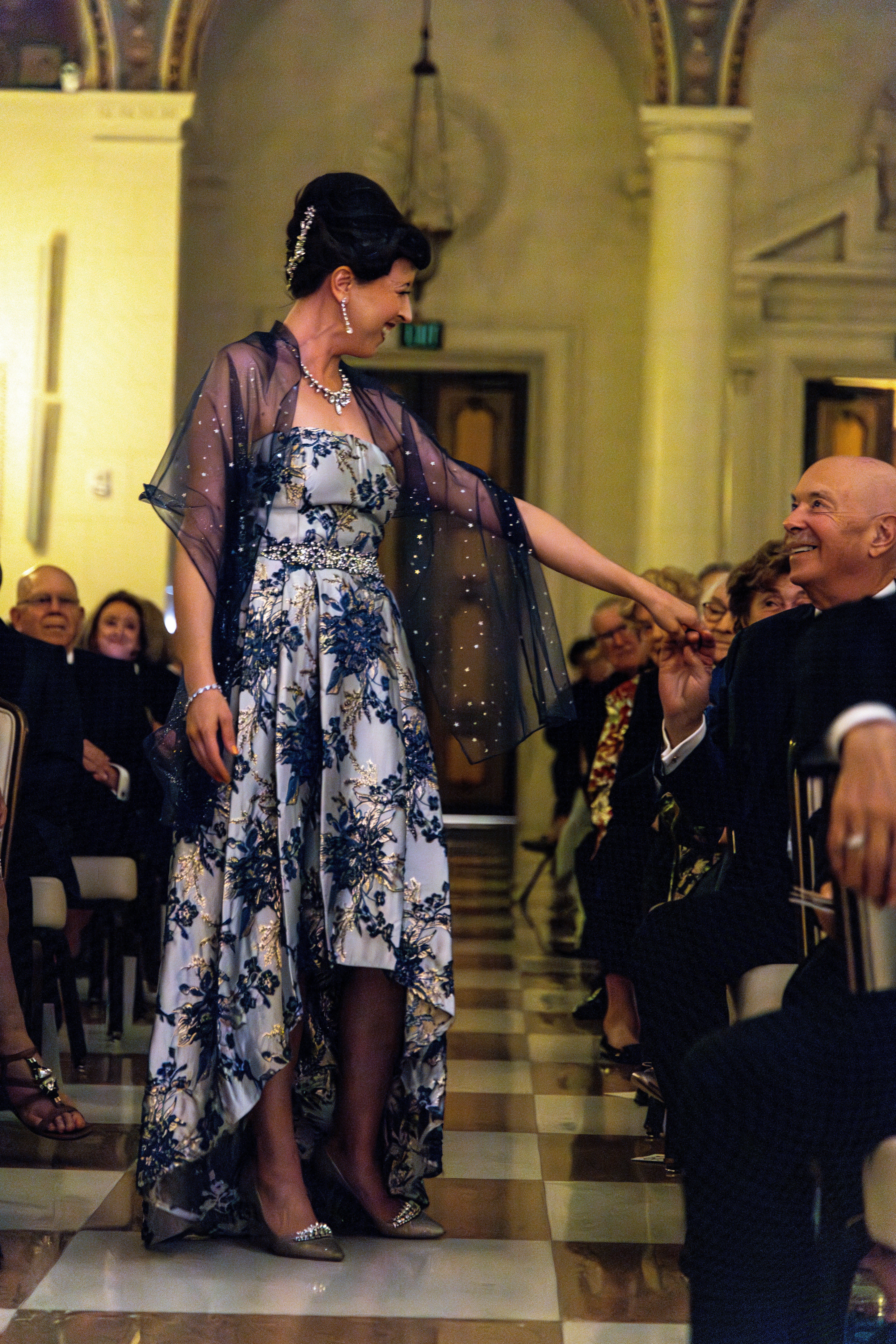
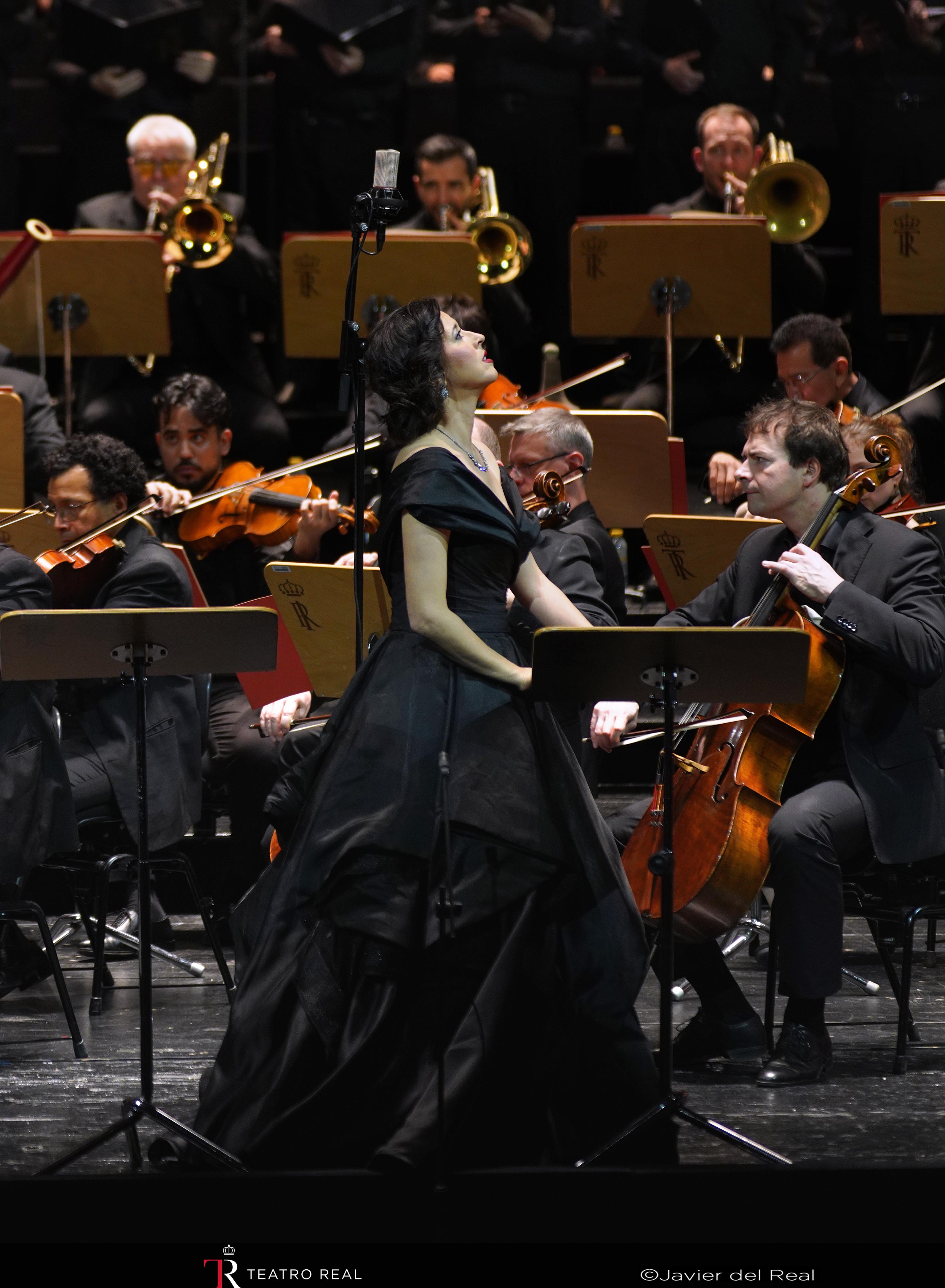
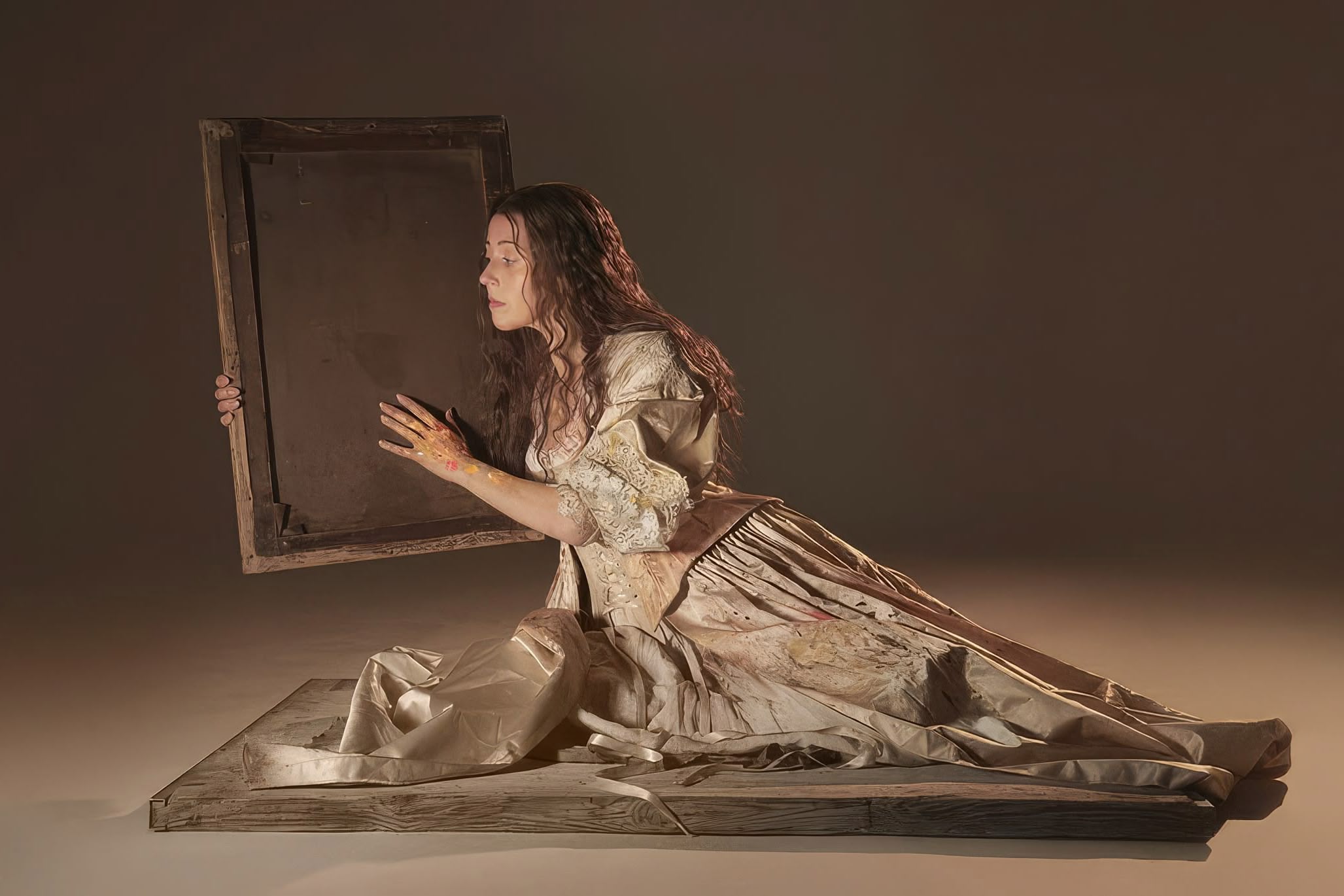
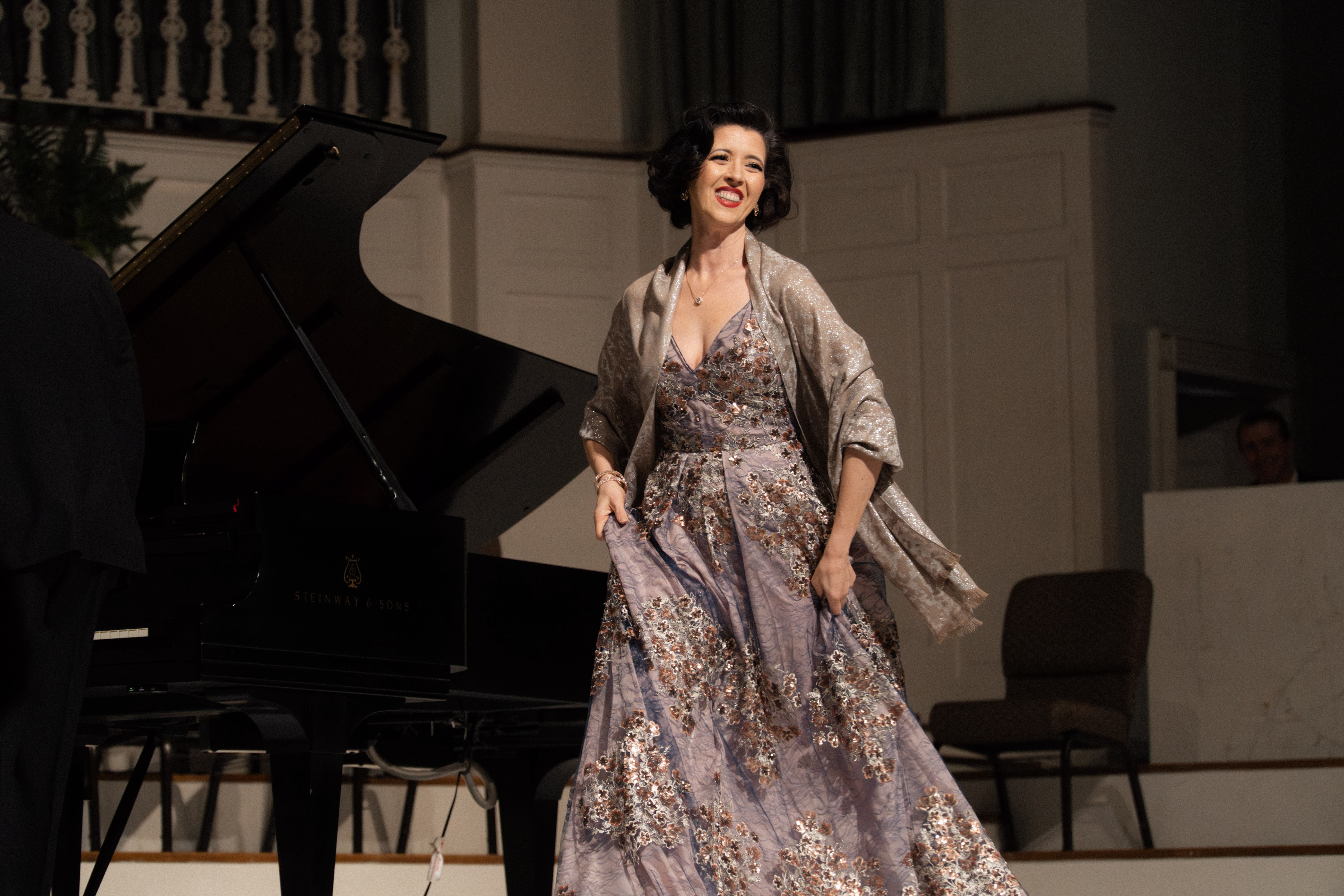
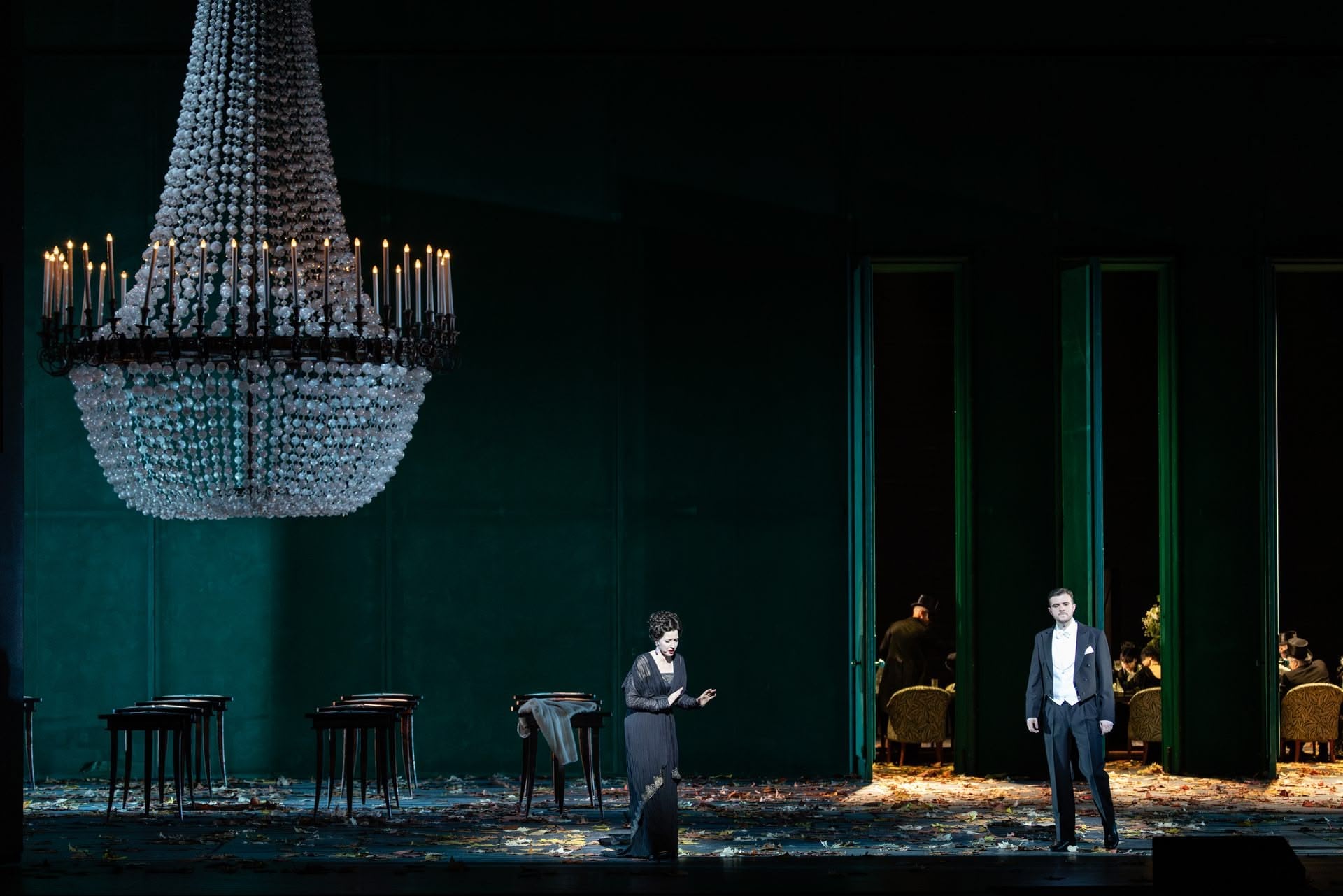
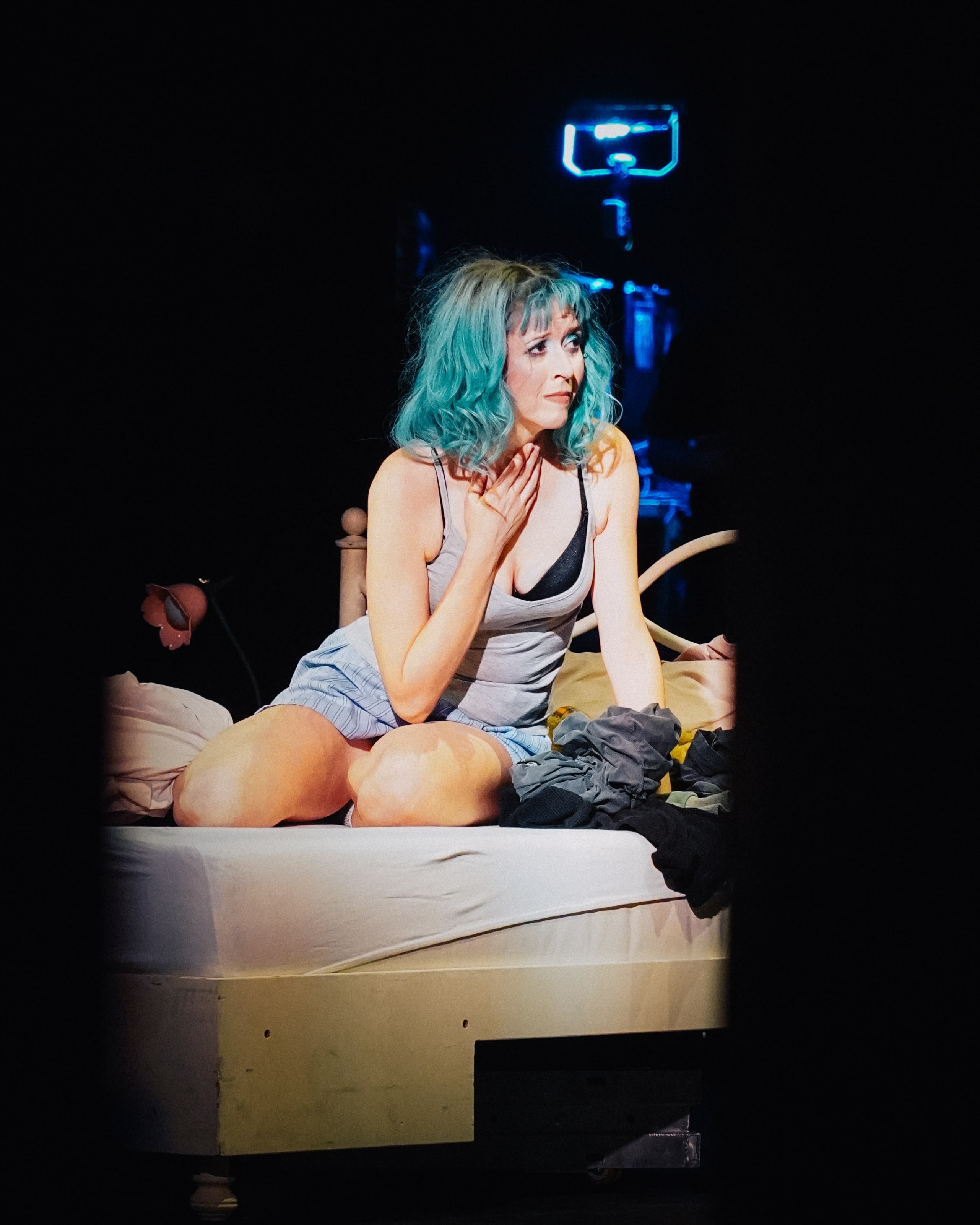
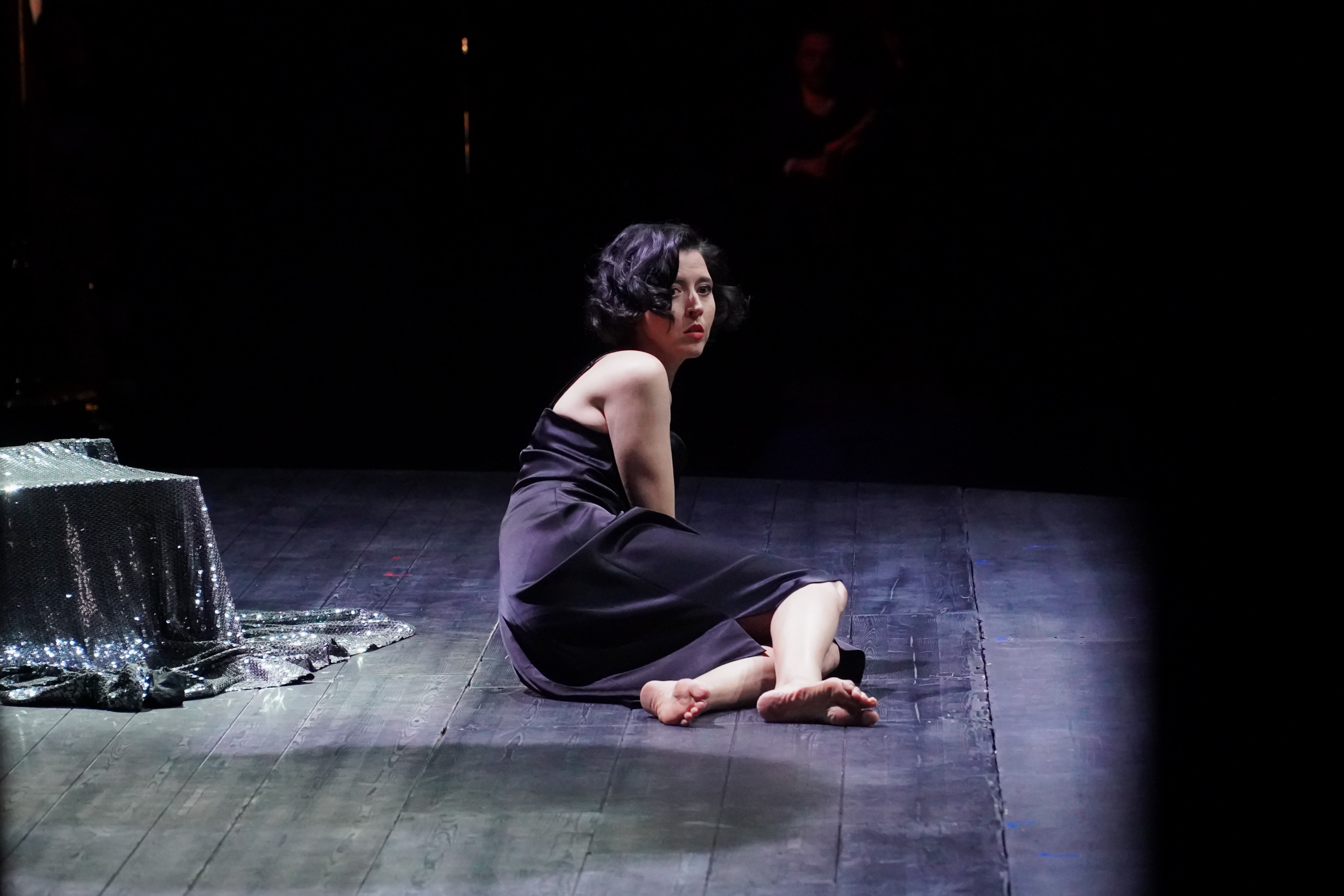
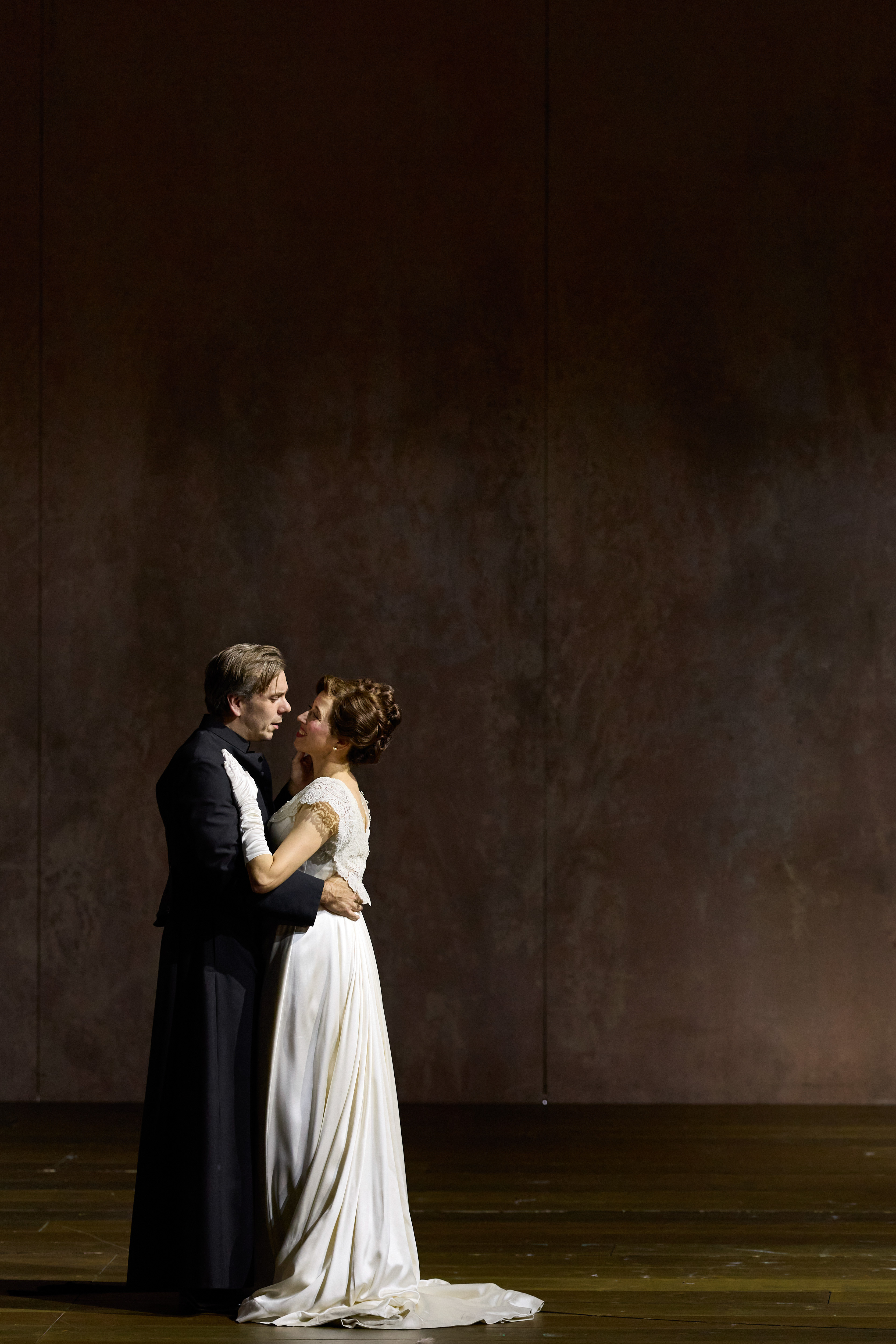
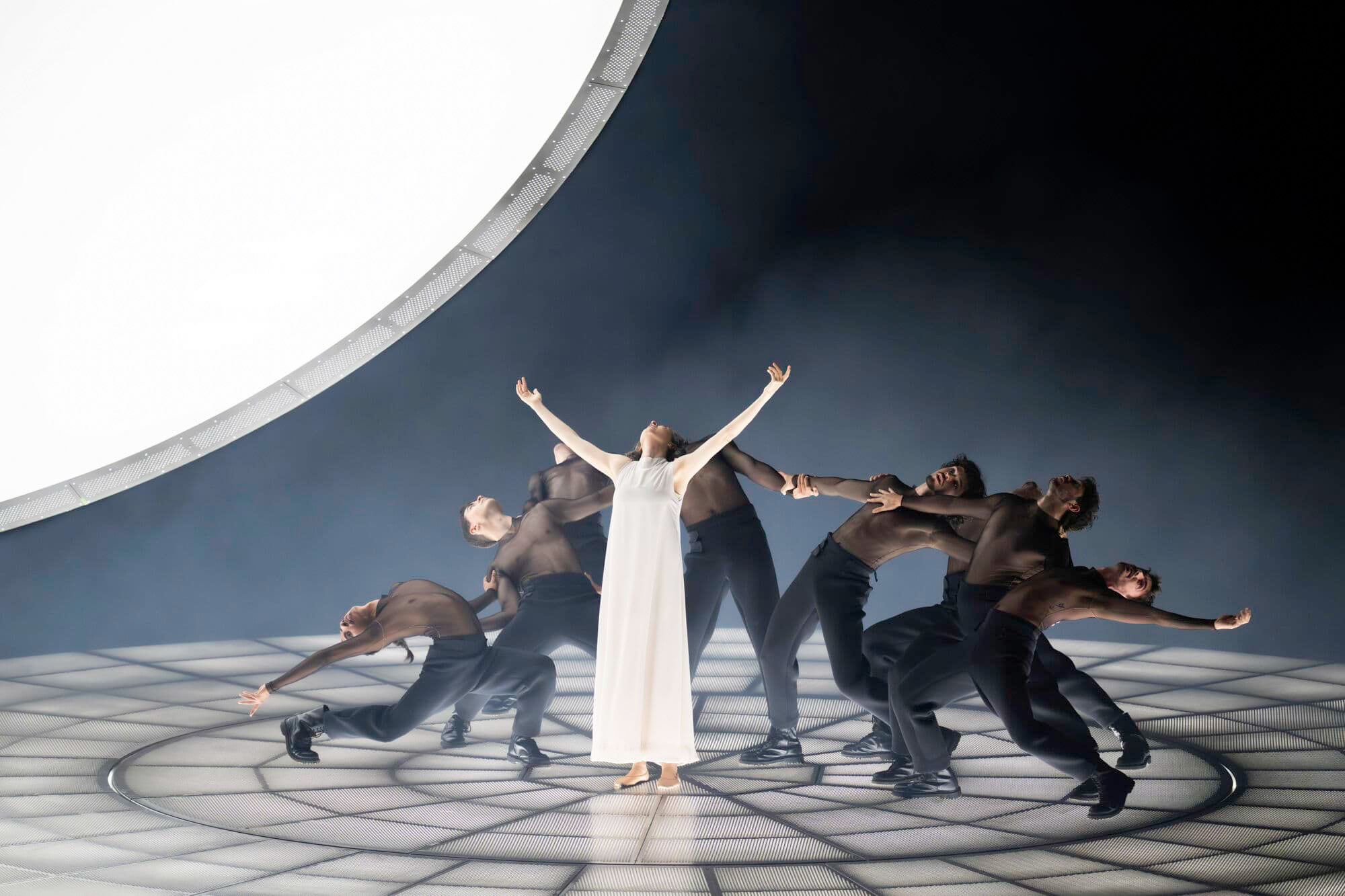
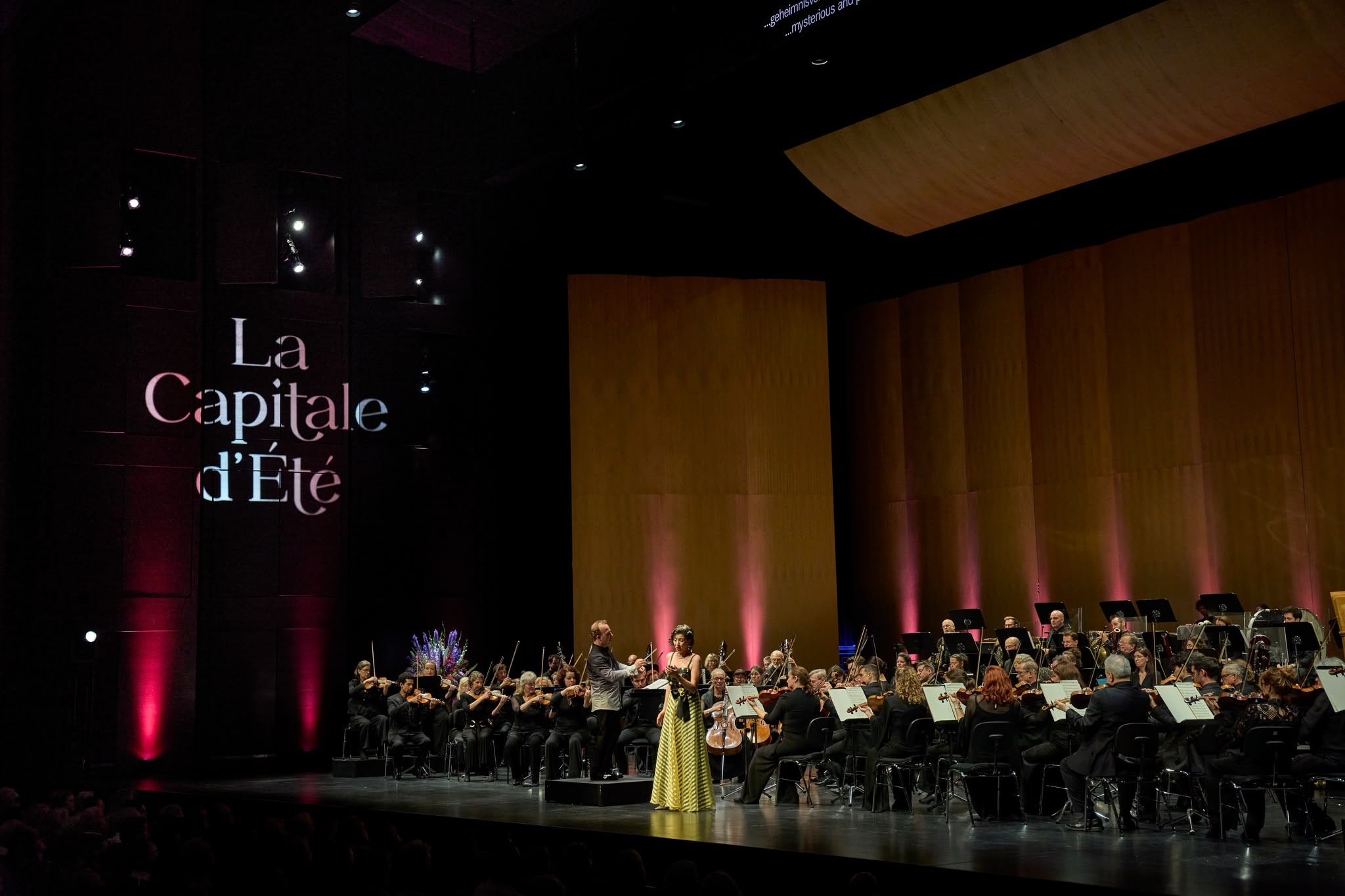

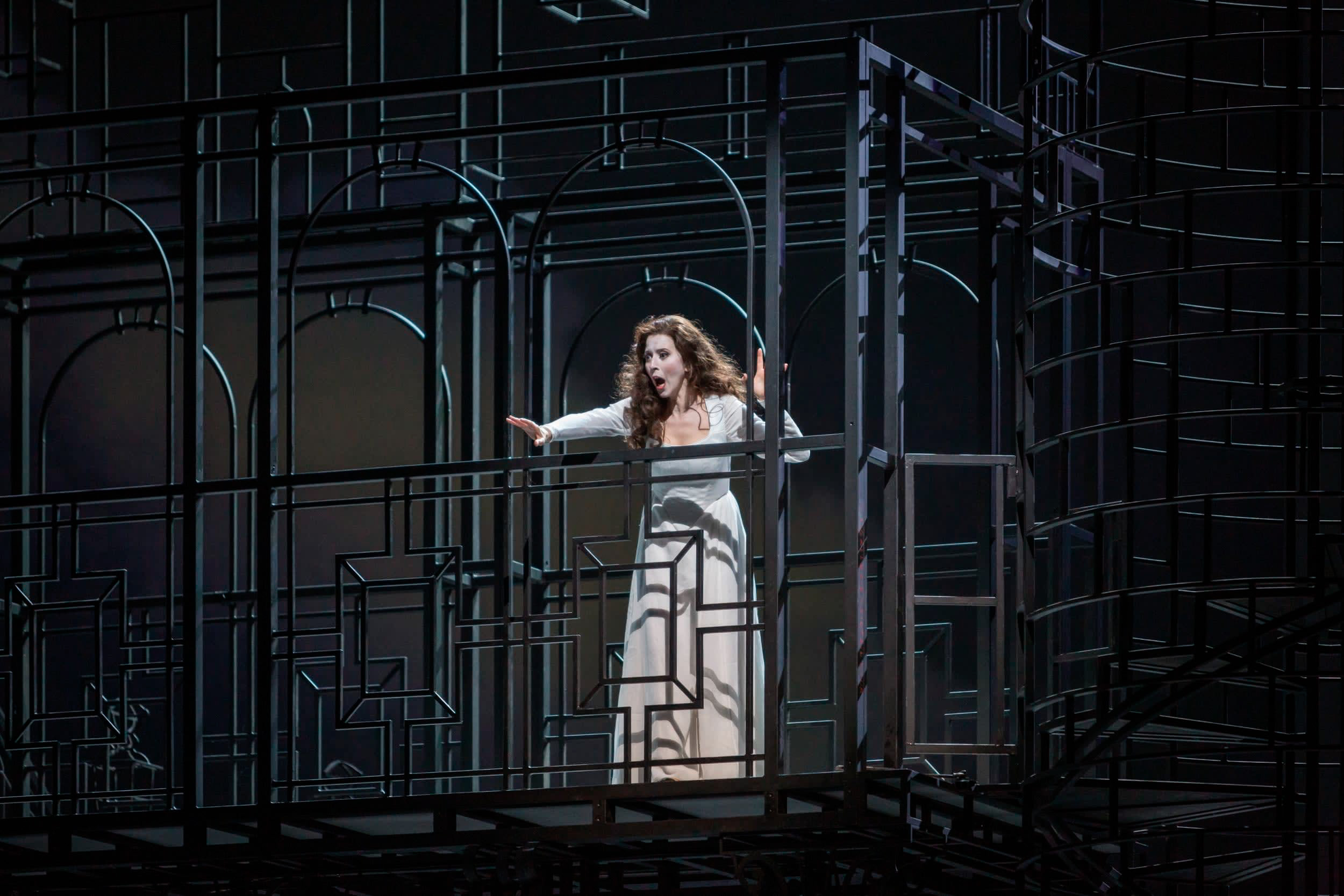
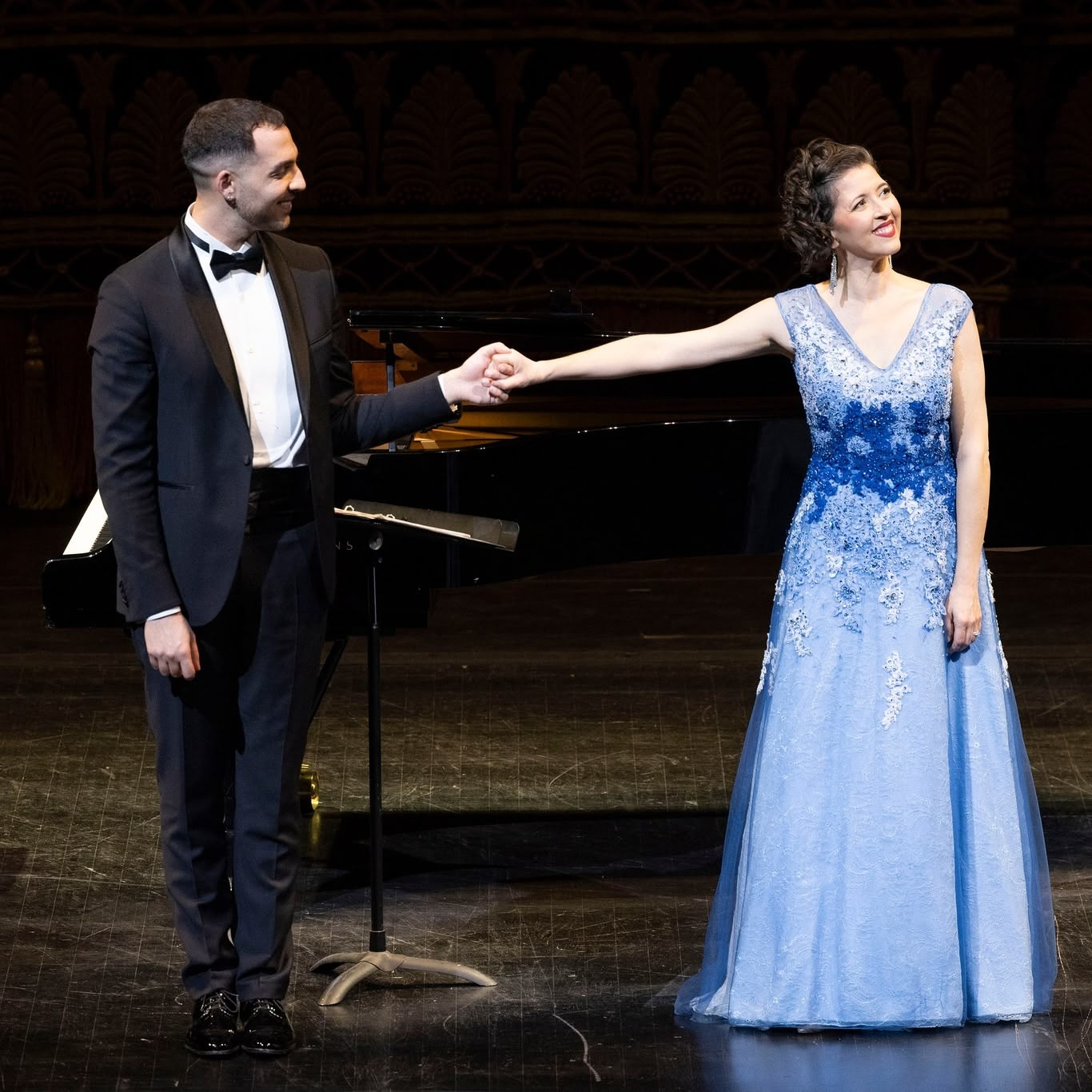
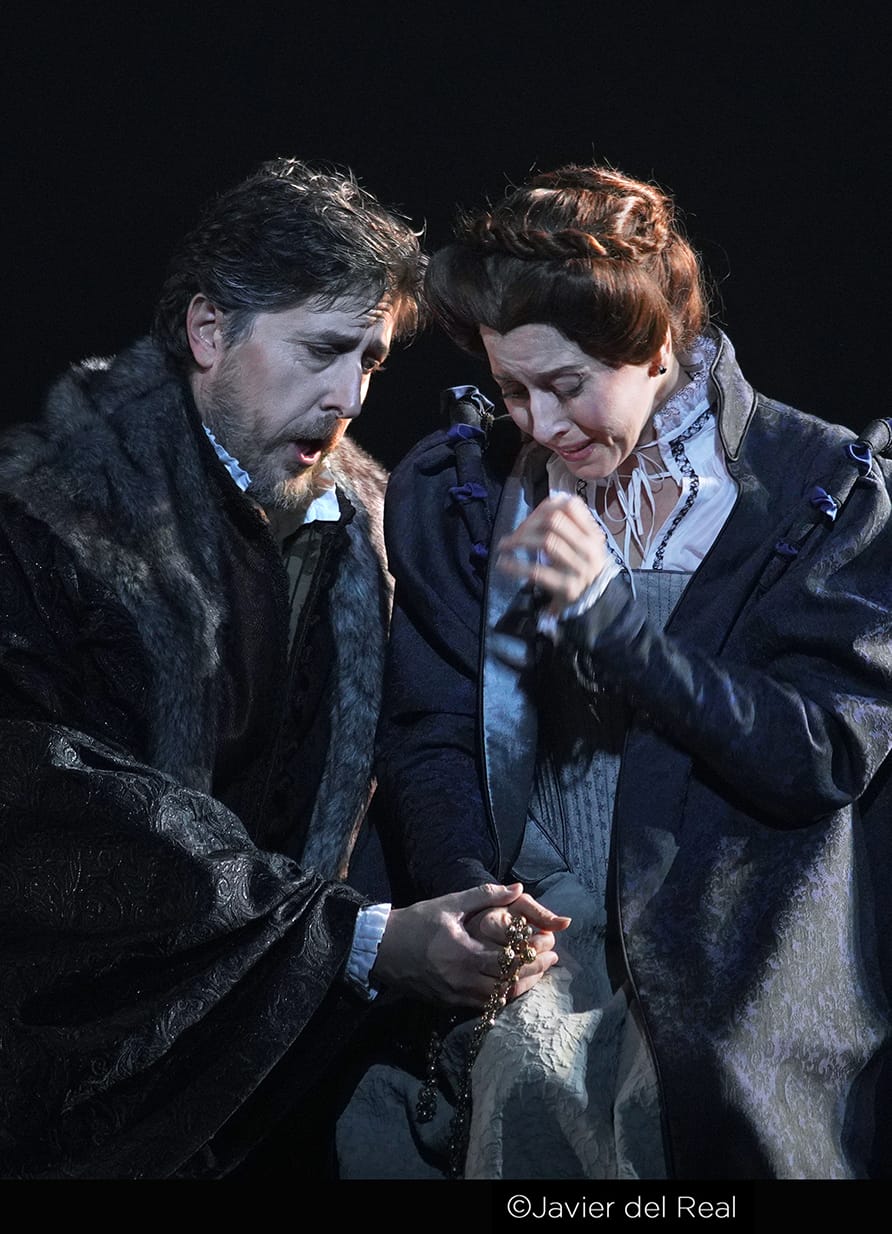
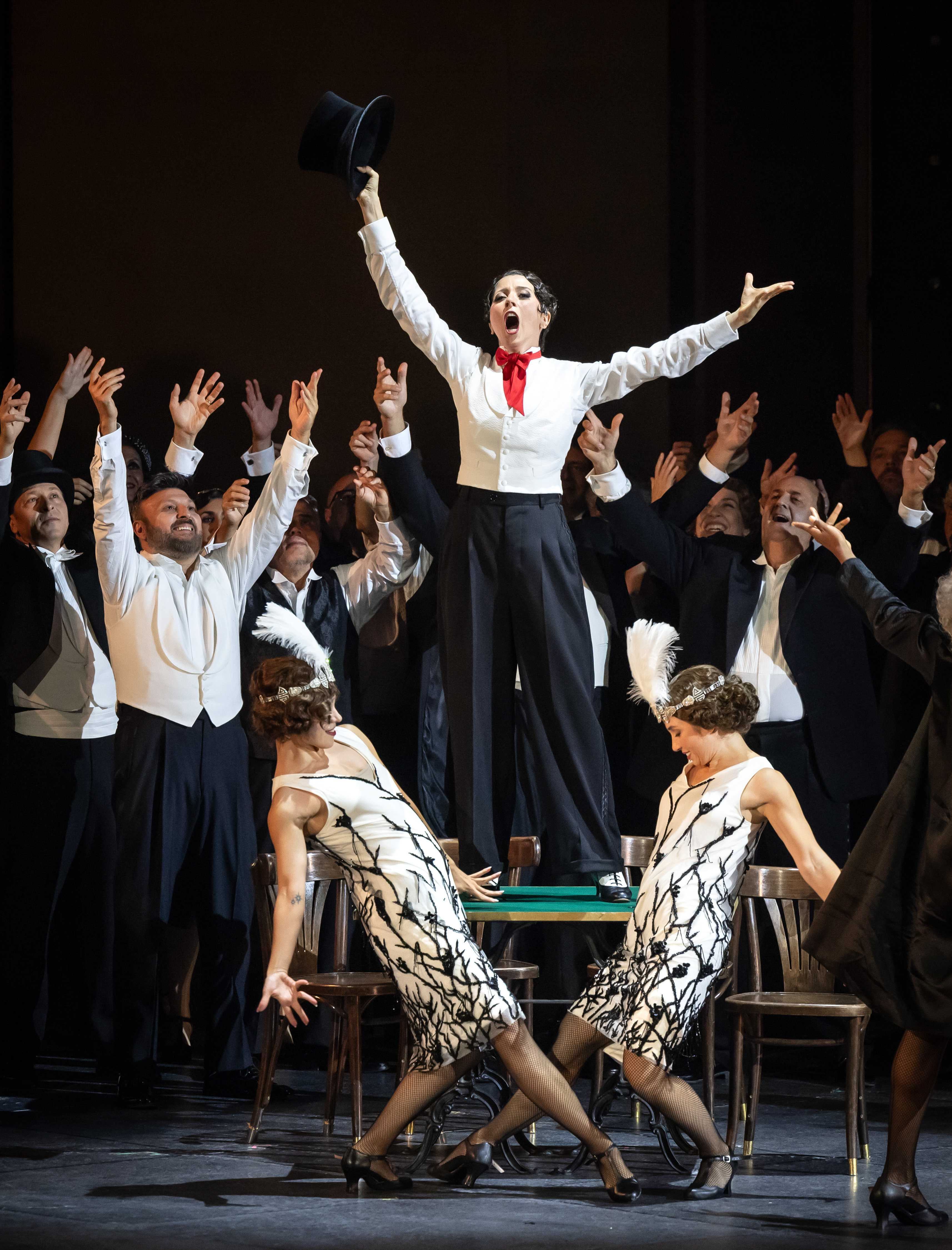
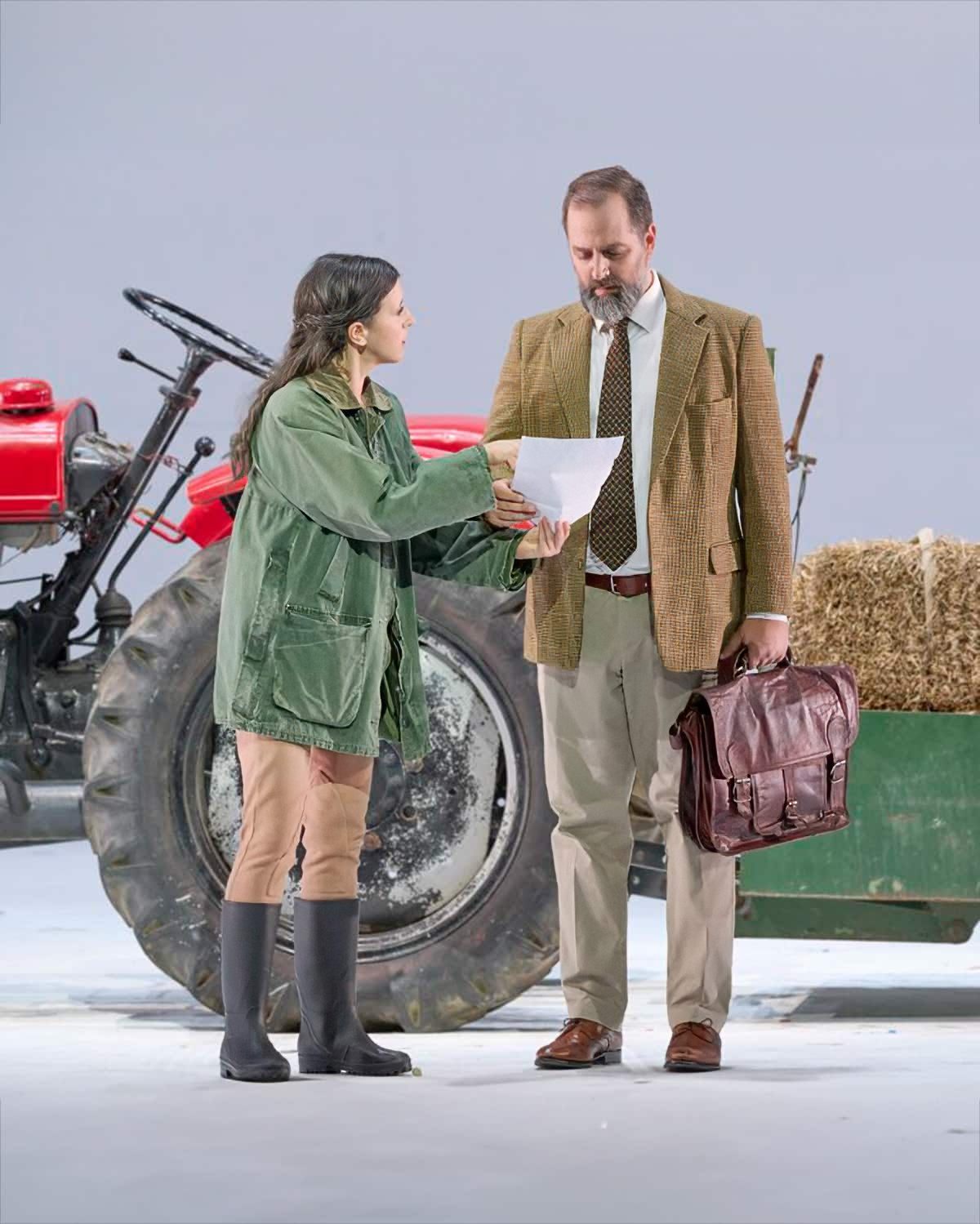
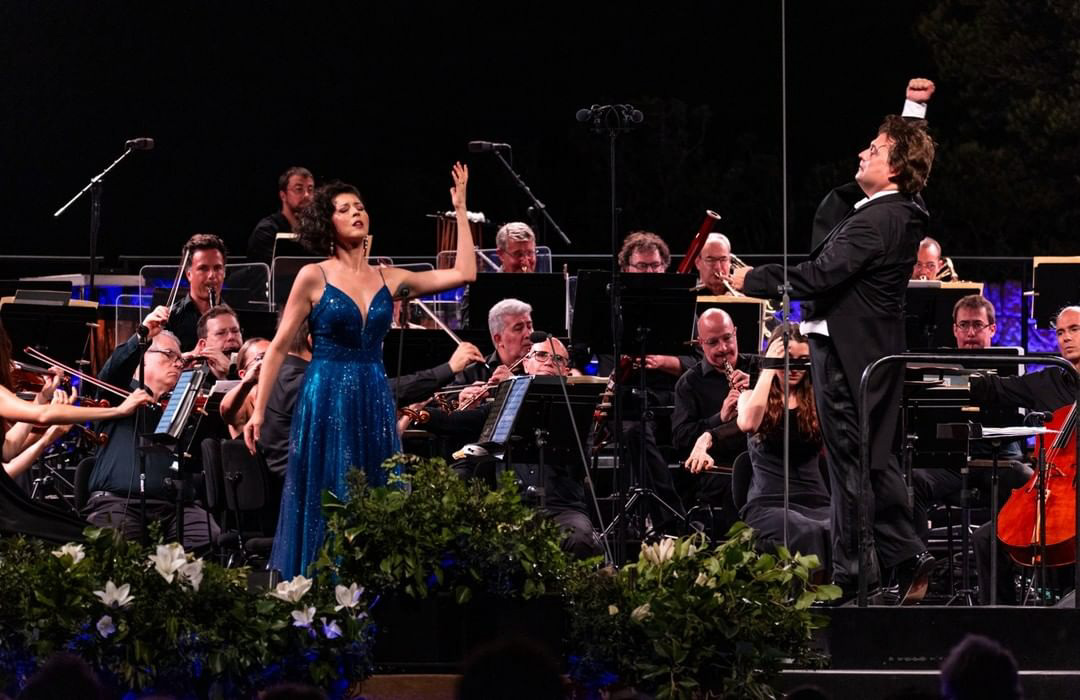
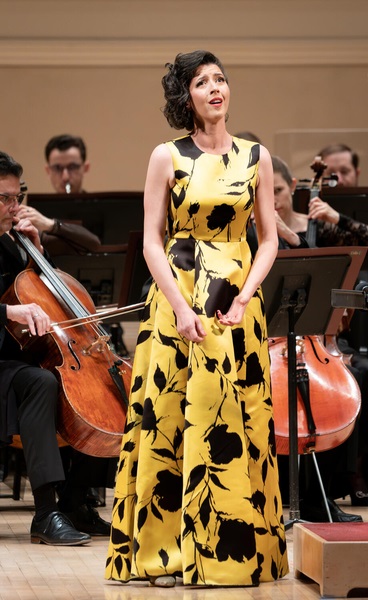
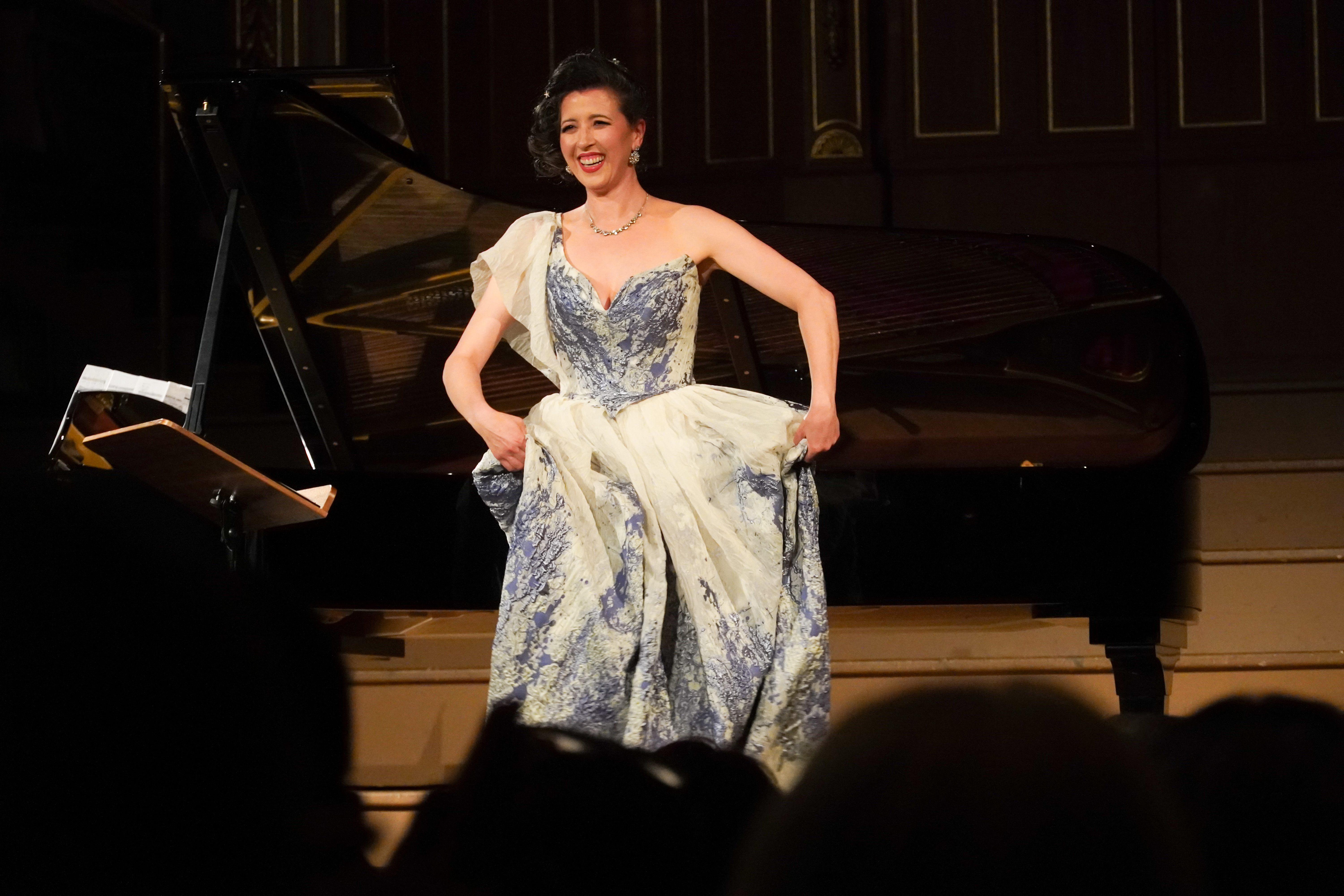
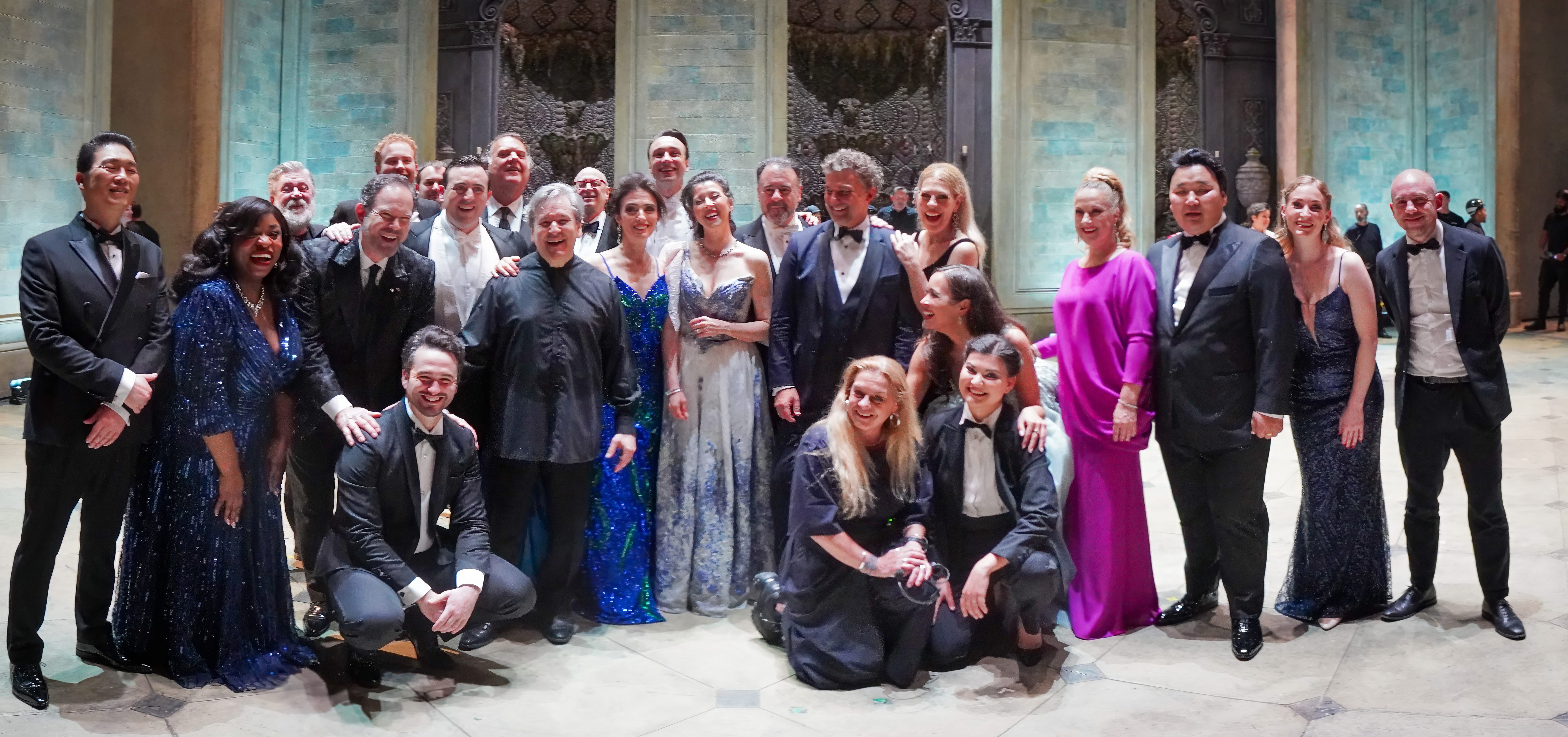
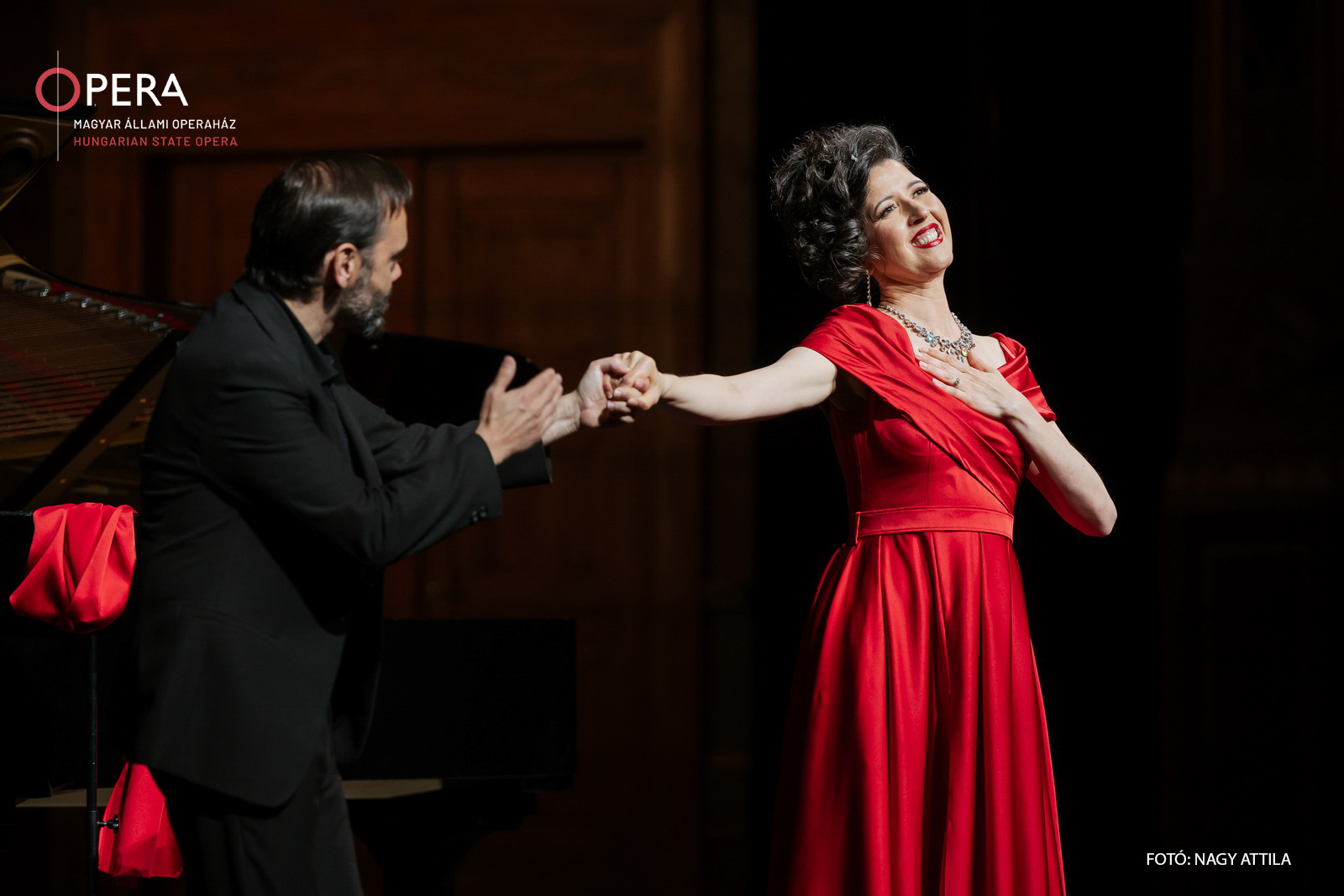
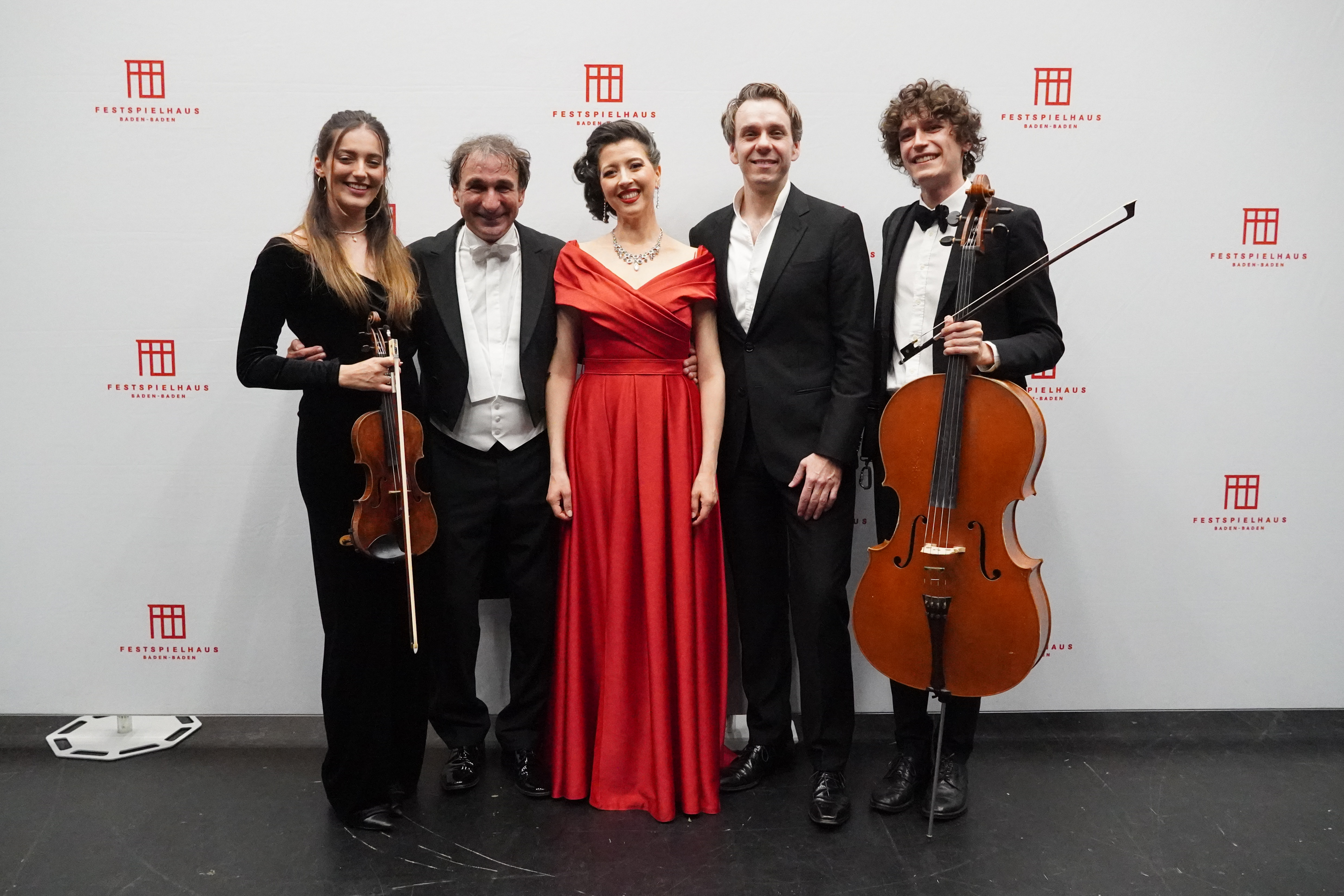
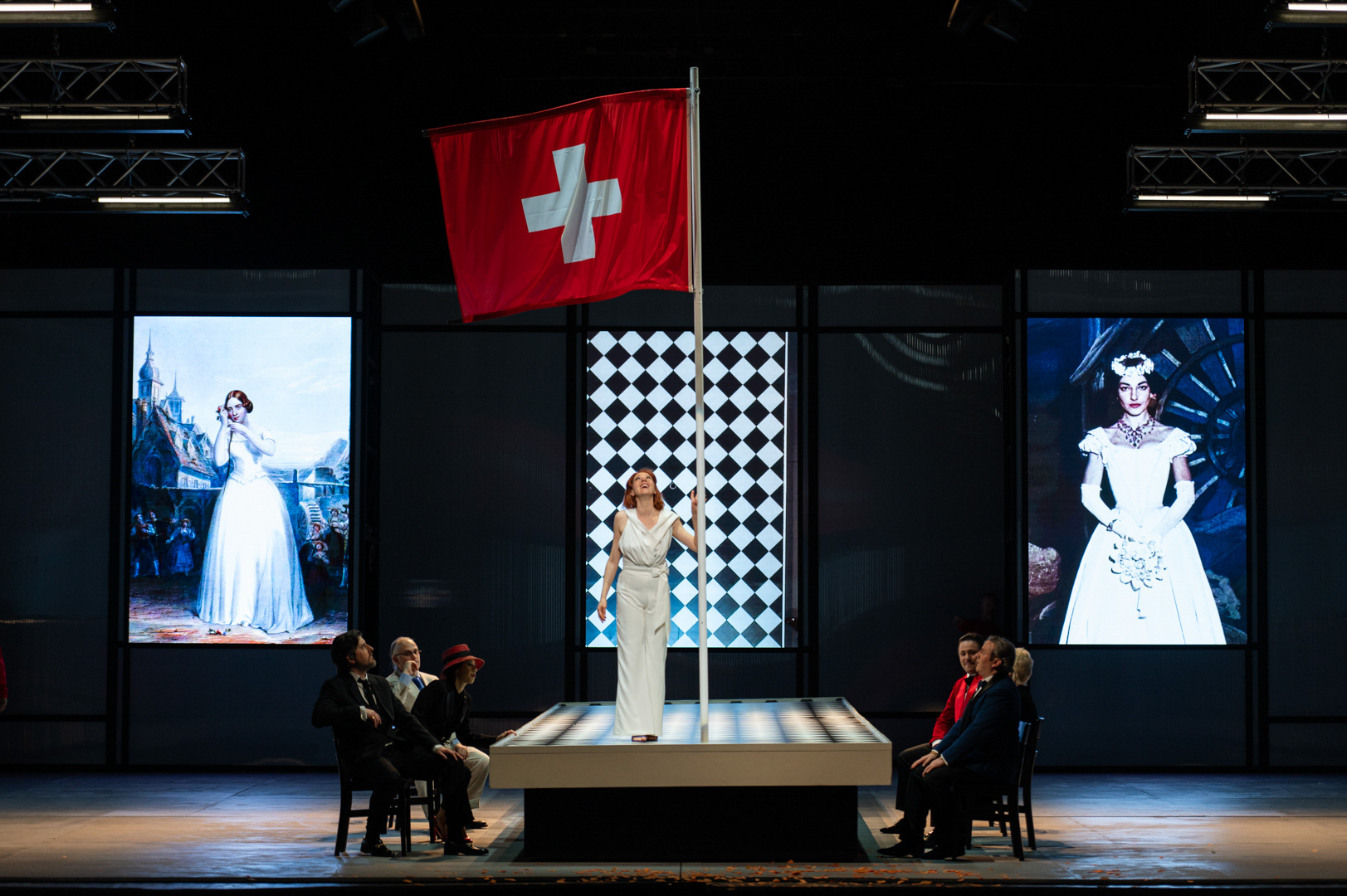
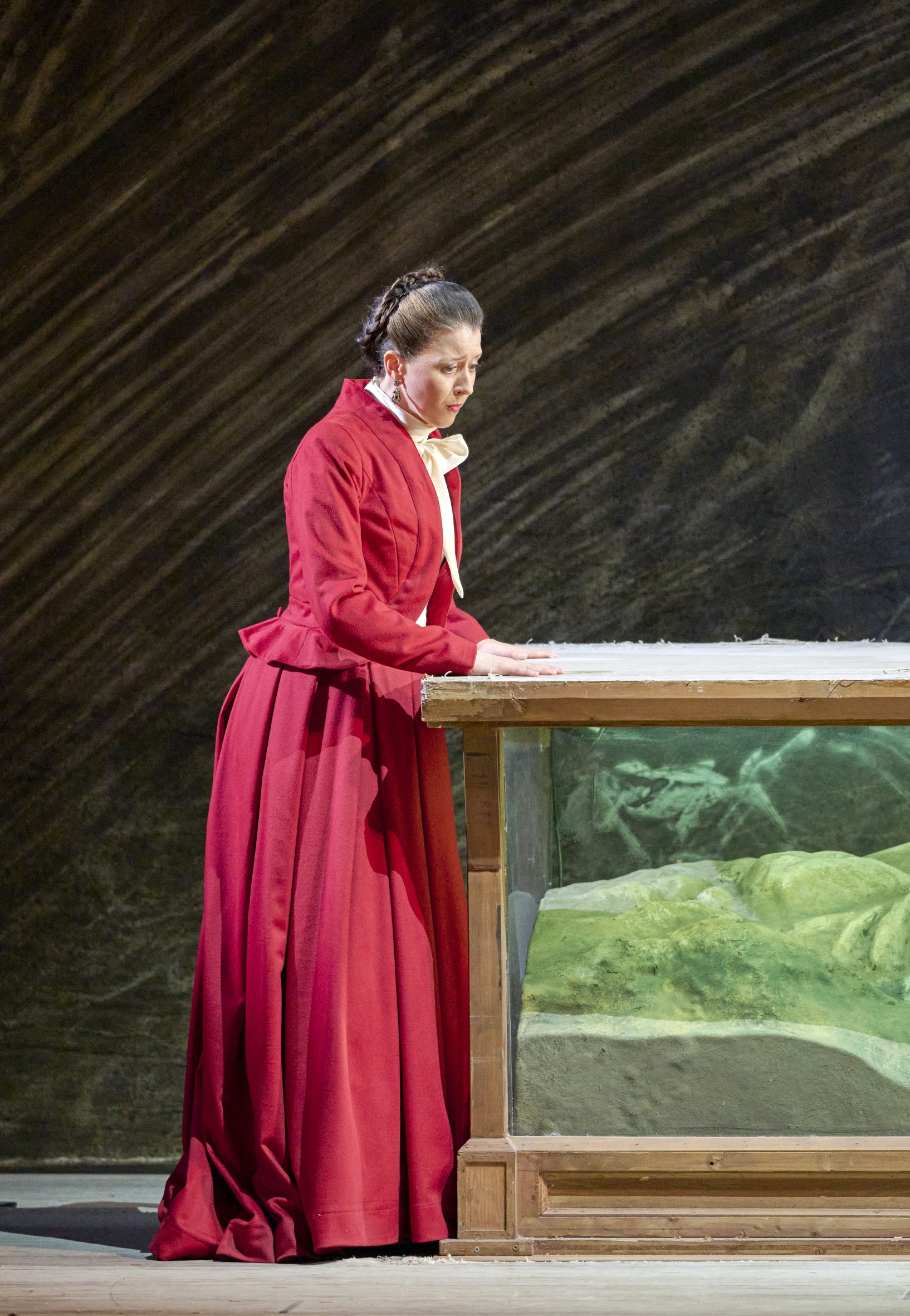
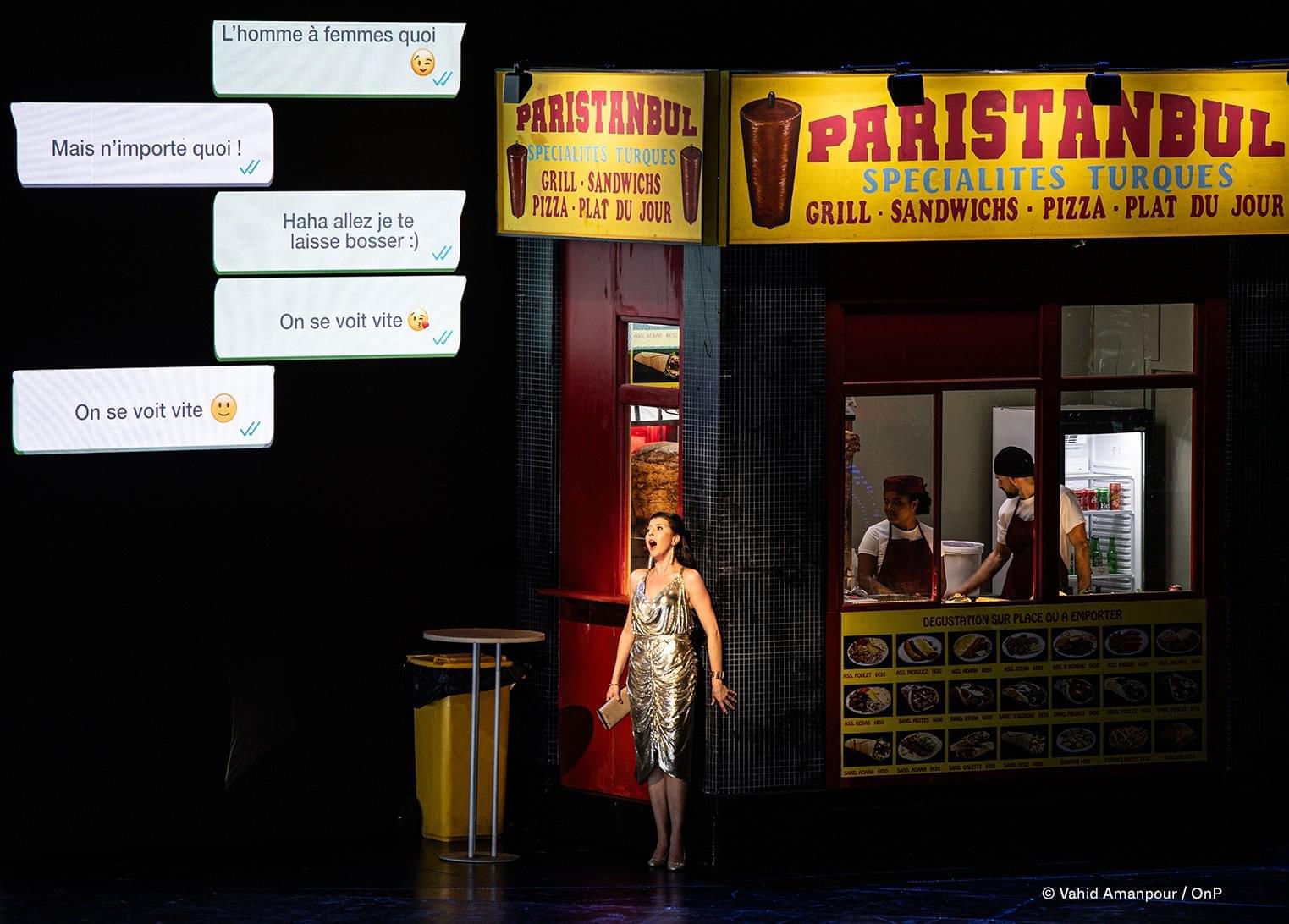
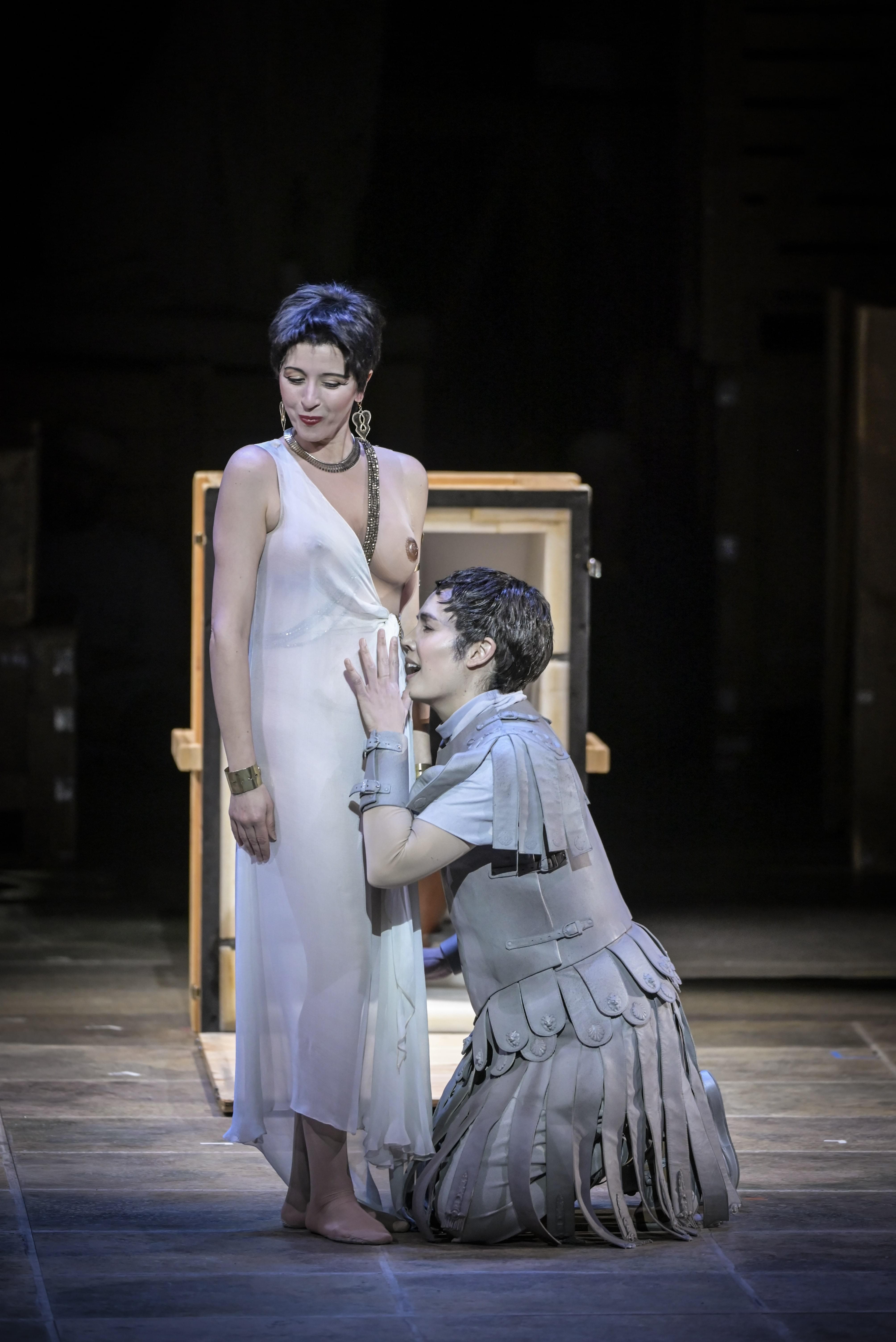
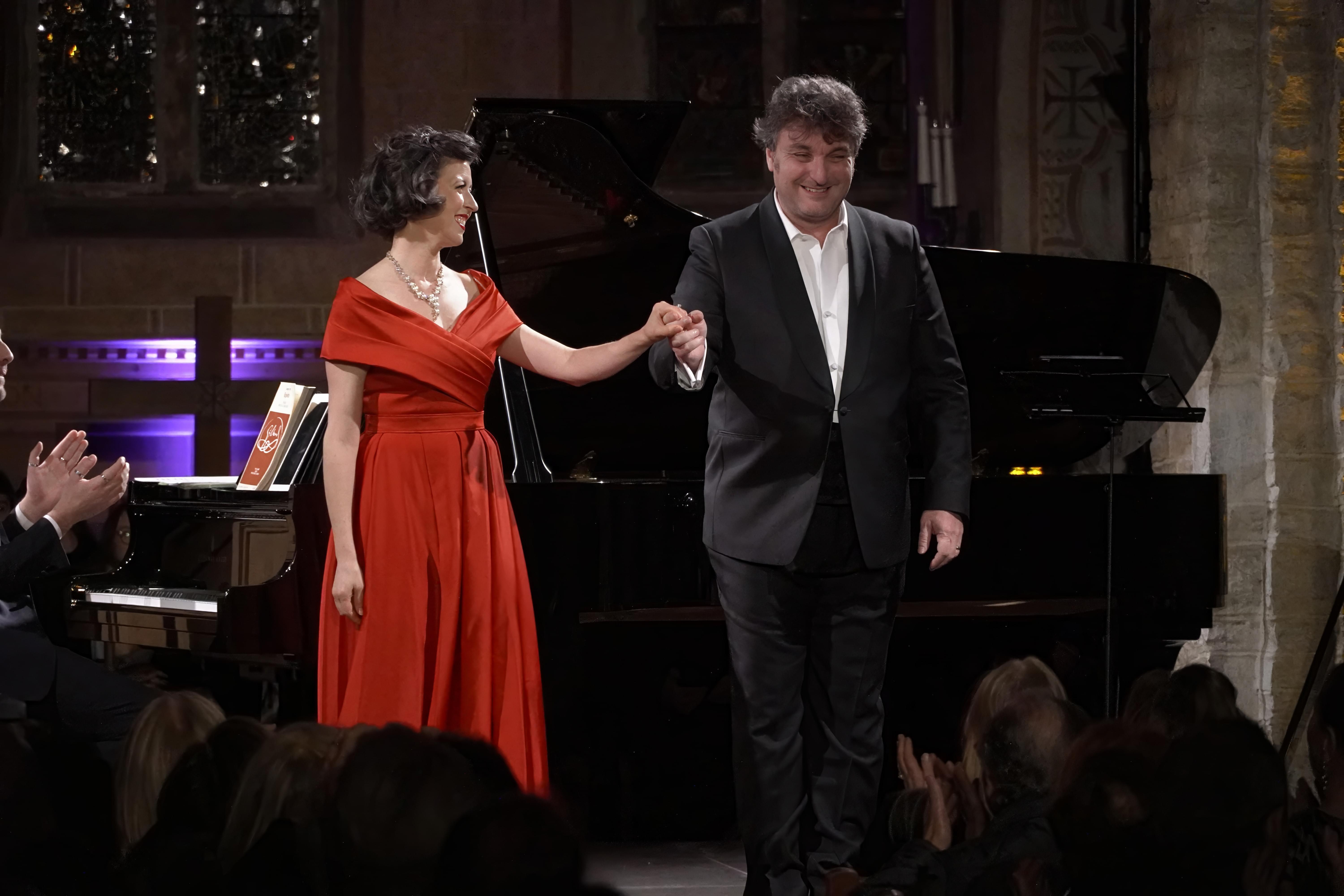
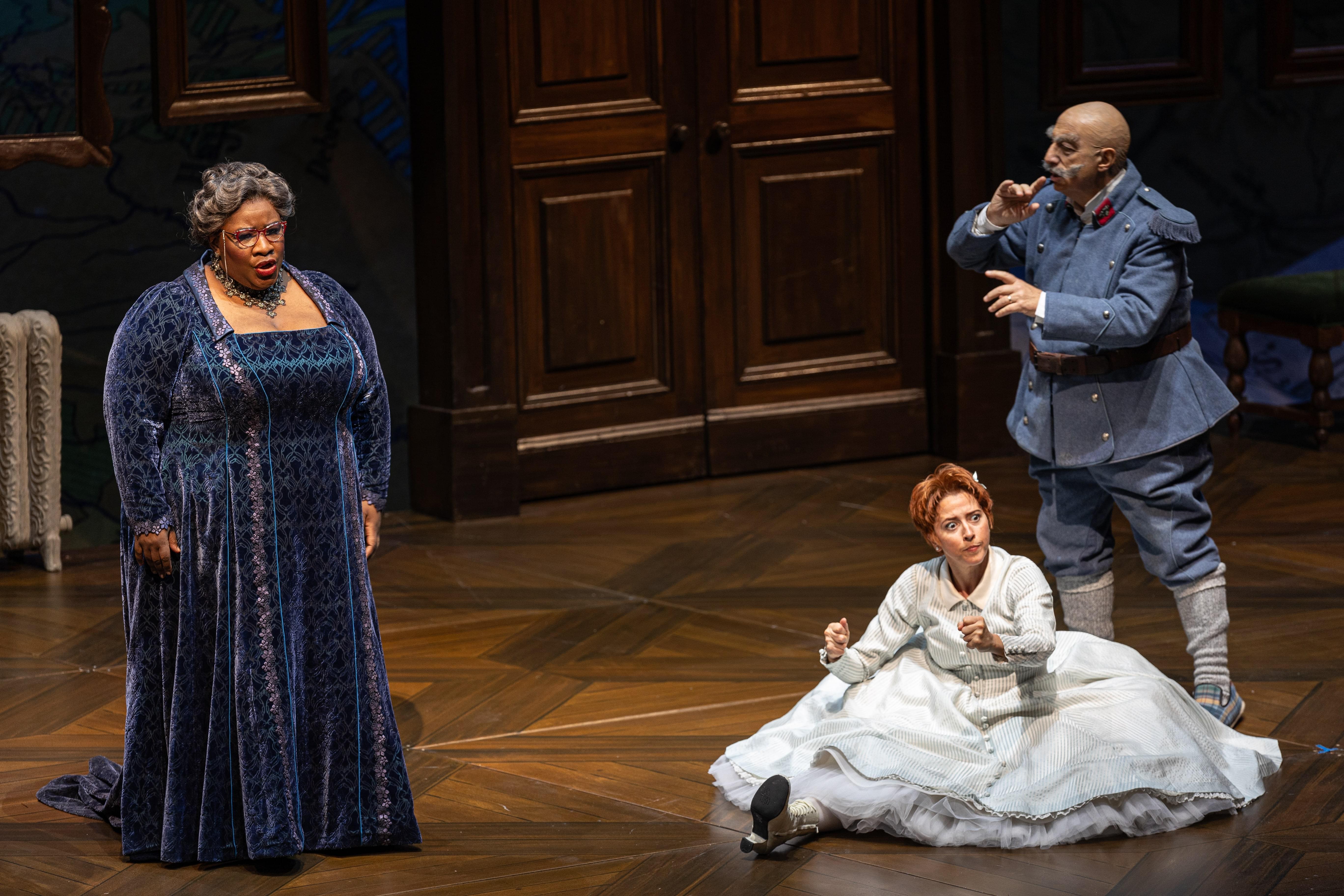
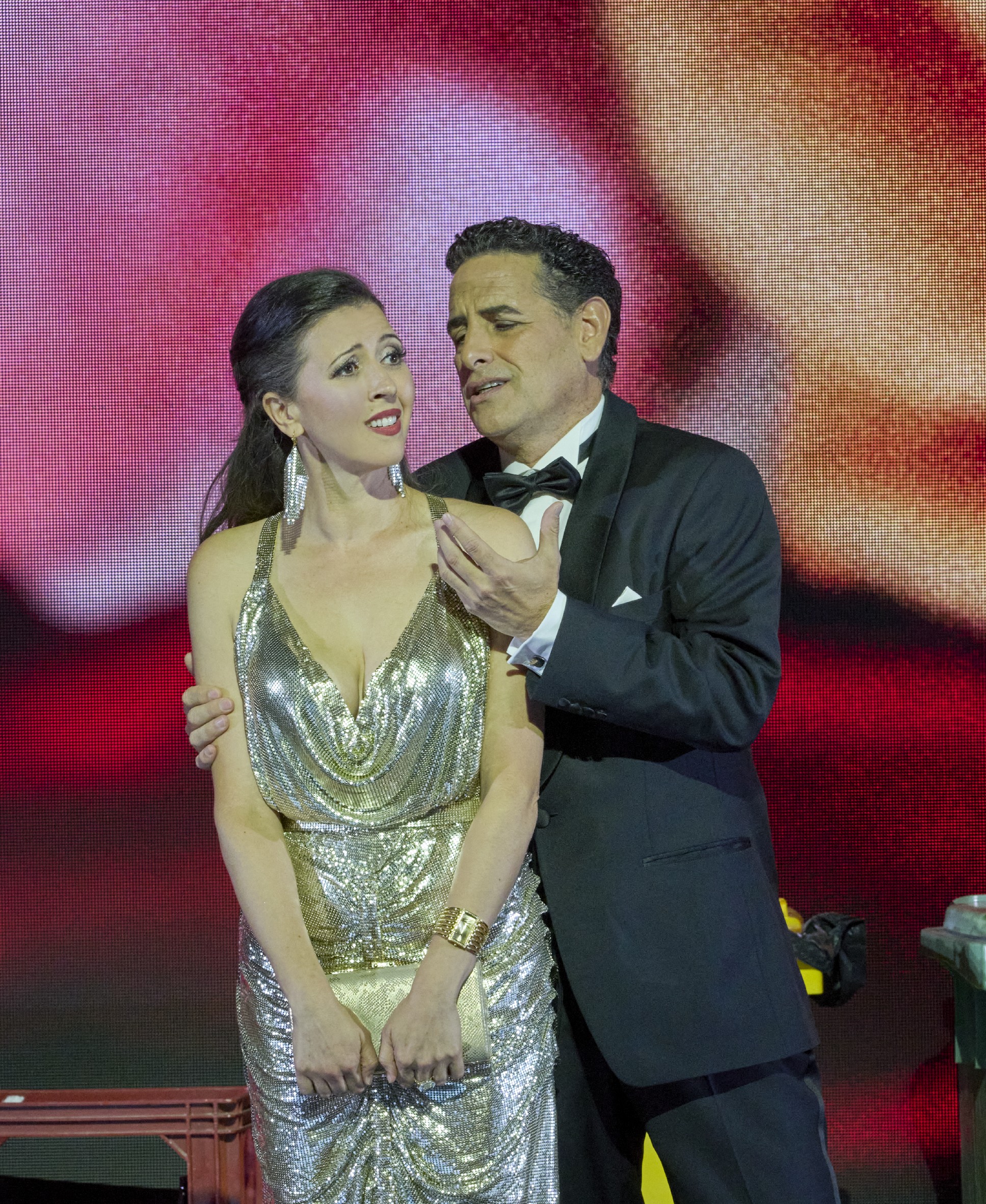
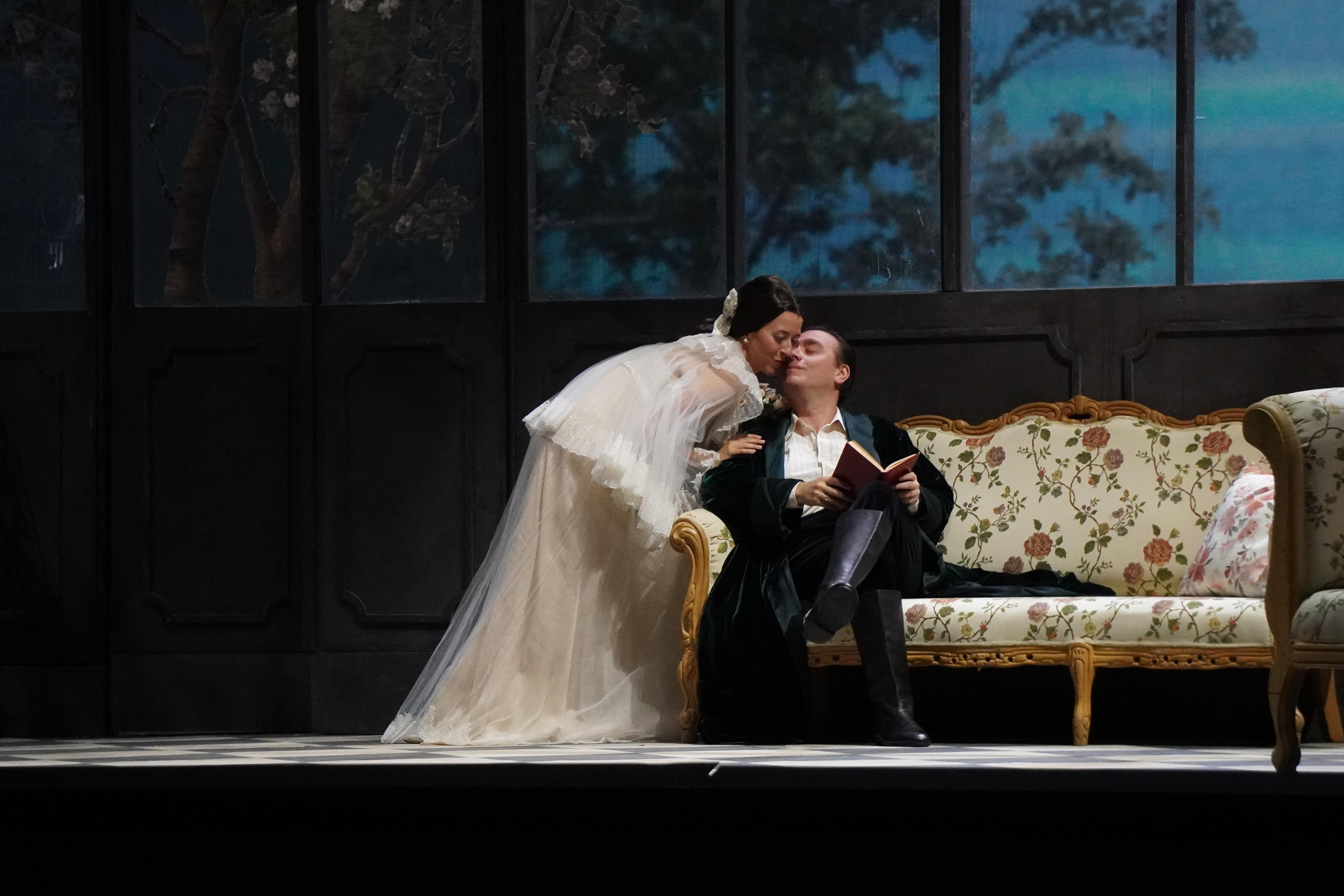
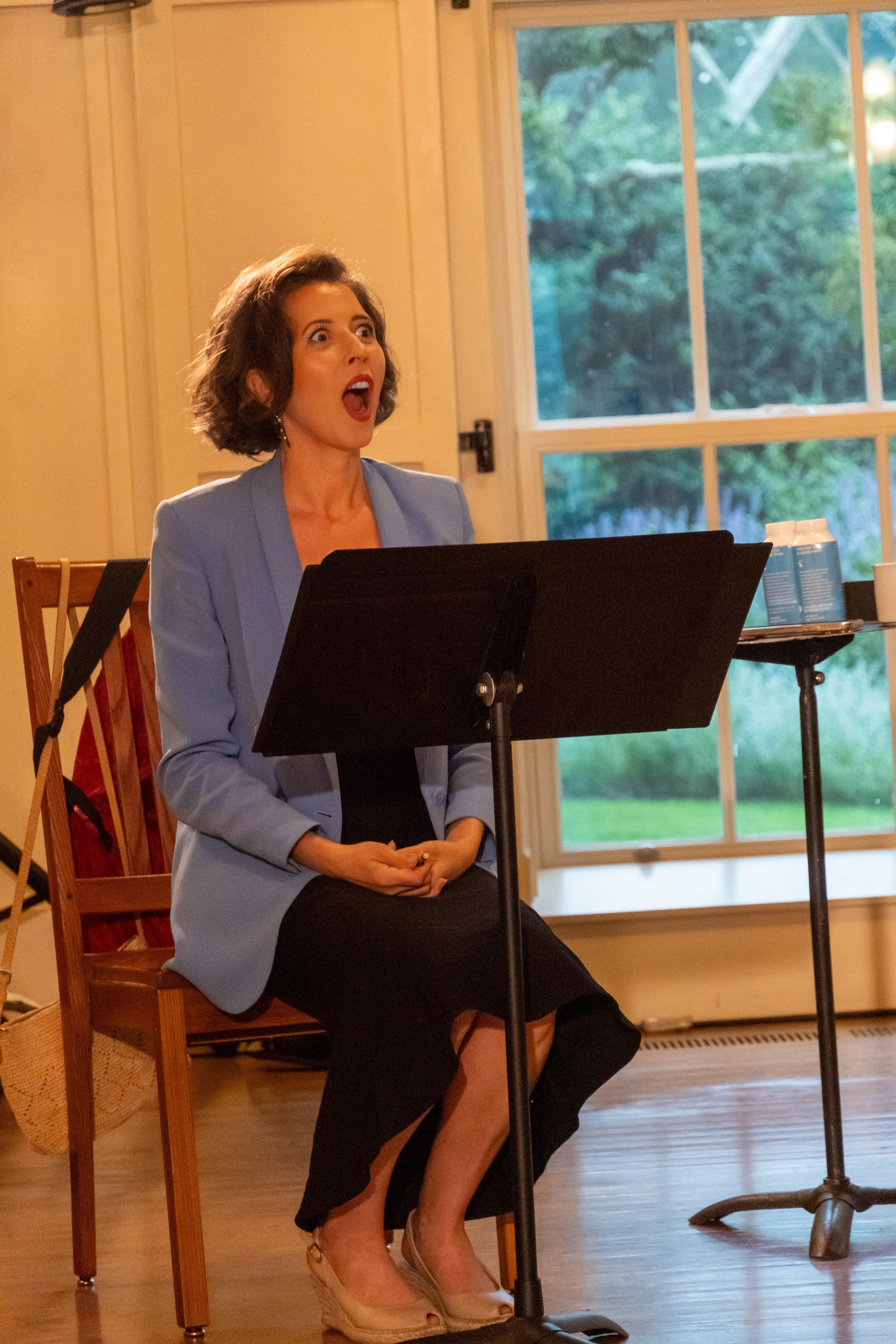
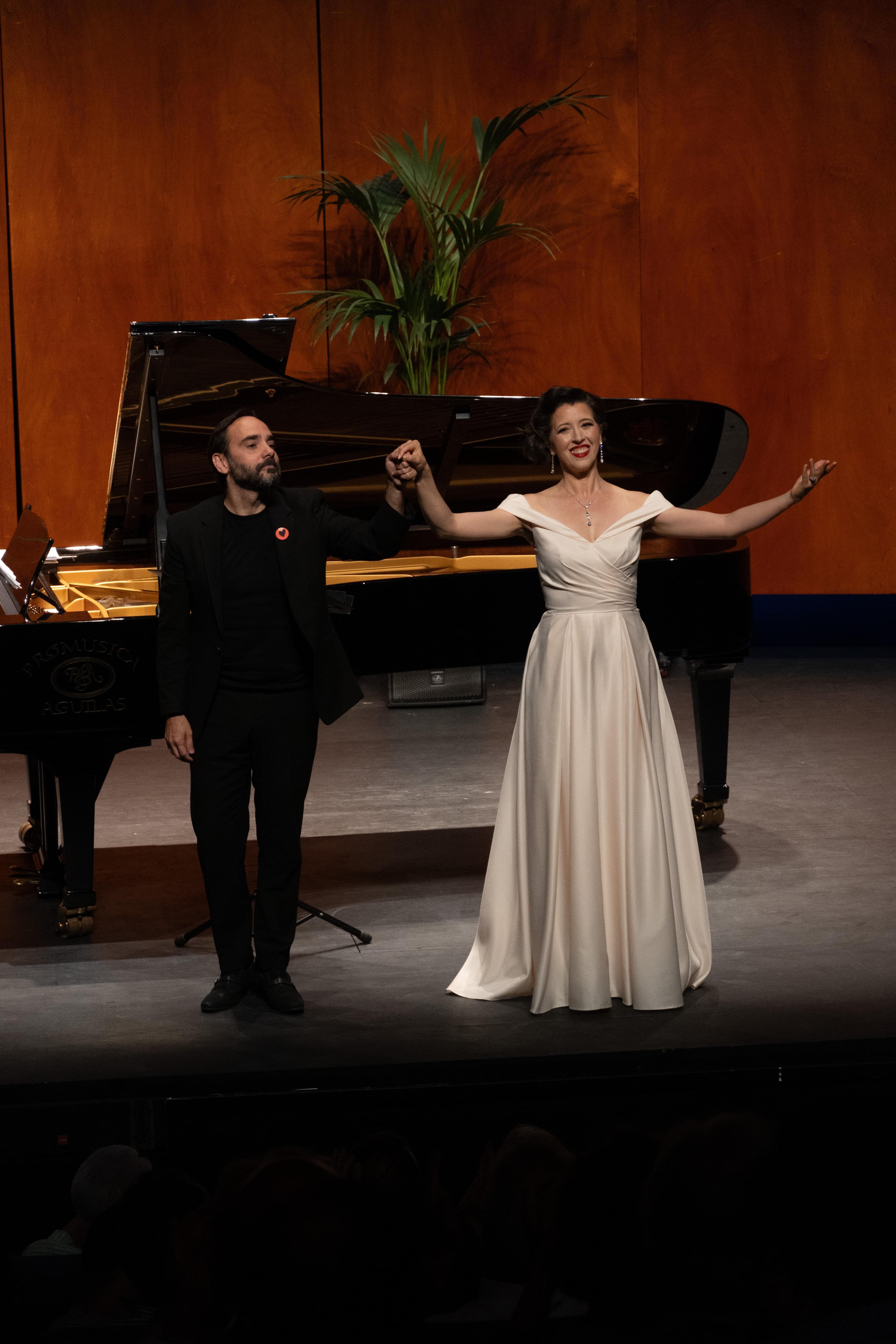
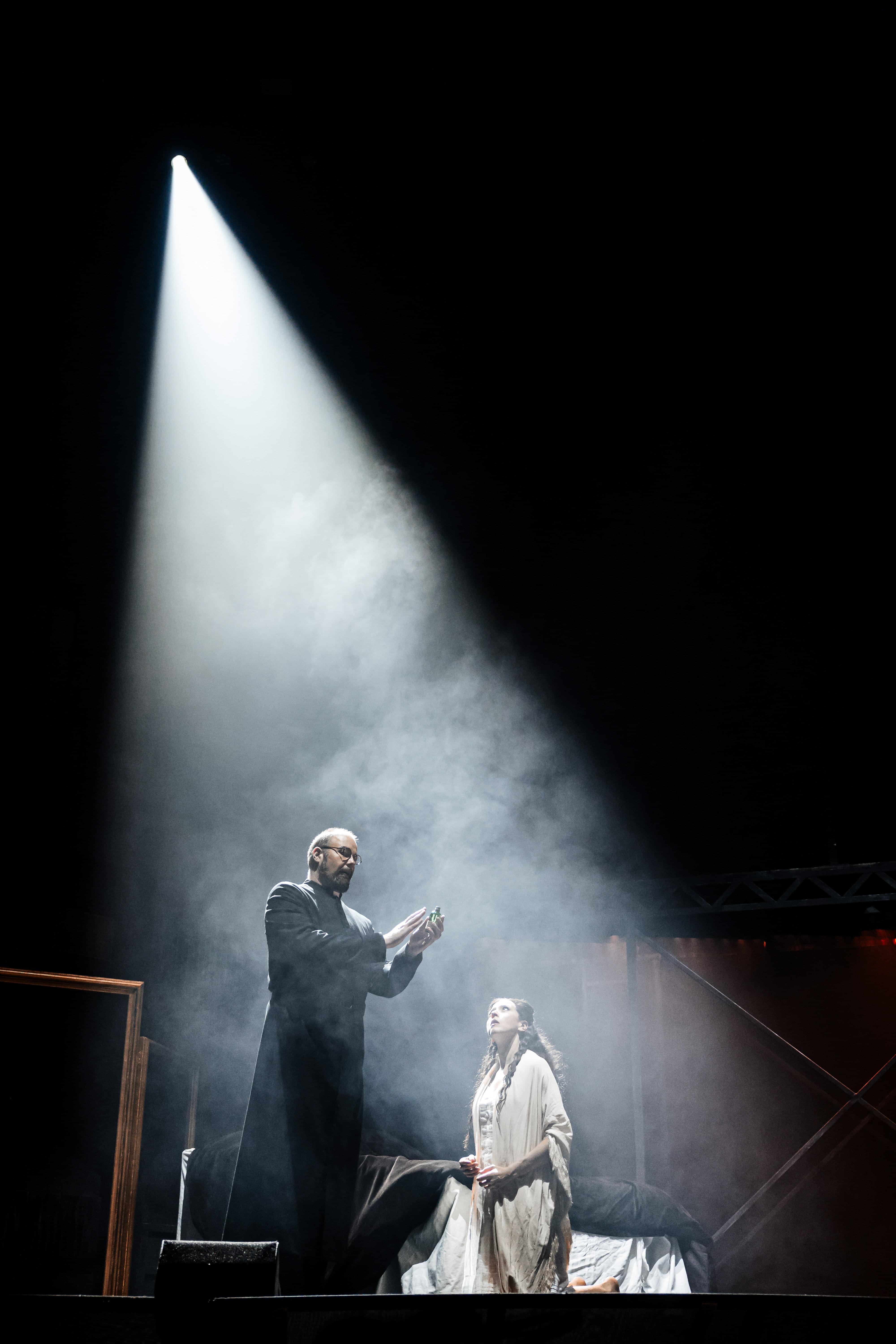
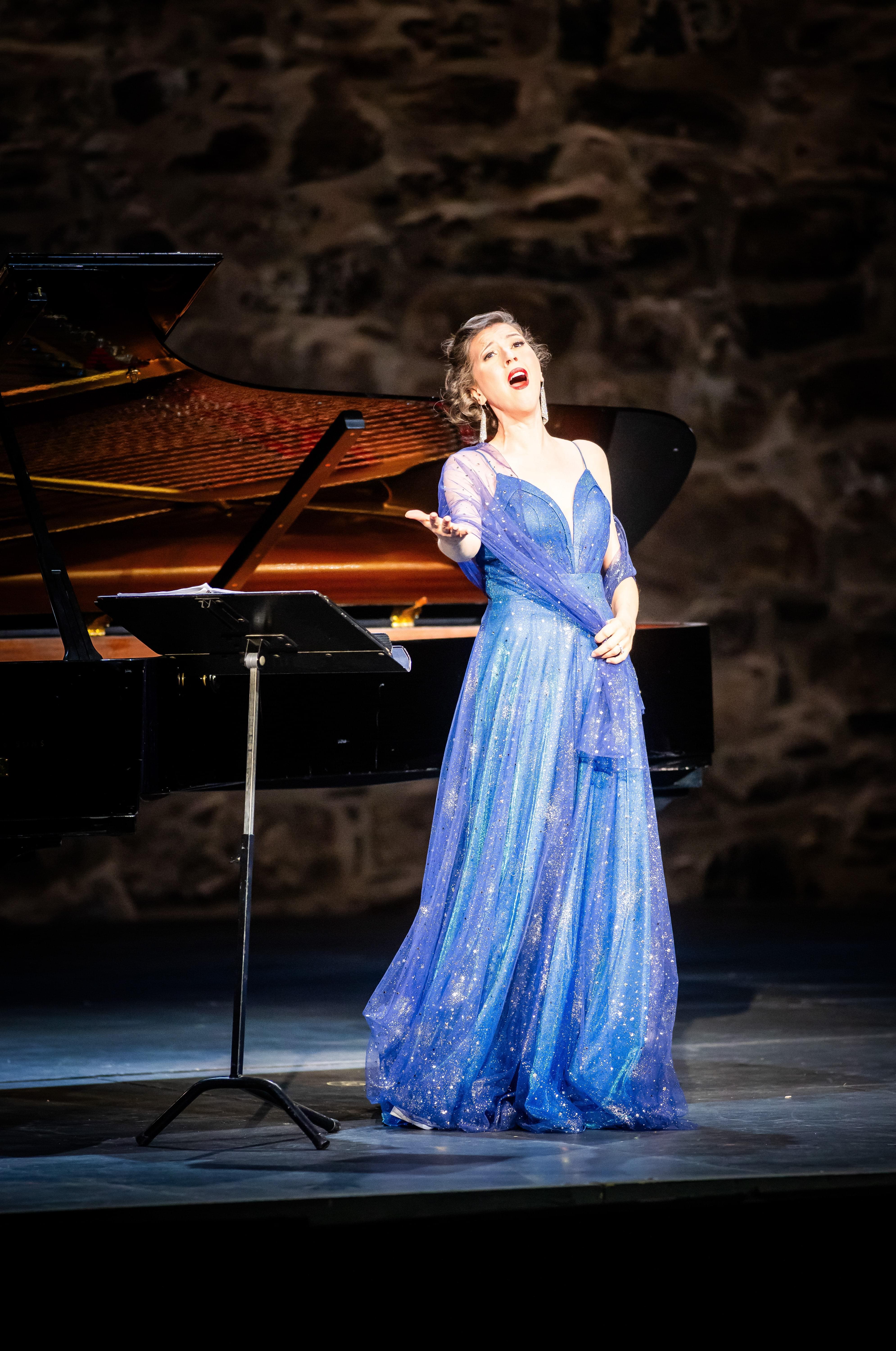
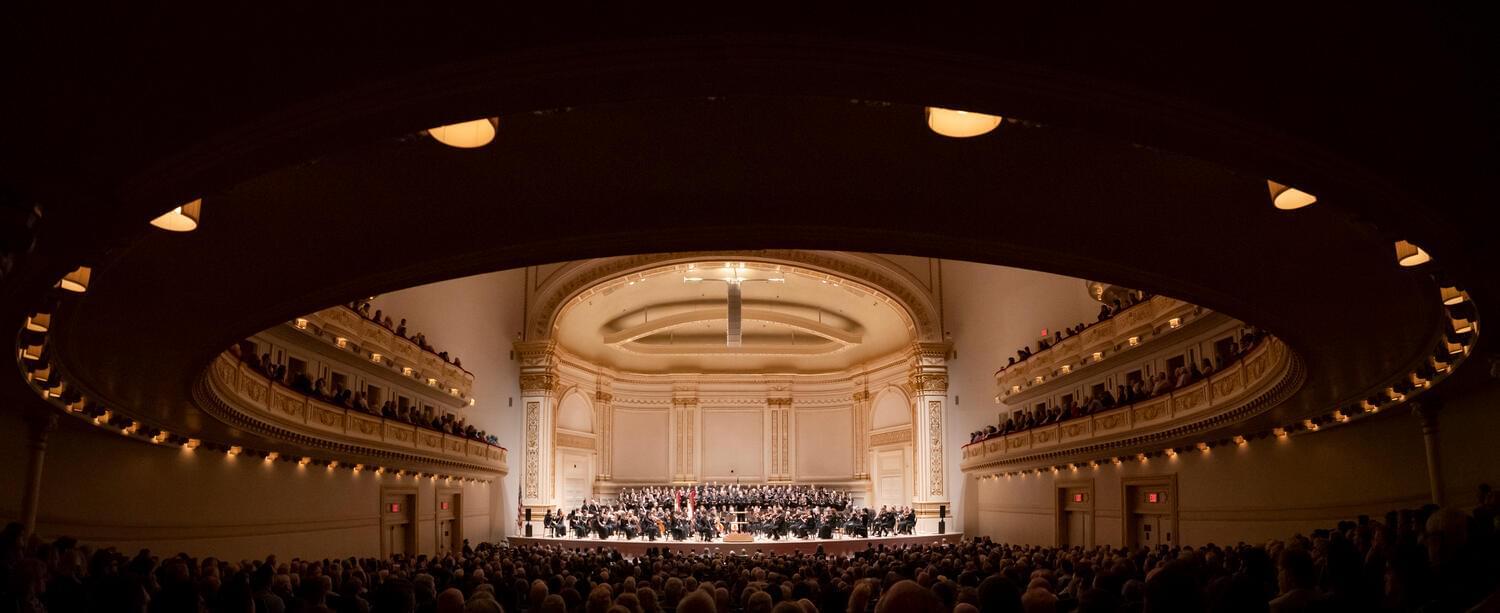
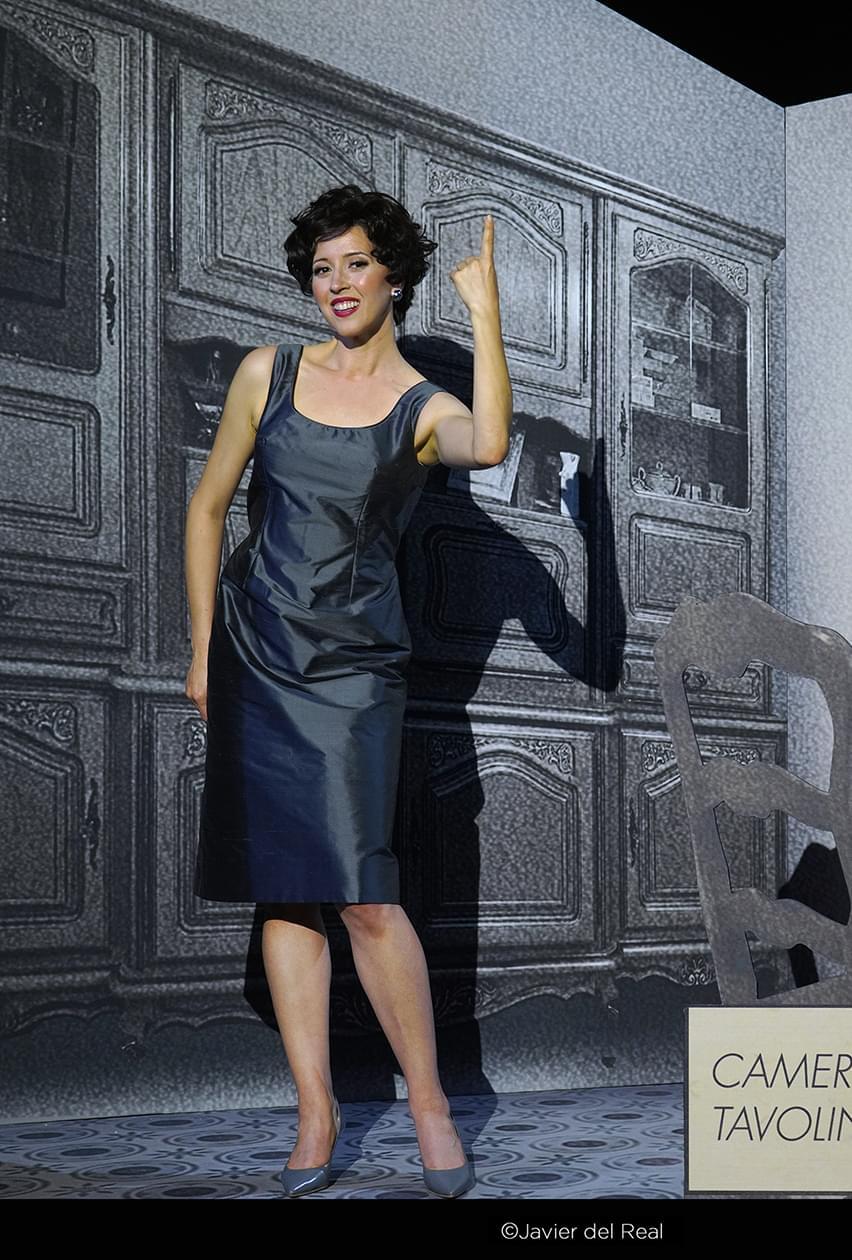
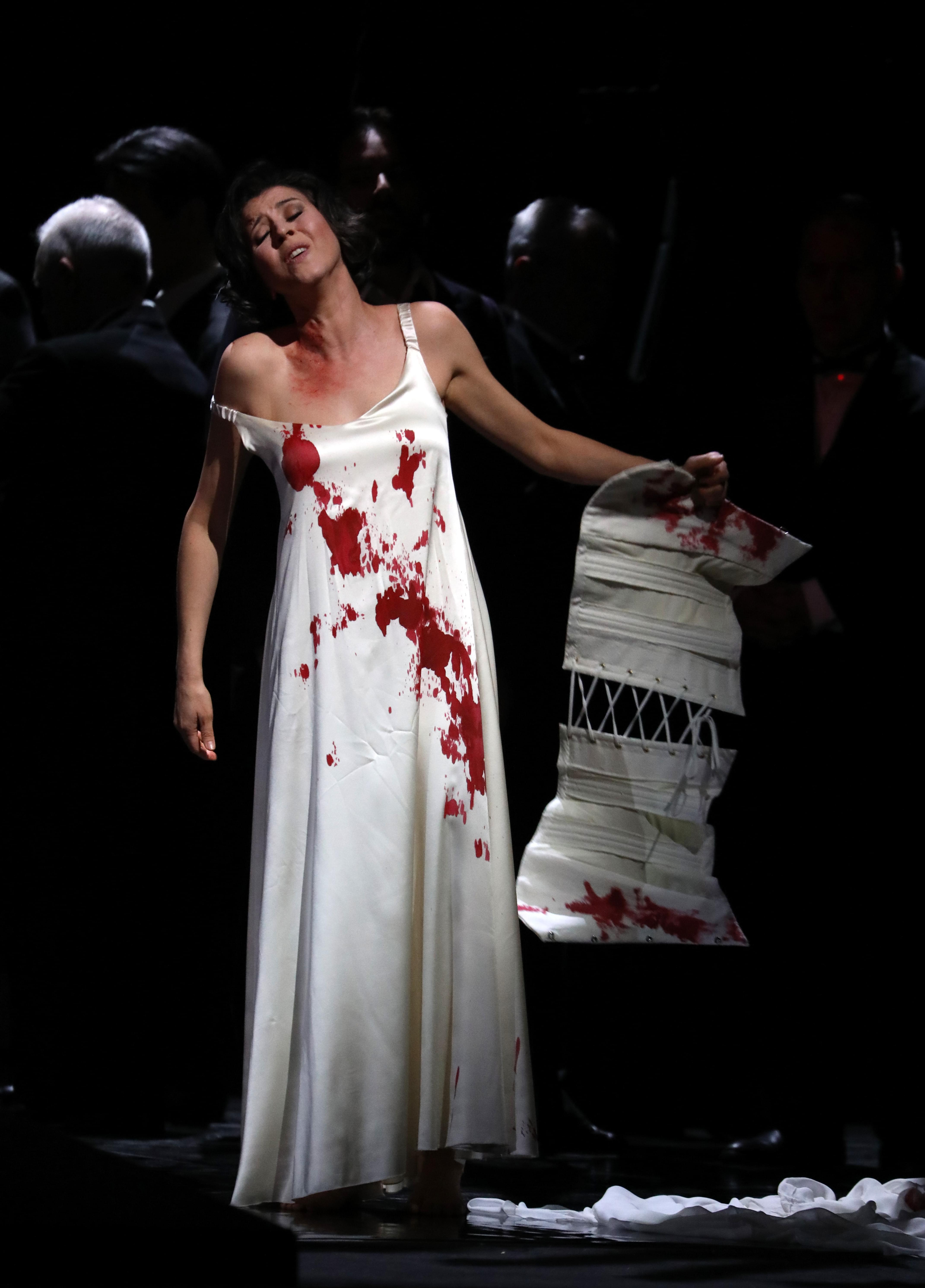


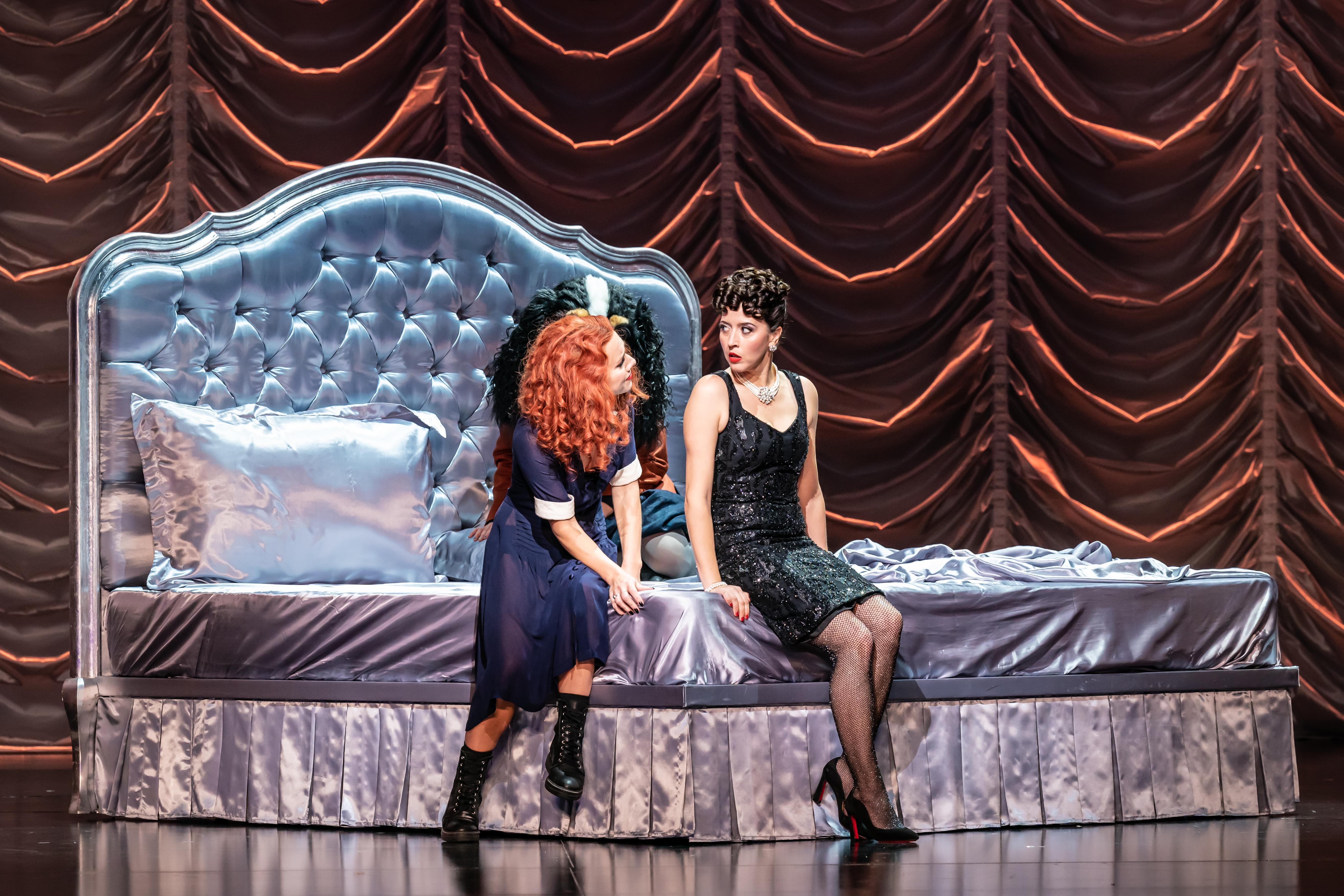
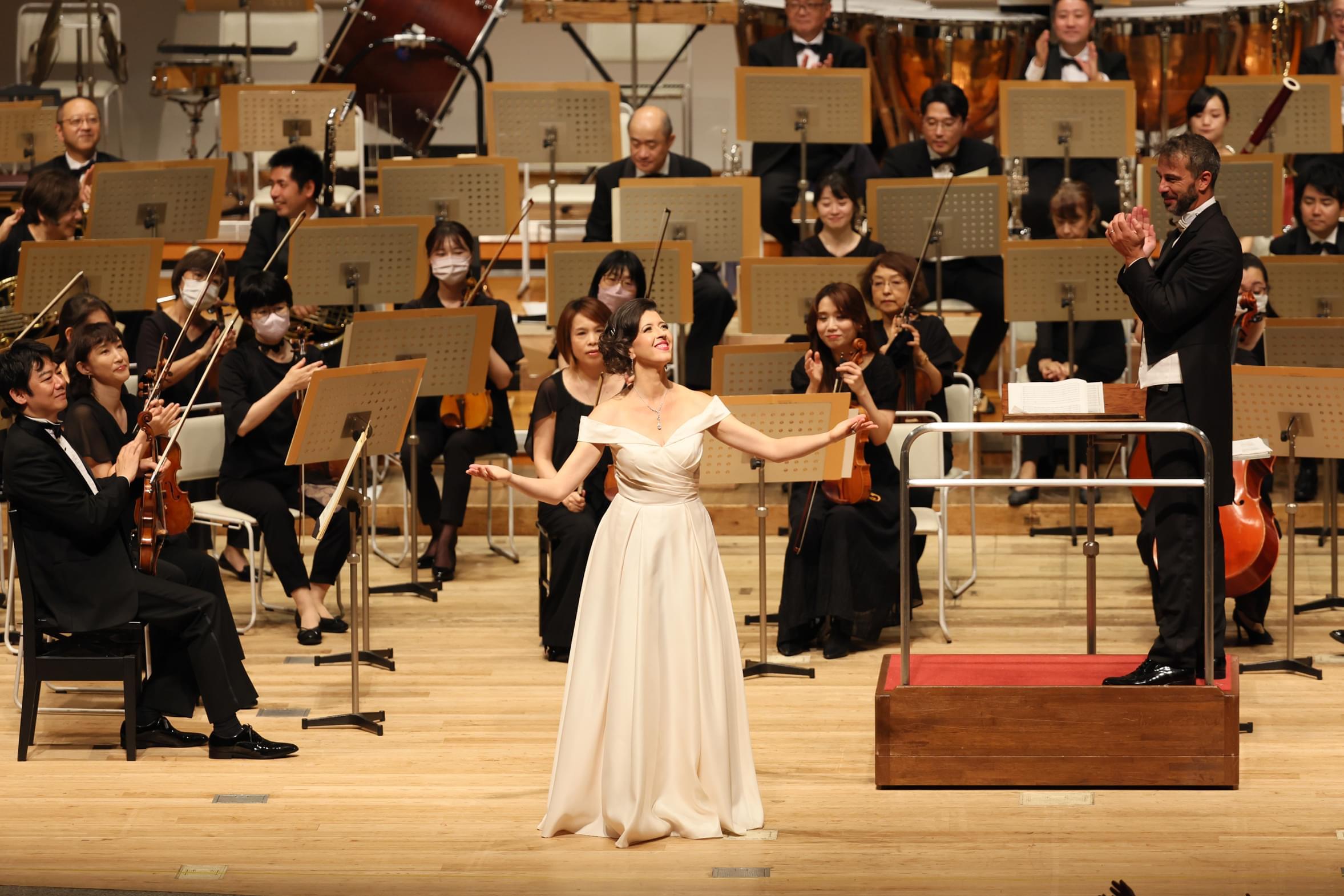
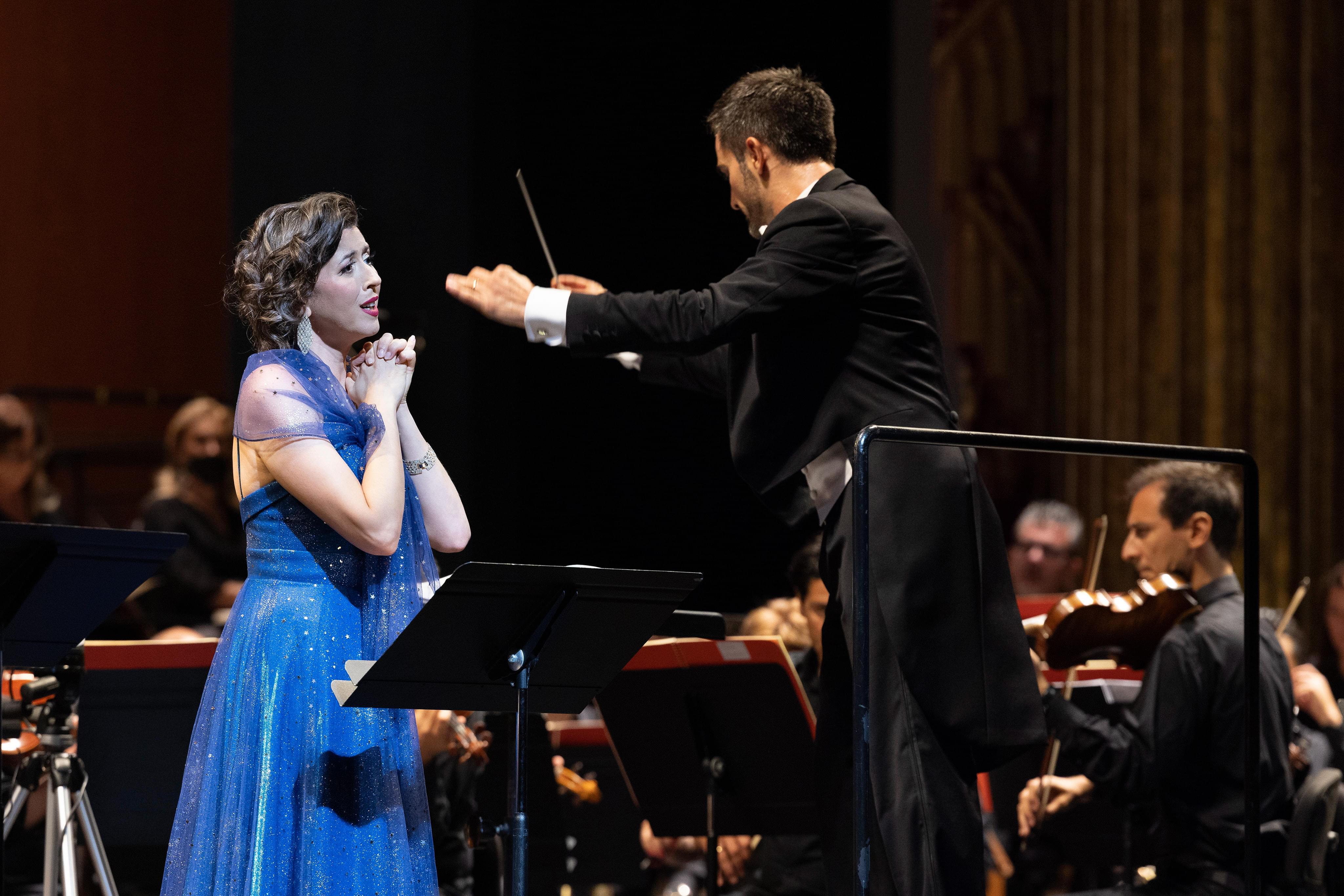
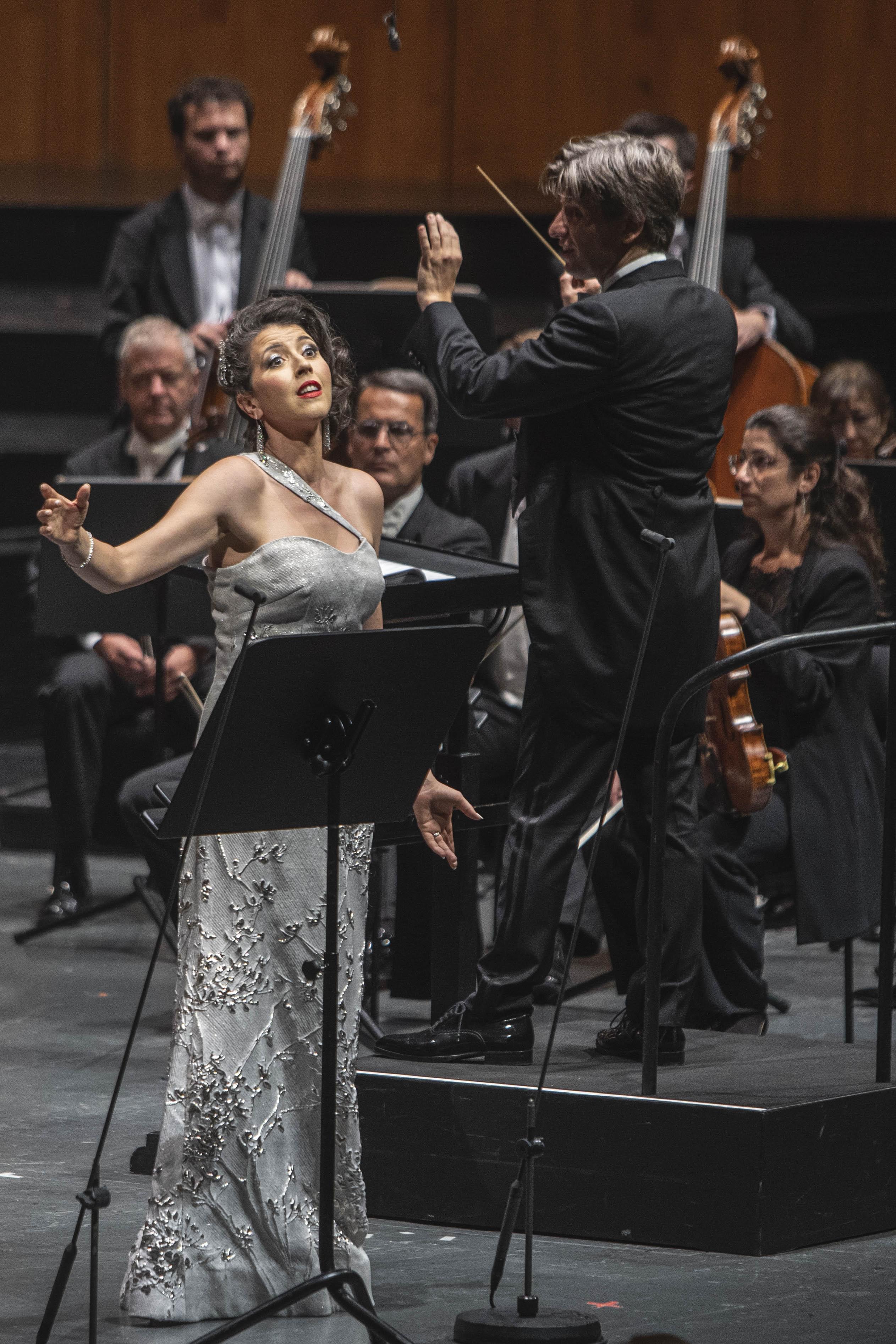
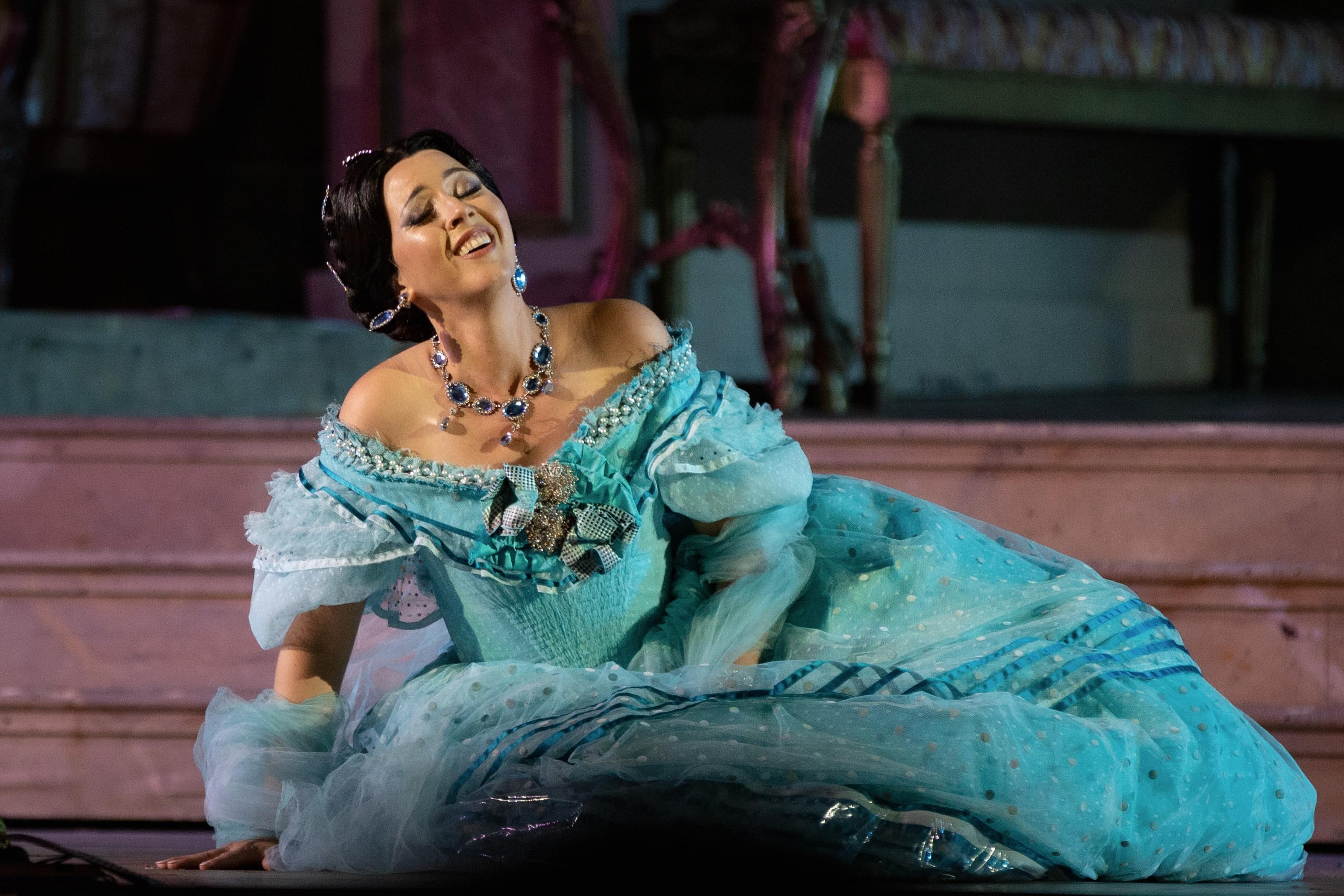
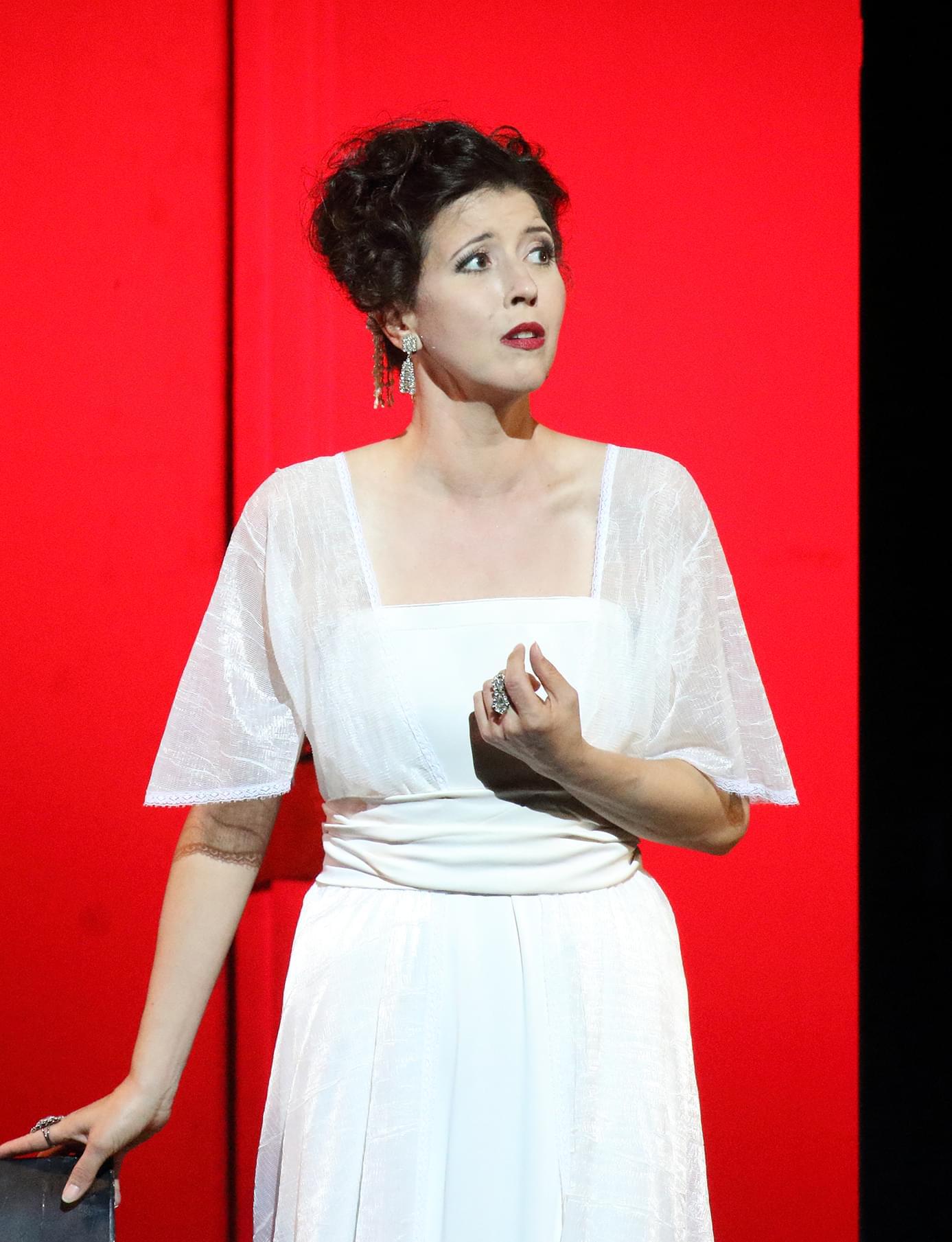
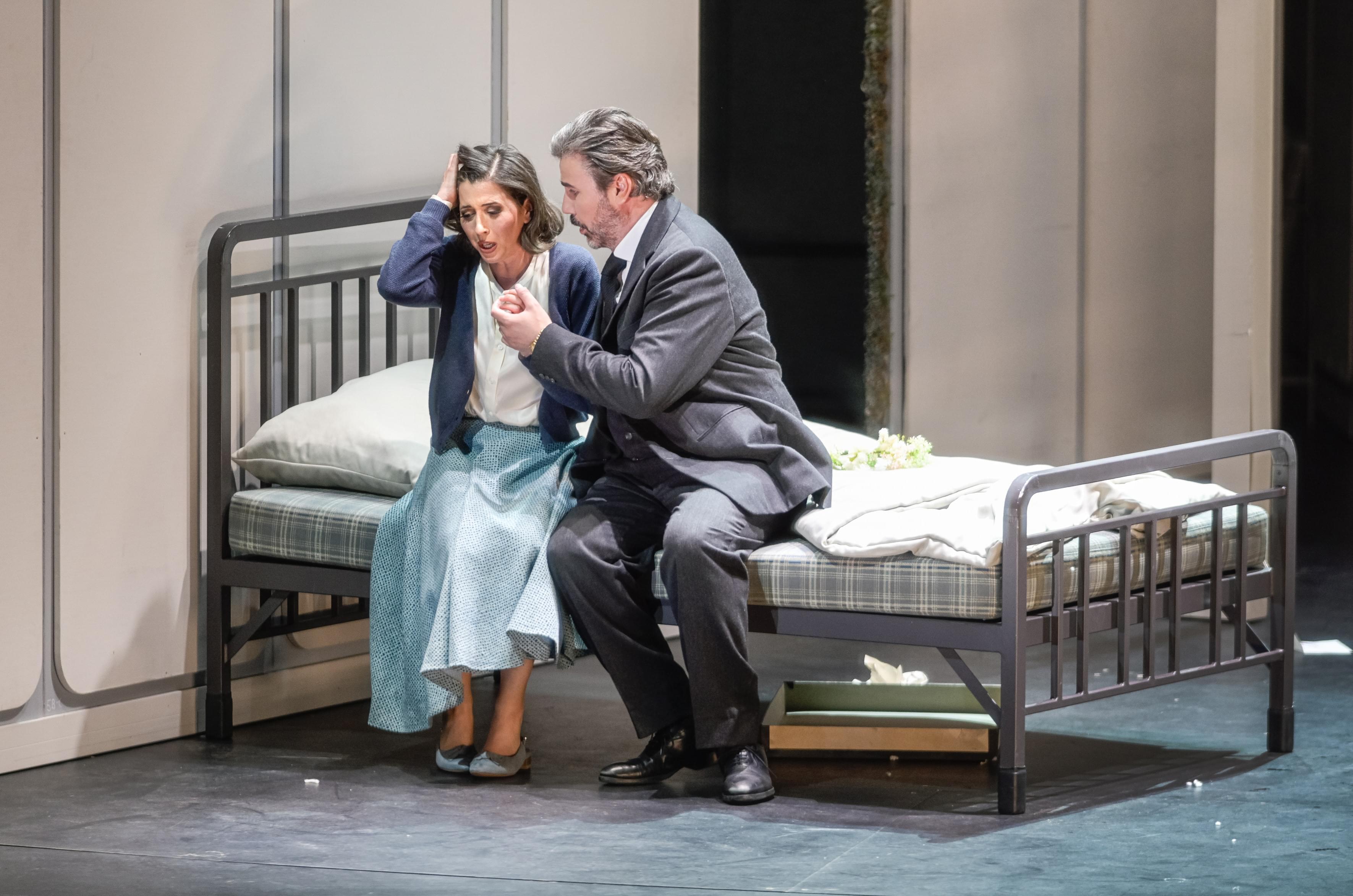

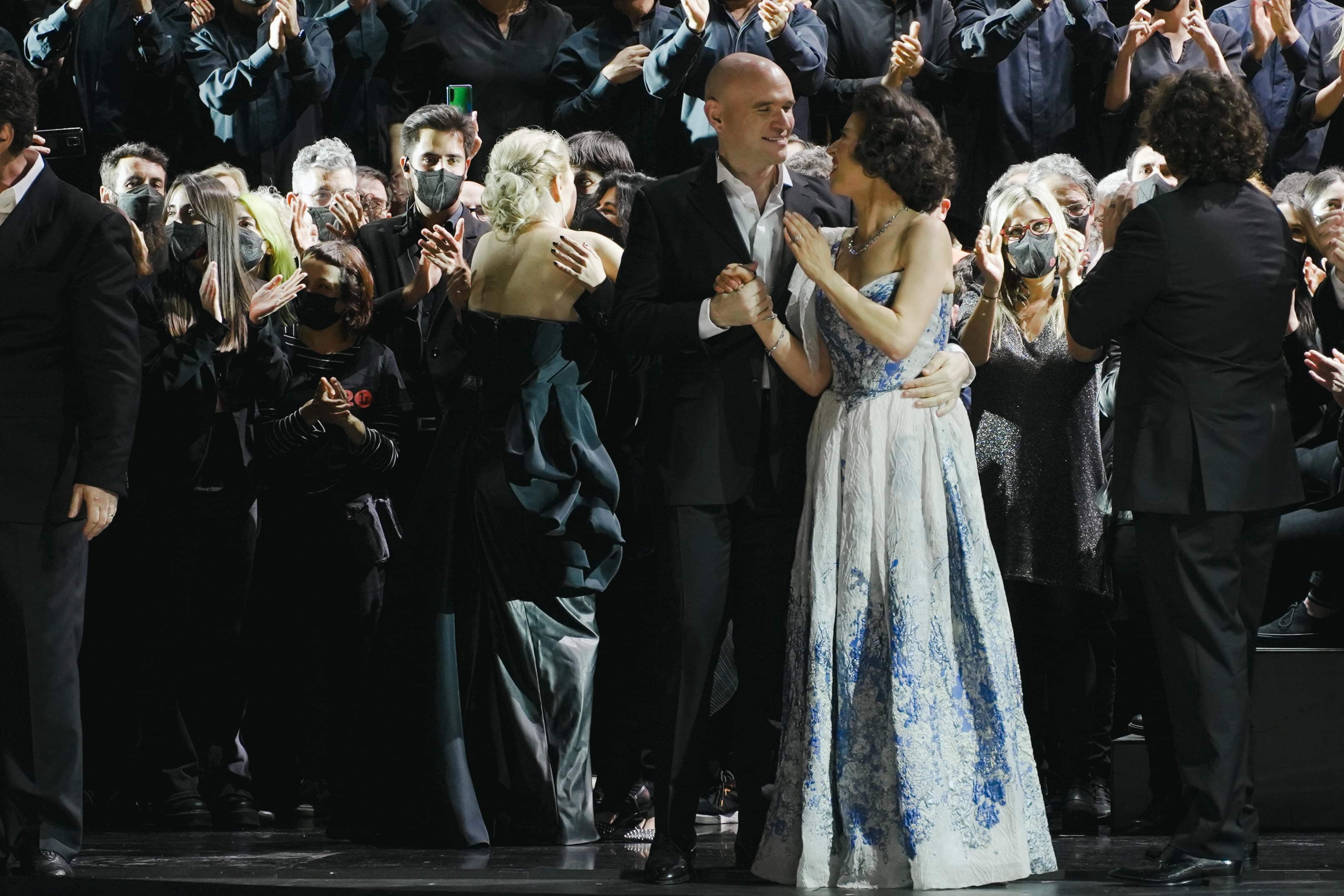
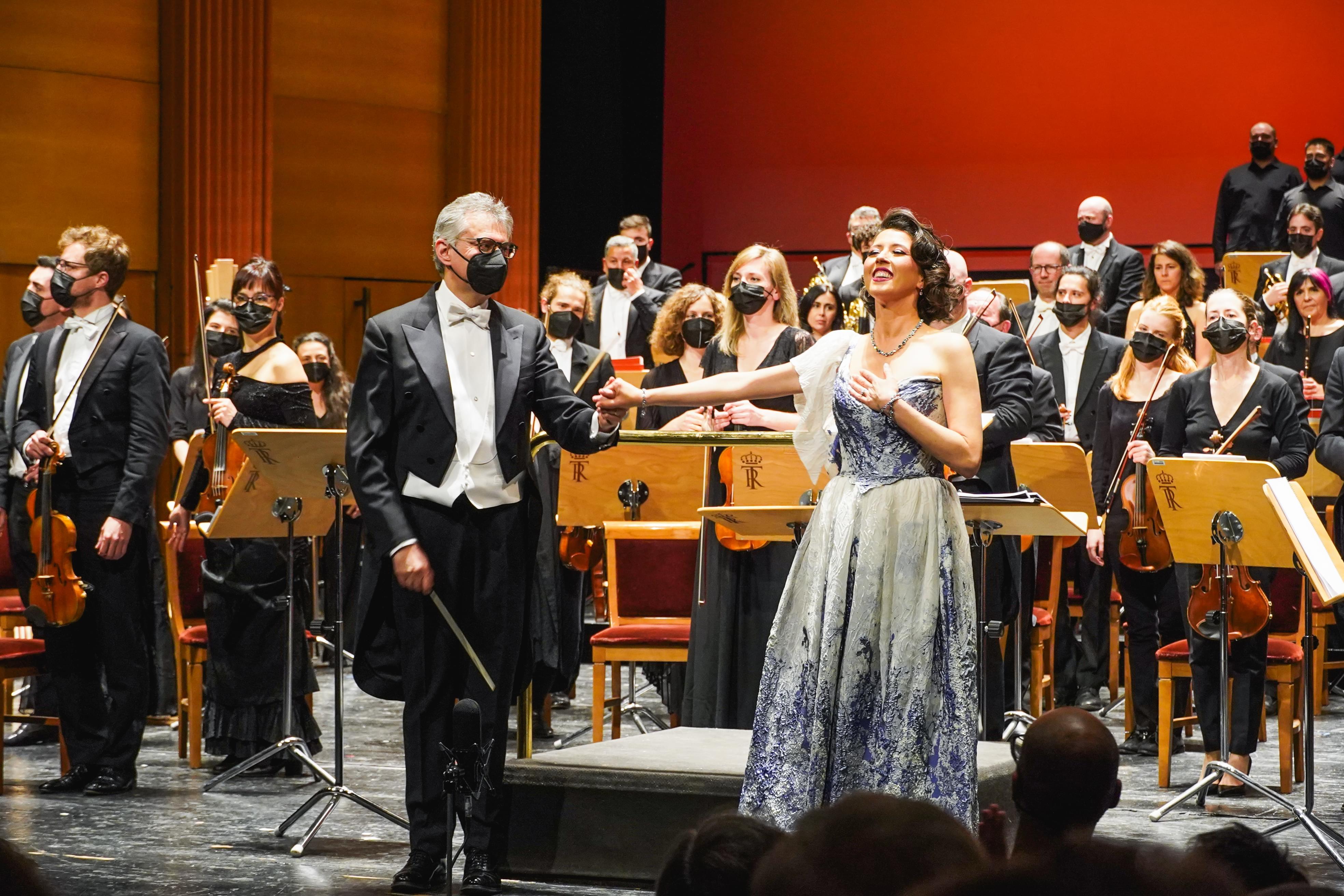
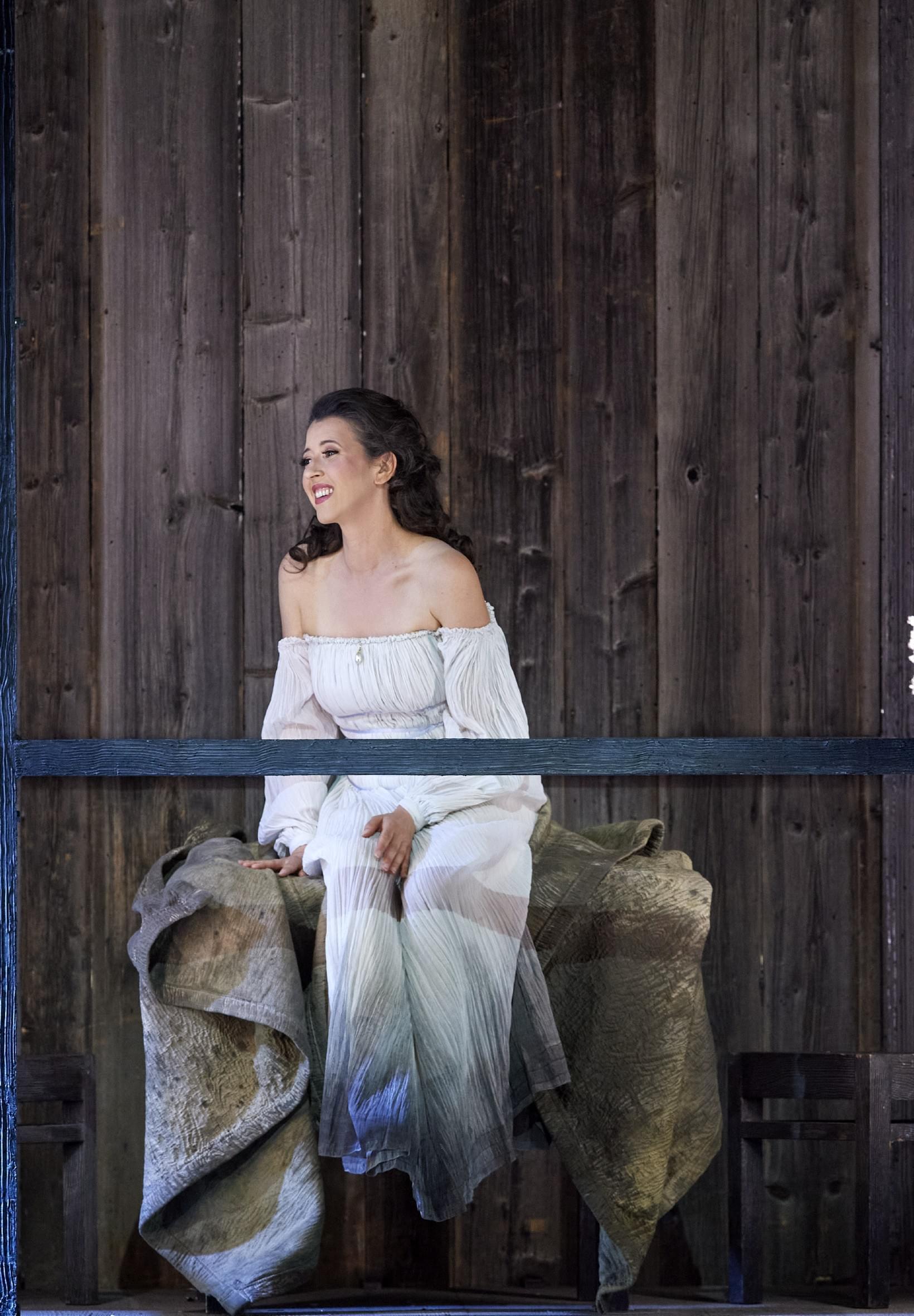
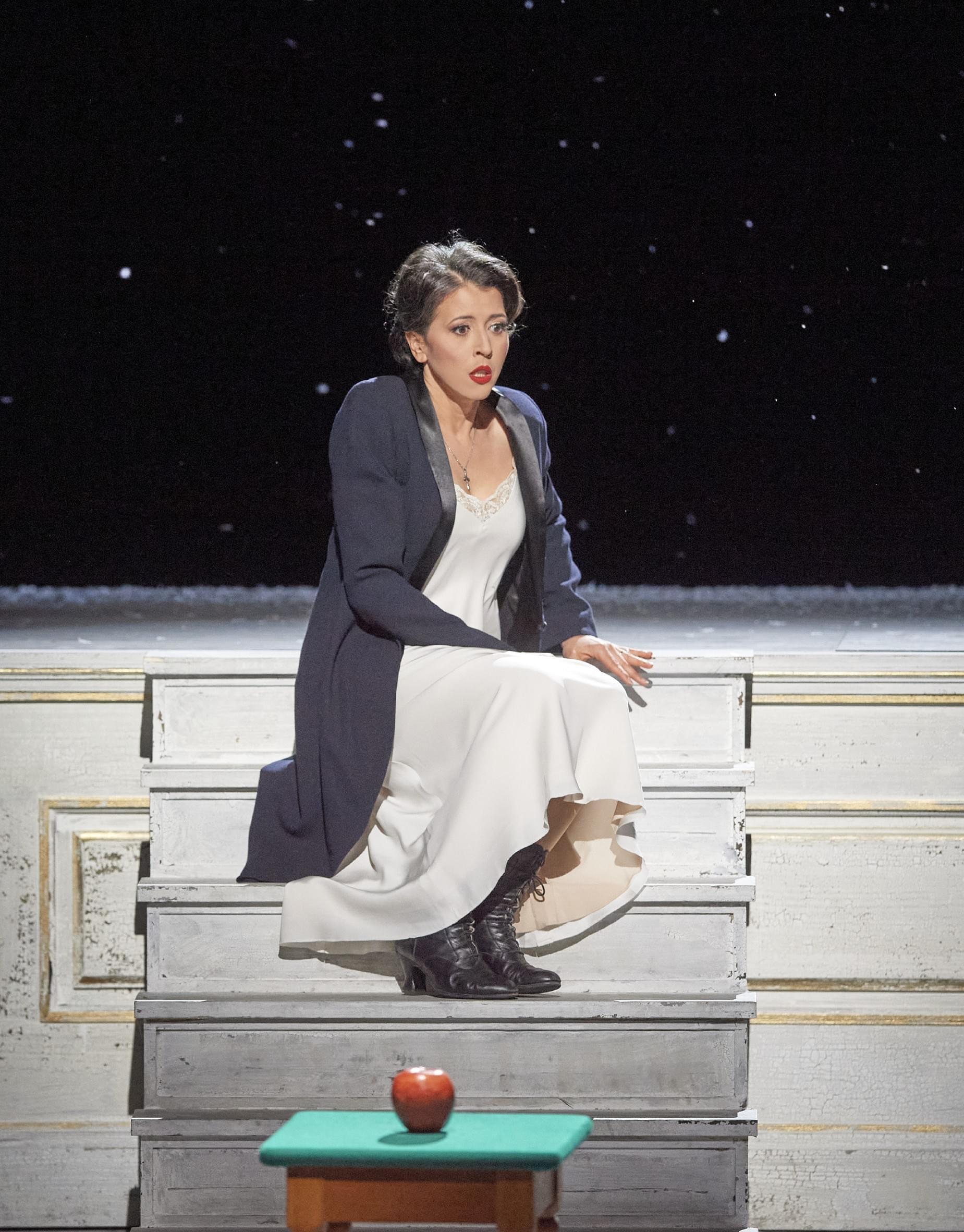
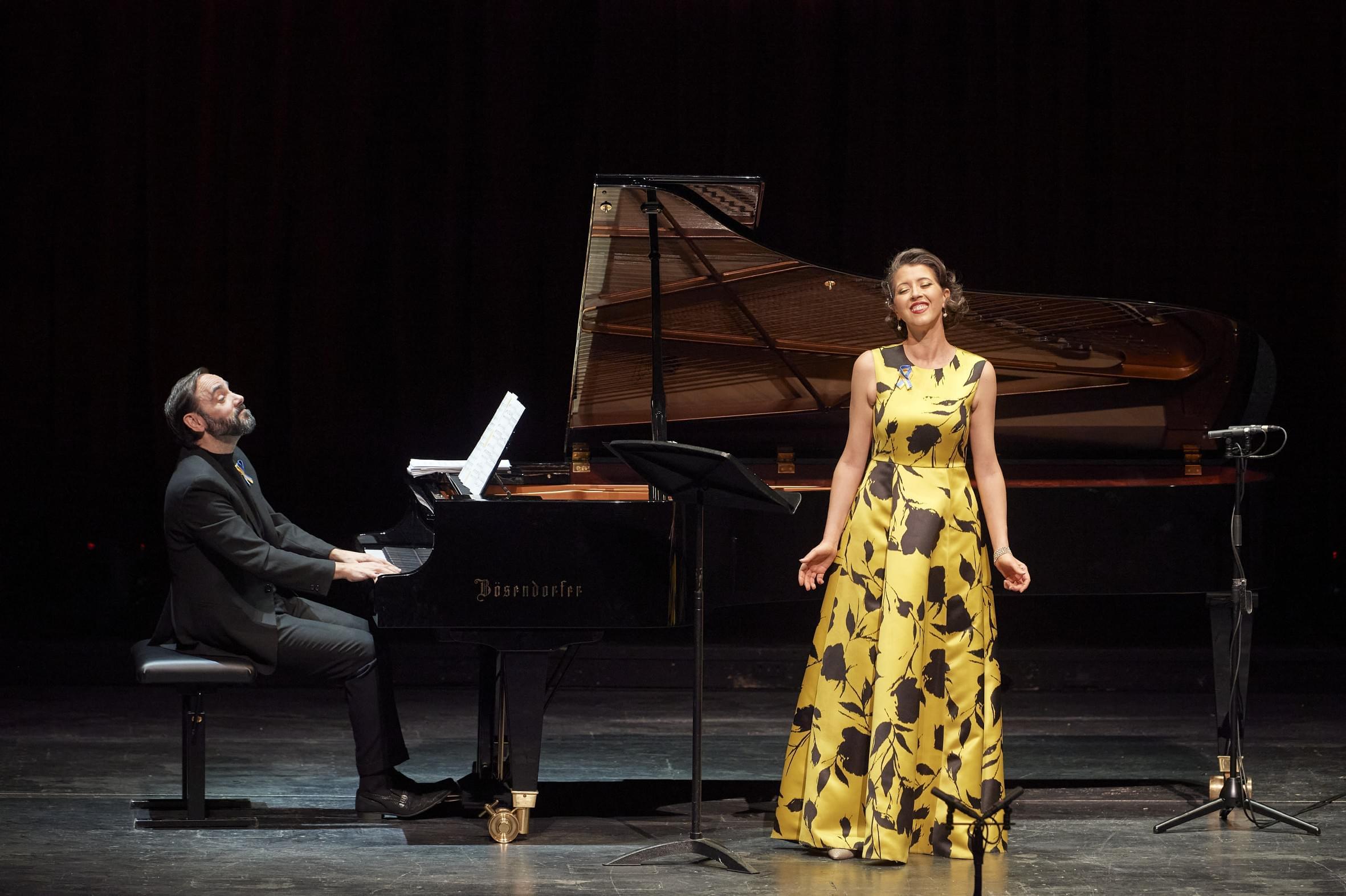
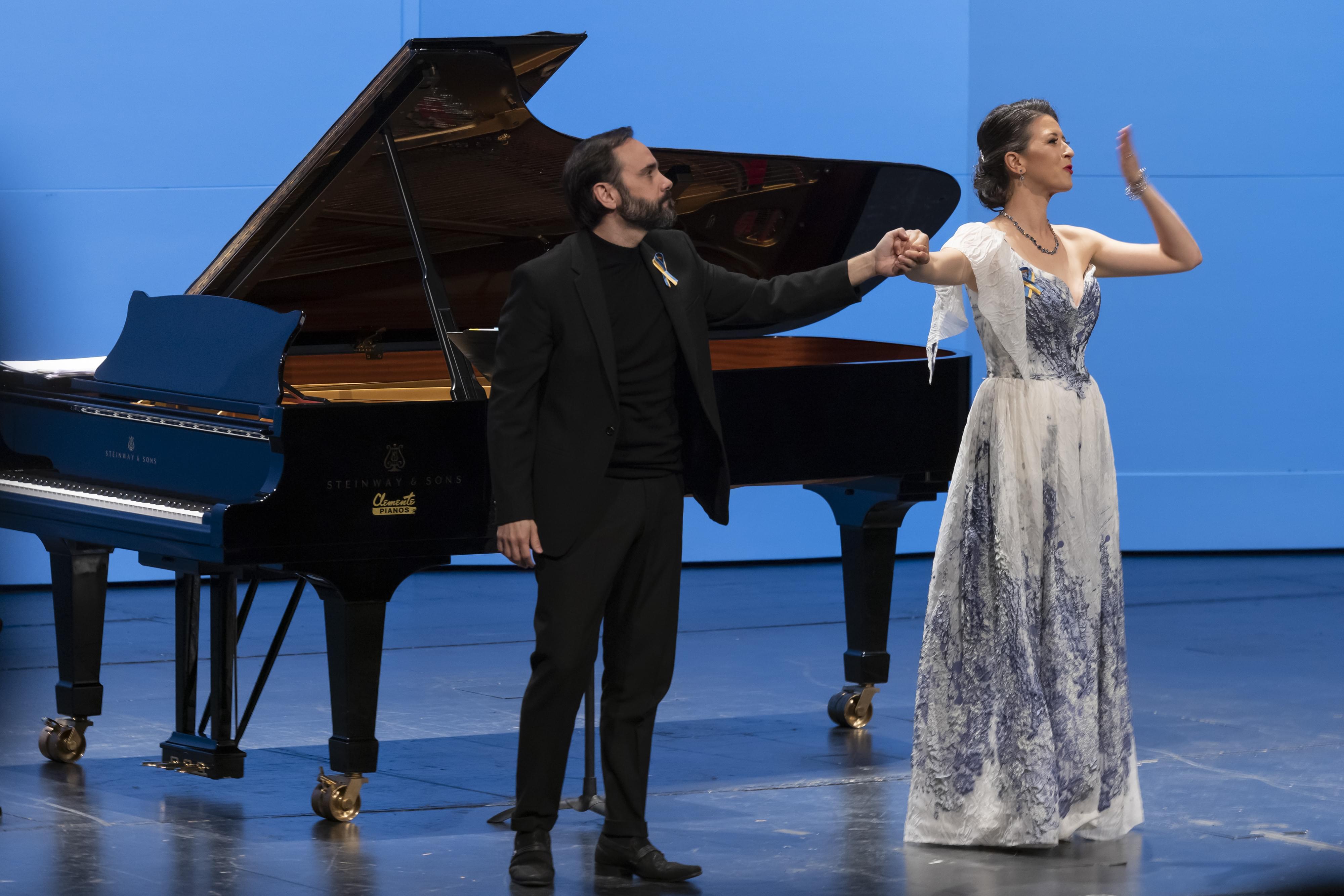
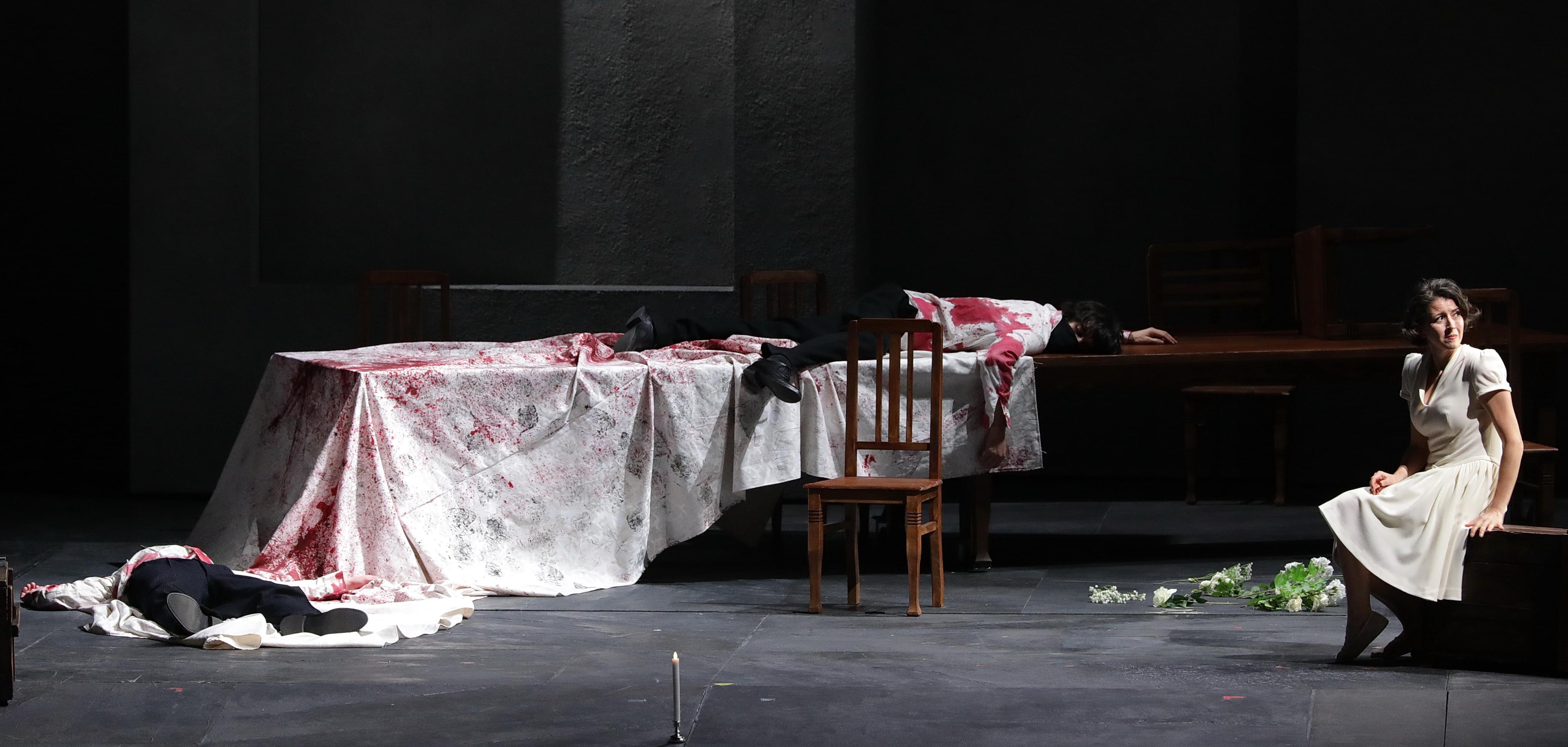
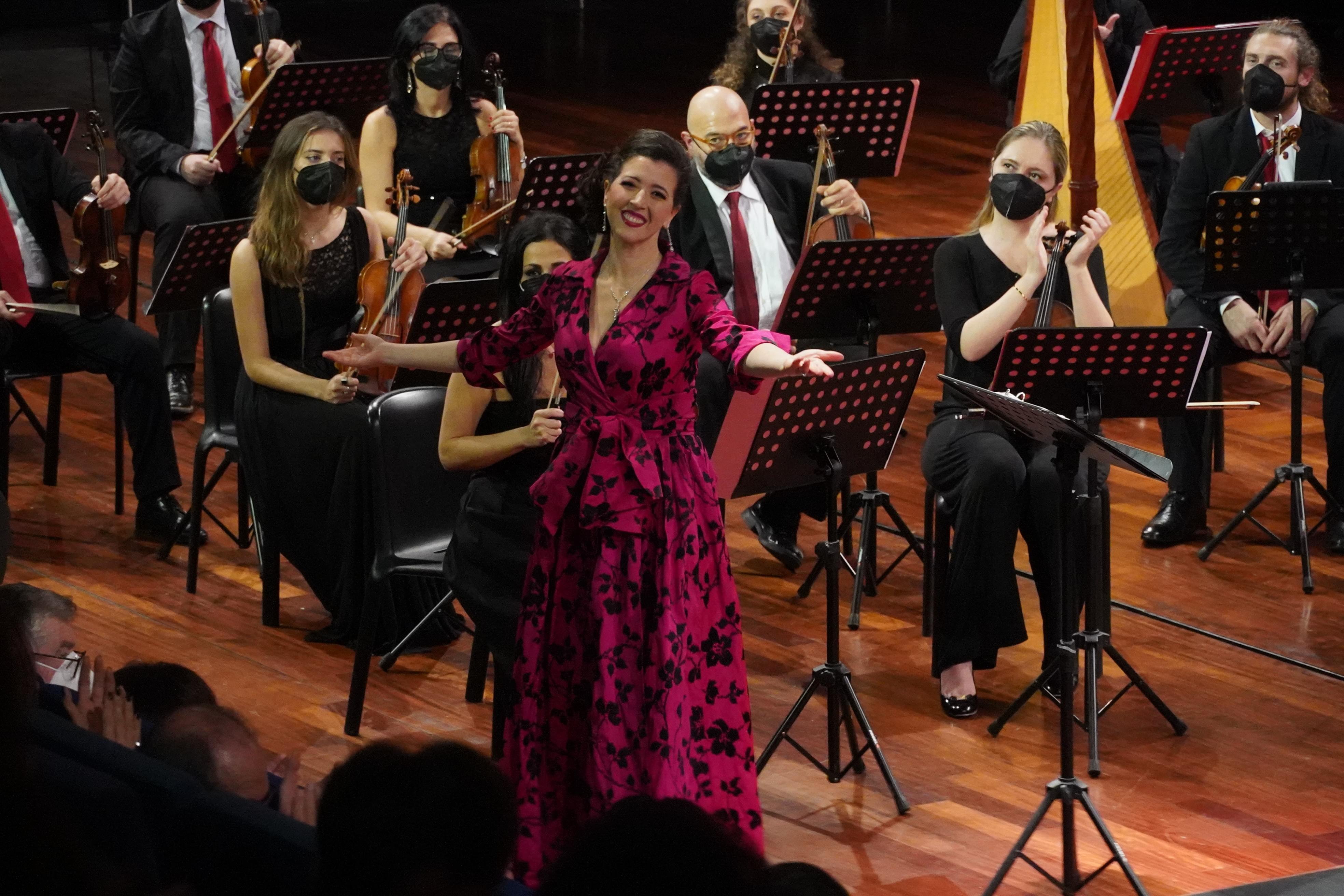
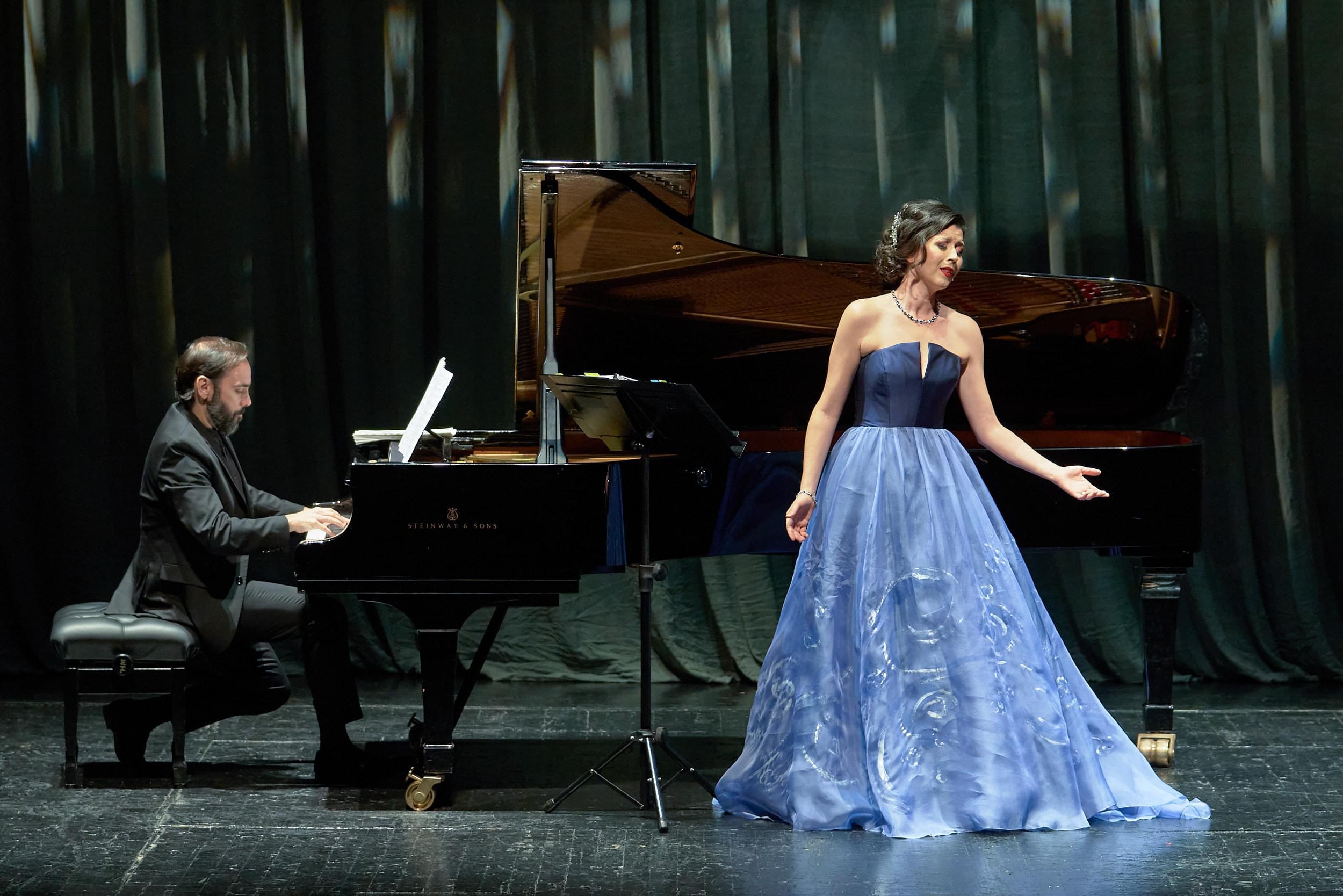
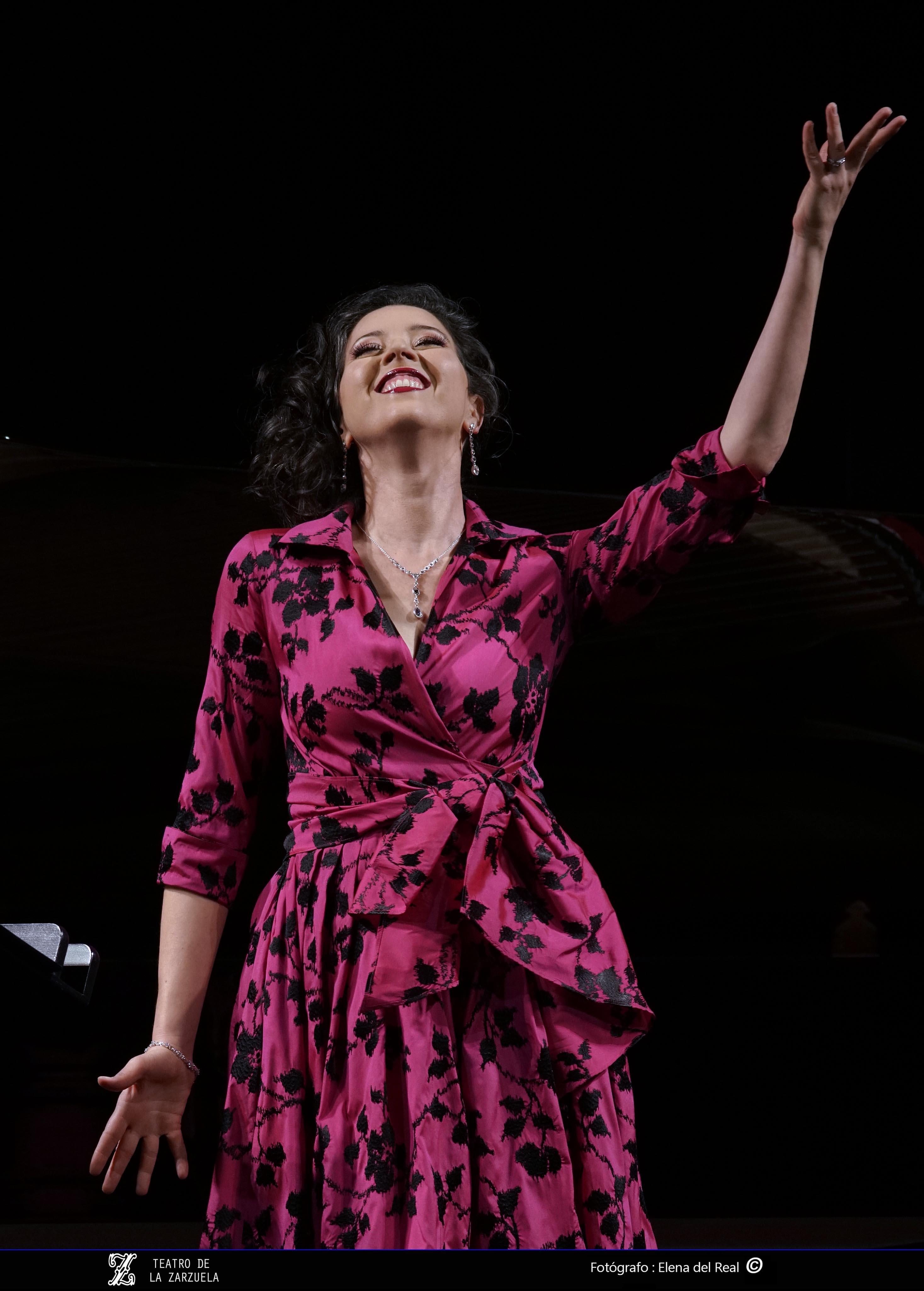
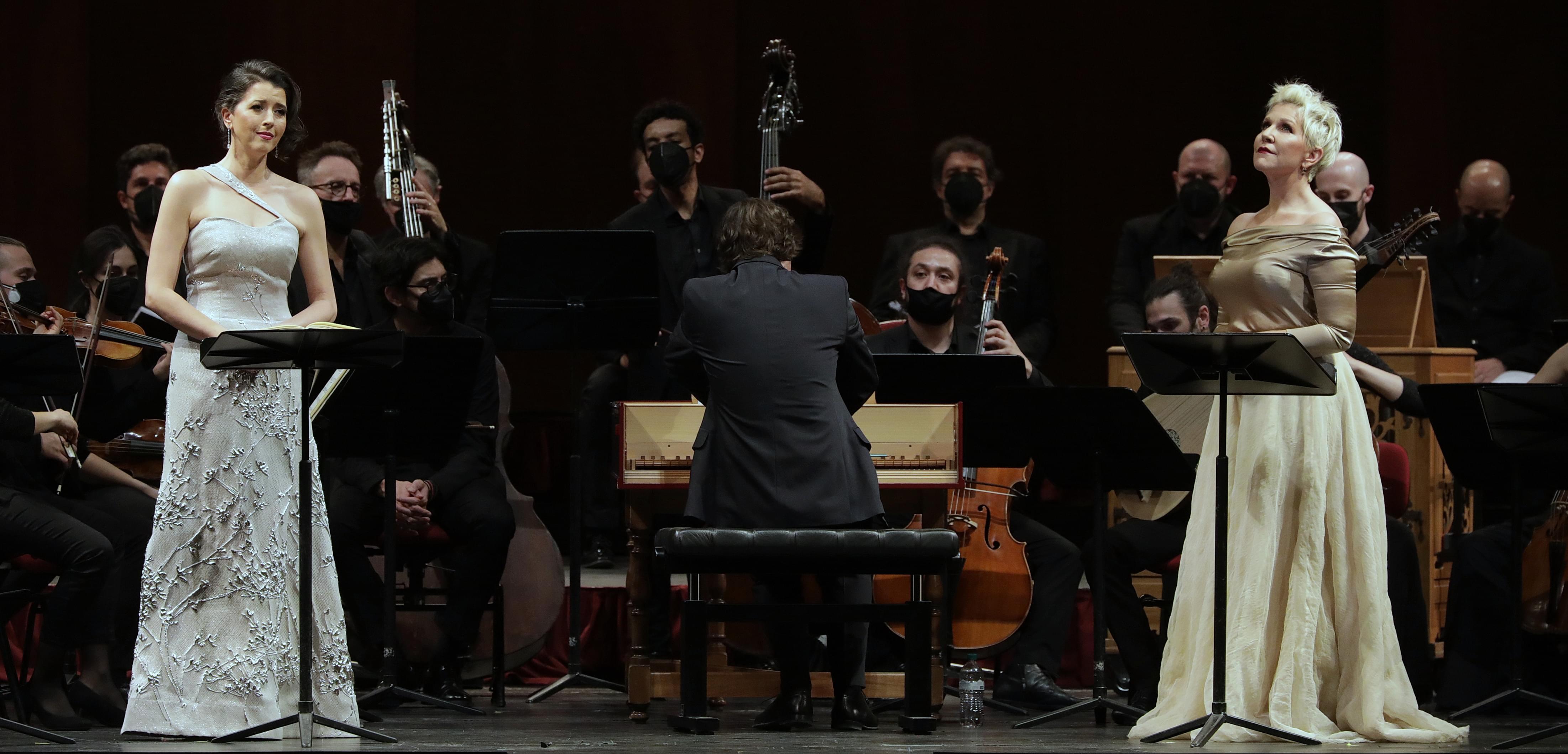
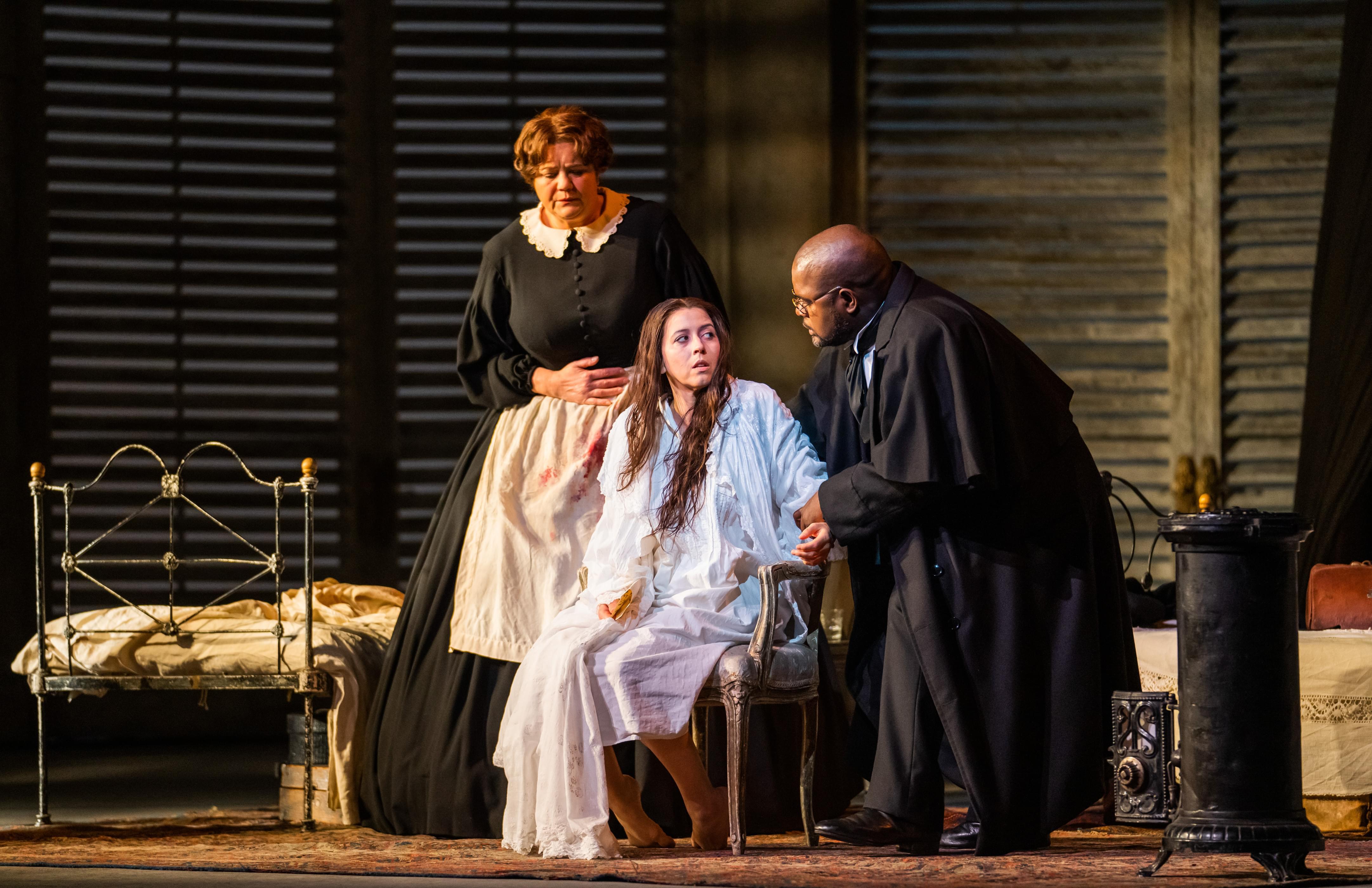
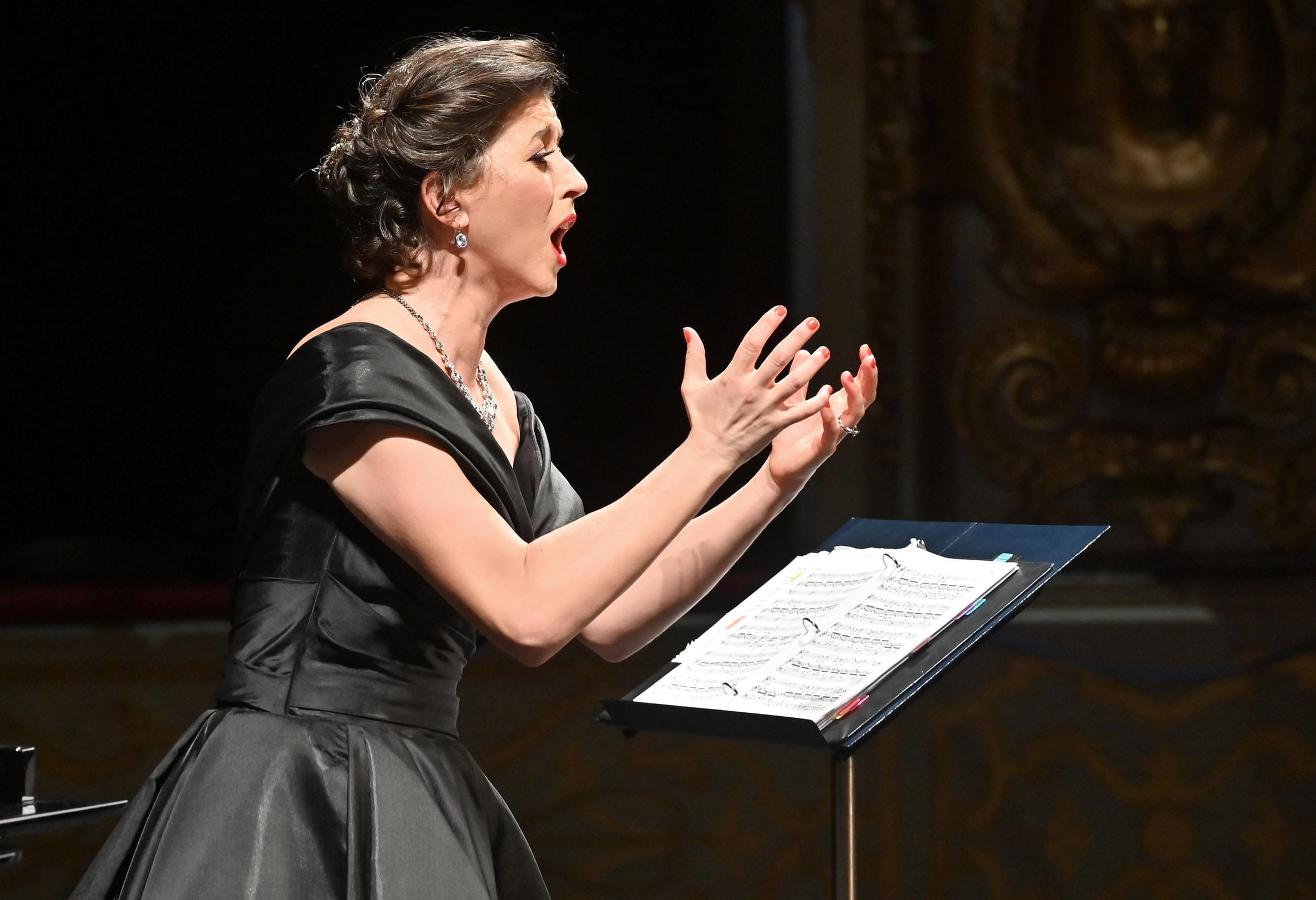
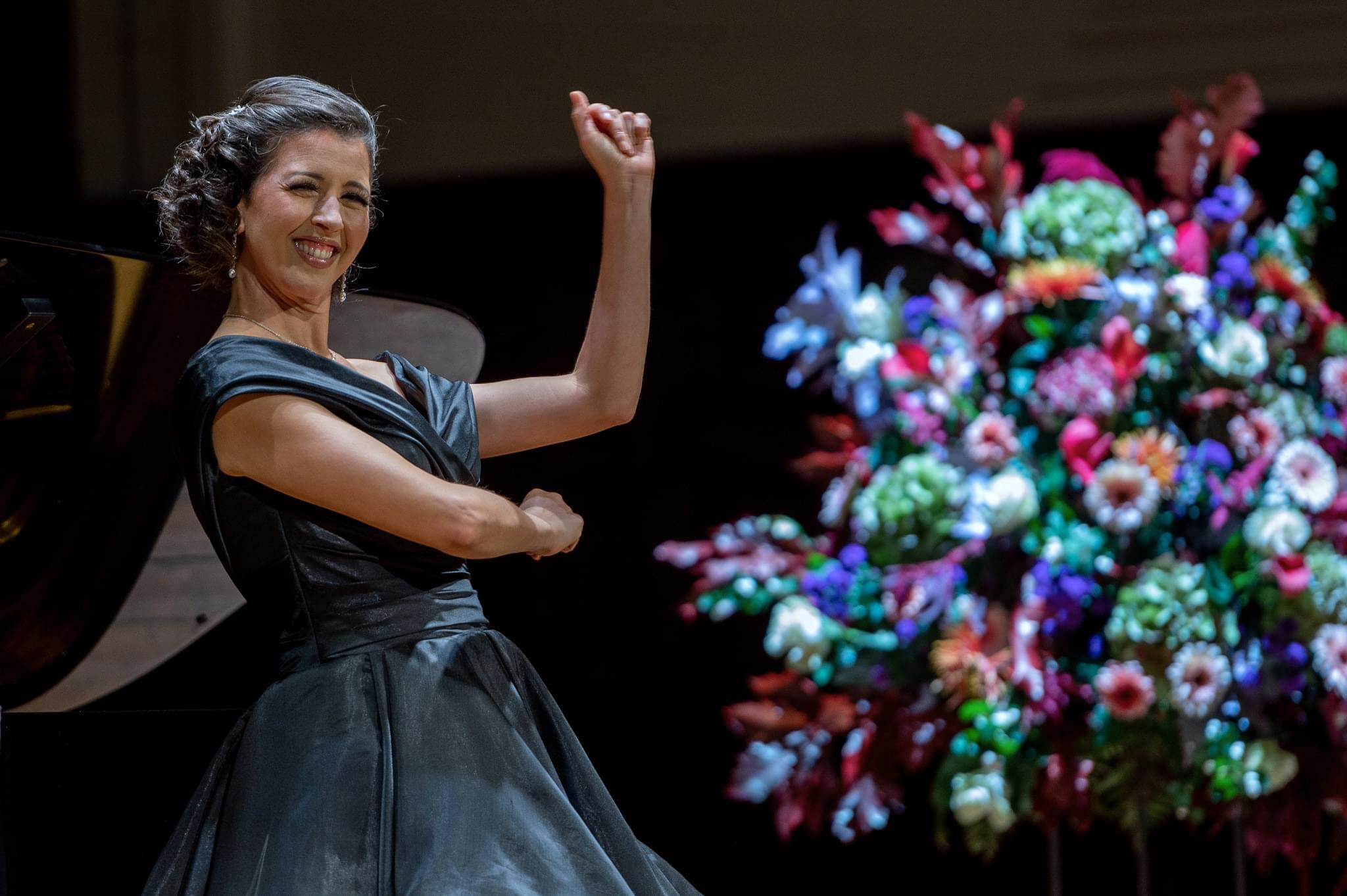
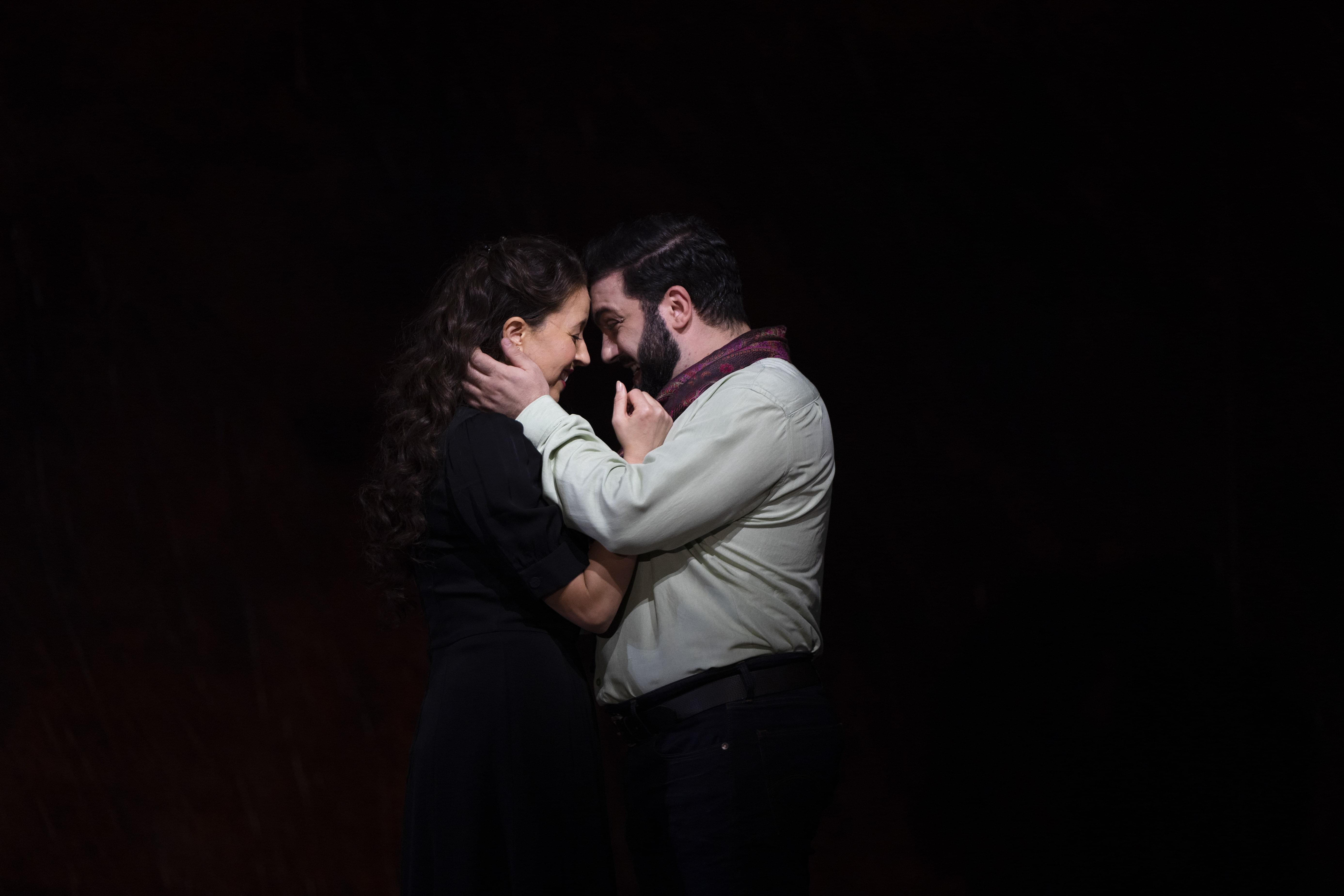
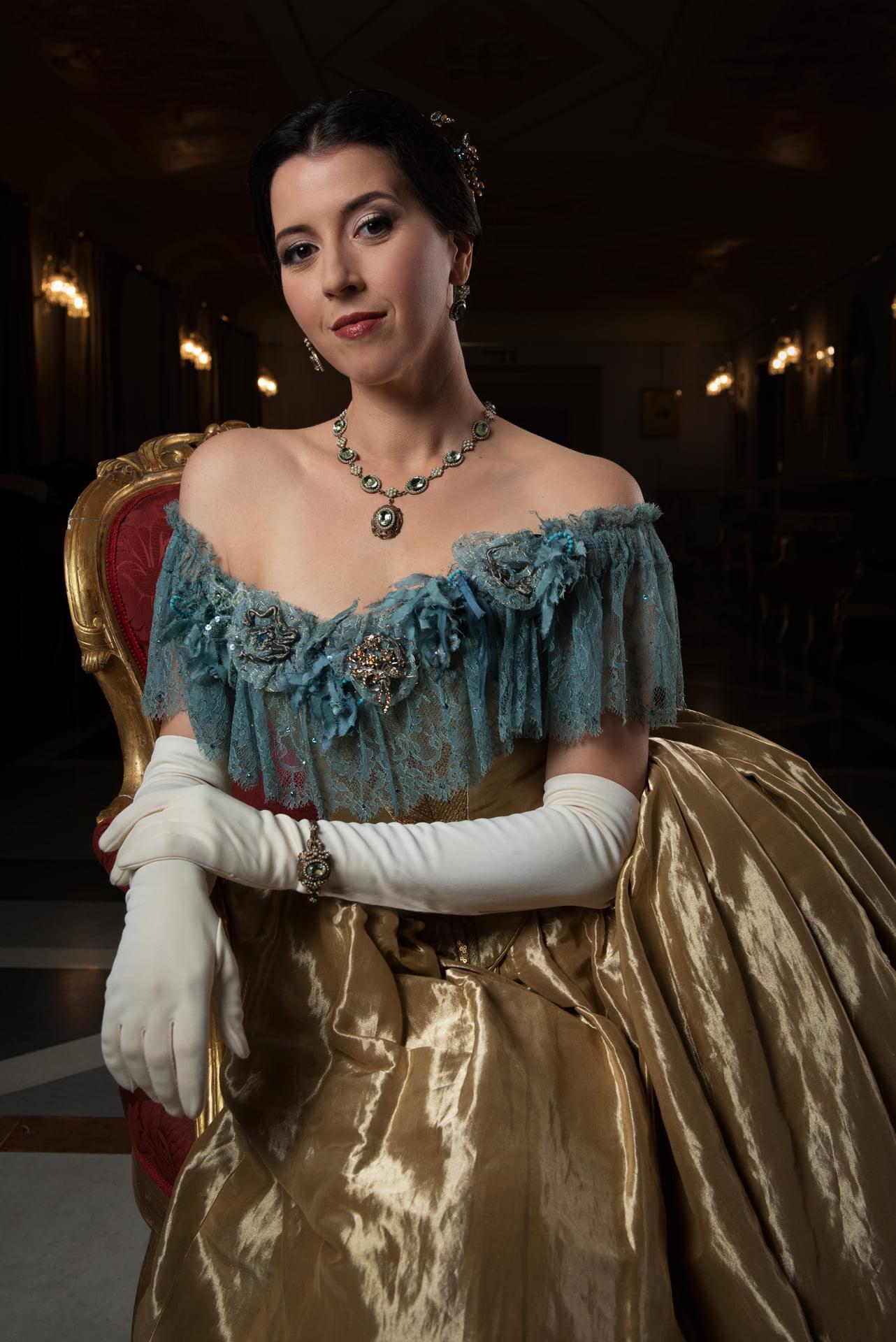
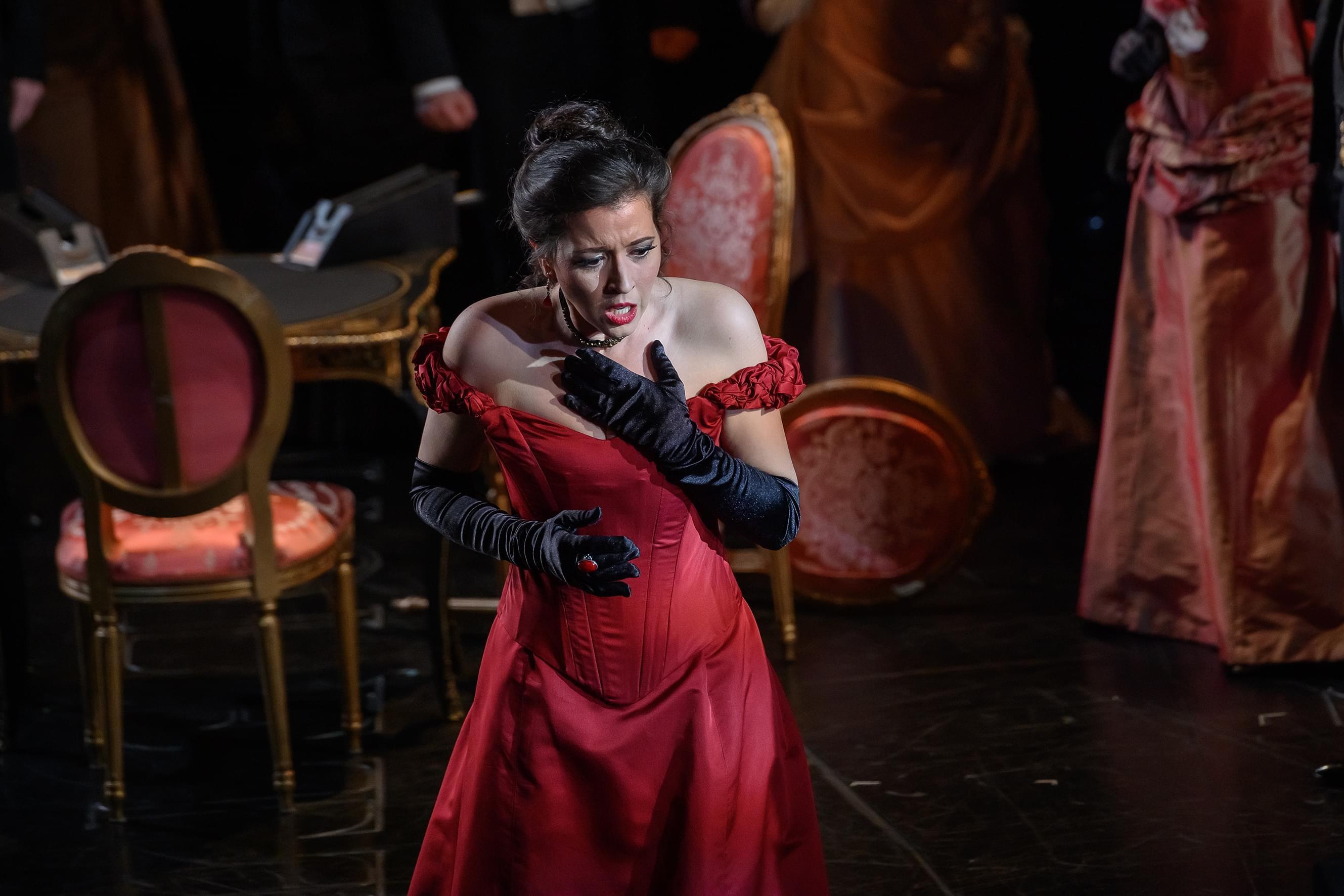

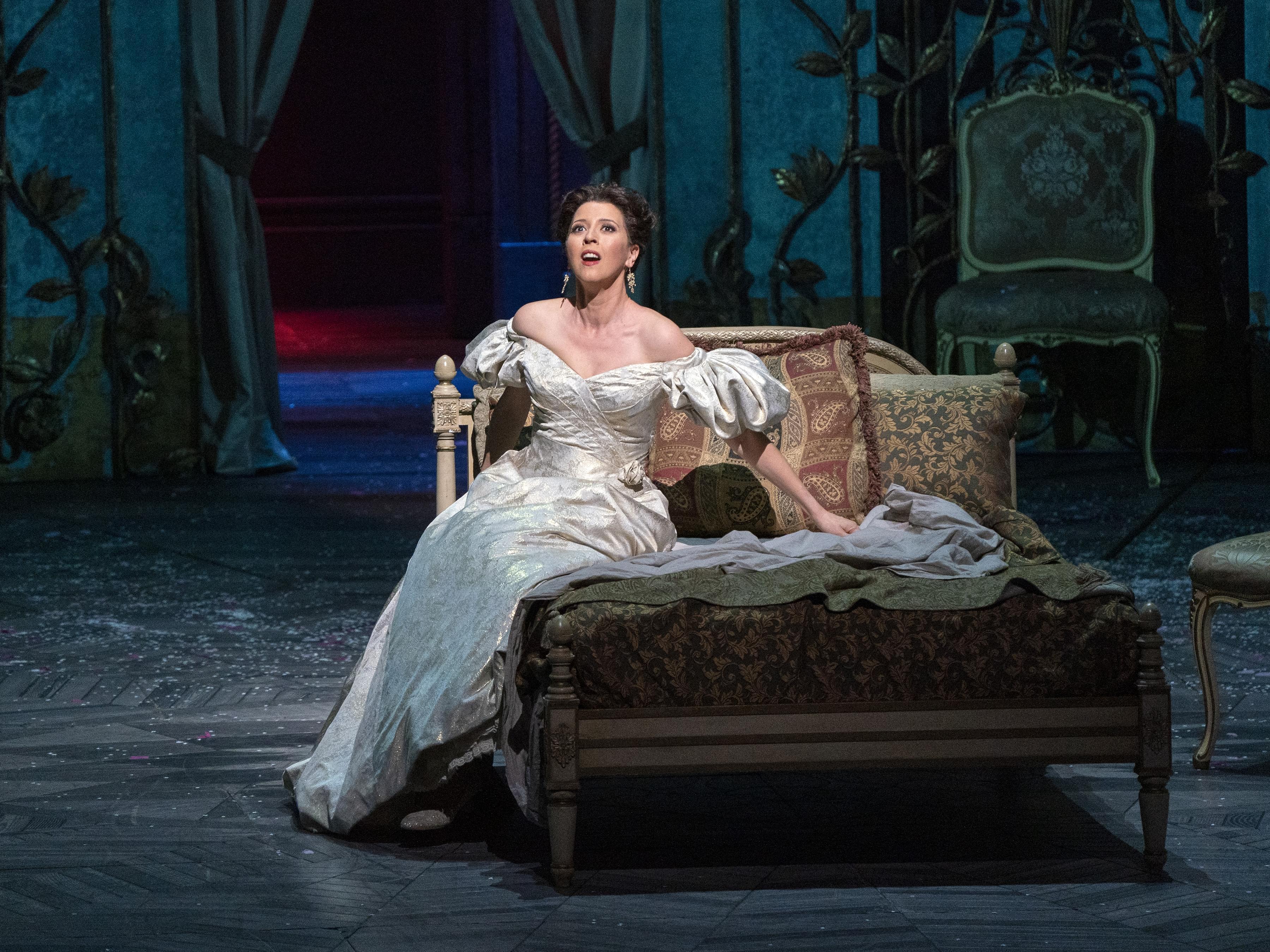
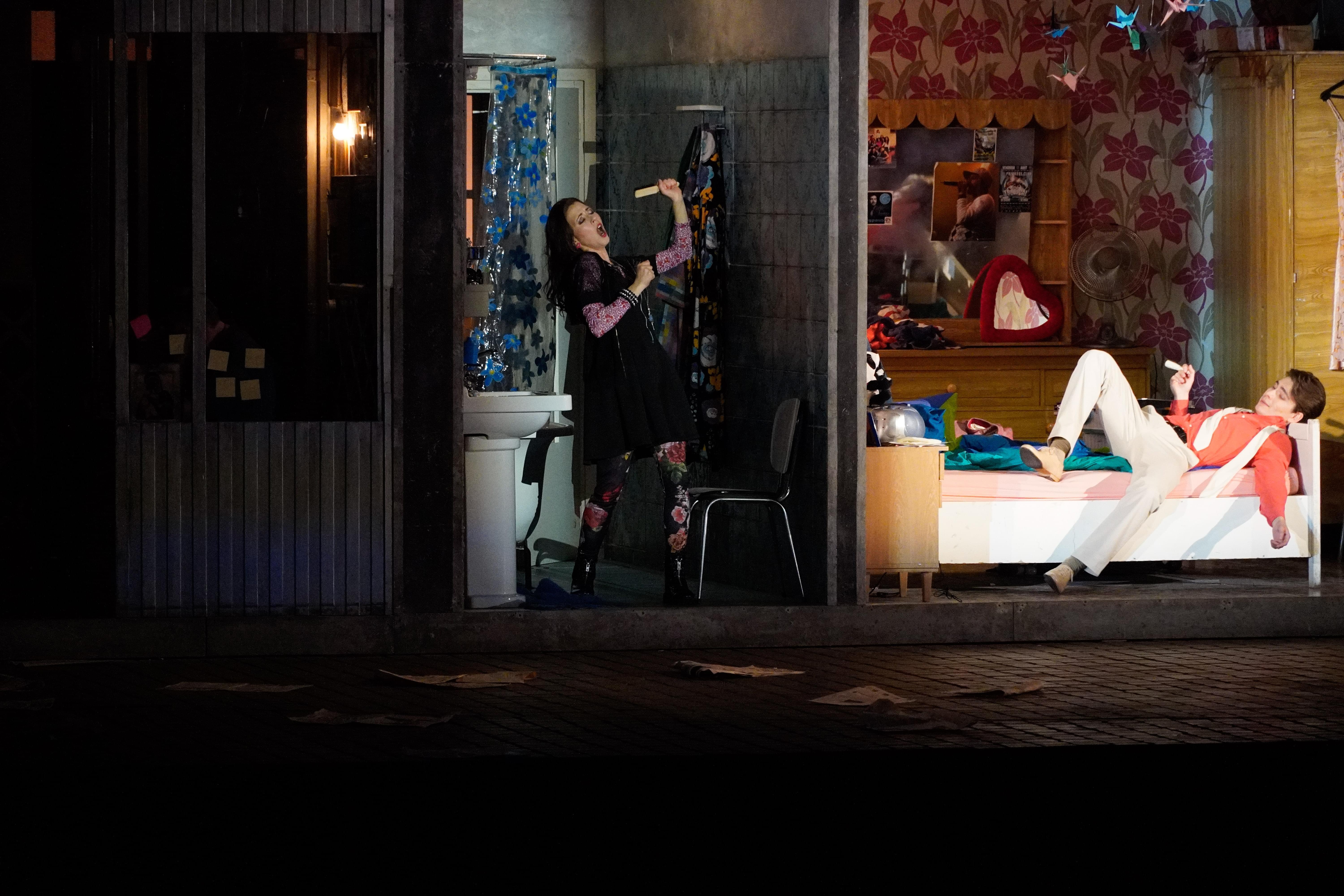
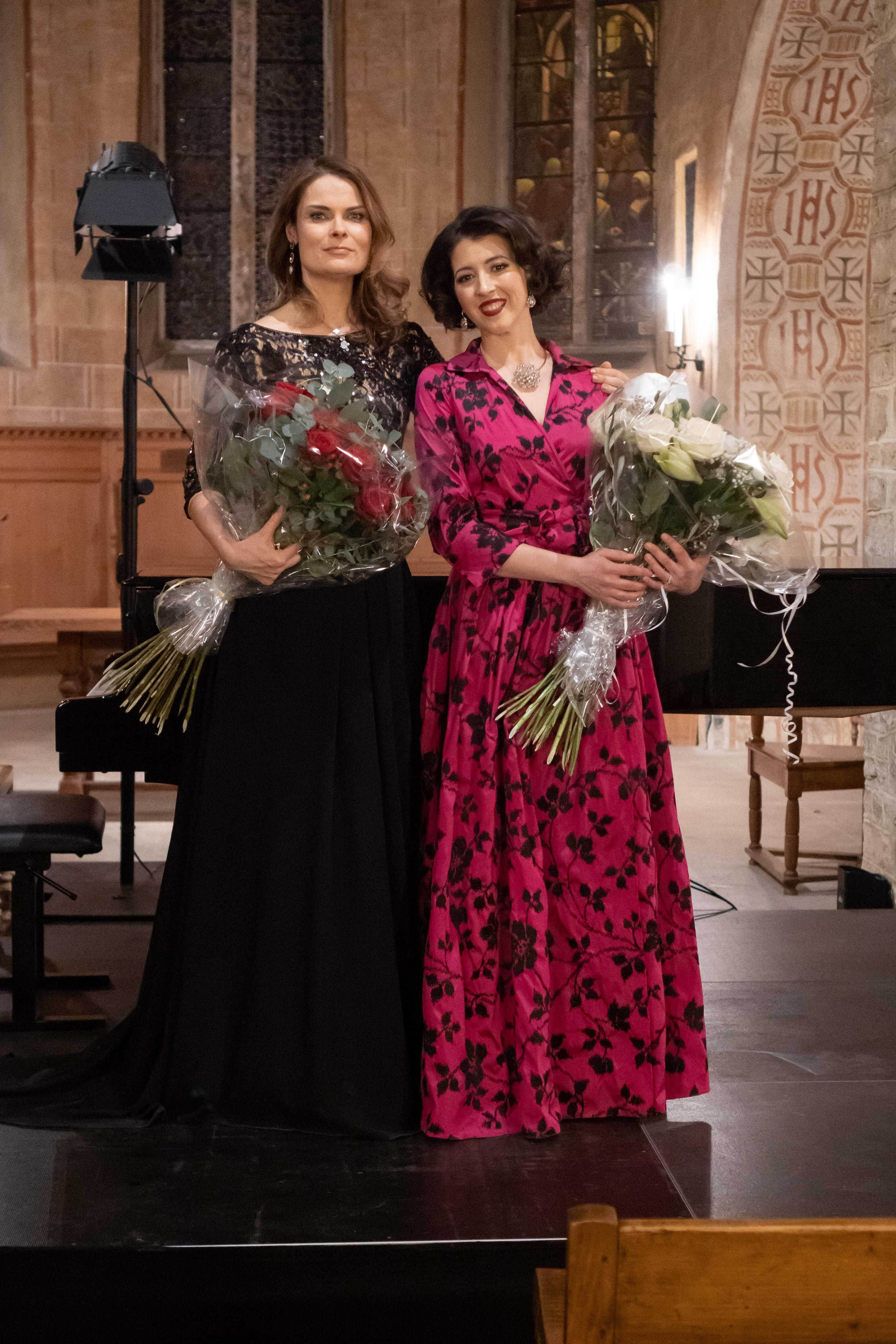
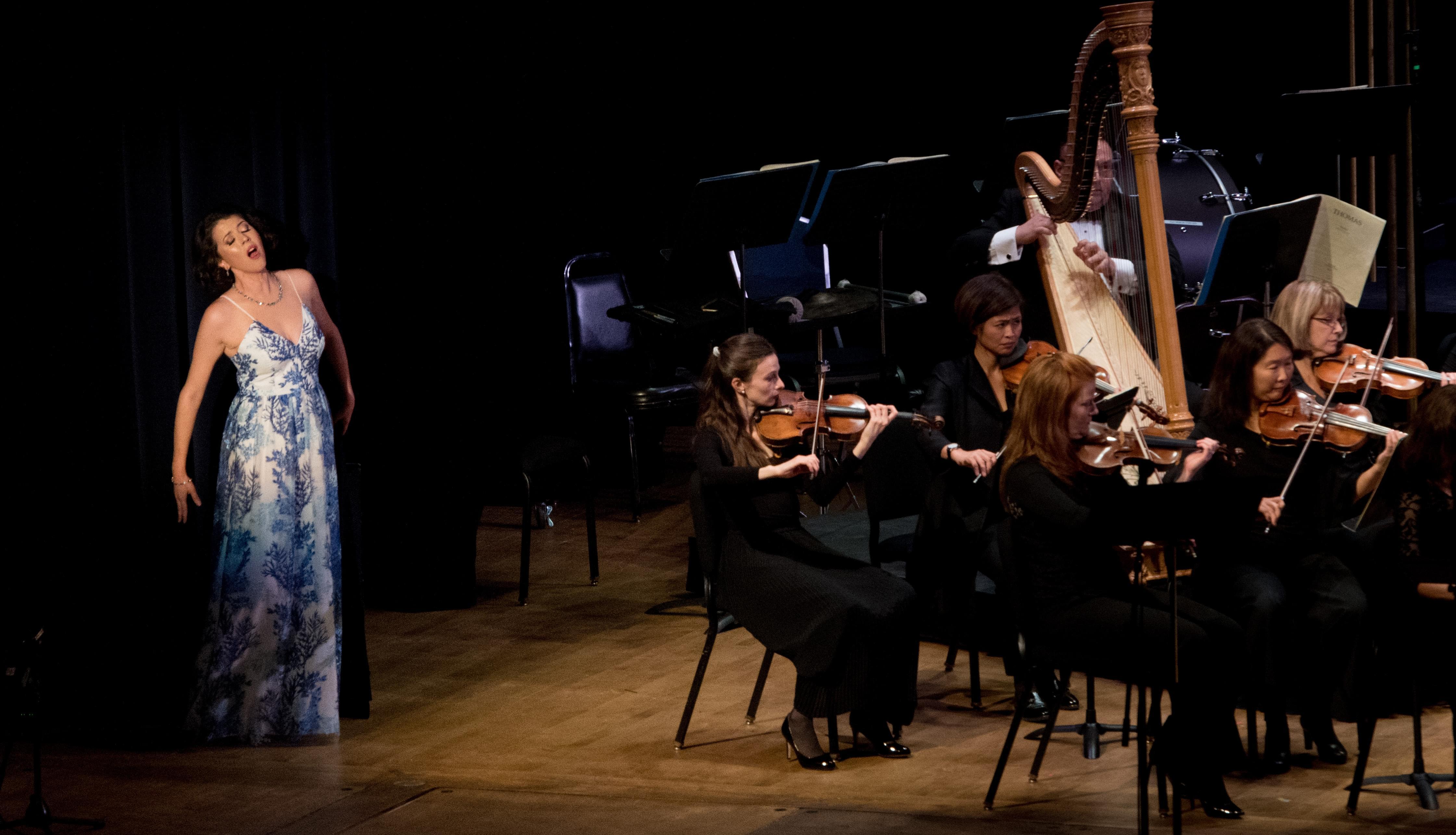
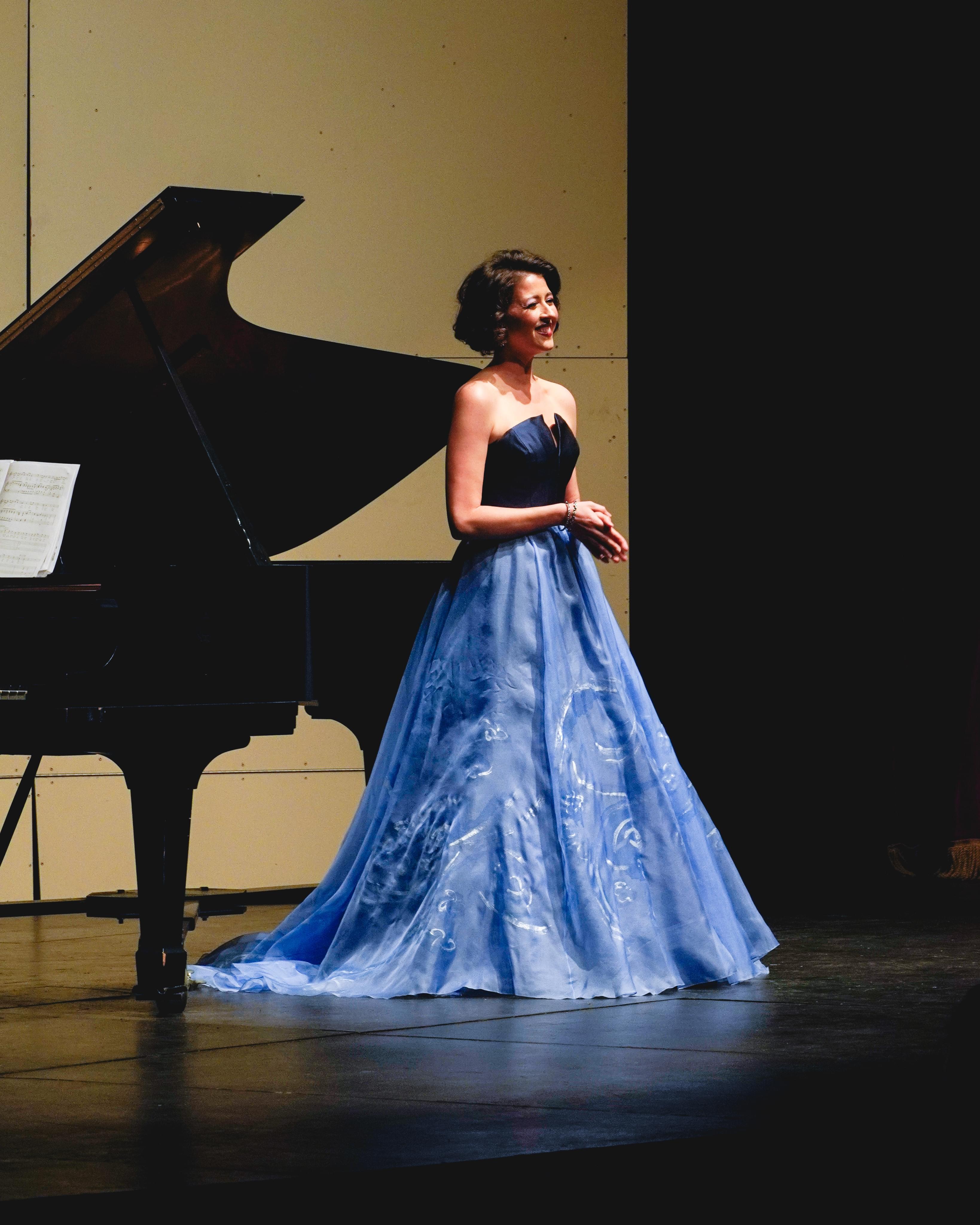
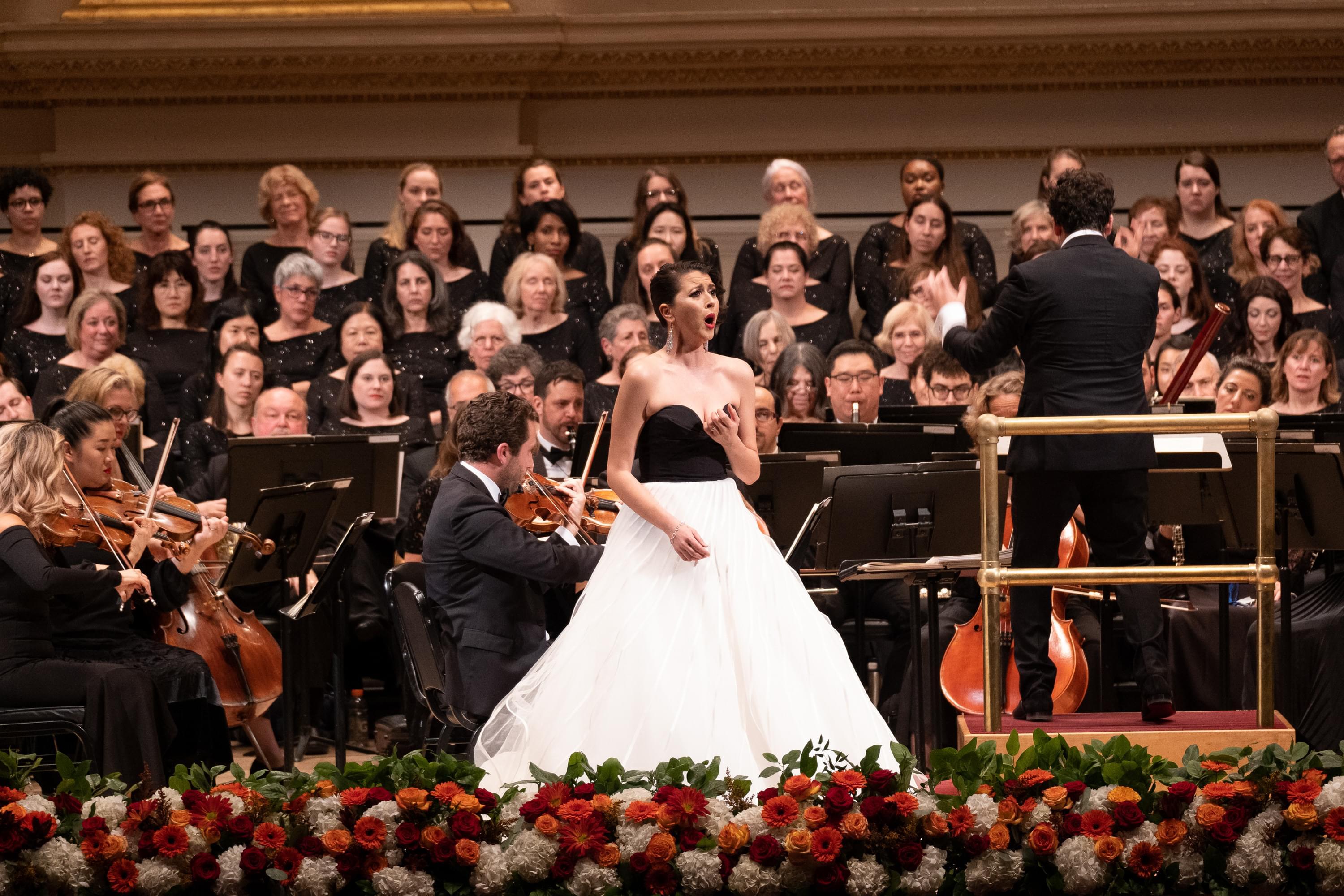
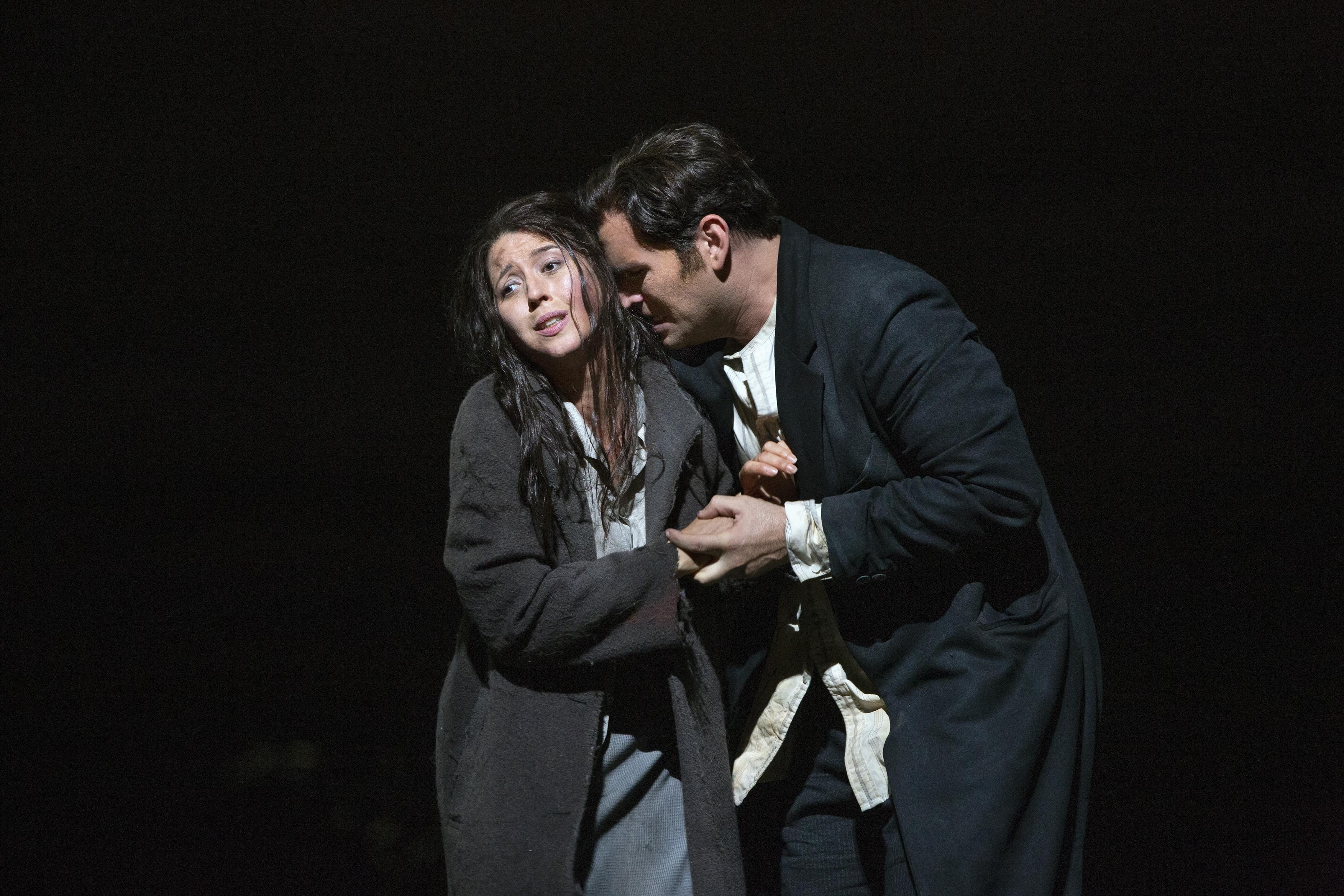

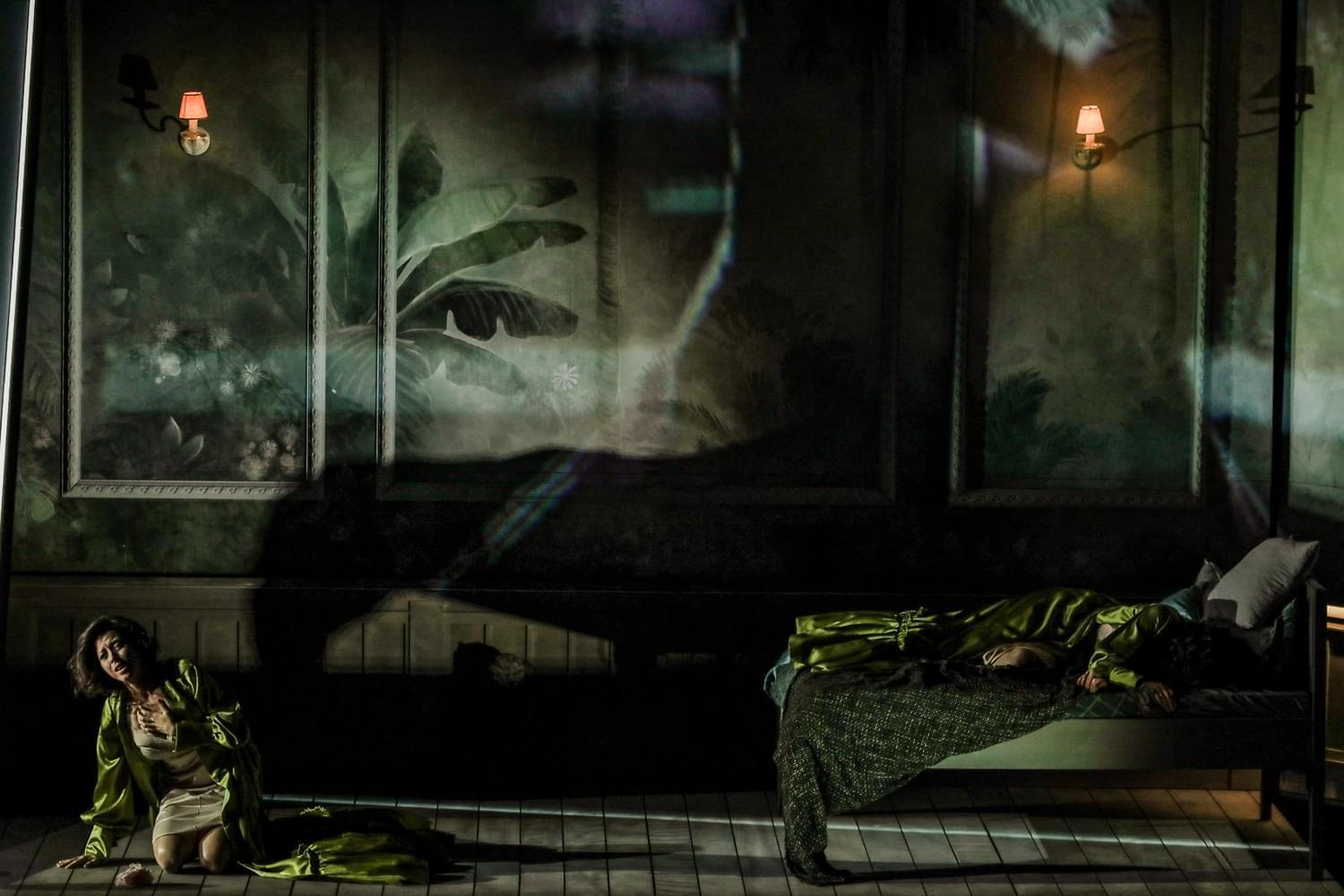
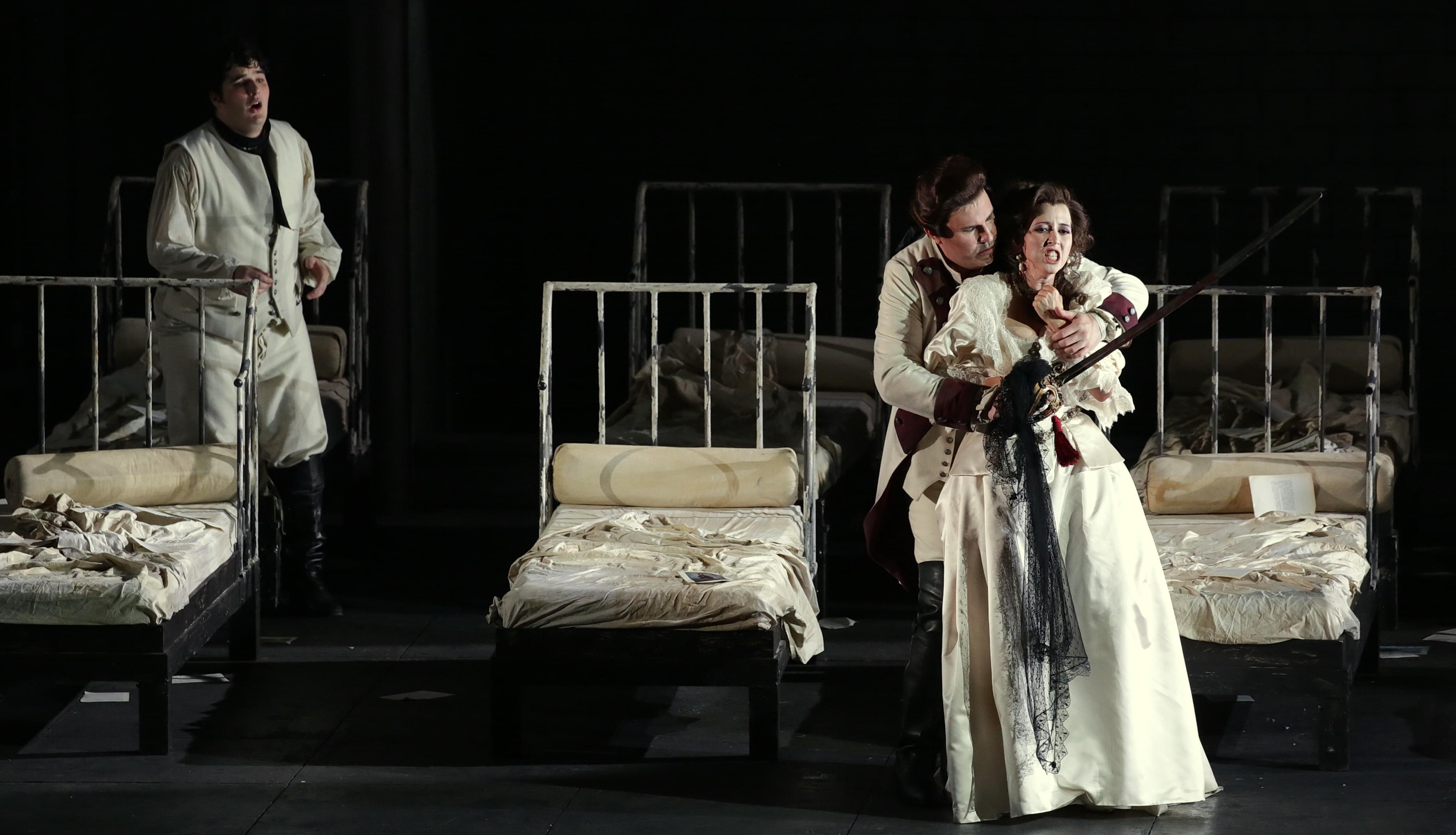
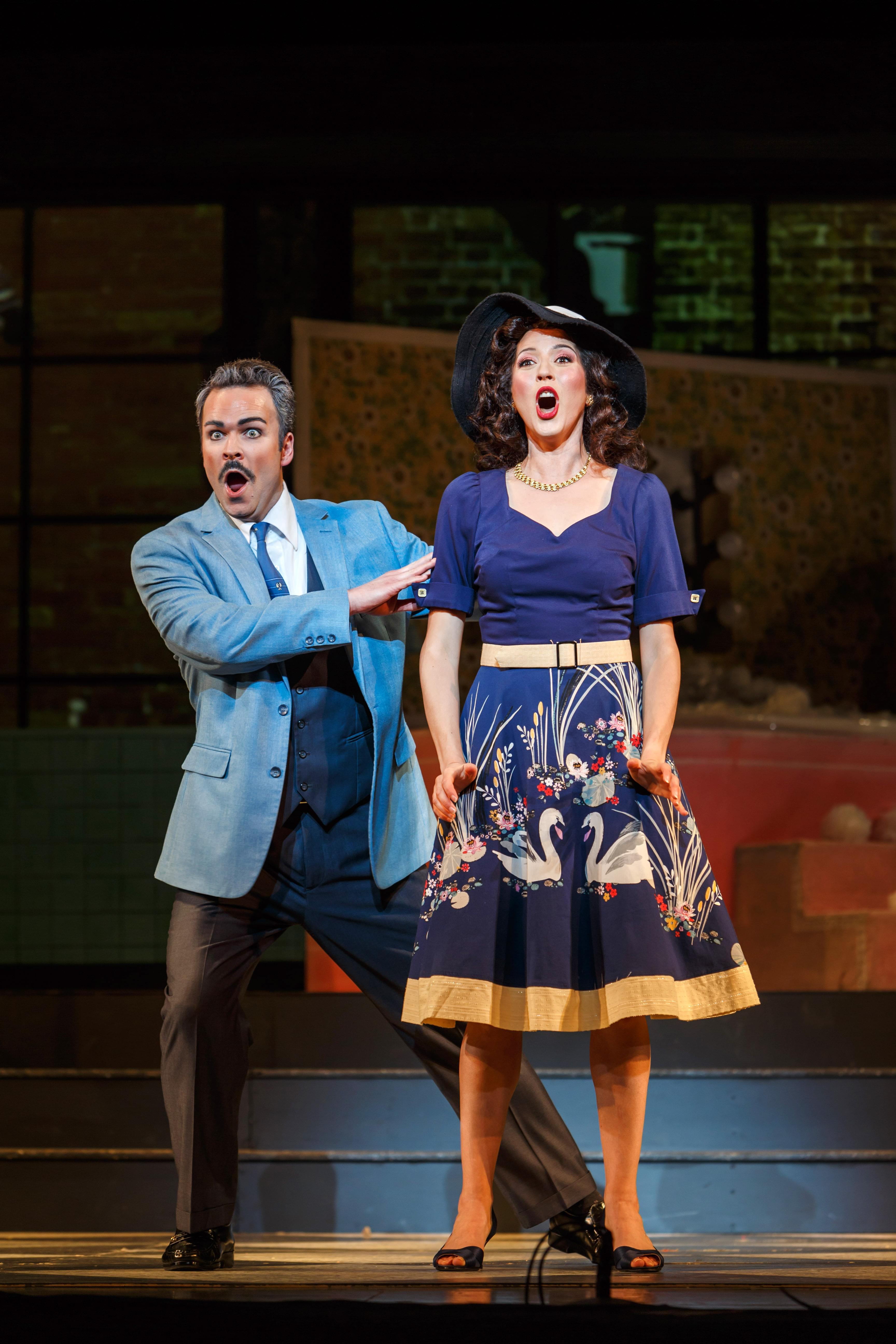
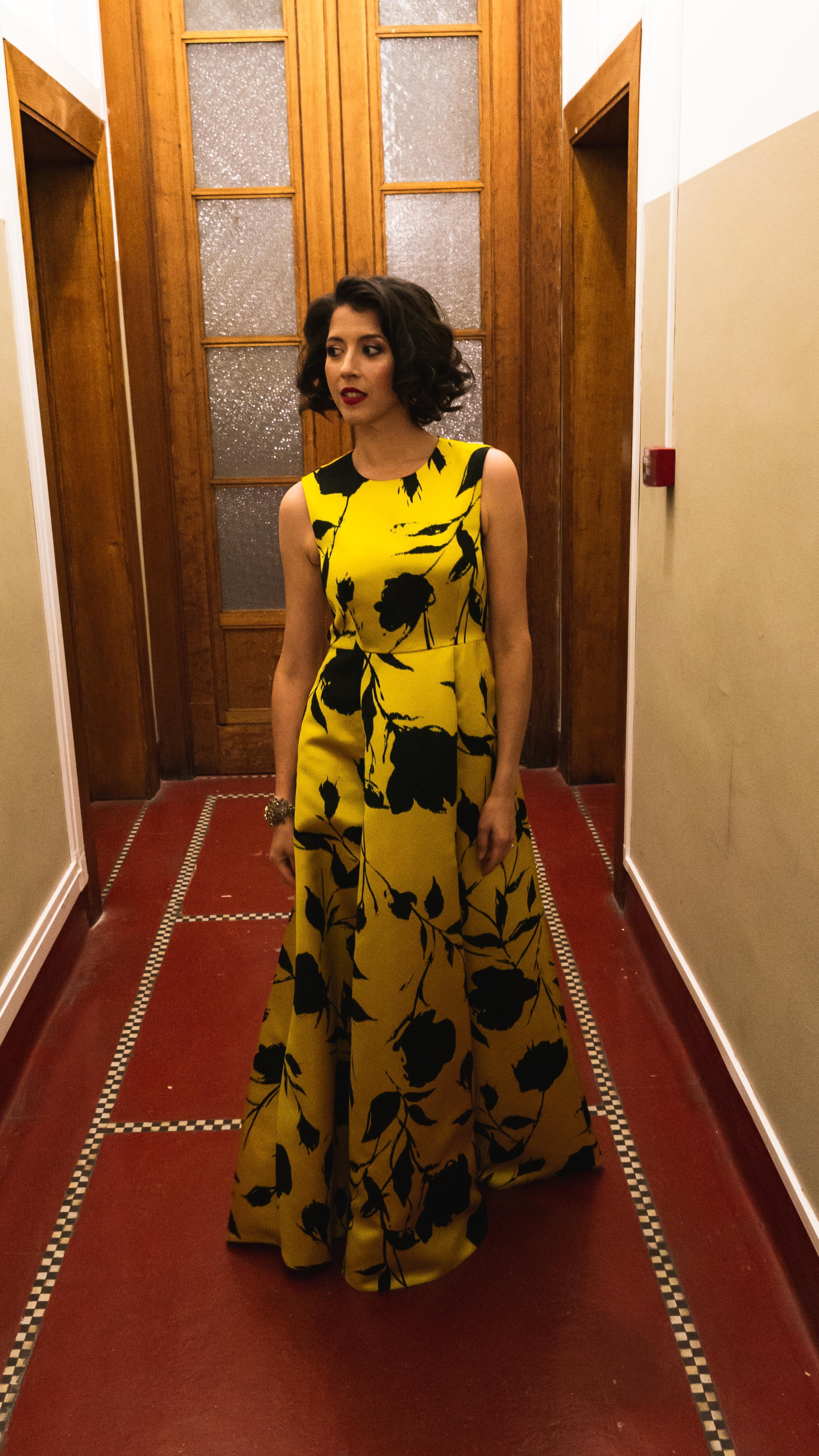

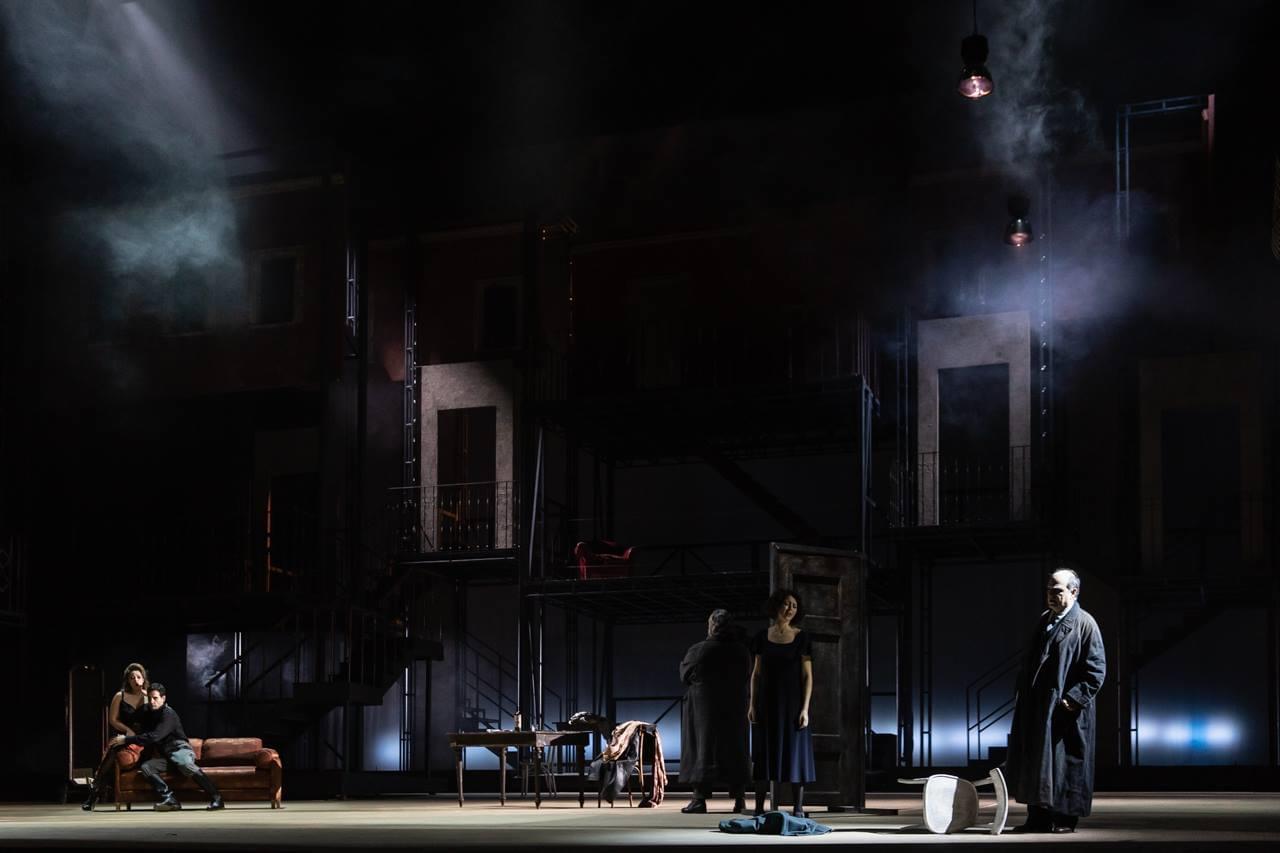
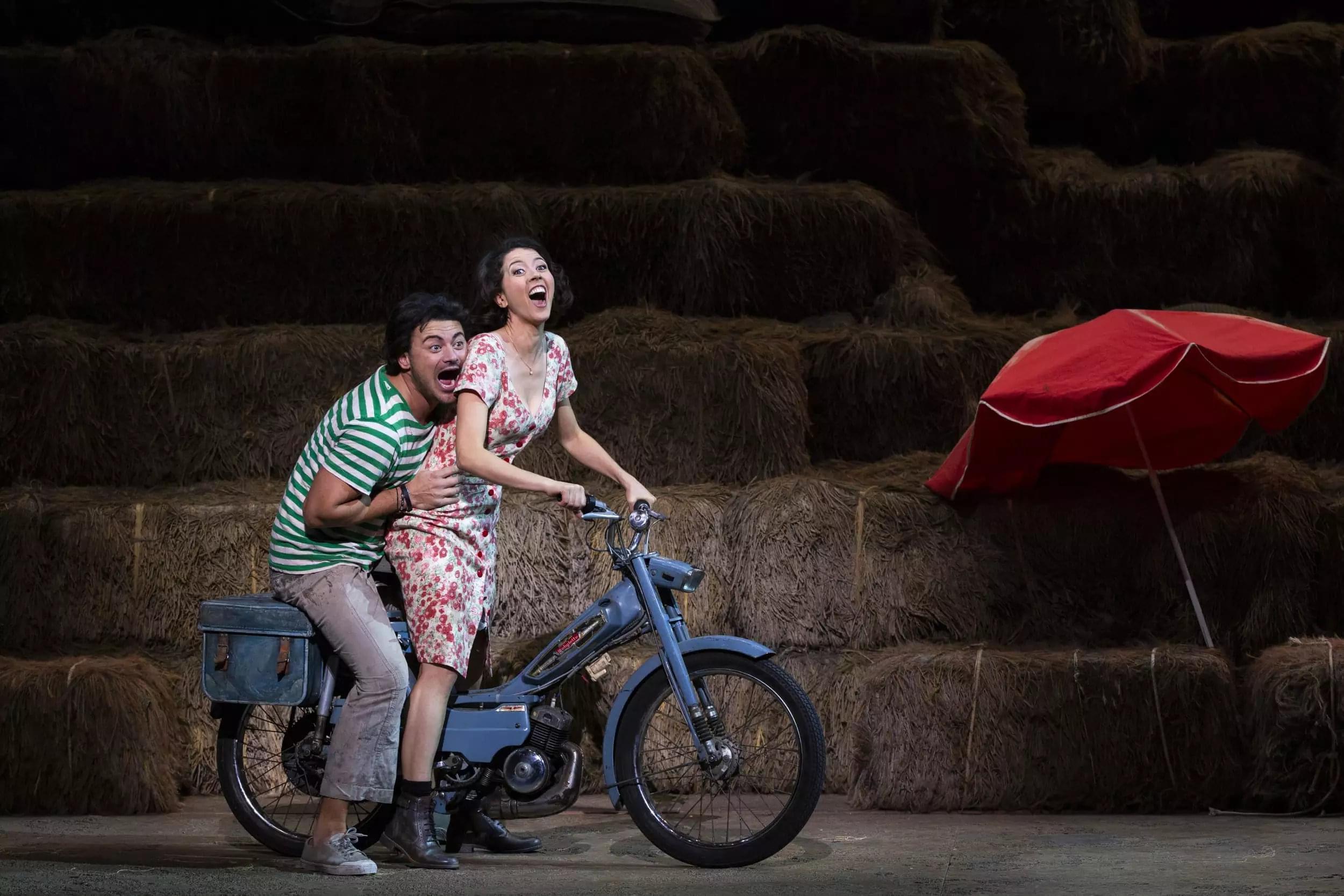
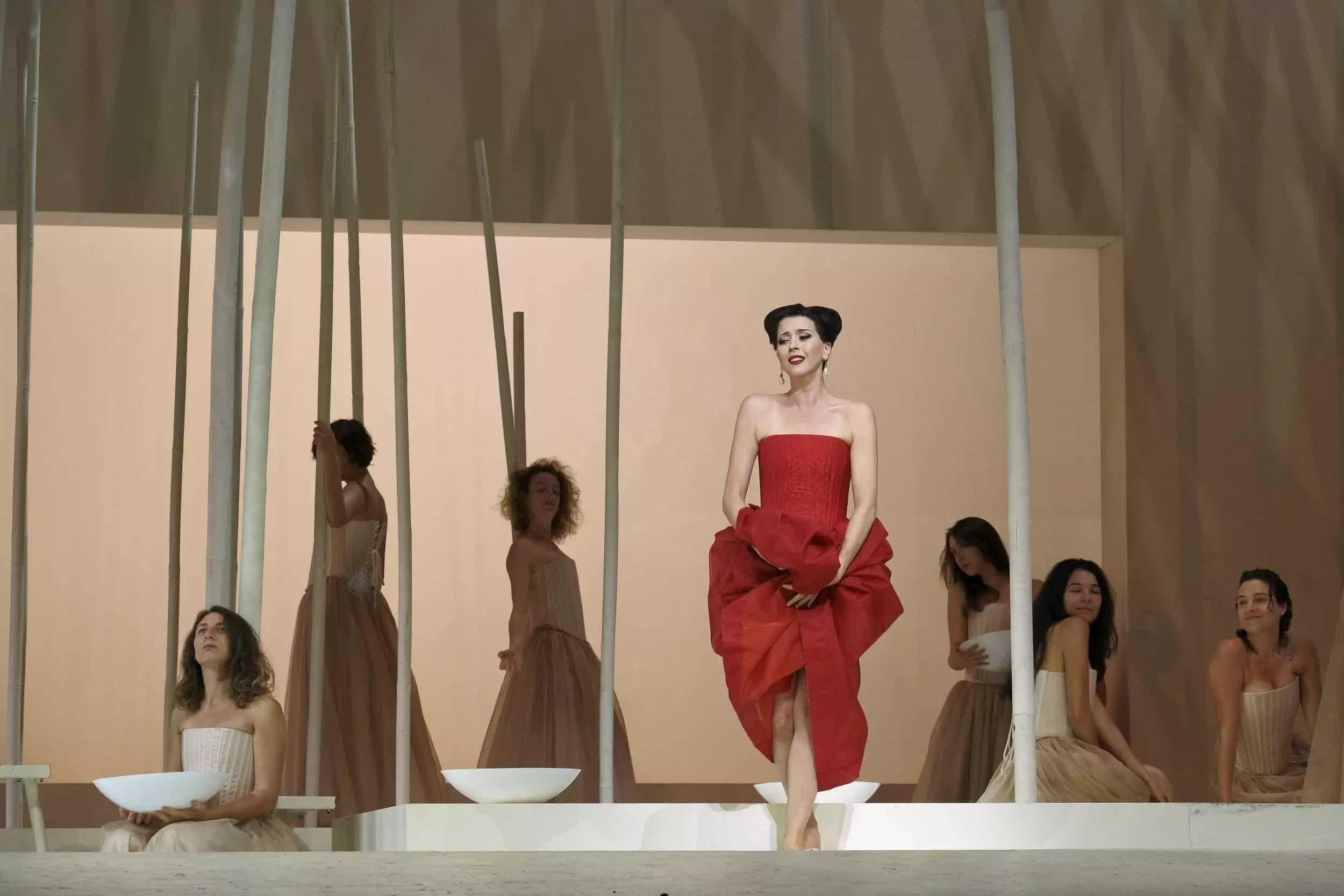
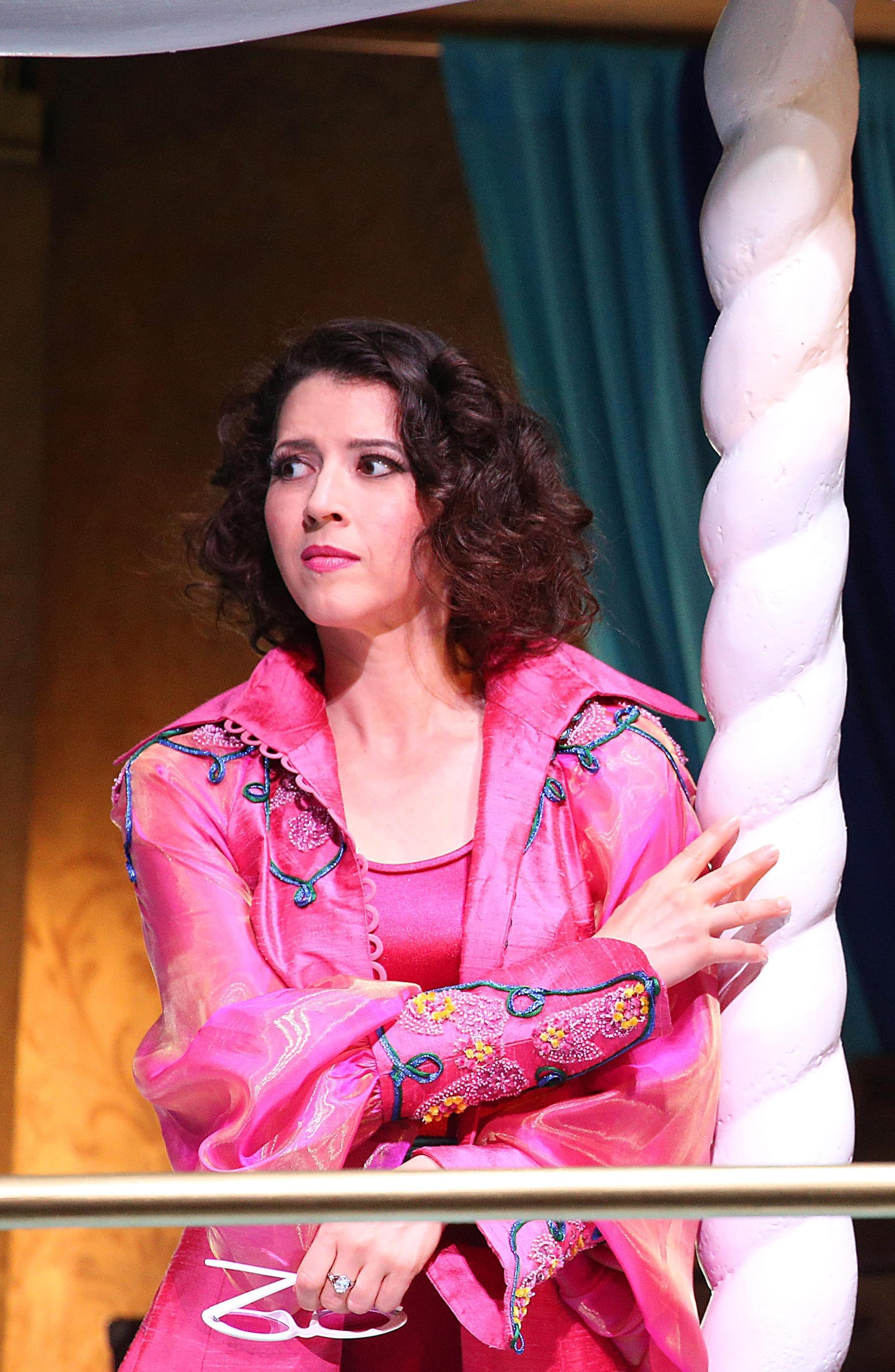

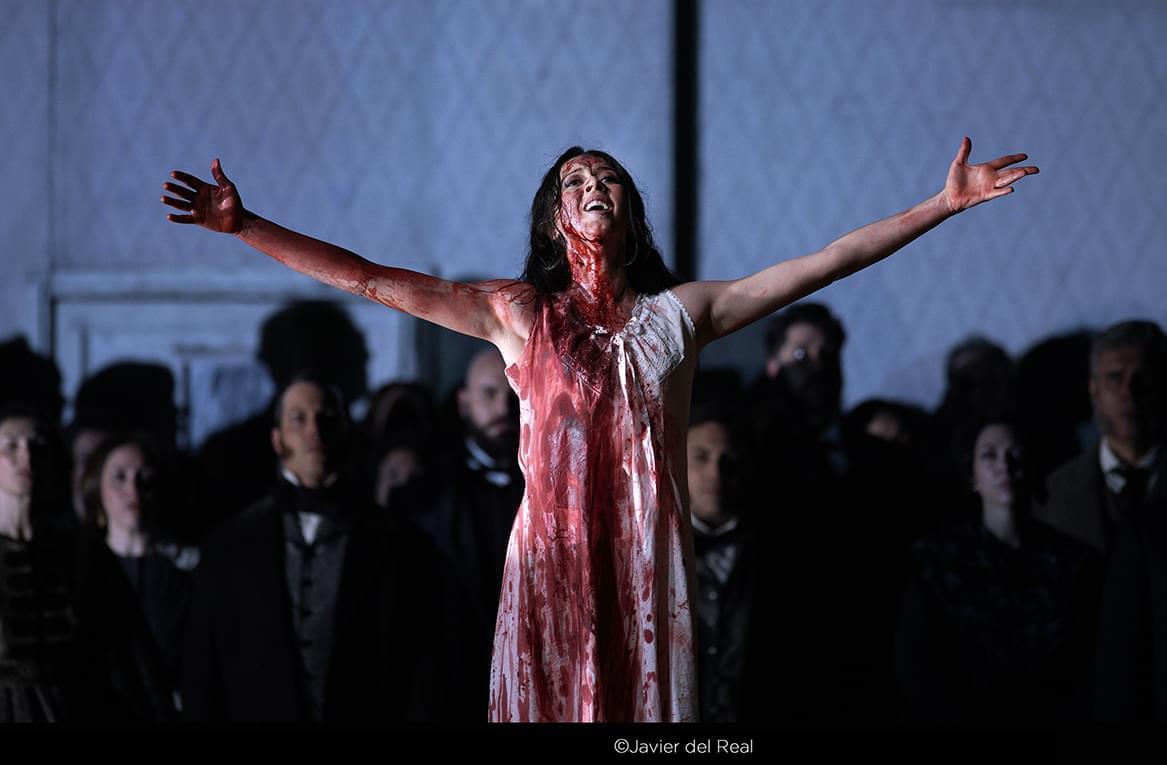
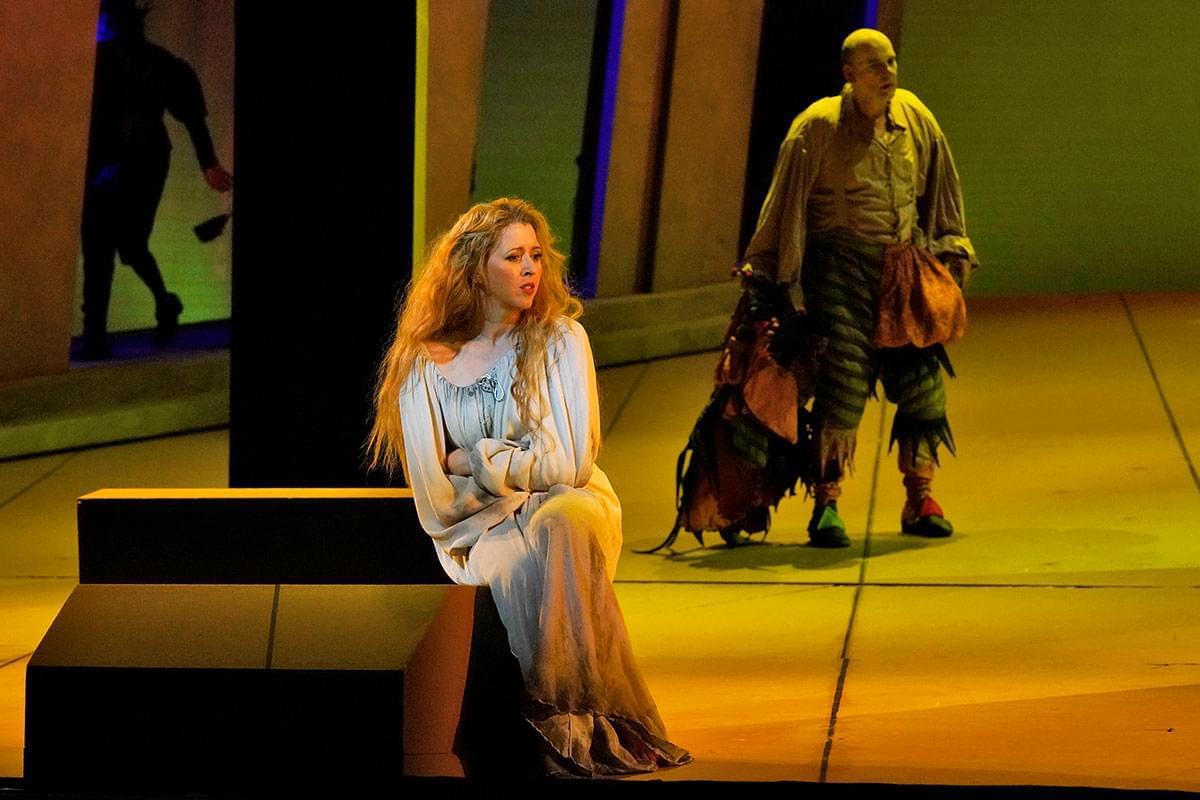
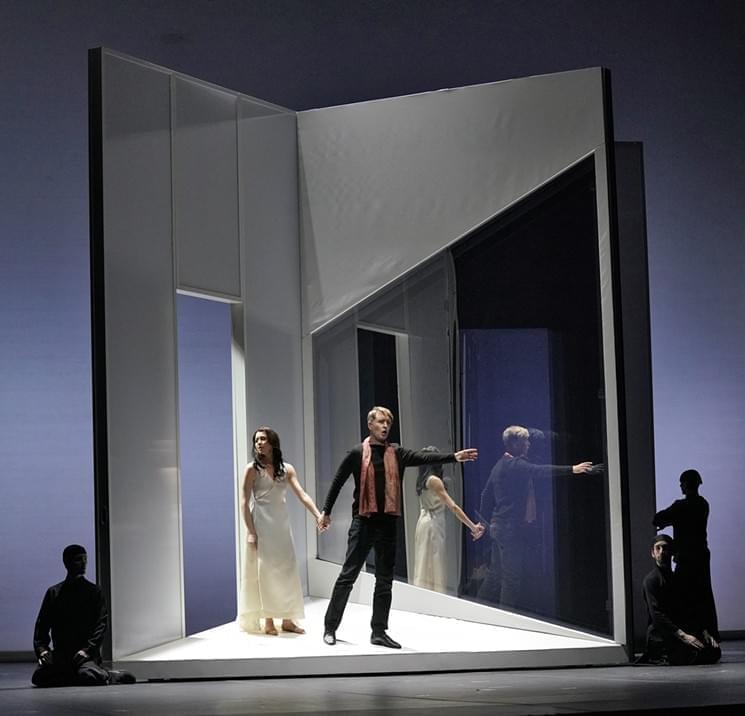
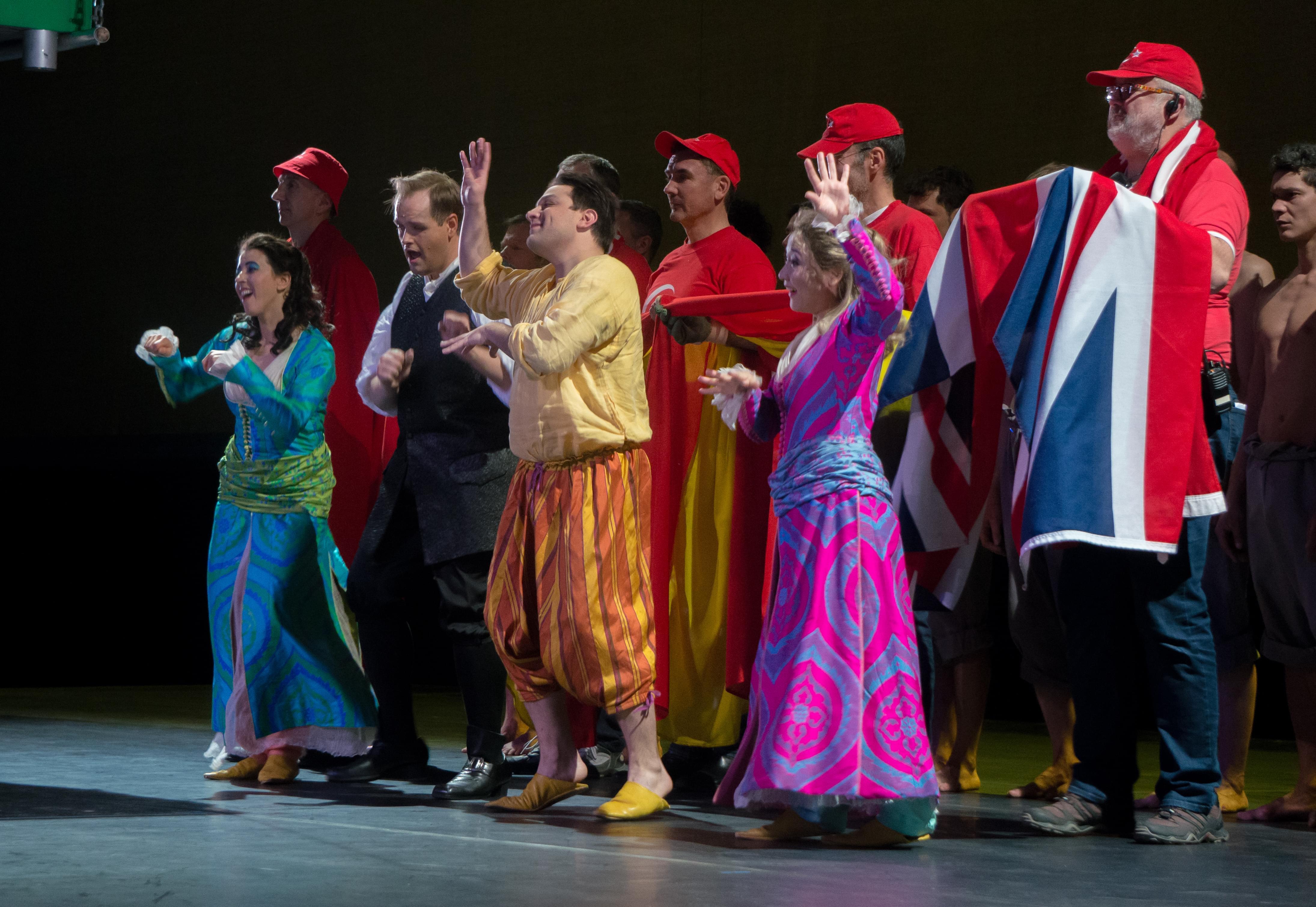

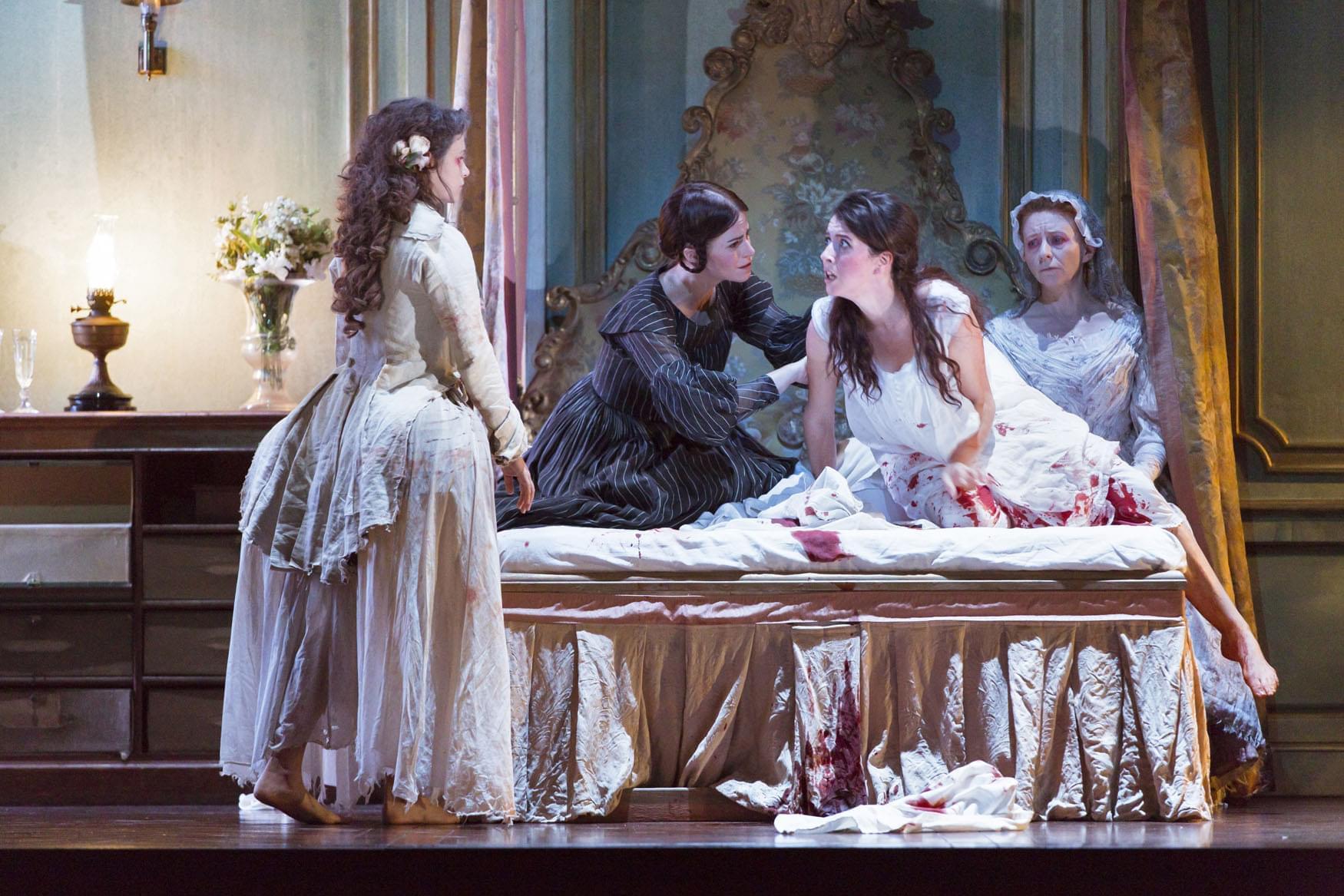

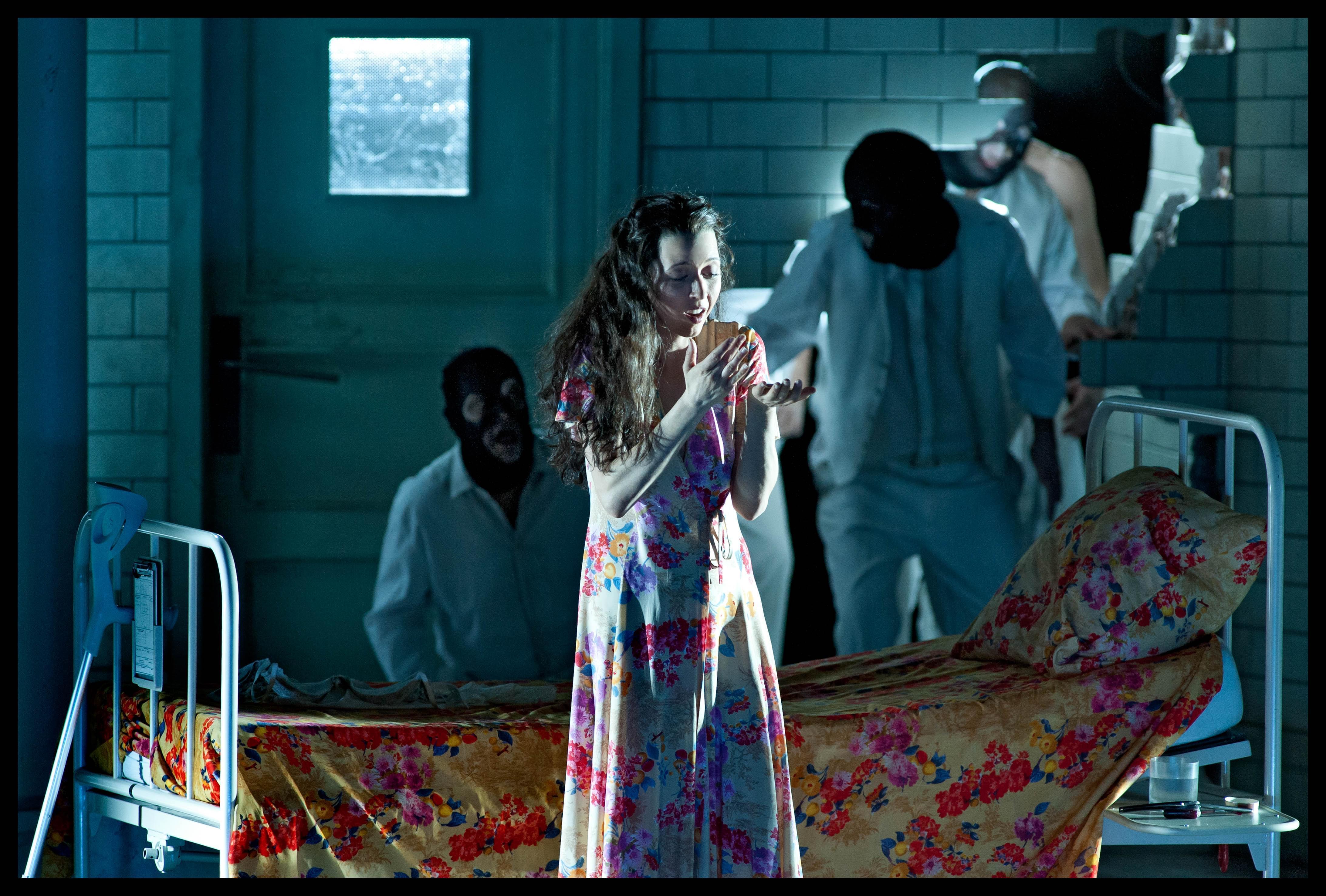
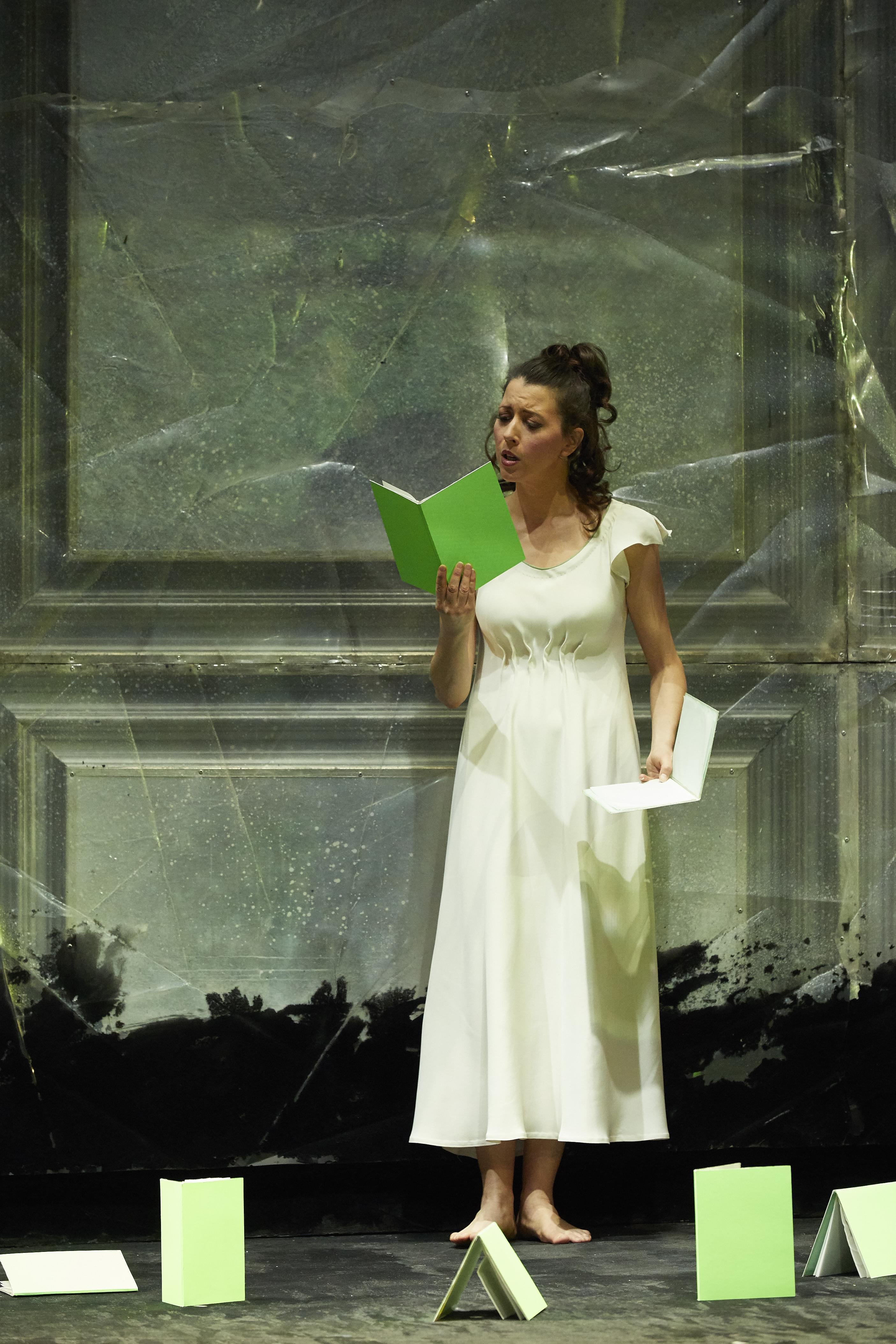
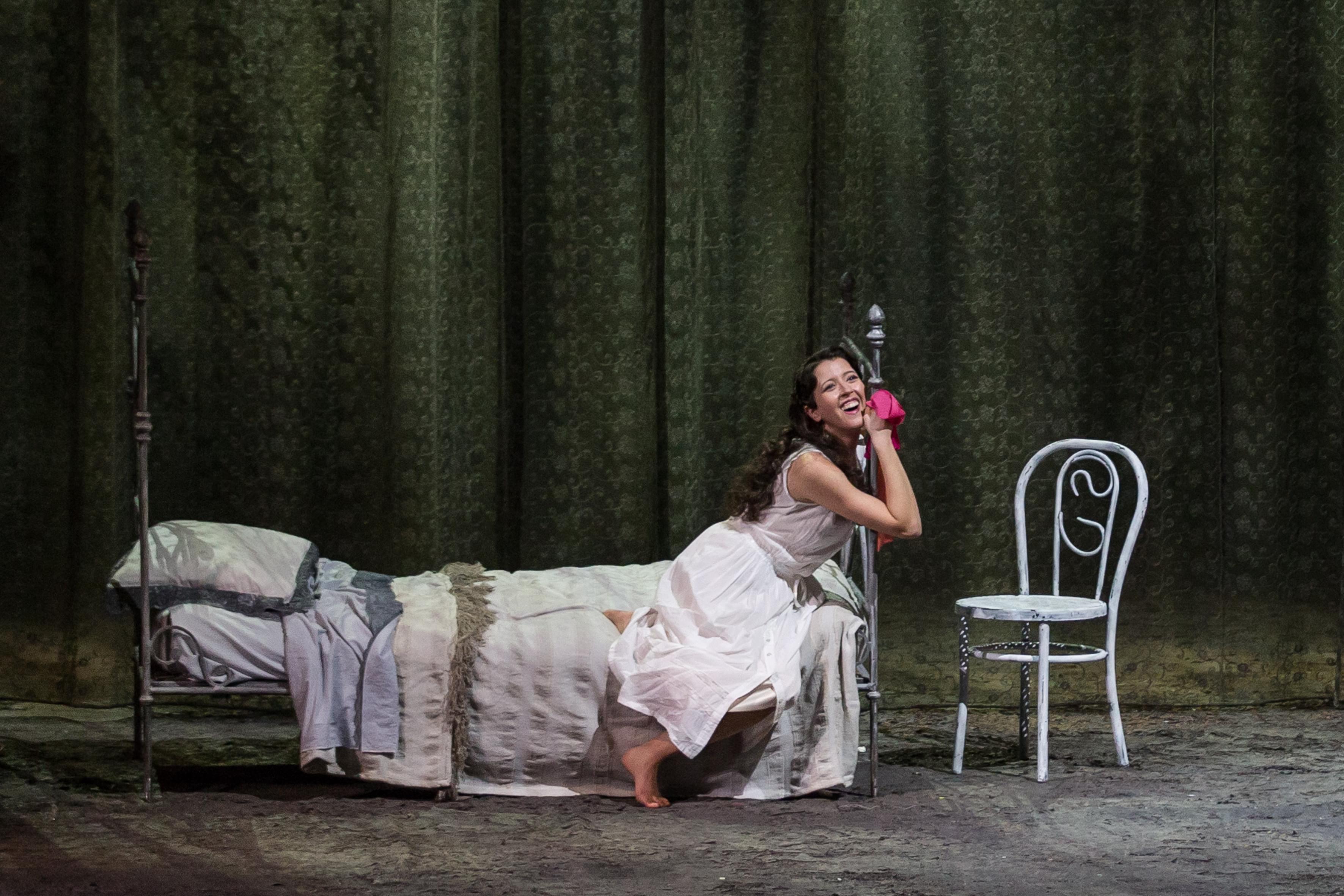
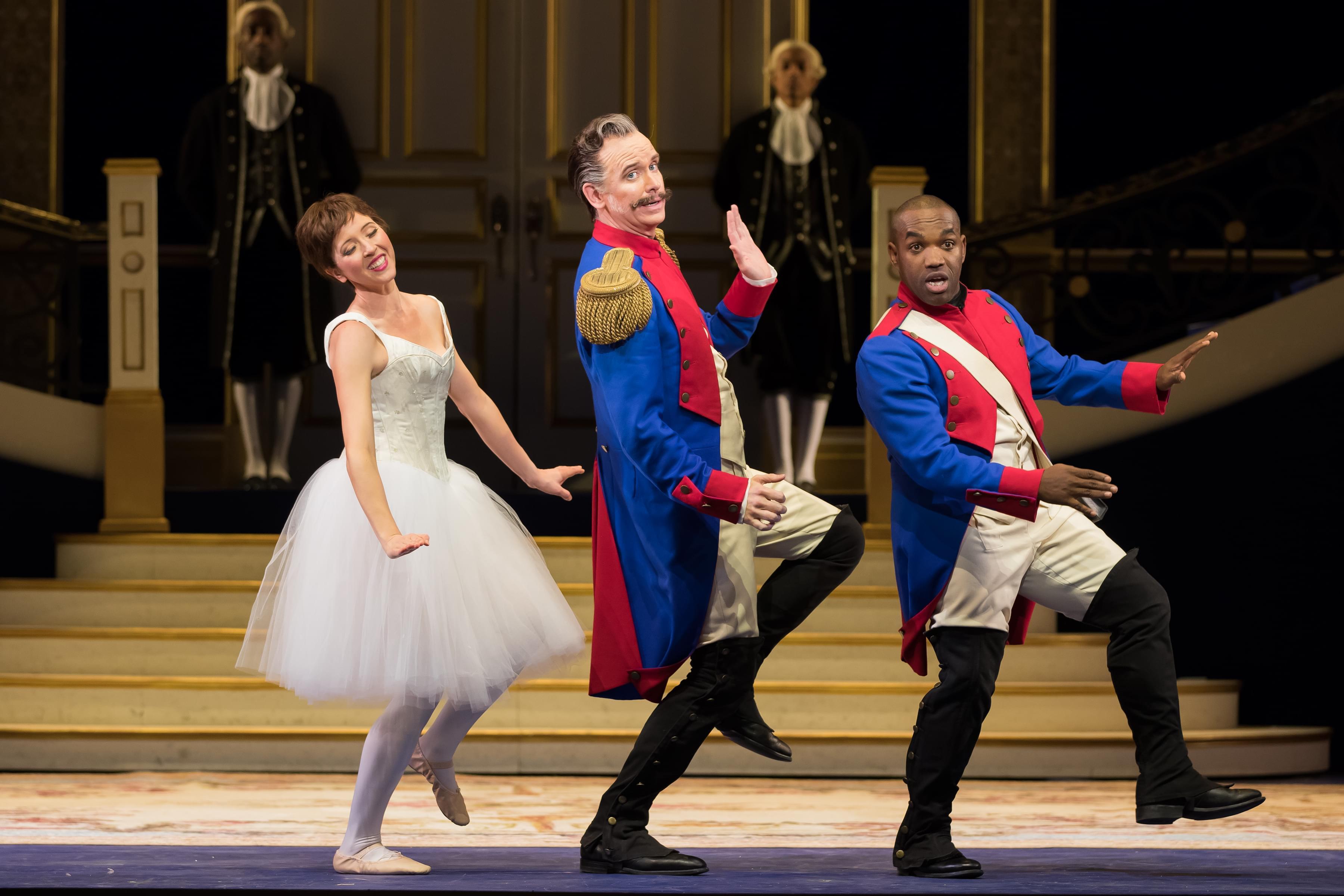
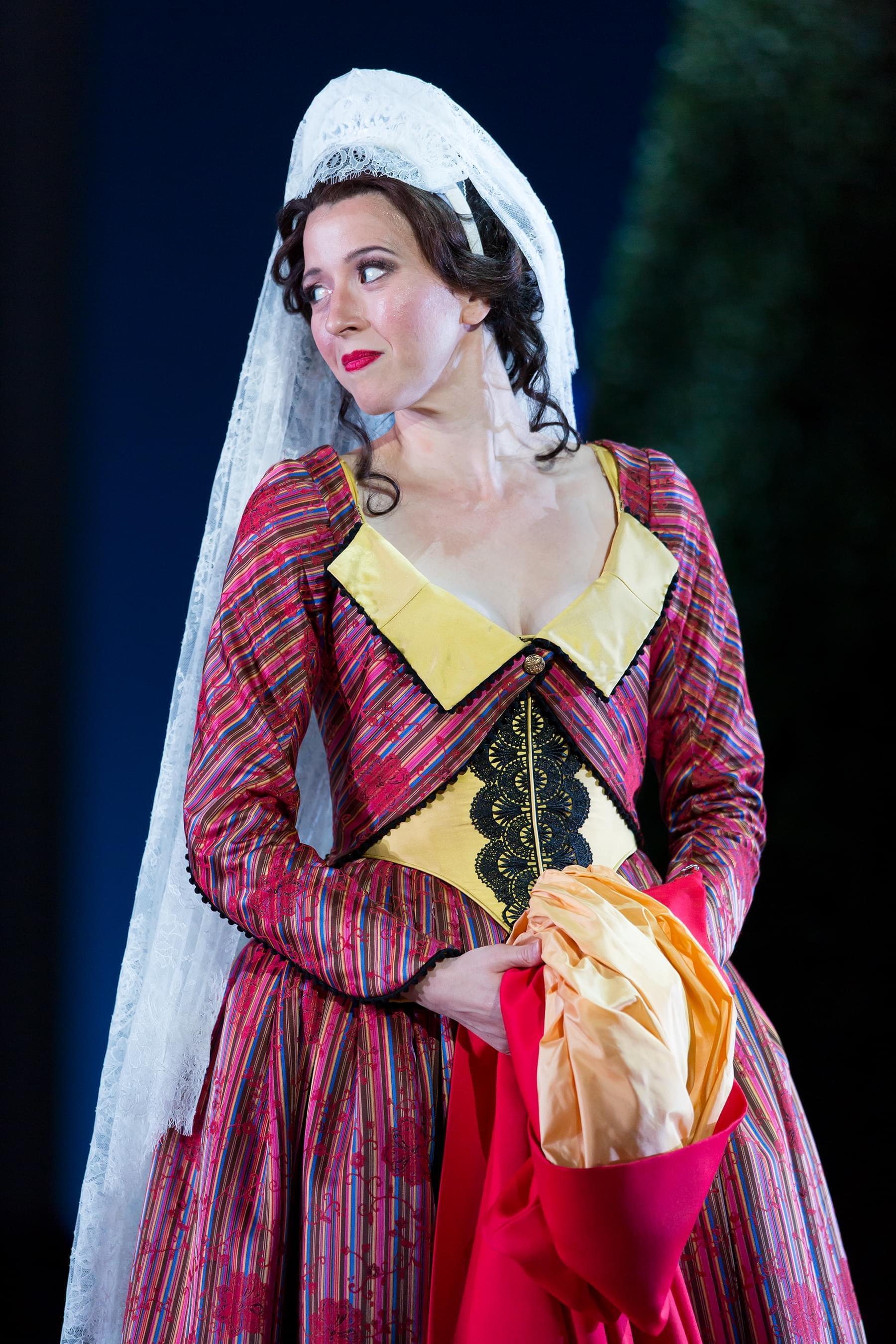
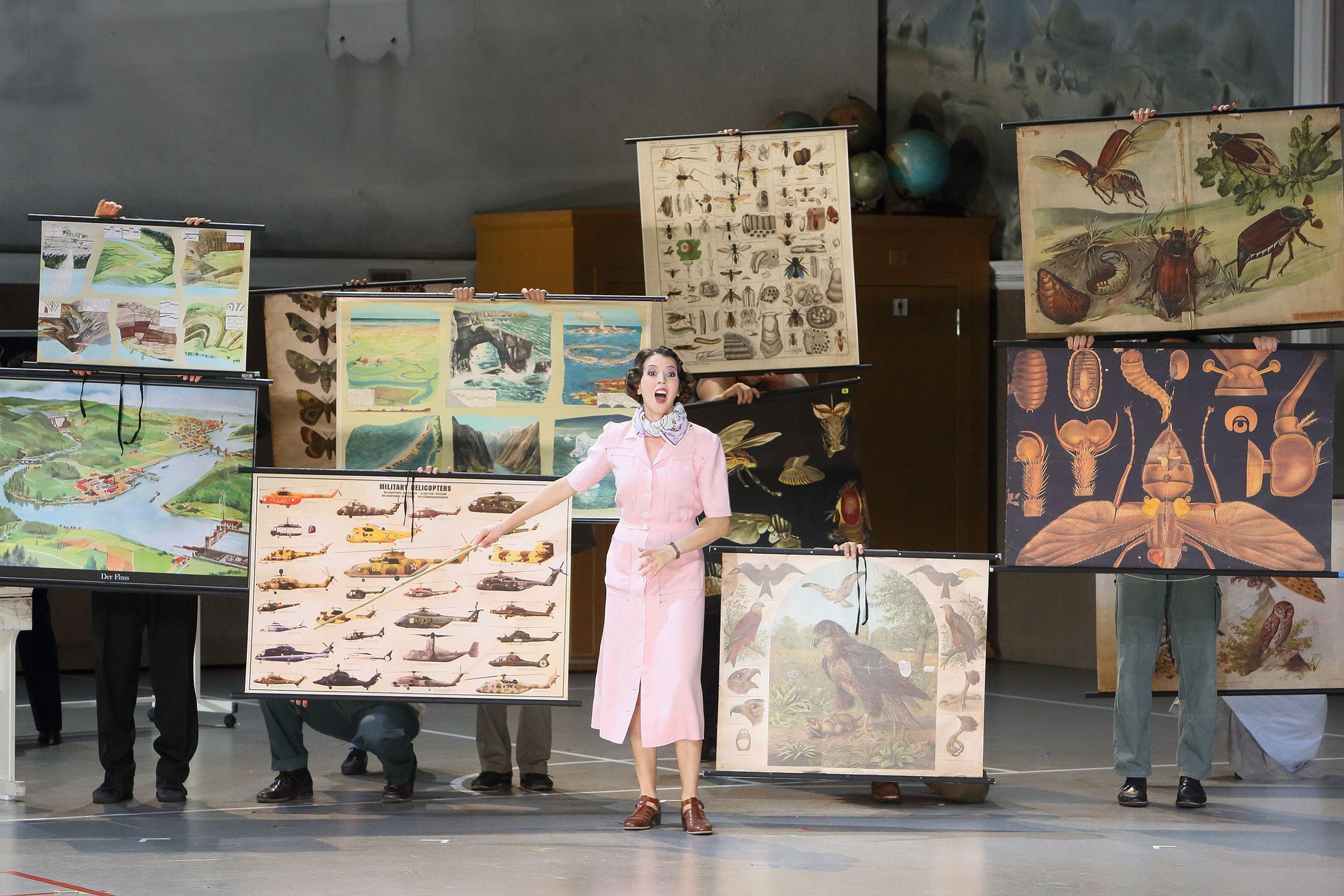
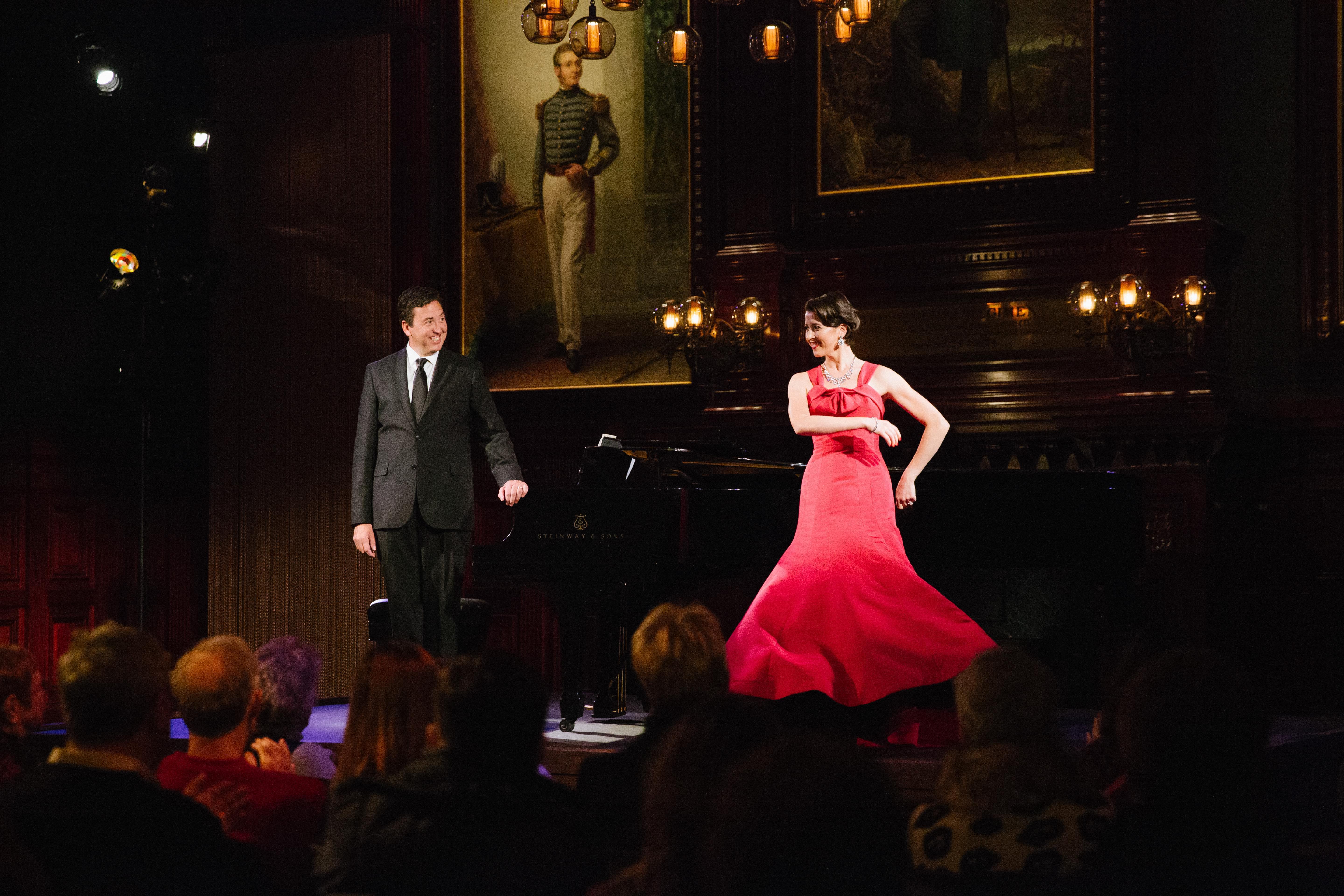
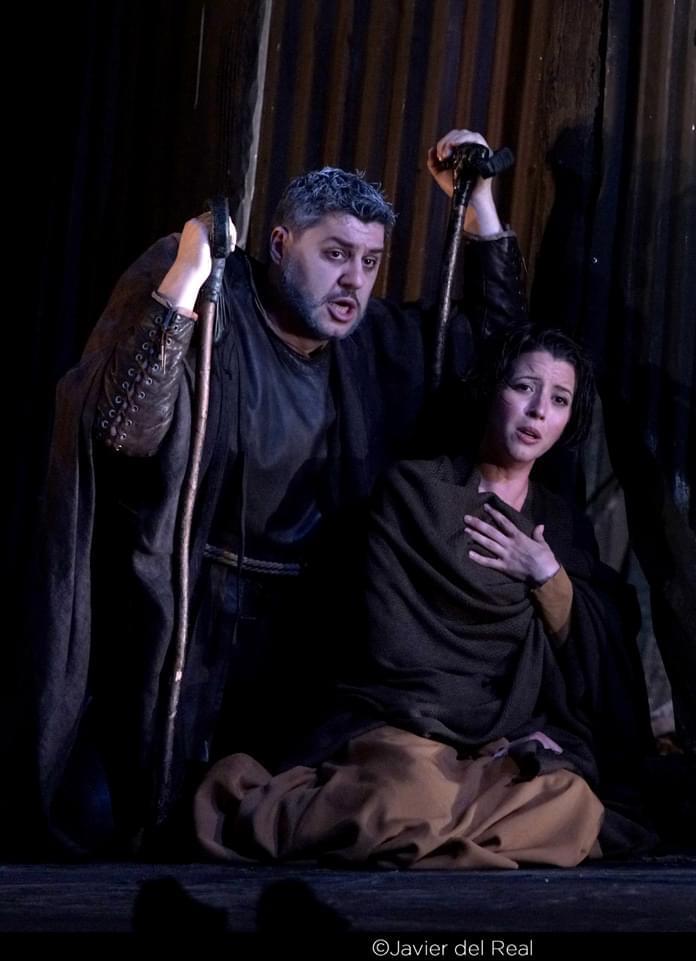
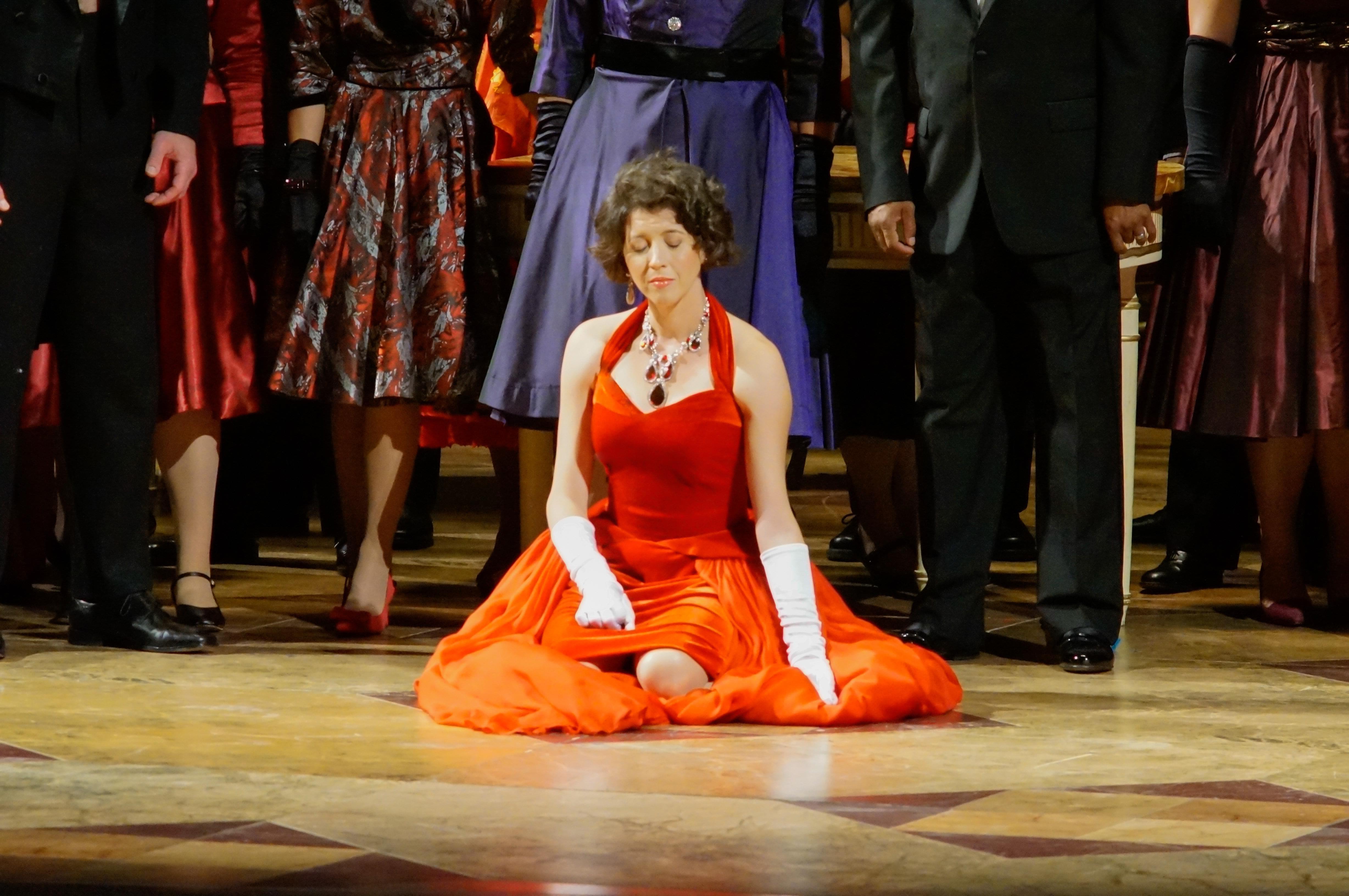
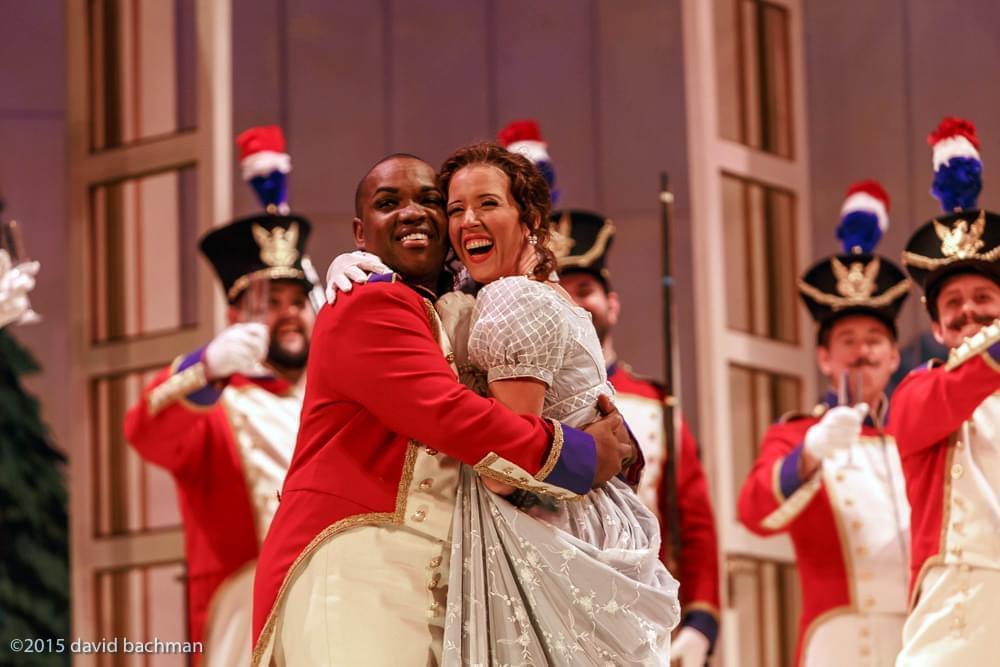
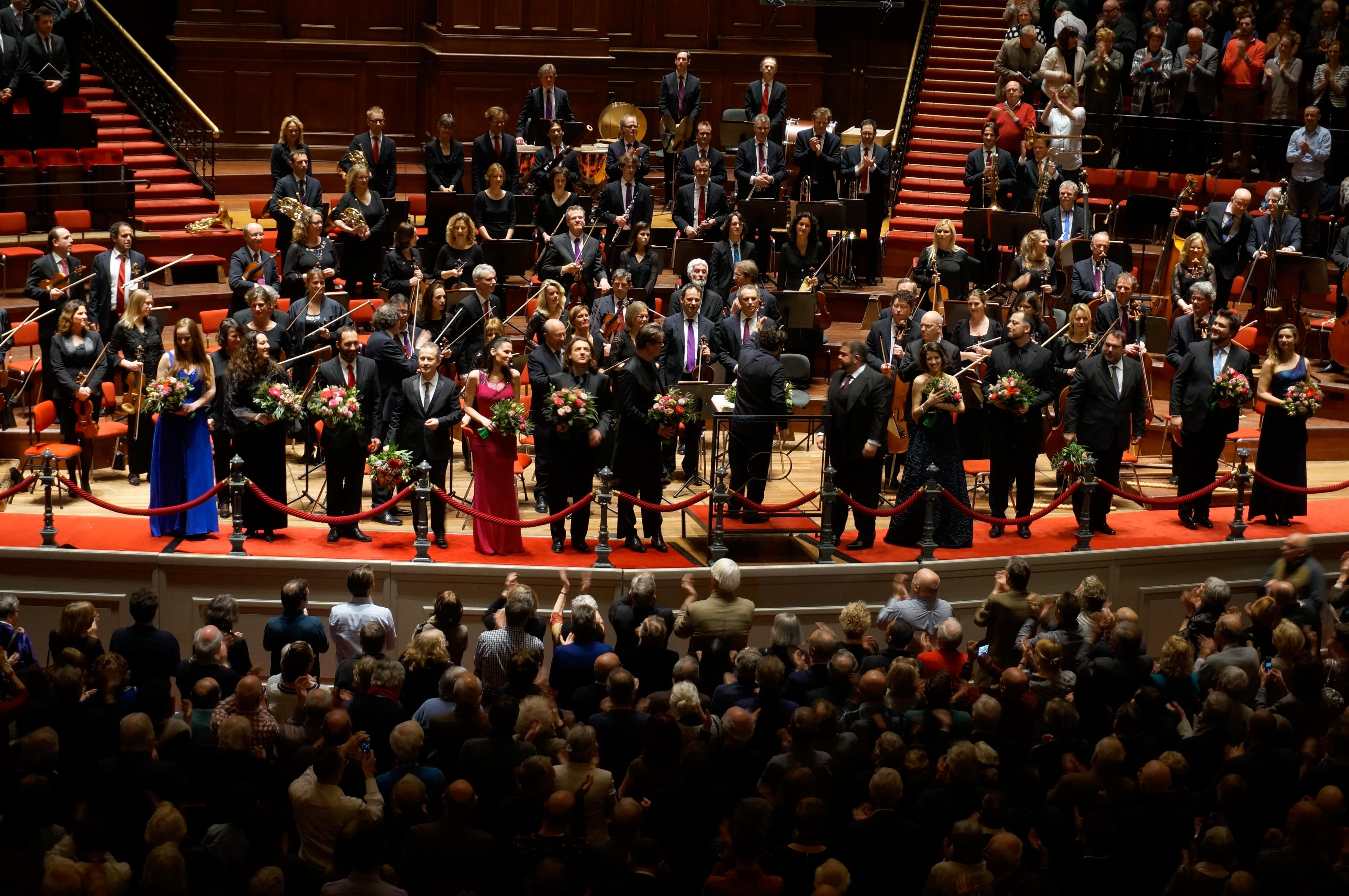
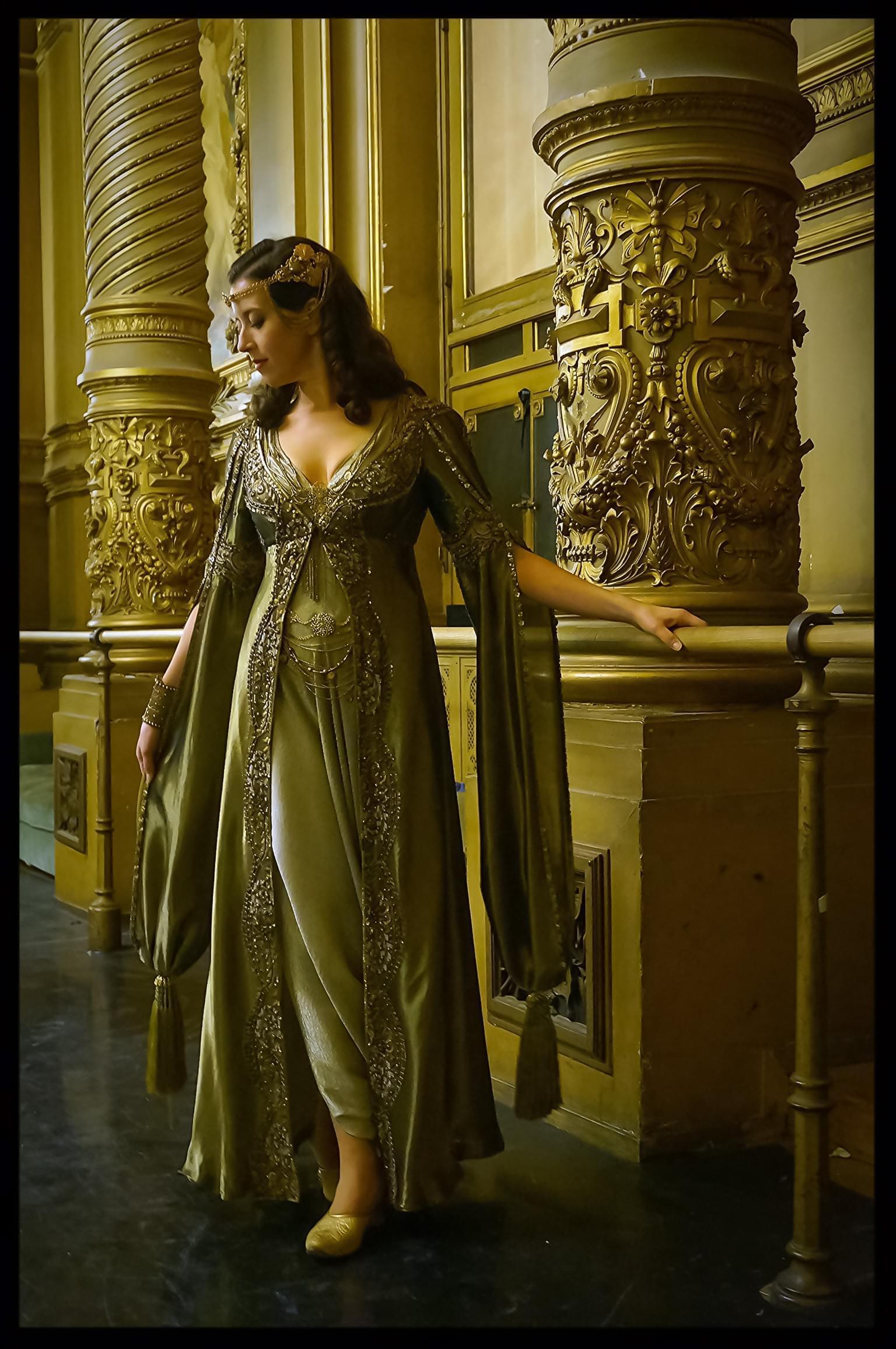
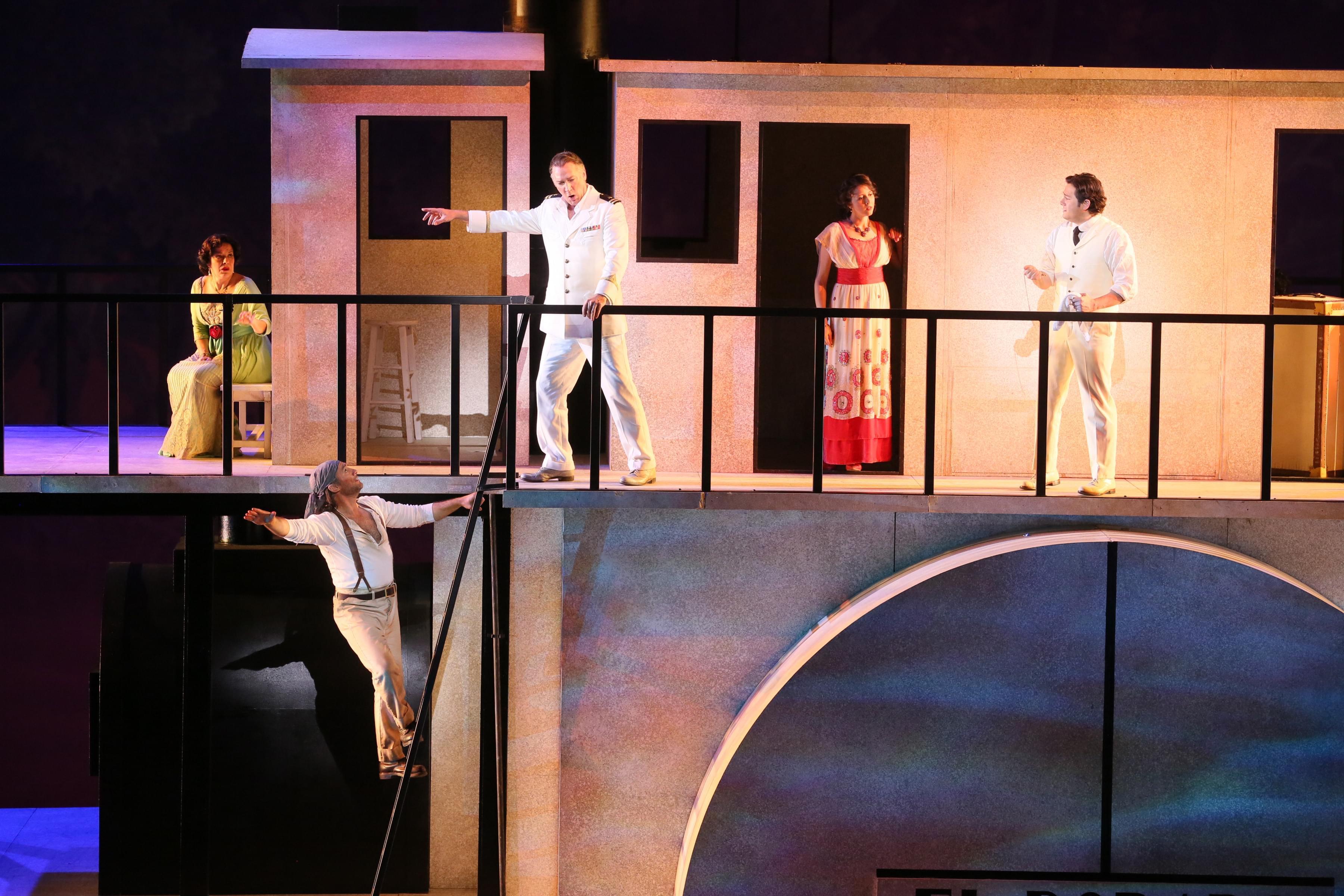
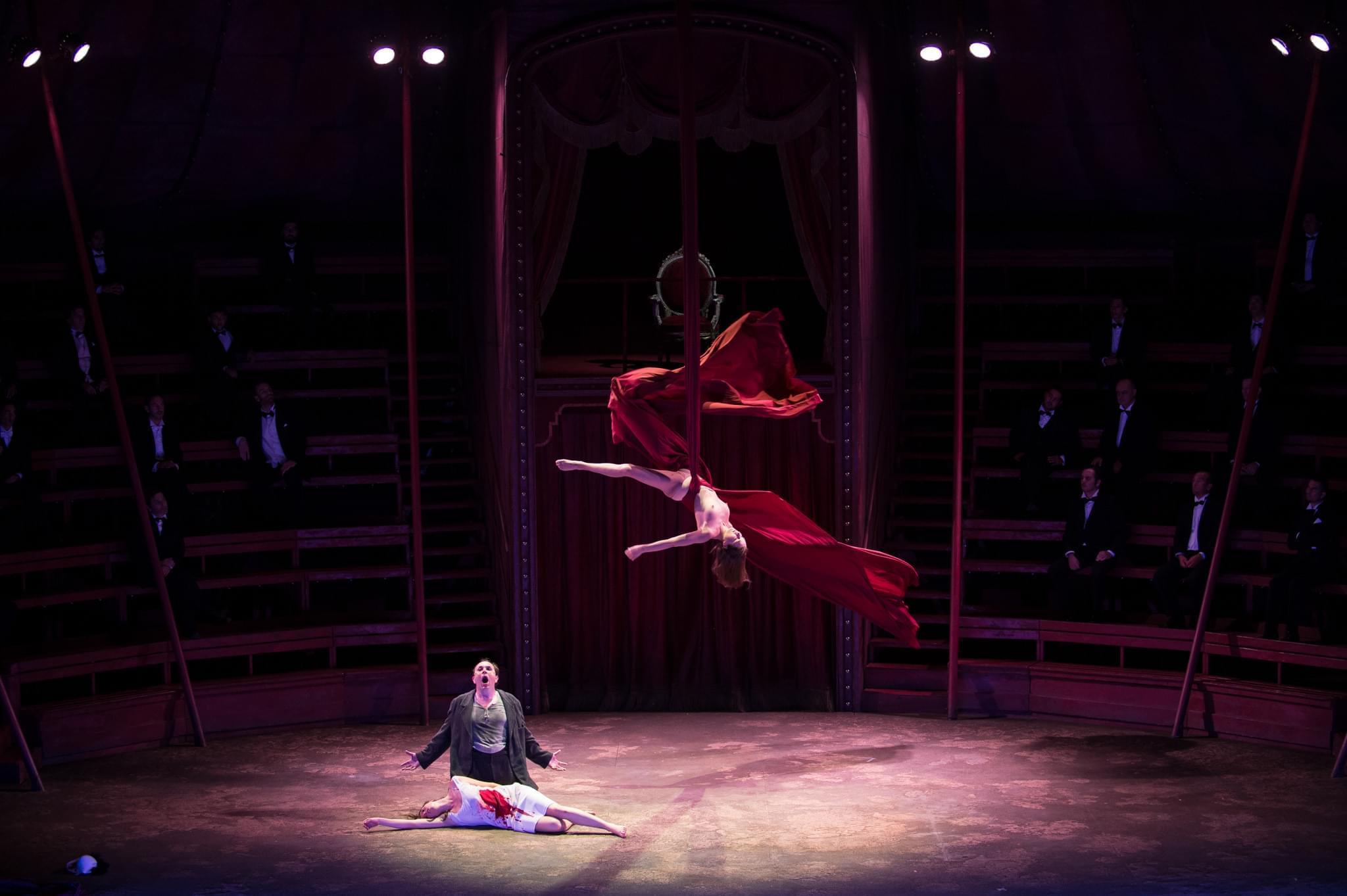
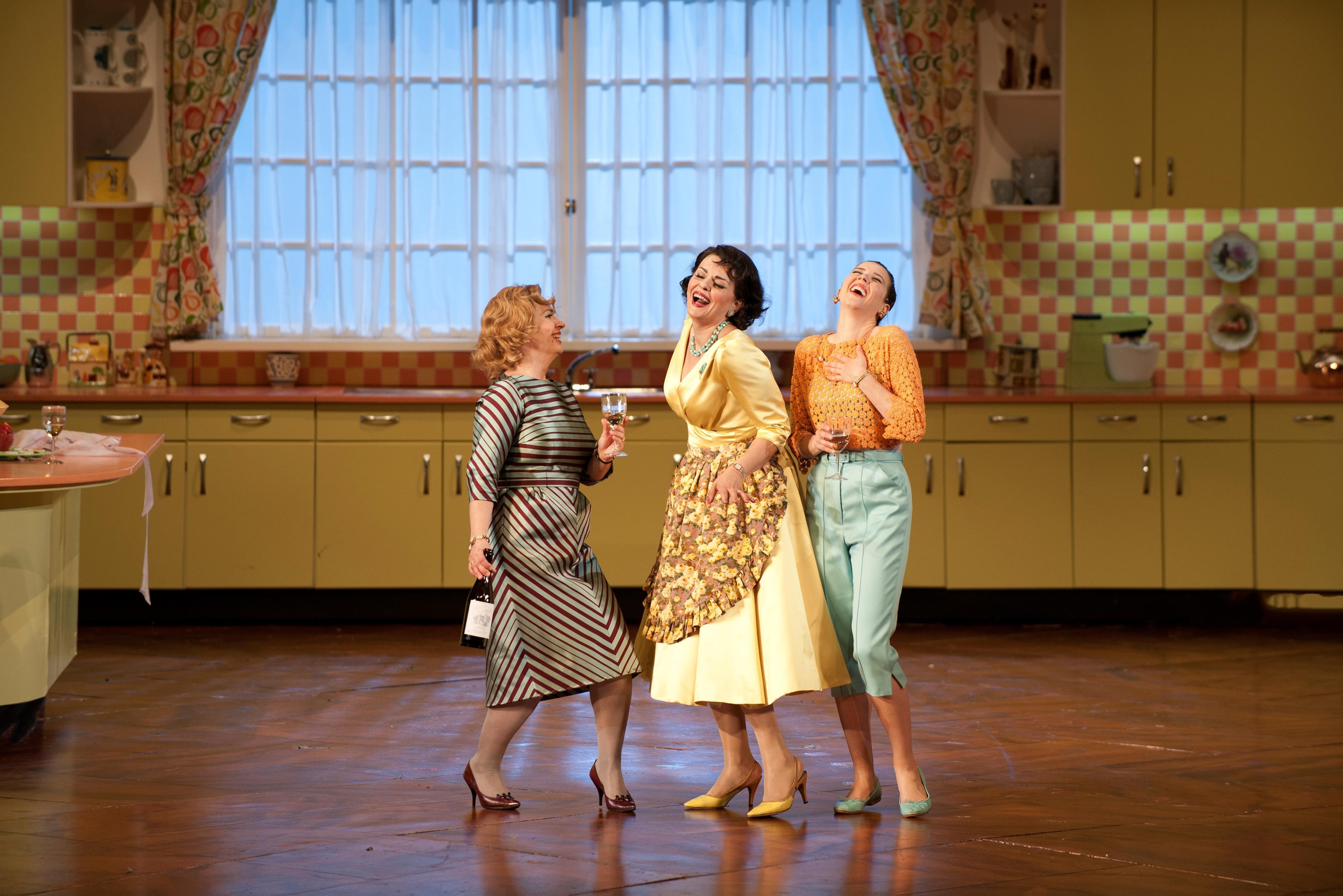
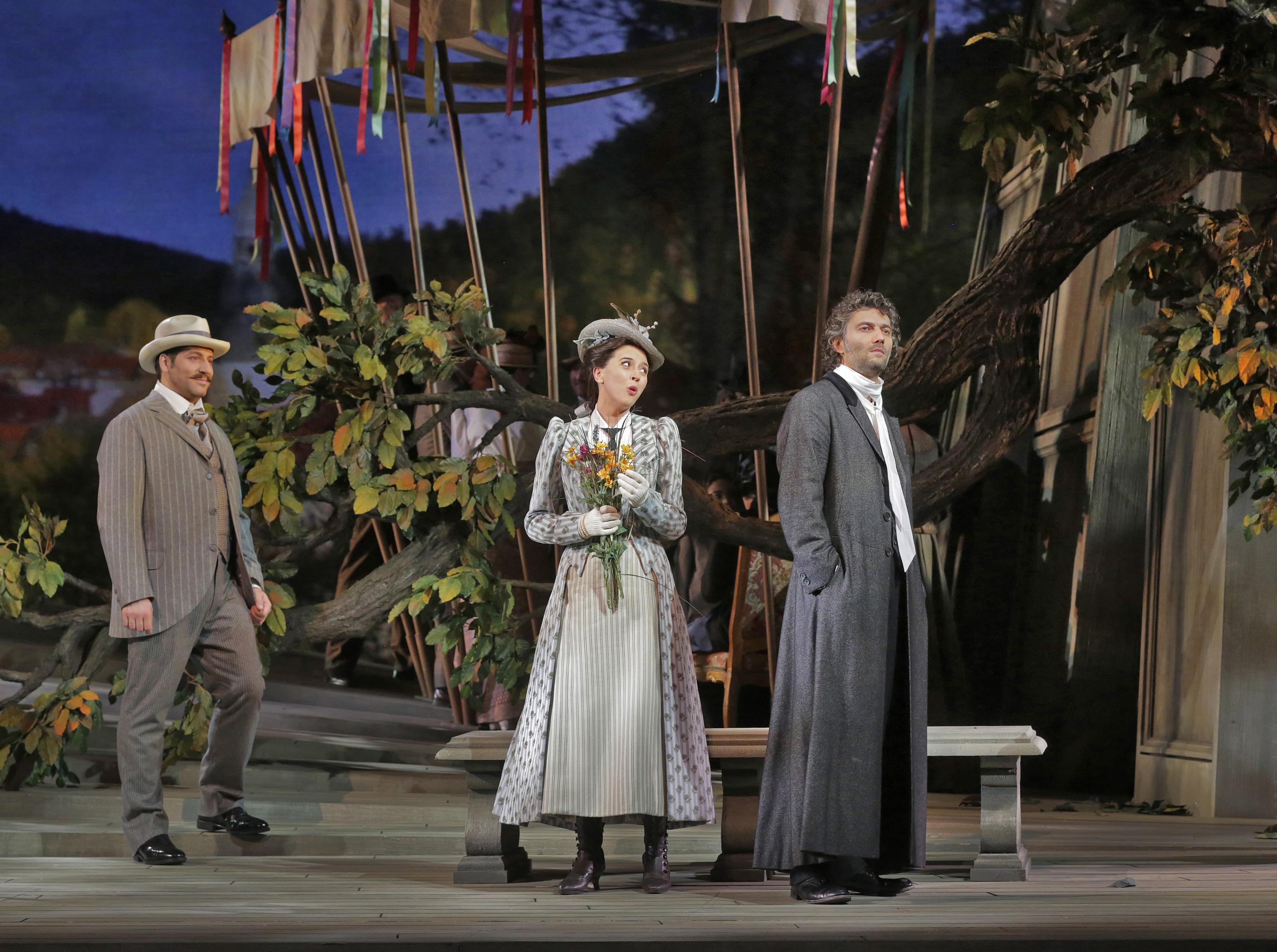
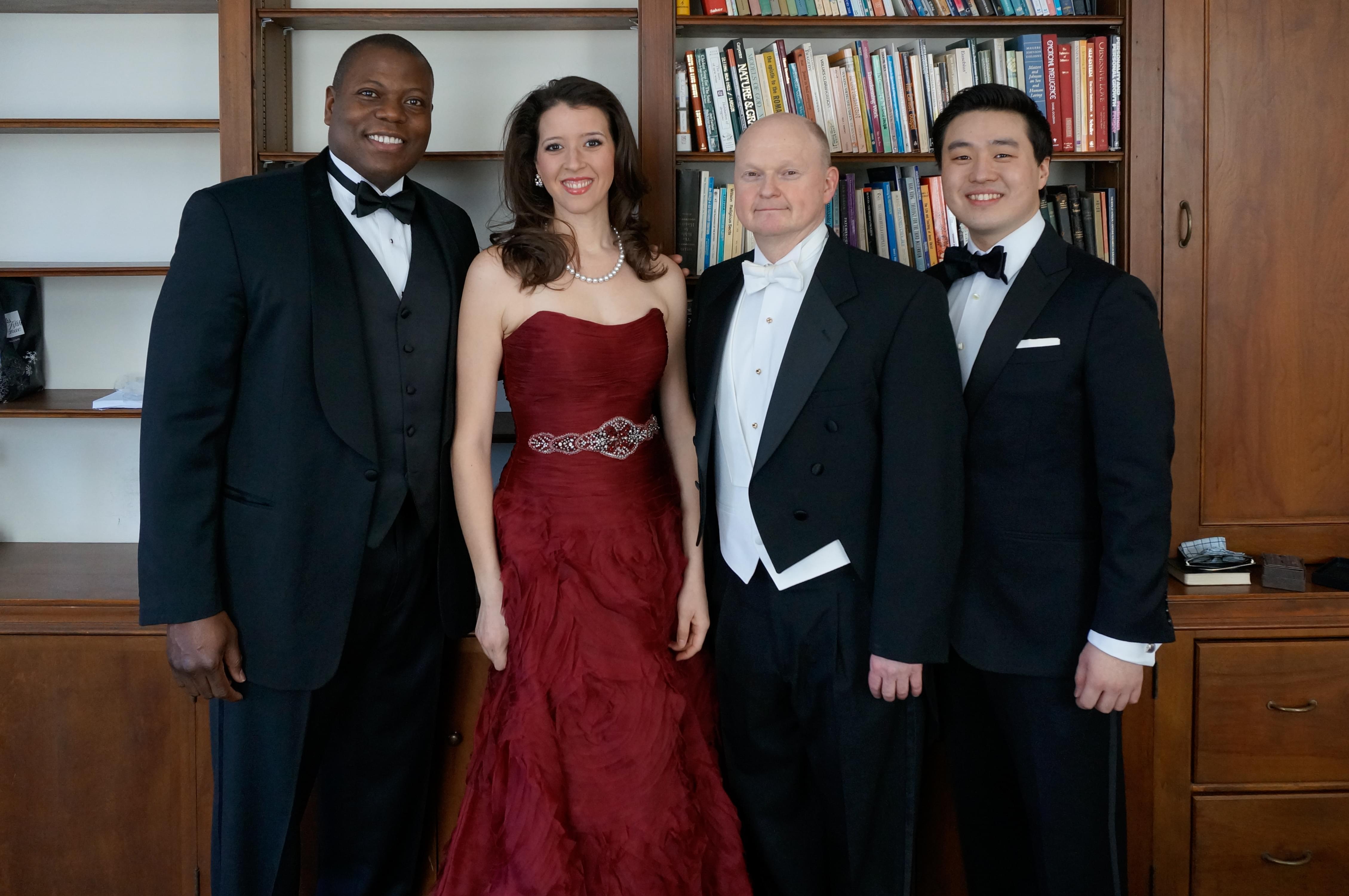
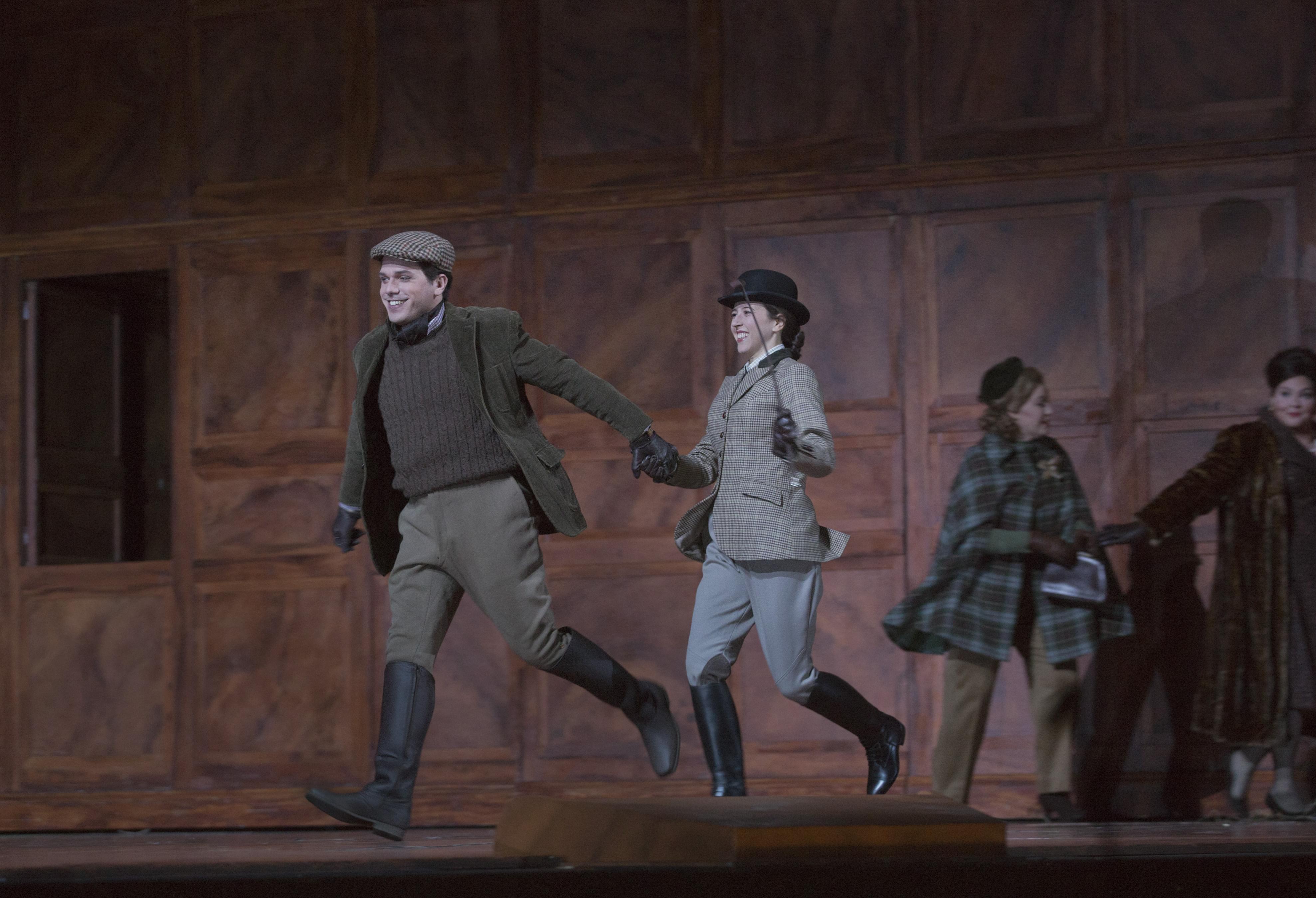
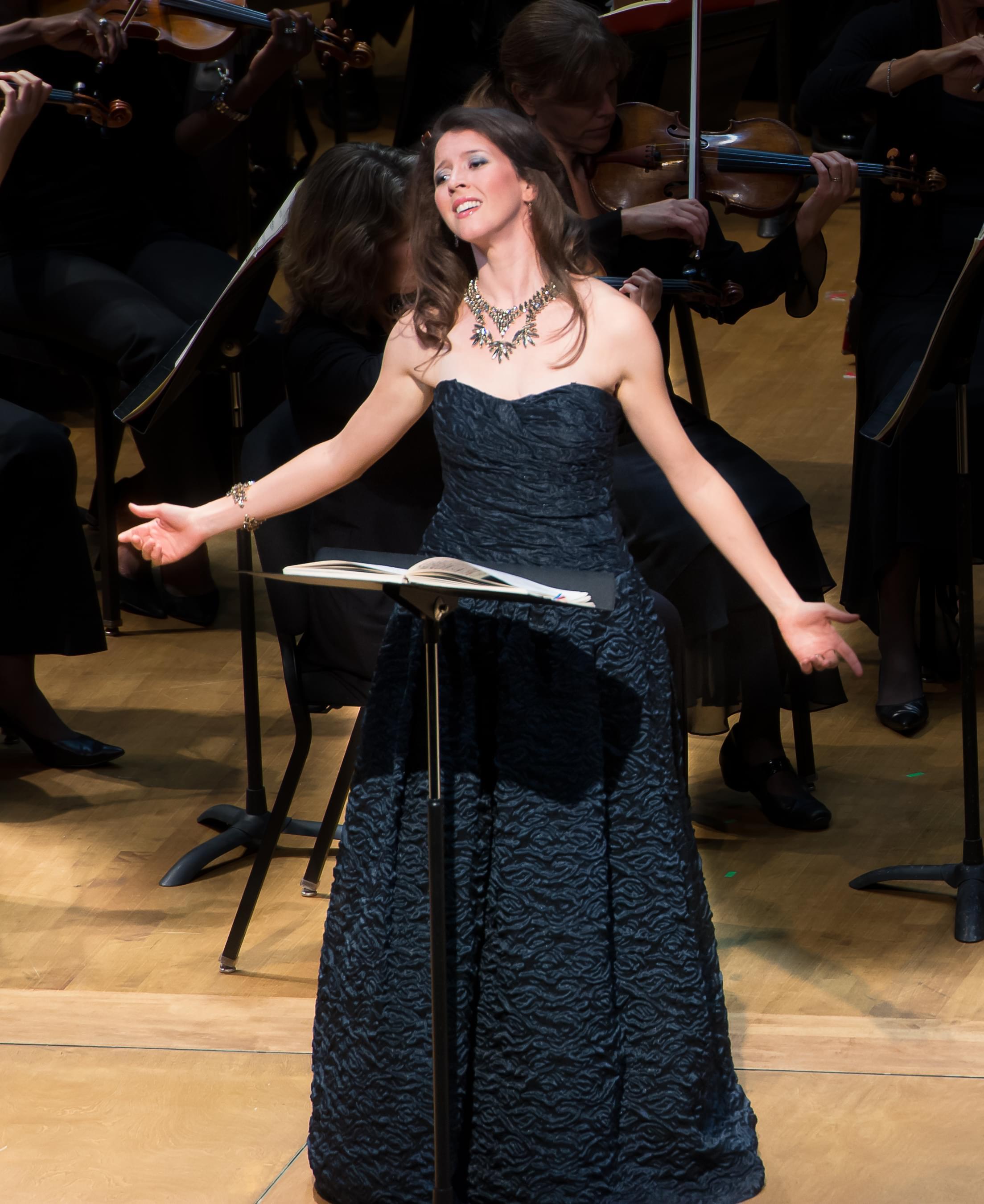
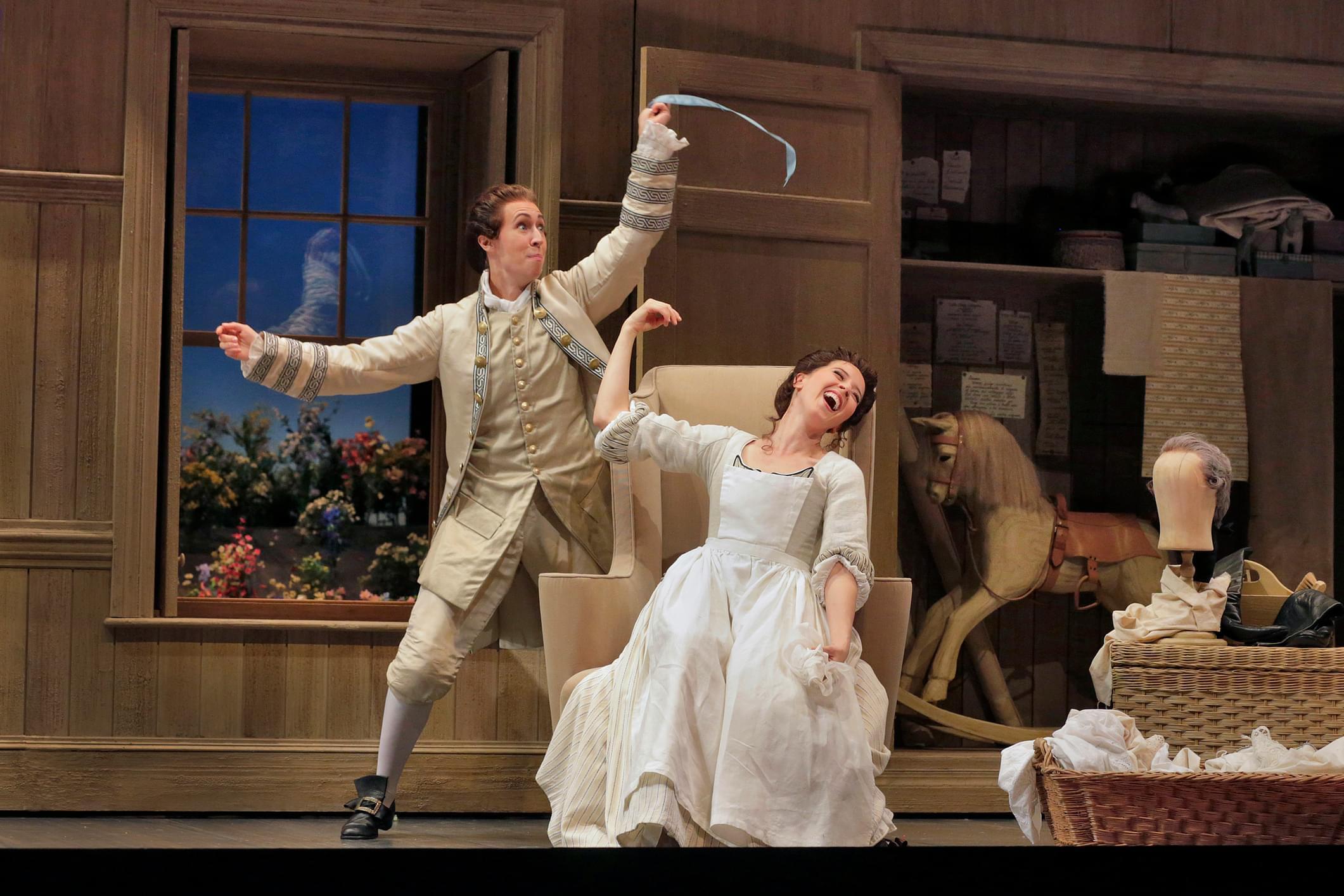


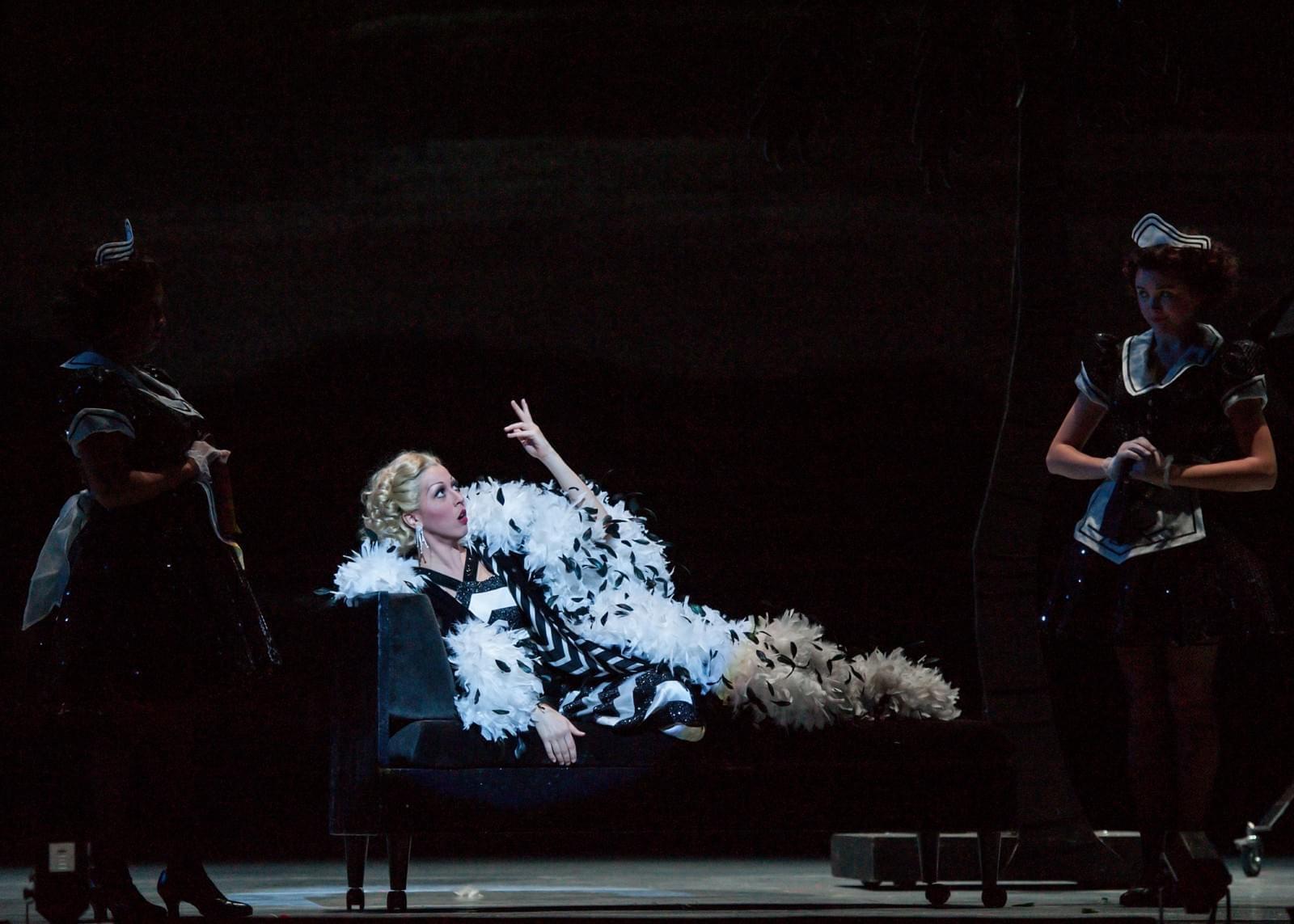
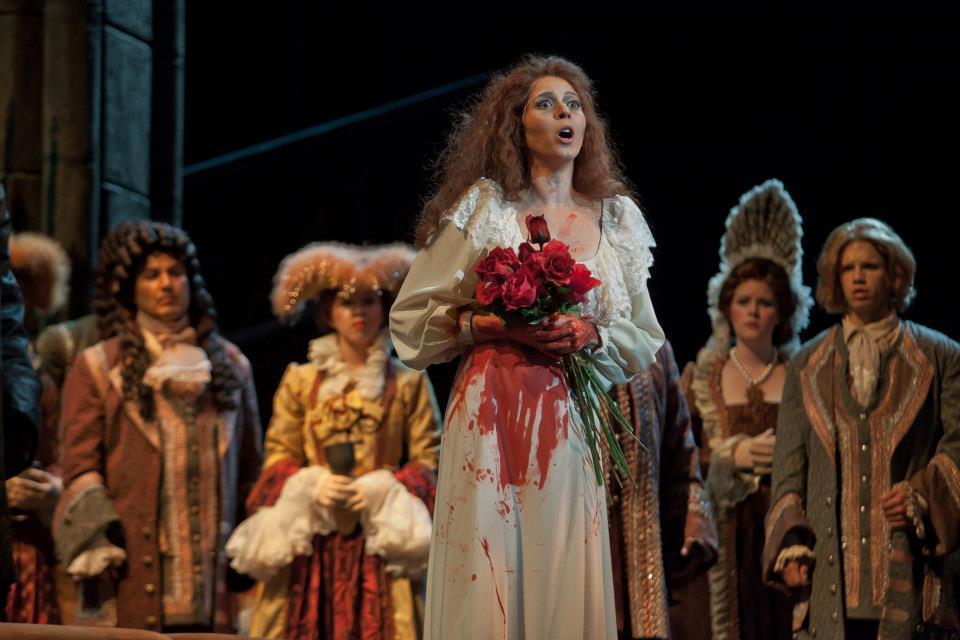
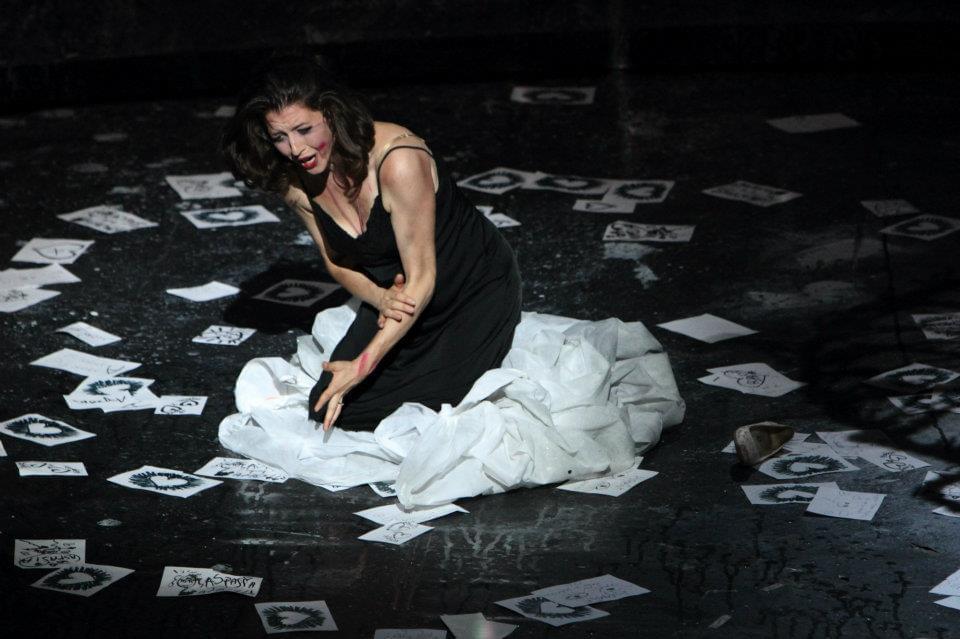
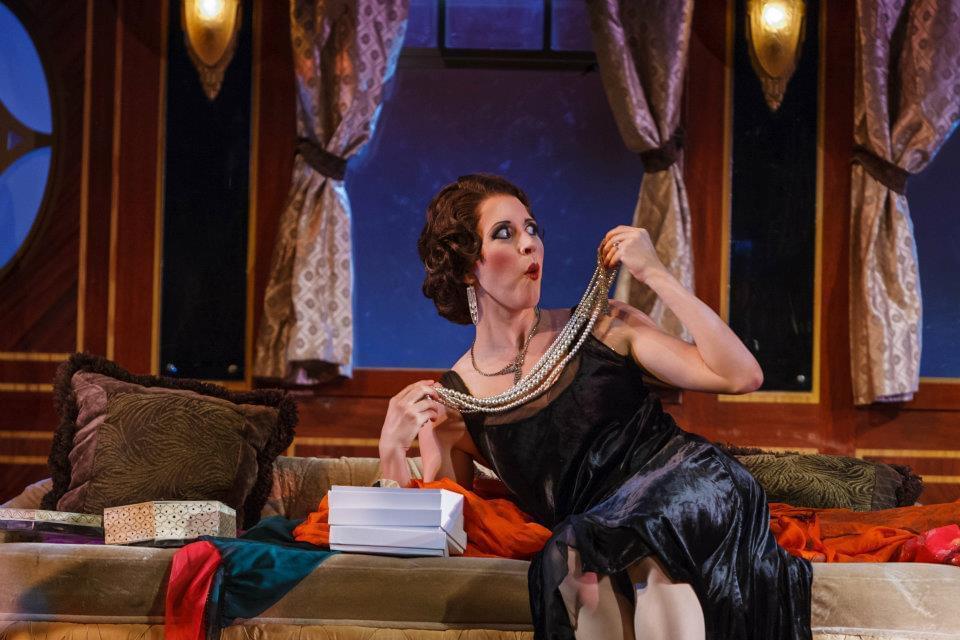
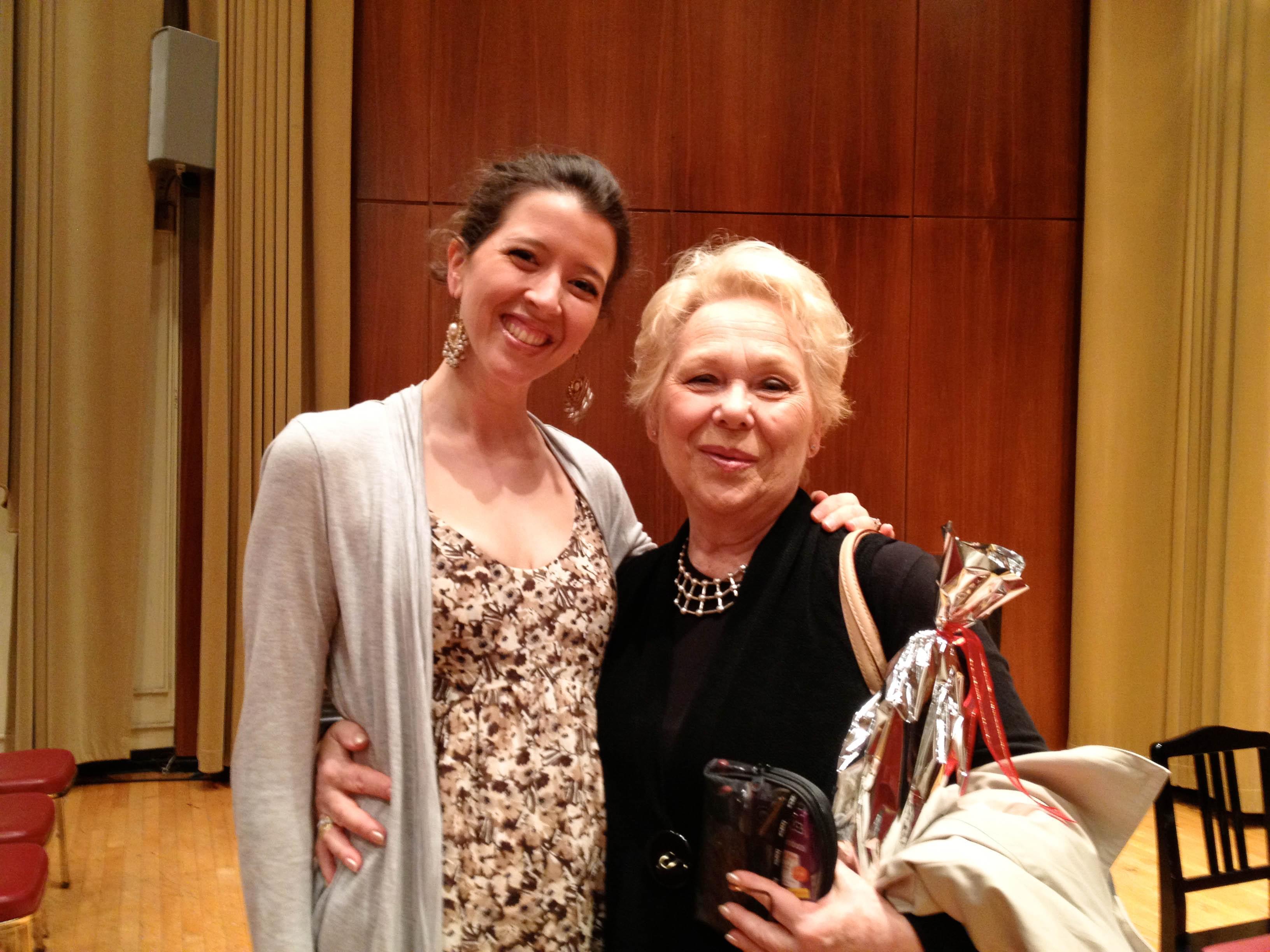
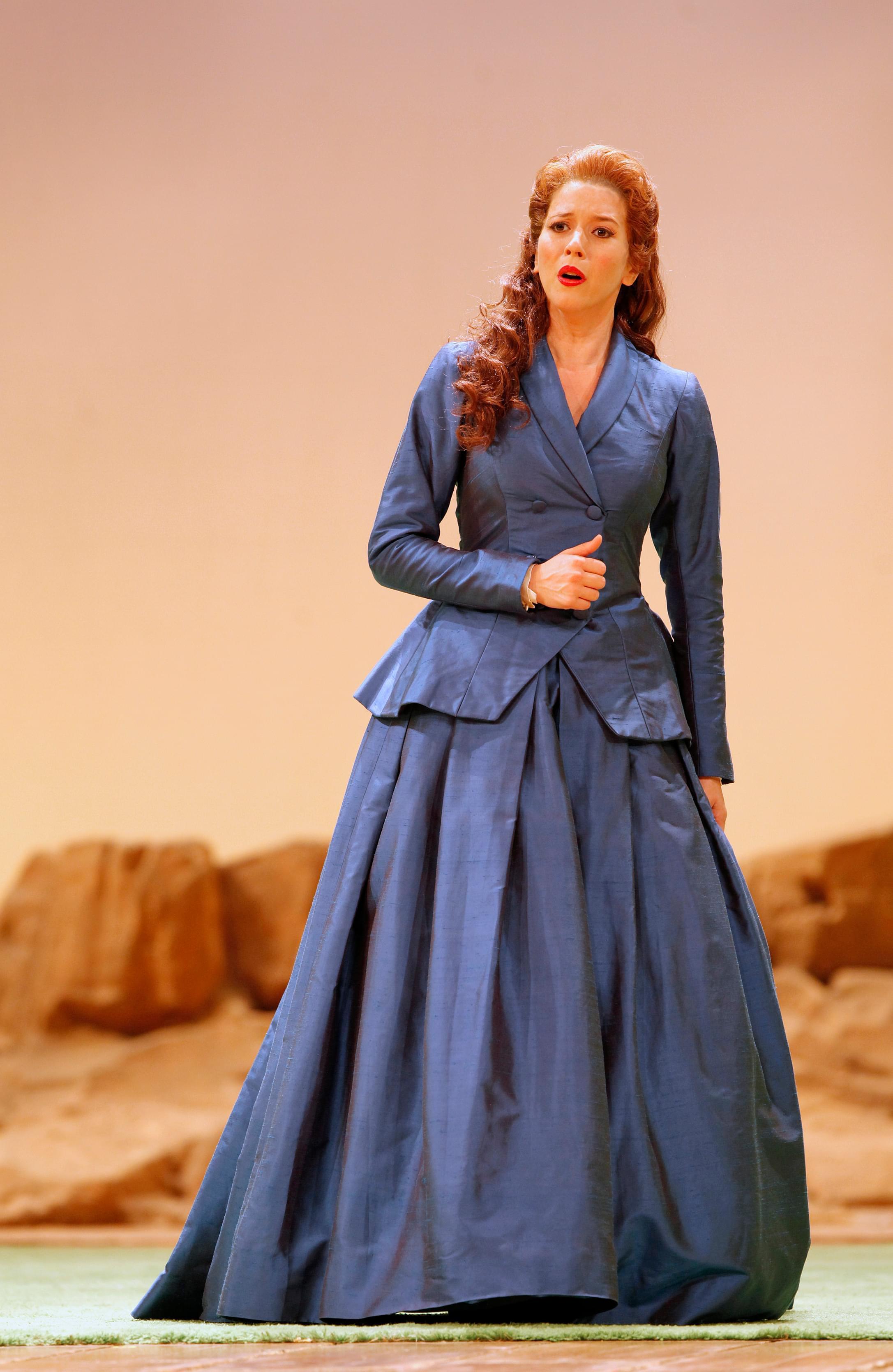
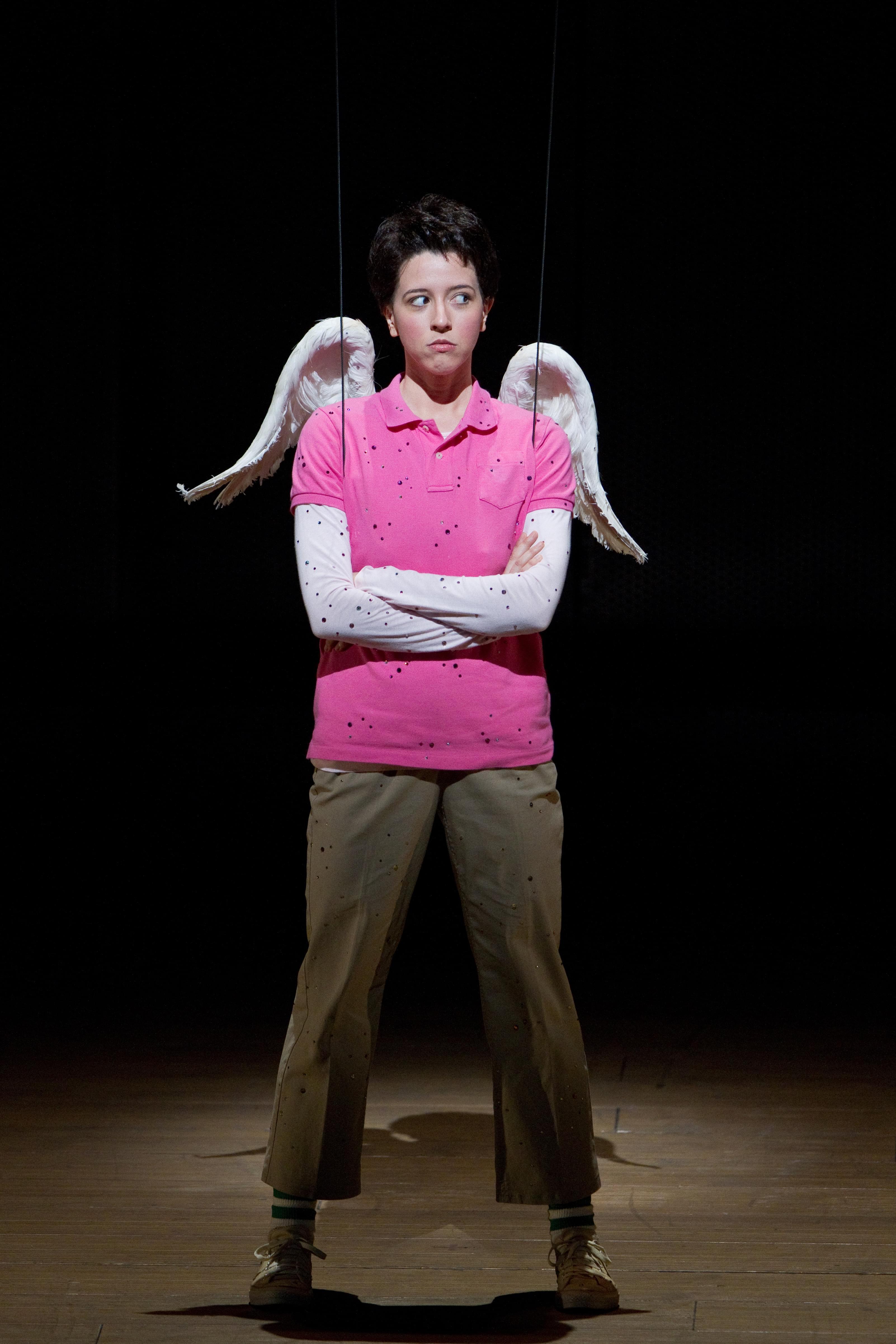




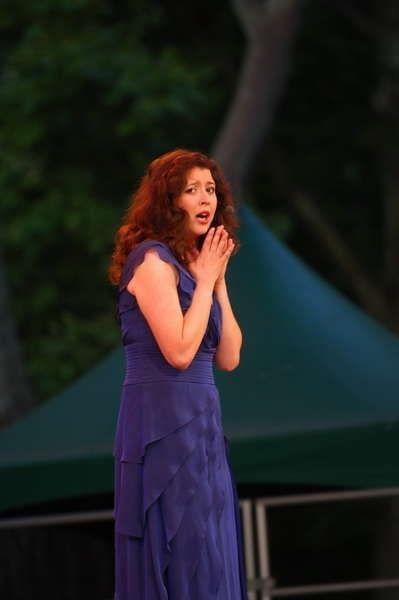
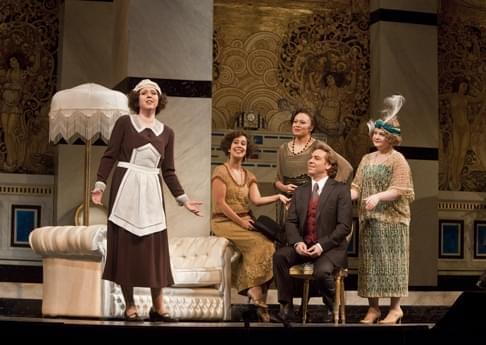
2008
-
Gilda
Baritone Mark Rucker rules as Rigoletto
Her bright lyric soprano resulted in a rendition of "Caro nome" that literally stopped the show.— Maria C. Montoya • The Times-Picayune
2007
-
Susanna
A ‘Figaro’ With Youth, Agility and Eros
Ms. Oropesa’s last-minute elevation turns out to be a more interesting story than a pregnant Susanna. She proved a vocally and physically agile Susanna, with an attractively silky, flexible timbre. Her fine comic instincts and cheerfully bright sound put her in command of the stage during much of the first two acts. But she conveyed emotional depth too, most notably in her moving, dark-hued account of “Deh vieni, non tardar” in the final act.— Allan Kozinn • New York Times