I Puritani

Music by

Vincenzo Bellini

Metropolitan Opera venue in New York, US

Metropolitan Opera

New York, US

2025/26

Wednesday
December
31
18:00
Saturday
January
03
19:00
Tuesday
January
06
19:00
Saturday
January
10
13:00
Live in HD broadcast logo
Thursday
January
15
19:00
Sunday
January
18
15:00

Cast

Elvira  Lisette Oropesa
Lord Arturo Talbo  Larry Brownlee
Sir Giorgio Valton  Christian Van Horn
Sir Riccardo Forth  Artur Rucinski
Sir Riccardo Forth  Ricardo José Rivera - Jan 10th
Enrichetta di Francia  Eve Gigliotti
Lord Gualtiero Valton  David Pittsinger
Sir Bruno Roberton  Tony Stevenson

Conductor

Marco Armiliato

Production

Charles Edwards

Costumes

Gabrielle Dalton

Lighting

Tim Mitchell

Choreography

Tim Claydon

About

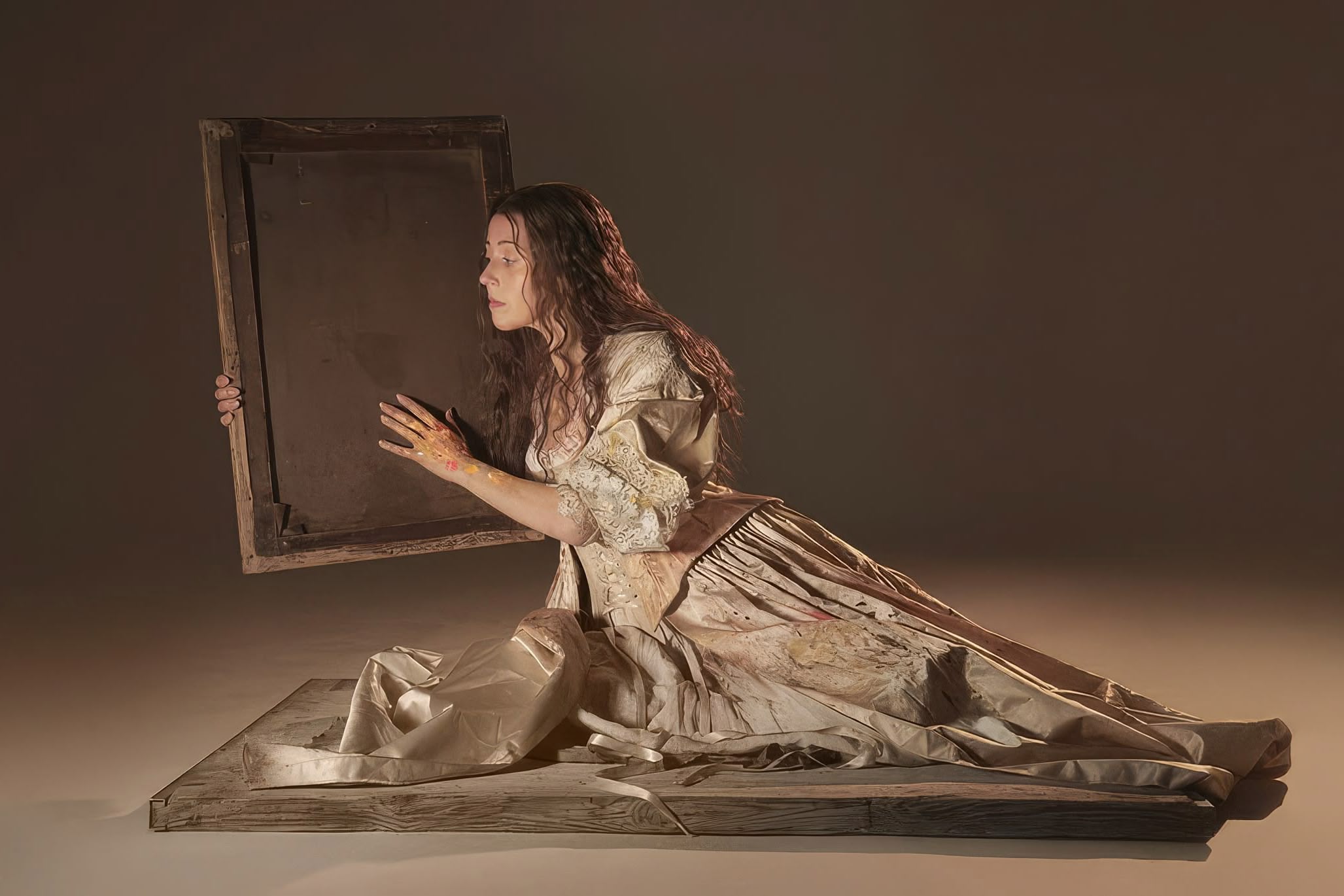
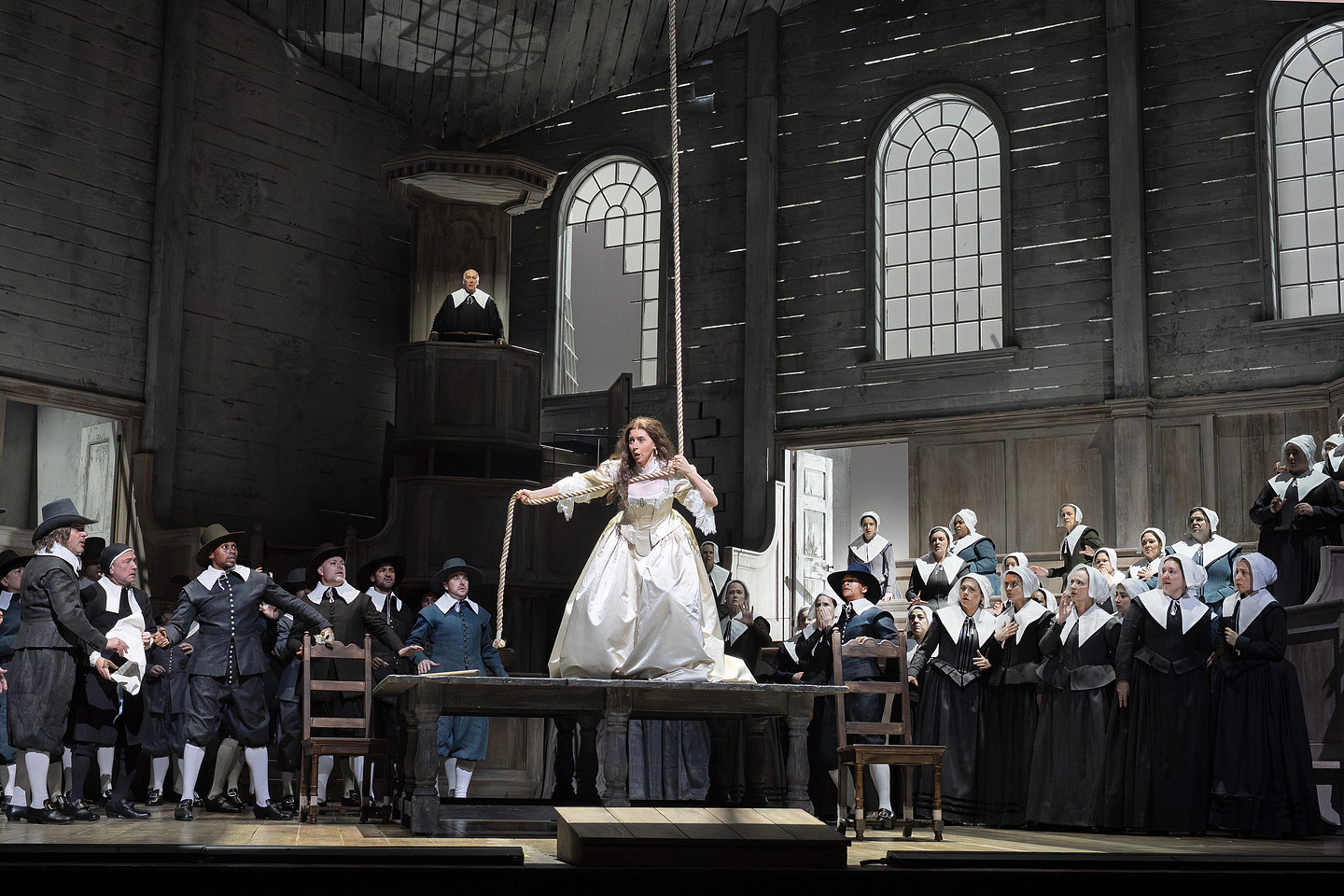
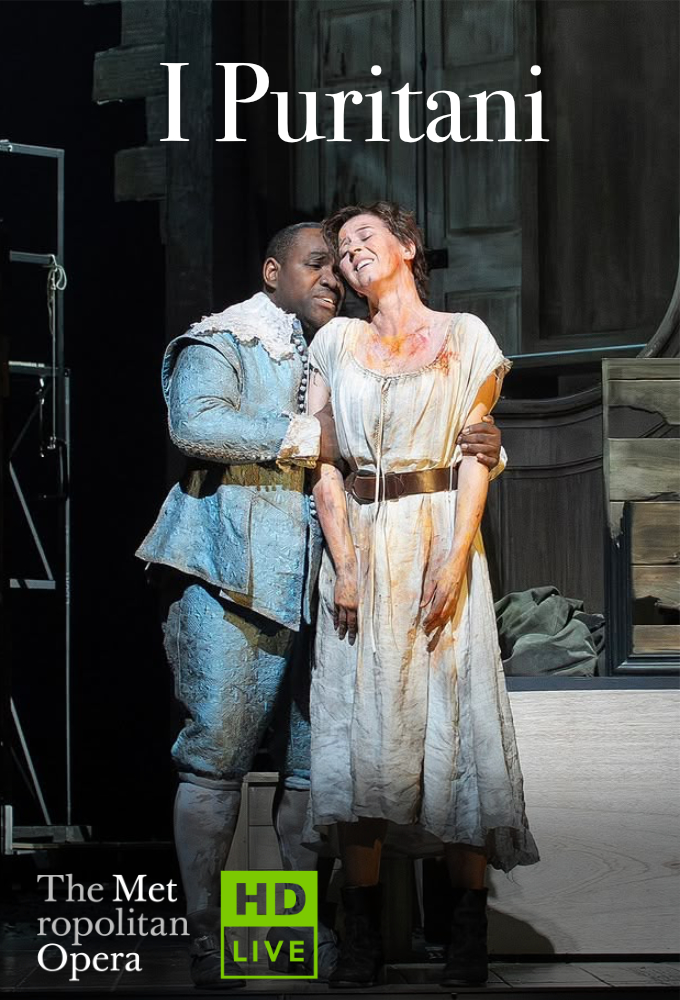
For gorgeous melody, spellbinding coloratura, and virtuoso vocal fireworks, I Puritani has few equals. On New Year’s Eve, the curtain goes up on the first new Met production of Bellini’s final masterpiece in nearly 50 years—a striking staging by Charles Edwards, who makes his company directorial debut after many successes as a set designer. The Met has assembled a world-beating quartet of stars, conducted by Marco Armiliato, for the demanding principal roles. Soprano Lisette Oropesa and tenor Lawrence Brownlee are Elvira and Arturo, brought together by love and torn apart by the political rifts of the English Civil War, with baritone Artur Ruciński as Riccardo, betrothed to Elvira against her will, and bass-baritone Christian Van Horn as Elvira’s sympathetic uncle, Giorgio.

This produciton will be LIVE IN HD on January 10th, 2026

Media

Lisette Oropesa on Bellini’s I Puritani

Trailer - I Puritani

Bellini’s I Puritani: “Qui la voce sua soave” (Lisette Oropesa)

Bellini’s I Puritani: “Vien, diletto” (Lisette Oropesa)

Bellini’s I Puritani: “Oh vieni al tempio, fedele Arturo” (Lisette Oropesa, Artur Ruciński)

Bellini’s I Puritani: “Odi! Qual suon si desta?” (Lisette Oropesa, Christian Van Horn)

Reviews

I puritani review — the Met Opera’s stars rival the greats

Oropesa’s limpid soprano is pushed to its limits in the heaviest passages of the role but the rest gives her ample opportunity to show off her dazzling coloratura and fluent trill. Where she really shines is in the long, yearning melodies that are Bellini’s hallmark.
—  Kevin Ng  •  The Times

Bellini’s music, fine cast carry the day over directorial excess in Met’s “Puritani”

Oropesa’s tone and technique were ideal for the role. Elvira is a young woman, and that youth and inexperience explain her breakdown as well as can some burning inner psychological flaw. The litheness of her voice, the agility and fluttering vibrato, put the character’s heart on her sleeve, and were a tight fit for the music and drama. Oropesa didn’t layer herself on Elvira, she sang from inside the character, and as dazzling as the vocalization often was, everything felt appropriate and organic. Her voice covered the full range of the part. While her tone in the high tessitura was occasionally inconsistent, this has a minor issue. The sheer athleticism of it was exciting to the audience, though the most impressive thing, constant throughout, was her artistry, the bravura part almost a side effect. The cascading representation of her downward mental spiral in “Oh, vieni al tempio” was effectively understated, and the sense in her singing in Acts II and III, before the reunion with Arturo, was an uncanny balance of a mind adrift shown through precise articulation and intonation.
—  George Grella  •  New York Classical Review

Vocal thrills in Met’s traditional staging of Bellini’s I puritani

In the demanding role of the heroine Elvira – torn between her love for the Royalist Arturo and her arranged marriage to Riccardo, a Puritan colonel in Cromwell’s army – is soprano Lisette Oropesa. Enduring the torments of love and her perceived betrayal by Arturo, Elvira is mentally unhinged for much of the opera, but Oropesa’s singing remained poised and even throughout. This was especially so in Act 2’s long, technically demanding “mad scene”. The main aria, “Qui la voce sua soave” – in which she alternates between moments of pain and playfulness as she hallucinates about her beloved Arturo’s presence – was a superb display of vocal virtuosity.
—  Susan Stempleski  •  Bachtrack

Review: Singers Come First in the Met Opera’s New ‘Puritani’

Oropesa’s has an outward state that swerves from ecstasy to insanity, but with a firmly held core. Even at her most desperate, she manages to retain control, especially over her voice. This holds true regardless of whether she was primly composed in her Puritan garb or refusing for months to take off her wedding dress, a Miss Havisham in the making. Oropesa needed no time to warm up on Wednesday, entering with confidence, precision and agility. Her passaggio, the sometimes perilous transition between vocal registers, was smoothly imperceptible. In one phrase that ended with a chromatic descent, she so clearly articulated each pitch down the scale, it was like listening to someone run their fingers across the keys of a piano.
—  Joshua Barone  •  New York Times

Review: The Metropolitan Opera's New I Puritani Dazzles and Confounds

But the vocal success of this production rests on Oropesa and Brownlee. Oropesa not only negotiates Elvira’s many coloratura runs with stunning ease, but captures the character’s up-and-down emotional states vividly enough to almost make the libretto’s dime-store psychology work.
—  Kenji Fujishima  •  Theater Mania

I Puritani, Metropolitan Opera review — riveting singing despite dizzying distractions

this is very much Lisette Oropesa’s show. Her Elvira has abundant charm and she uses vocal ornaments in an almost gestural manner that is powerfully expressive. Her mad scene in Act II was riveting, despite the dizzying distractions.
—  Andrew Farach-Colton  •  Financial Times

‘I Puritani’ Review: Beautifully Sung Bellini at the Metropolitan Opera

The music, however, was top-notch. Ms. Oropesa’s limpid, flexible soprano brought a heart-tugging vulnerability to Elvira, and her pealing coloratura was both accurate and expressive. She was especially mesmerizing in her extended Act 2 mad scene—“Qui la voce” and “Vien diletto.”
—  Heidi Waleson  •  Wall Street Journal

Stunning singing is the hallmark of the Met’s complex, retro I Puritani

As Elvira, Lisette Oropesa spun out Bellini’s melodies and flowing lines with the utmost care. ‘Son vergin vezzosa’ was a joyous expression of love captured in fleet, bubbling coloratura and luminous high notes. When Elvira gave voice to her shattered mental state in ‘Qui la voce … Vien, diletto’, Oropesa employed those same vocal skills and musicality to express total despair.
—  Rick Perdian  •  Seen and Heard International

Jan 7, 2026 Metropolitan Opera 2025-26 Review: I Puritani

In her famed mad scene, Oropesa had to compete with the aforementioned chorus members’ exits and a huge set of distractions. But the soprano was up to the task. From her first, off-stage “O rendetemi la speme,” you could sense her longing for Arturo singing with her long legato lines. Then as she went on stage for “Qui la voce sua soave,” the soprano began her first verse with tender and smooth lines. The “Ah! tu sorridi e asciughi il pianto!,” interlude maintained a delicacy that soon turned to darker tones, especially in her lower notes. In the repeat of the A melody, Oropesa sang with slight accents, particularly on each repeat of “O lasciate, lasciatemi morir,” giving the line a little more aggressiveness. She pushed the melody forward, helping express the character’s ever-growing desperation. In the subsequent, “Vien diletto e in ciel la luna,” Oropesa once again displayed prowess in her coloratura each time rising to exquisite high notes and impeccable fioritura. Her E-Flat that capped off the mad scene resonated with striking power.
—  Francisco Salazar  •  OperaWire

Review: PURITANI Is Bel Canto Bliss with Oropesa and Brownlee under Armiliato's Baton

She goes in and out of sanity, from the end of Act I to almost the end of the opera, which is great for the opportunity to offer showpieces for Oropesa—she sounded particularly fine in the latter part of the work—and she took advantage of every one of them.
—  Richard Sasanow  •  Broadway World

Les Puritains en direct du MET : De la musique à en perdre la raison

Que dire du couple Lisette Oropesa/Lawrence Brownlee ? On atteint ici des sommets de technique vocale, dont on admire aussi la prise de risque : dans sa recherche de nuances, la soprano américaine pousse la voix jusqu’à sa limite, et ne se contente pas d’assurer ses aigus.
—  Claire-Marie Caussin  •  Classy Keo

NEW YORK – WIEN / Die Met im Kino: I PURITANI

Nun ist es Lisette Oropesa. Obwohl sie schon seit gut einem Jahrzehnt an der Weltspitze singt, hat sie nichts von der Schlankheit. Frische und Jugendlichkeit ihres für Belcanto wie geborenen Soprans verloren. Bei ihr wird technische Sicherheit, die sie bis in die höchsten Höhen nie verlässt (Spitzentöne, die gegebenenfalls Chor- und Orchestermassen übertönen), nicht zur bloßen Virtuosität, sondern steht immer im Dienst des Ausdrucks. Diese Elvira hat von Glück bis Verzweiflung schon alles in der Stimme – dass sie von der Regie her manche Dummheit abliefern muss, erledigt sie wenigstens ohne Peinlichkeit. Auch wenn sie im letzten Akt mit Kurzhaarfrisur und einer Art billigem Sommerkleid da steht (obwohl die Kostüme sonst mehr oder minder historisierend sind), packt sie auch das noch ohne weitere Peinlichkeit. Keine Frage, wenn man die Oper spielt, dann für sie, und wenn sie singt, ist dem Opernfreund das Ambiente mehr oder minder egal.
—  Renate Wagner  •  Online Merker

Crítica: El Met estrena 2026 con Oropesa, Brownlee, Ruciński y Van Horn en «I Puritani».

Lisette Oropesa, reina absoluta Lisette Oropesa fue la gran triunfadora de la noche y el auténtico eje emocional de la representación. Su Elvira estuvo siempre cantada desde el control absoluto de la partitura, construyendo un personaje coherente, expresivo y vocalmente deslumbrante. Su bel canto fue expansivo y cuidado, con líneas de gran belleza, pianissimi redondos y sostenidos con aparente facilidad, y una musicalidad de primerísimo nivel. La voz Oropesa sigue siendo liviana, pero mantiene su complejidad tímbrica, con brillo arriba y madera abajo. La soprano confirmó una vez más que es hoy una de las grandes especialistas del repertorio belliniano, por aunar con arte el virtuosismo técnico y la expresión más íntima.
—  Carlos J. López Rayward  •  Opera World

I puritani

Hier ist zunächst Lisette Oropesa zu nennen, die die Partie bereits in Paris interpretiert hat und im vergangenen Jahr kurzfristig bei den Winterfestspielen in Erl eingesprungen ist. Schon bei ihrem ersten Auftritt mit Elviras Onkel Giorgio glänzt Oropesa mit sauber angesetzten Höhen und geschmeidigen Linien. Wenn sie dann erfährt, dass ihr Vater der Hochzeit mit Arturo zugestimmt hat, jubiliert sie in den höchsten Tönen mit sauber angesetzten Koloraturen. Beeindruckend gelingt ihr auch die Szene, in der sie über den vermeintlichen Verrat ihres Geliebten dem Wahnsinn verfällt. Hier reißt Oropesa das Publikum stimmlich erneut zu Begeisterungsstürmen hin. Einen weiteren Höhepunkt stellt dann ihre große Wahnsinnsszene im zweiten Akt dar. Hier klingt ihr Sopran in den zerbrechlichen Höhen regelrecht entrückt. Bei der glücklichen Wiedervereinigung mit dem Geliebten Arturo schraubt sie sich dann im folgenden Duett scheinbar mühelos in schwindelerregende Höhen.
—  Thomas Molke  •  Online Musik Magazin

Les Puritains de Bellini dépoussiérés au Met

Elvira Walton est incarnée par Lisette Oropesa, qui déploie une voix lumineuse au vibrato rapide. Sa colorature, d’une agilité et d’une précision remarquées, s’appuie sur des aigus et suraigus brillants et puissants, toujours parfaitement timbrés. L’engagement théâtral et la finesse expressive de la soprano lui permettent de composer un personnage d’une grande complexité, dont la folie rappelle son interprétation saisissante du rôle-titre de Lucia di Lammermoor au Teatro Real de Madrid en 2018. Elle déploie ainsi toute l’étendue de son art belcantiste, alliant virtuosité technique et profondeur dramatique.
—  Moisés Ordóñez Alarcón  •  Olyrix

Bellini: I Puritani at the Met Opera | Live Review

Lisette Oropesa’s Elvira was just about perfect – dramatically apt from innocence to madness and back but with an attention to text and dynamics that made the opera come to life as something other than a vocal showcase. The role requires agility, even emission, a handsome tone, ease in coloratura and staying power. All were in evidence and the many exposed high notes were not merely ornamental, they were organic.
—  Robert Levine  •  Opera Now

BELLINI, I puritani – New-York (streaming)

En grande forme, Lisette Oropesa, donne d’Elvira une interprétation encore plus aboutie qu’à Paris la saison passée. « Son vergin vezzosa » met en valeur la fluidité de ses vocalises et la précision de ses trilles impeccables, « O rendetemi la speme » est phrasé avec un timbre éthéré et une infinie délicatesse, enfin la cabalette « Vien diletto » exalte sa maîtrise de la colorature, notamment dans la reprise dont les ornementations jusqu’au mi bémol lui valent une ovation bien méritée.
—  Christian Peter  •  Forum Opera

I Puritani in New York

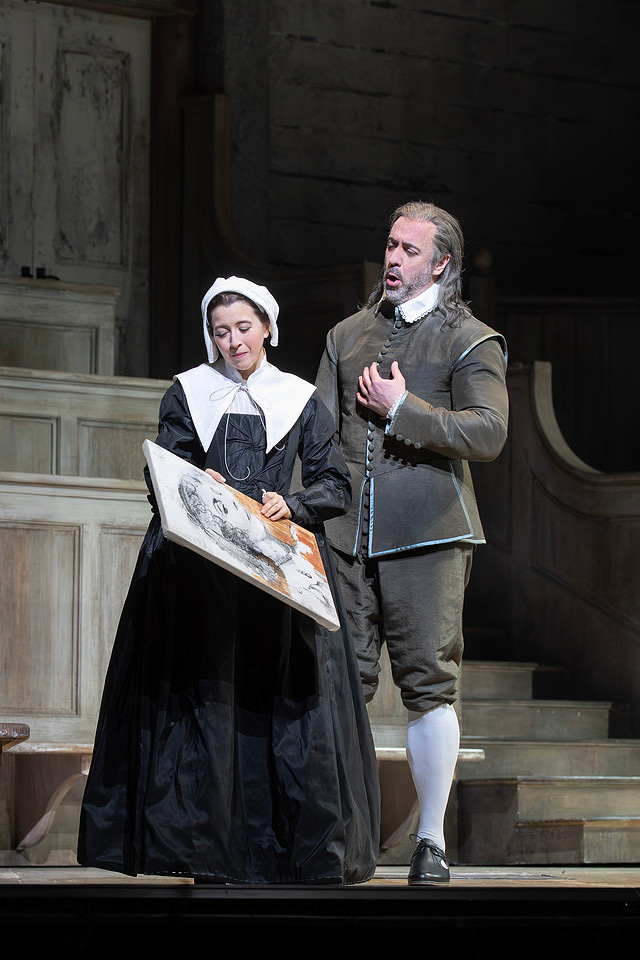
Lisette Oropesa est une Elvira lumineuse, d’une agilité et d’une musicalité exemplaires, distillant trilles et demi-teintes avec une intelligence du texte admirable. Même affublée d’une idée absurde – dessiner frénétiquement des portraits pendant ses scènes de folie –, elle parvient à émouvoir.
—  David Shengold  •  Opera Magazine

Performance History

Lisette has given 21 performances as Elvira.