
:format(webp)/https://lisetteoropesa.com/media/gallery/2020/teatro-alla-scala-a-riveder-le-stelle/06-lisette-oropesa_header.jpg)
Career
Every engagement since 2005, newest first. Upcoming performances are on the Schedule.
2023

La fille du régiment (Marie)
:format(webp)/https://lisetteoropesa.com/media/gallery/2023/lyric-opera-chicago-la-fille-du-regiment/13-lisette-oropesa-lawrence-brownlee.jpg)
New recruits and seasoned veterans join forces in a winning strategy at Lyric
Lisette Oropesa makes her Lyric debut in the title role, and is engaging every moment she is on stage. Her soprano floats beautifully with purity of tone, and there are thrilling top notes. Her virtuosic coloratura is a joy. Oropesa is also a splendid actress. In the first act she presents a spunky, headstrong tomboy with ebullient comedy, immediately endearing us to Marie. Her physical humor is pitched perfectly, with just the right amount of silliness. It is delightful that many of her funny gestures and movements are designed to match the music’s rhythms.
When Marie is forced to hat up and leave the regiment with the Marquise, thus putting many klicks between her and those she loves, Oropesa turns to the comedy of obstinance. Every time she catches flak from the Marquise she generates many giggles with her pouting and mulish antics.
—
M.L. Rantala
•
Hyde Park Herald


La traviata (Violetta Valery)
:format(webp)/https://lisetteoropesa.com/media/gallery/2023/wiener-staatsoper-la-traviata/02-lisette-oropesa.jpg)
VIENNA / State Opera: LA TRAVIATA
Lisette Oropesa als Violeta Valéry setzt neue Maßstäbe für Simon Stones La Traviata
Oropesas eher lyrischer als dramatischer Sopran beeindruckt mit schimmernder Schönheit, ist technisch perfekt und ermöglicht ihr ein müheloses Legato und präzise himmlische Koloraturen, auch in höchster Stimmlage. Das duftig leichte Timbre und ihr feines Vibrato verleihen ihrer Stimme einen pochenden, eindringlichen Klang. Wunderbar gestaltet sie das „Sempre libera“ und die Triller in „Ah, fors‘ è lui“ im dritten Akt. Wehmütig und gleichzeitig doch auch lebensfroh. Bei der Gestaltung der Rolle kommt Oropesa ihr untrügliches Gespür für Charaktere zugute. Im ersten Akt wirkt ihre Violetta noch etwas gekünstelt, narzisstisch und kapriziös. Die Entdeckung der wahren Liebe mit Alfredo verwandelt sie im zweiten Akt in eine verantwortungsbewusste, liebende, sorgende Frau, wozu auch das Gespräch mit Alfredos Vater beiträgt. Im dritten ist sie dann von der tödlichen Krankheit schwer gezeichnet, schwankend zwischen totaler Verzweiflung und aufkeimender Lebenslust, was sie auch stimmlich hören lässt. Dazu gehört Mut. Oropesas Gestaltung der Sterbeszene kann ergreifender nicht sein, auch wenn ihr von der Regie auferlegte stetes Voranschreiten auf der Drehbühne in krassem Widerspruch zu ihrer elenden körperlichen Verfassung steht. Aber wenn die Traviata dann im hell gleißenden Spalt verschwindet, ist das ein effektvoller, kaum zu überbietender Abgang.
Lisette Oropesa as Violeta Valéry sets new standards for Simon Stone's La Traviata
Oropesa's rather lyrical than dramatic soprano impresses with shimmering beauty, is technically perfect, allowing for effortless legato and precise heavenly coloratura, even in the highest register. The airy light timbre and her delicate vibrato give her voice a pulsating, compelling sound. She wonderfully shapes the "Sempre libera" and the trills in "Ah, fors' è lui" in the third act. Wistful yet also joyful. In portraying the role, Oropesa benefits from her unerring sense of characters. In the first act, her Violetta appears somewhat artificial, narcissistic, and capricious. The discovery of true love with Alfredo transforms her into a responsible, loving, caring woman in the second act, also aided by the conversation with Alfredo's father. In the third act, she is heavily marked by the deadly illness, oscillating between total despair and burgeoning joie de vivre, which is also evident in her voice. It requires courage. Oropesa's portrayal of the death scene couldn't be more moving, even though the continuous progression imposed on her by the direction on the rotating stage starkly contradicts her miserable physical condition. However, when Traviata then disappears into the brightly shining gap, it is a striking and incomparable exit.
—
Manfred A. Schmid
•
Online Merker
La traviata (Violetta Valery)
:format(webp)/https://lisetteoropesa.com/media/gallery/2023/teatro-dell-opera-di-roma-la-traviata/13-lisette-oropesa.jpg)
[Report] Rome Opera House 2023 Japan performance “La Traviata” first day report
On the opening day of La Traviata at the Roman Opera House, Lisette Oropesa, who played the heroine, showed the Japanese audience that she is the goddess of opera and the ultimate Violetta. She has a pretty appearance and looks great in Valentino's costumes, and even in the long aria of the first act, she did not lose her composure, and she did not hesitate to use her ultra-high notes to resonate bravely. Her emotional expression is rich, but the reason it never becomes tedious is probably because there is a mysterious mystique in her voice. There are singers who play this role in a verismo style and end up with a dull voice, but Oropesa's emotional expression is musical and elegant, and the high level that she aims for in her opera. No matter how much you listen to her, she has a voice that makes you want to hear more, and some of her sounds reminded me of golden-era Maria Callas recordings (even though her physique was completely different!) ). There is a faint classical elegance to it, and above all, the tragic nature of the story is conveyed in a very true manner.
—
Hisae Odajima
•
NBS
:format(webp)/https://lisetteoropesa.com/media/gallery/2023/guild-hall-recital/02-lisette-oropesa.jpg)
Recital
:format(webp)/https://lisetteoropesa.com/media/gallery/2023/pro-musica-aguilas-recital/03-lisette-oropesa-ruben-aguirre.jpg)
ÁGUILAS / Lisette Oropesa y la maldición de la Princesa de Bouillon
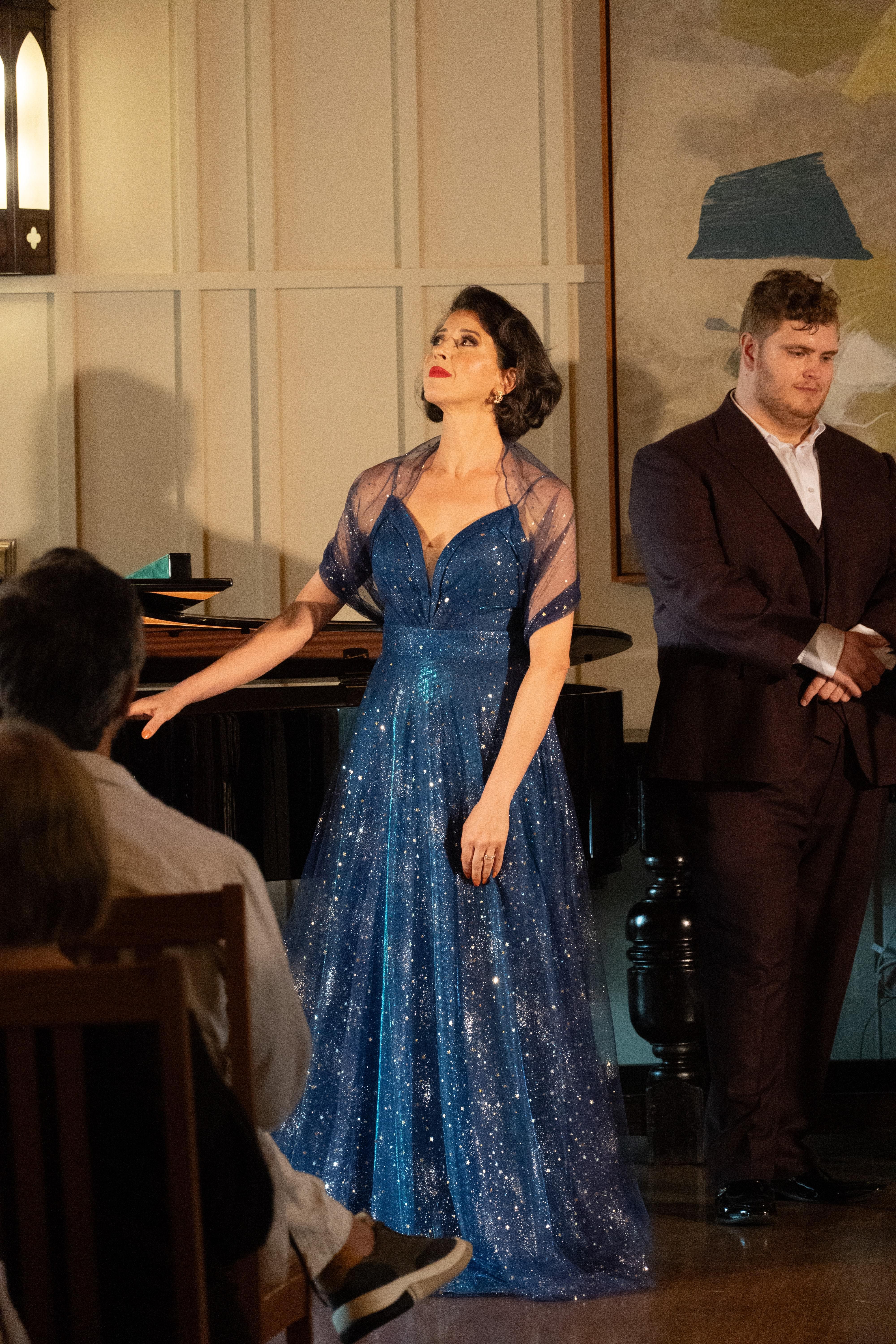
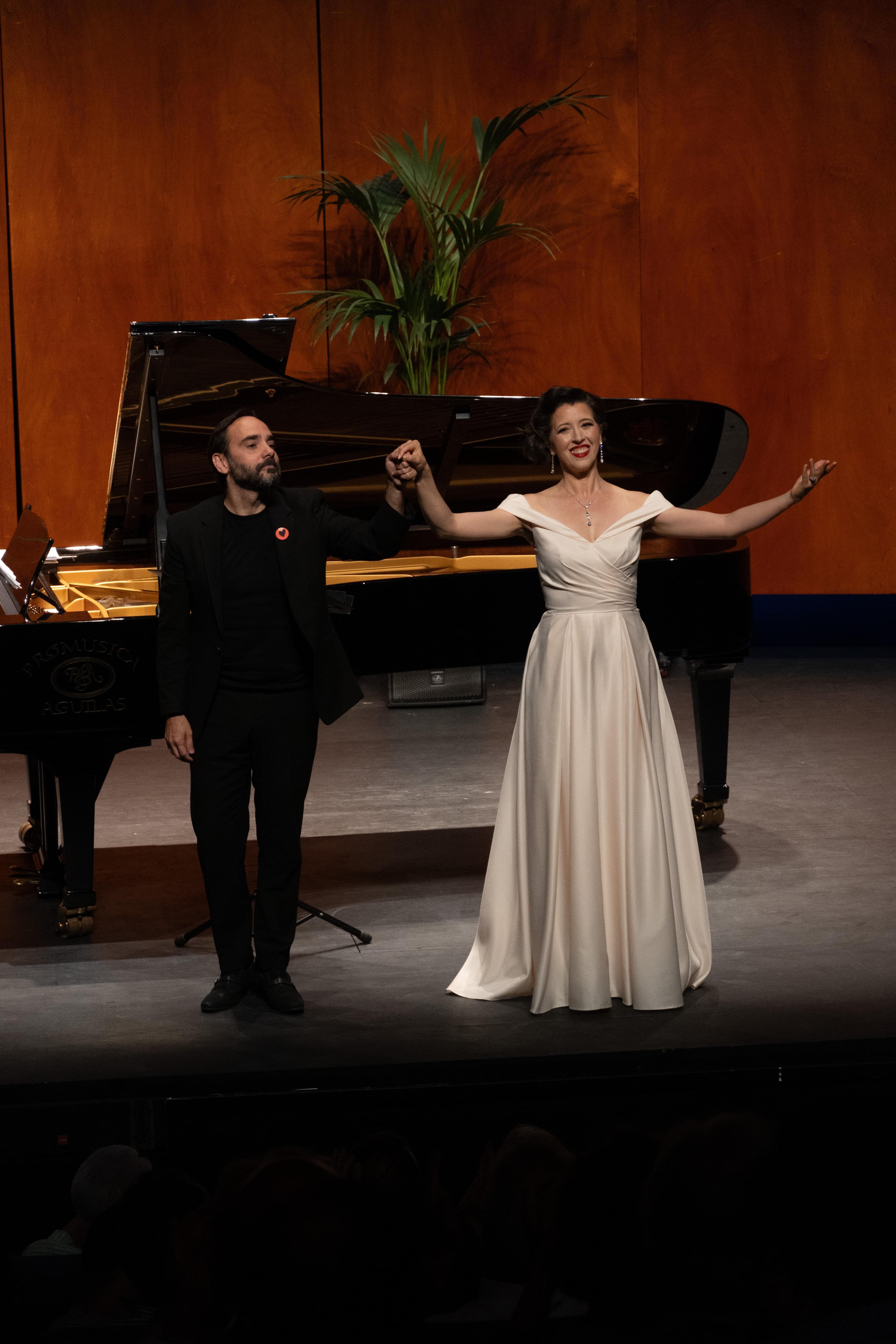
Para entonces y ya desde el bolero “¡Ay pobre Curro mío!” de Gounod con el que se abrió el recital, Oropesa se había metido en el bolsillo al respetable gracias a la capacidad comunicativa de su voz y de su manera de frasear. La voz es de un timbre seductor, con matices levemente oscuros en origen que adquieren brillo mediante una técnica de colocación y de proyección intachables, de manera que cuando sale, la voz tiene un temblor de emoción y una gama de colores que la hacen inconfundible. Con el sonido perfectamente cubierto en toda la gama, las transiciones entre registros prácticamente no existen, el sonido fluye con una naturalidad desarmante sin saltos ni cambios, plenamente audible en todo el espectro dinámico. Con tales herramientas técnicas a su servicio, Oropesa puede abordar con seguridad el terreno expresivo del fraseo que la ha encumbrado al podio mundial de la ópera.
By then, and even from the bolero "¡Ay poor Curro mio!" by Gounod, which opened the recital, Oropesa had won over the audience due to the communicative power of her voice and her way of phrasing. The voice is of a seductive timbre, with slightly dark nuances in origin that gain brightness through unblemished placement and projection techniques so that when it emerges, the voice has a tremor of emotion and a range of colours that make it unmistakable. With the sound perfectly covered across the range, transitions between registers are practically non-existent, the sound flows with disarming naturalness without jumps or changes, and is fully audible in the entire dynamic spectrum. With such technical tools at her service, Oropesa can confidently tackle the expressive terrain of phrasing that has elevated her to the global opera podium.
—
Andrés Moreno Mengíbar
•
Scherzo Magazine
La traviata (Violetta Valery)

Verona: Violetta è tutto
Riferimento attuale per il ruolo è il soprano Lisette Oropesa che ci regala una esecuzione ricca di trasporto emotivo che non perde mai di vista né il fraseggio né l’intonazione risultando fluente e cristallina nell’emissione. Ha piena consapevolezza anche della teatralità del movimento che le permette di portare in scena una Violetta credibilissima.
Applausi per tutto il cast, con ovazioni per Meli e vera e propria standing ovation per la Oropesa, concludono questa riuscita serata.
The current benchmark for the role is soprano Lisette Oropesa, who offers us a performance rich in emotional expressiveness that never loses sight of either the phrasing or the pitch, resulting in a delivery that is flowing and crystalline. She is also fully aware of the theatricality of movement, which allows her to present a highly believable Violetta on stage.
Applause for the entire cast, with ovations for Meli and a genuine standing ovation for Oropesa, concluded this successful evening.
—
Matteo Pozzato
•
Le Salon Musicale
Lucie de Lammermoor

Le festival d’Aix se referme sur une mémorable LUCIE DE LAMMERMOOR
Si Lisette Oropesa est l’une des Lucia les plus renommées du moment, cette Lucie française constitue une prise de rôle pour la soprano américaine, qui délivre ici une prestation d’exception. La diction française est excellente : l’intelligibilité des paroles est quasi constante – mais aussi l’intelligence du texte : de toute évidence, Lisette Oropesa comprend parfaitement ce qu’elle chante, et cela s’entend. Vocalement, tout est au rendez-vous : agilité, suraigus superbes, mais surtout une émotion constante, avec une très belle progression dramatique. Sa scène de folie est absolument mémorable : elle commence dans une forme de sidération froide avant de basculer dans l’émotion hallucinée. Quand Lisette Oropesa entame « À toi ma vie… », le public, subjugué, semble carrément en apnée ! Elle nous gratifie d’ornements virtuoses (très) généreux, alterne à nouveau avec un détachement impassible (« Mais je ne suis point parjure »), et finit dans le délire et l’exaltation, le tout porté, toujours, par une technique infaillible (« Je vais loin de la terre » : variante de « Je vais quitter la terre » ?…). La chanteuse obtient un véritable triomphe, parfaitement justifié.
If Lisette Oropesa is one of the most renowned Lucias of the moment, this French Lucie is a role debut for the American soprano, who delivers an exceptional performance here. The French diction is excellent: the intelligibility of the words is almost constant - but also the understanding of the text: evidently, Lisette Oropesa fully understands what she is singing, and it shows. Vocally, everything is in place: agility, superb high notes, but above all, continuous emotion, with a very beautiful dramatic progression. Her mad scene is absolutely memorable: it begins in a form of cold shock before slipping into hallucinated emotion. When Lisette Oropesa begins "À toi ma vie...", the audience, captivated, seems to be completely breathless! She graces us with generously (very) virtuosic ornamentation, again alternating with a detached impassivity ("Mais je ne suis point parjure"), and ends in delirium and exaltation, the whole always supported by unfailing technique ("Je vais loin de la terre": a variation of "Je vais quitter la terre"...?). The singer achieves a real triumph, perfectly justified.
—
Pascal Lelièvre
•
Premiere Loge Opera
Roméo et Juliette
:format(webp)/https://lisetteoropesa.com/media/gallery/2023/savonlinna-opera-festival-romeo-et-juliette/16-lisette-oropesa.jpg)
Opera Review | Lisette Oropesa and Amatai Pati shine as the star couple of the opera festival's new
Lisette Oropesa is a world star, and on Saturday night we saw and heard what that means. Her supple, beautiful voice reaches very high without effort, even the most difficult patterns serve expression and story. Everything is easy and natural, beautiful, and even the quiet voices carry.
Oropesa is a fairy-like, delicate and sweet Julia, in a word, enchanting. Even the hit aria from the beginning, Je vex vivre, plays with a sparkling sweetness. As the story became more dramatic, so did the voice, the young girl's exuberance growing into a grown woman's anguish.
—
Riitta-Leena Lempinen-Vesa
•
Itä-Savo
Recital
:format(webp)/https://lisetteoropesa.com/media/gallery/2023/savonlinna-opera-festival-recital/16-lisette-oropesa-ruben-fernandez-aguirre.jpg)
Lisette Oropesa toi hurmaavan tunnelatauksen Espanjasta
This deep dive to songs influenced by Spain fits very well to the image of Lisette Oropesa’s artistry. Spanish is her native language and French is her preferred singing language. The quickly changing, dramatic, moods of the music also fit to Oropesa’s quickly reacting personality and expression.
Her voice transforms from dark, colorful low register to very high notes. A lot can happen during one long voice. Oropesa plays with the shades of the music, she stretches time and highlights the text so that it touches your soul.
Dark emotions, pure joy and playfulness, heart-wrenching pain, and longing – Oropesa’s singing gave room for all of the emotions and they came across easily, naturally and masterfully. Everything seems to be easy and natural for this soprano.
—
Riitta-Leena Lempinen-Vesa
•
Itä-Savo
Brahms Requiem with the Metropolitan Opera
:format(webp)/https://lisetteoropesa.com/media/gallery/2023/carnegie-hall-brahms-requiem/01-lisette-oropesa.jpg)
The Met Chorus shines radiantly in music of loss at Carnegie Hall
Oropesa’s “Ihr habt nun Traurigkeit.” ... she sang with a touch of rubato, her lines opening up and gliding above the orchestra. There was a feeling of joy in her singing.
Oropesa's "Ihr habt nun Traurigkeit"... she sang with a touch of rubato, her lines expanding and soaring above the orchestra. There was a sense of joy in her performance.
—
George Grella
•
New York Classical Review
Il turco in Italia (Fiorilla)
:format(webp)/https://lisetteoropesa.com/media/gallery/2023/teatro-real-il-turco-in-italia/03-lisette-oropesa-alex-esposito.jpg)
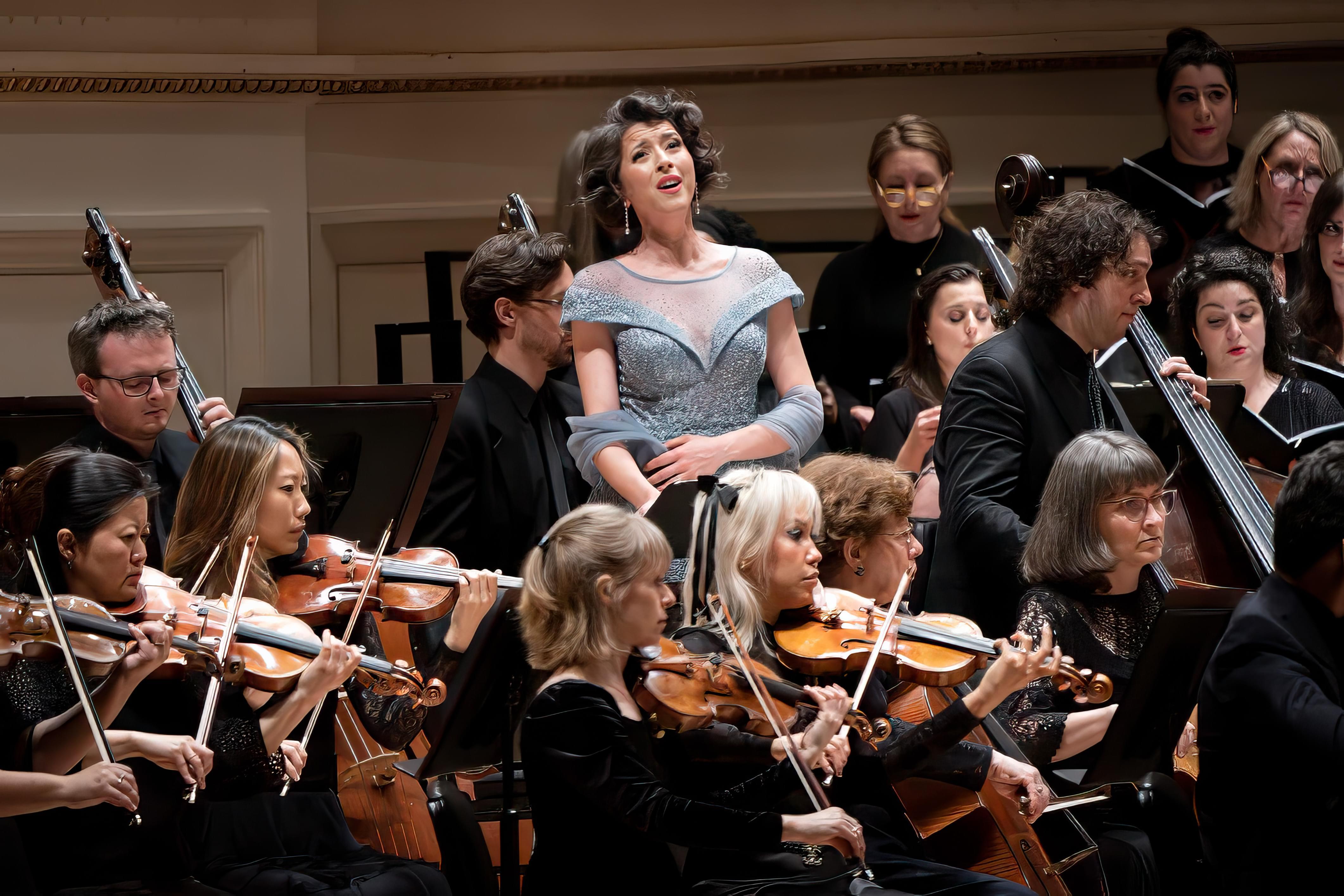
Review: Madrid's Teatro Real Brings Out the Charms of Rossini's TURCO IN ITALIA with Oropesa
Oropesa had missed her first two performances* of the run because of the flu, but she was in fine form at her first evening back, with impeccable coloratura and the comic chops that most of the opera calls for, and the heft for her regrets at the end. I don’t know how the others who had sung in her absence (her primary alternate, soprano Sara Blanch, and her alternate, Sabina Puertolas), but Oropesa--so familiar to Met audiences in more dramatic roles--was simply peachy, even though her character was not exactly sympathetic for much of the piece.
*I only missed my opening night performance, not two performances.
—
Richard Sasanow
•
Broadway World
Lucia di Lammermoor
:format(webp)/https://lisetteoropesa.com/media/gallery/2023/teatro-alla-scala-lucia-di-lammermoor/12-lisette-oropesa-boris-pinkhasovich.jpg)
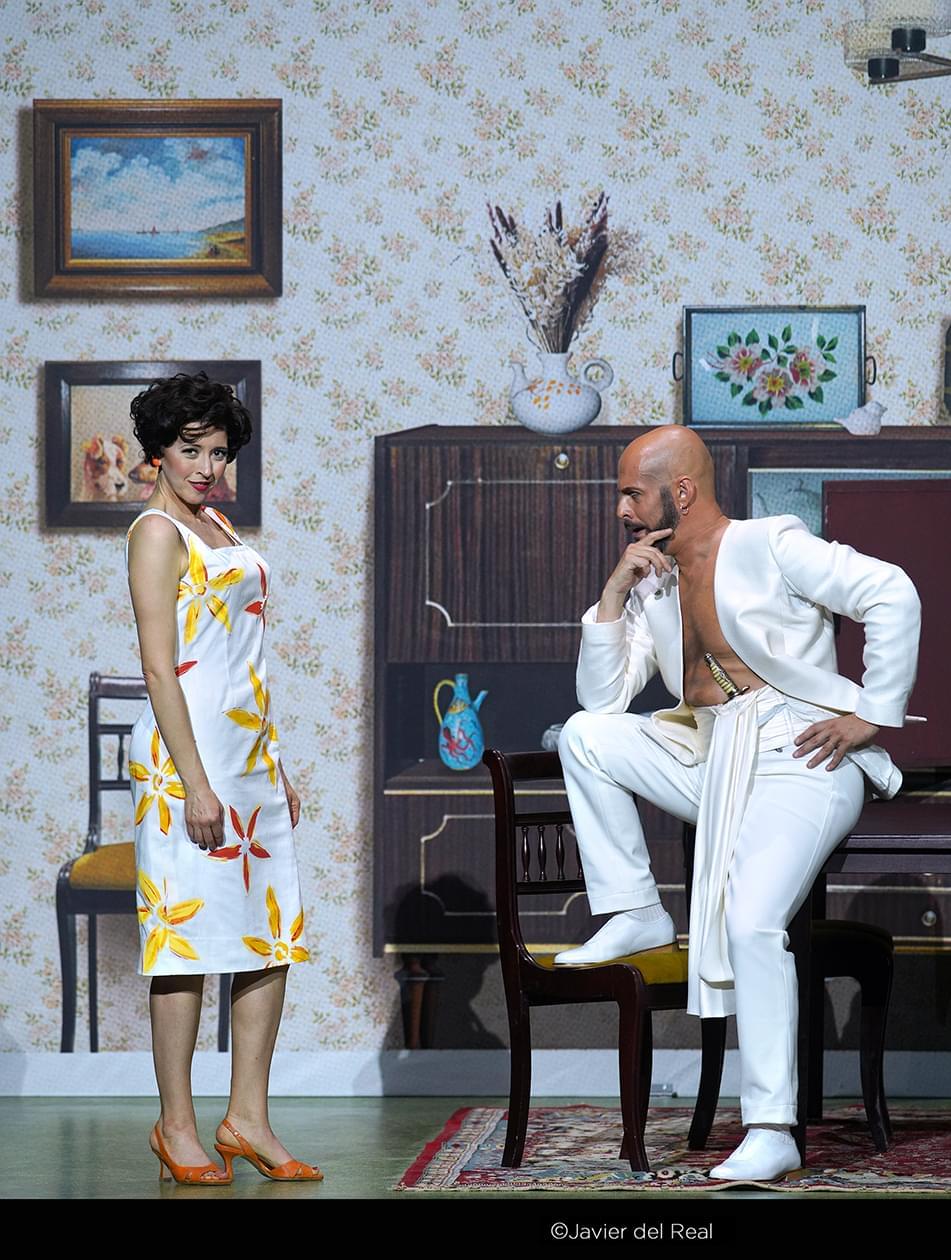
Una struggente "Lucia di di Lammermoor" trionfa alla scala di Milano
Lisette Oropesa è una Lucia interessantissima. Non cade nella trappola del virtuosismo fine a se’ stesso, anche grazie alla rinuncia ad abbellimenti e da capo voluti dalla tradizione ma non scritti nella partitura originale, costruendo una figura dalla fortissima personalità, vocale e scenica.
Non che manchino trilli, smorzature, scale, acuti solidissimi e sovracuti di abbagliante bellezza, ma ogni nota è messa al servizio del testo, della costruzione del personaggio, che esce di volta in volta: innamorato, arrabbiato, offeso, rassegnato, allucinato, ma sempre coinvolgente e convincente.
Ogni pagina ha il suo colore, anzi i suoi colori; ogni frase sembra scavata, cucita addosso alla protagonista, che commuove in ‘Soffriva nel pianto’ emoziona nel duetto del secondo atto, nel quale non si può rimanere colpiti dall’affiatamento delle due voci, devasta nella magnifica scena della pazzia, incoronata da un lunghissimo applauso dell’intero teatro.
Lisette Oropesa is a fascinating Lucia. She does not fall into the trap of virtuosity for its own sake, thanks also to the omission of traditional embellishments and da capo arias not written in the original score, thus crafting a character with a very strong vocal and stage presence.
It's not that there's a lack of trills, diminuendos, scales, rock-solid high notes, and dazzlingly beautiful whistle register notes, but every note is dedicated to the text, to the construction of the character, who reveals himself to be in love, angry, offended, resigned, delusional, yet always engaging and convincing.
Every page has its own, or rather, its own colors; every phrase seems to be carved out, tailored to the protagonist, who touches the heart in 'Soffriva nel pianto', stirs emotion in the second act's duet, in which one cannot help but be struck by the harmony of the two voices, and devastates in the magnificent madness scene, crowned by a very long applause from the entire theater.
—
Gianluca Macovez
•
La platea
Hamlet (Ophélie)
:format(webp)/https://lisetteoropesa.com/media/gallery/2023/opera-national-de-paris-hamlet/01-lisette-oropesa-ludovic-tezier-eve-maude-hubeaux-jean-teitgen.jpg)
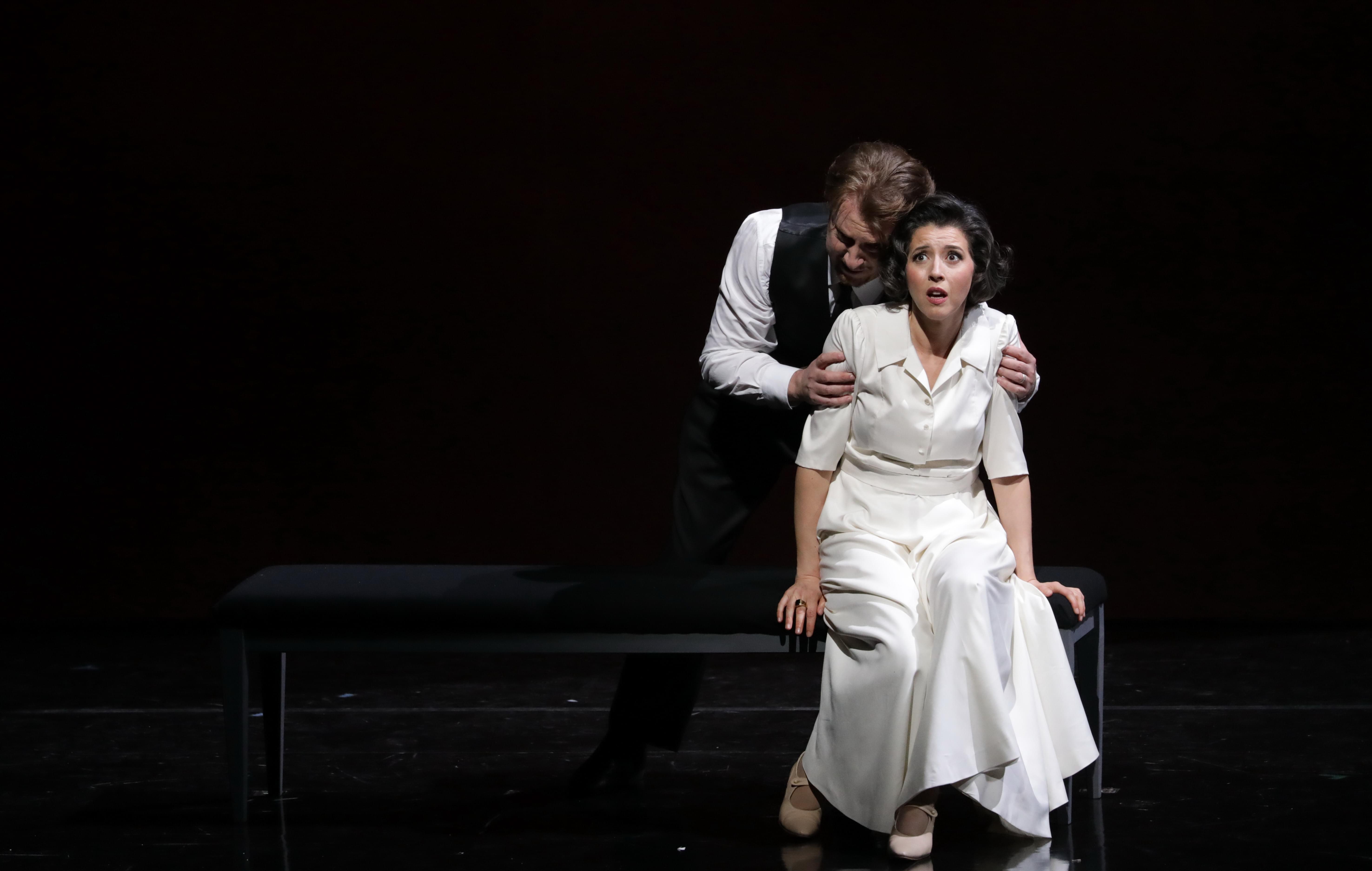
Hamlet ou l'enfermement
L’Ophélie de Lisette Oropesa tranche avec des Ophélie plus légères qu’on a pu entendre au disque et sur les scènes. Oropesa est un colorature-lyrique, avec des agilités contrôlées, un registre central large et des aigus très bien projetés et homogènes, sans scorie aucune. Elle a certes la technique apprise à l’école de chant américaine, avec le phrasé et la diction qui vont avec, mais en plus, l’intelligence de l’expression et aussi (ce que d’autres chanteuses n’ont pas) l’intuition des personnages qu’elle incarne, elle est immédiatement juste parce qu’elle a une incroyable humanité en scène. Cette carrière nous réservera des surprises, mais elle est toujours le personnage voulu qu’elle soit en collégienne attardée avec son blazer et ses chaussettes, ou en déshabillé d’une intimité déchirante au moment de la folie. Sa scène finale, entre désespoir et hallucination, évidemment survivance d’autres scènes de folie du répertoire, elle sait la rendre singulière, dans un univers totalement onirique et déjanté et en même temps incroyablement réaliste avec ses pas de danse, et surtout sa totale liberté dans son corps : c’est souverain.
Lisette Oropesa's Ophelia sets itself apart from the lighter renditions of Ophelia we've experienced in recordings and on stages. Oropesa is a lyric coloratura, with controlled agility, a broad middle register, and very well-projected and even high notes, free of any flaws. She certainly possesses the technique taught in American vocal schools, complete with the associated phrasing and diction, but also, and importantly, she has an intelligent approach to expression and (something other singers lack) an intuitive understanding of the characters she embodies. She is immediately convincing because she brings an incredible humanity to her performances. Her career will undoubtedly continue to surprise us, yet she always fully embodies the intended character, whether she's portraying a schoolgirl in a blazer and socks or revealing heartrending intimacy in her disarray during moments of madness. Her final scene, oscillating between despair and hallucination, obviously draws from other mad scenes in the repertoire, yet she manages to make it uniquely her own, creating a world that is both utterly surreal and unhinged while being incredibly realistic with her dance steps, and above all, her total freedom in her body movement: it's masterful.
—
Guy Cherqui
•
Wanderer
Mozart Requiem

Mozart füllt Säle und die Riesenbühne
Lisette Oropesa bescherte etwas fülligere Belcanto-Brillanz
Lisette Oropesa provided a somewhat fuller bel canto brilliance.
—
Florian Oberhummer
•
Salzburger Nachrichten
I Masnadieri (Amalia)
:format(webp)/https://lisetteoropesa.com/media/gallery/2023/bayerische-staatsoper-i-masnadieri/02-lisette-oropesa-christian-van-horn.jpg)
:format(webp)/https://lisetteoropesa.com/media/gallery/2023/lyric-opera-chicago-la-fille-du-regiment/12-lisette-oropesa-lawrence-brownlee-alessandro-corbelli.jpg)
:format(webp)/https://lisetteoropesa.com/media/gallery/2023/lyric-opera-chicago-la-fille-du-regiment/20-ronnita-miller-lisette-oropesa-alessandro-corbelli-photo-michael-brosilow.jpg)
:format(webp)/https://lisetteoropesa.com/media/gallery/2023/lyric-opera-chicago-la-fille-du-regiment/22-lisette-oropesa-the-company-of-the-daughter-of-the-regiment-photo-michael-brosilow.jpg)
:format(webp)/https://lisetteoropesa.com/media/gallery/2023/lyric-opera-chicago-la-fille-du-regiment/04-lawrence-brownlee-lisette-oropesa-alessandro-corbelli.jpg)
:format(webp)/https://lisetteoropesa.com/media/gallery/2023/lyric-opera-chicago-la-fille-du-regiment/18-alessandro-corbelli-lisette-oropesa-photo-michael-brosilow.jpg)
:format(webp)/https://lisetteoropesa.com/media/gallery/2023/lyric-opera-chicago-la-fille-du-regiment/07-ronnita-miller-alan-higgs-lisette-oropesa.jpg)
:format(webp)/https://lisetteoropesa.com/media/gallery/2023/lyric-opera-chicago-la-fille-du-regiment/19-lisette-oropesa-photo-michael-brosilow.jpg)
:format(webp)/https://lisetteoropesa.com/media/gallery/2023/lyric-opera-chicago-la-fille-du-regiment/05-lisette-oropesa-alessandro-corbelli.jpg)
:format(webp)/https://lisetteoropesa.com/media/gallery/2023/lyric-opera-chicago-la-fille-du-regiment/16-lisette-oropesa-photo-michael-brosilow.jpg)
:format(webp)/https://lisetteoropesa.com/media/gallery/2023/lyric-opera-chicago-la-fille-du-regiment/08-ronnita-miller-lisette-oropesa.jpg)
:format(webp)/https://lisetteoropesa.com/media/gallery/2023/lyric-opera-chicago-la-fille-du-regiment/10-lisette-oropesa.jpg)
:format(webp)/https://lisetteoropesa.com/media/gallery/2023/lyric-opera-chicago-la-fille-du-regiment/03-lisette-oropesa-lawrence-brownlee.jpg)
:format(webp)/https://lisetteoropesa.com/media/gallery/2023/lyric-opera-chicago-la-fille-du-regiment/02-lisette-oropesa-lawrence-brownlee.jpg)
:format(webp)/https://lisetteoropesa.com/media/gallery/2023/lyric-opera-chicago-la-fille-du-regiment/21-lisette-oropesa-photo-michael-brosilow.jpg)
:format(webp)/https://lisetteoropesa.com/media/gallery/2023/lyric-opera-chicago-la-fille-du-regiment/17-lisette-oropesa-photo-michael-brosilow.jpg)
:format(webp)/https://lisetteoropesa.com/media/gallery/2023/lyric-opera-chicago-la-fille-du-regiment/14-lisette-oropesa-lawrence-brownlee.jpg)
:format(webp)/https://lisetteoropesa.com/media/gallery/2023/lyric-opera-chicago-la-fille-du-regiment/09-ronnita-miller-lisette-oropesa-alessandro-corbelli.jpg)
:format(webp)/https://lisetteoropesa.com/media/gallery/2023/lyric-opera-chicago-la-fille-du-regiment/06-lisette-oropesa-and-the-company-of-the-daughter-of-the-regiment.jpg)
:format(webp)/https://lisetteoropesa.com/media/gallery/2023/lyric-opera-chicago-la-fille-du-regiment/15-lisette-oropesa-photo-michael-brosilow.jpg)
:format(webp)/https://lisetteoropesa.com/media/gallery/2023/lyric-opera-chicago-la-fille-du-regiment/23-lisette-oropesa-lawrence-brownlee.jpg)
:format(webp)/https://lisetteoropesa.com/media/gallery/2023/lyric-opera-chicago-la-fille-du-regiment/01-lawrence-brownlee-lisette-oropesa.jpg)
:format(webp)/https://lisetteoropesa.com/media/gallery/2023/lyric-opera-chicago-la-fille-du-regiment/11-lisette-oropesa-the-company-of-the-daughter-of-the-regiment.jpg)

:format(webp)/https://lisetteoropesa.com/media/gallery/2023/wiener-staatsoper-la-traviata/04-lisette-oropesa.jpg)
:format(webp)/https://lisetteoropesa.com/media/gallery/2023/wiener-staatsoper-la-traviata/03-lisette-oropesa.jpg)
:format(webp)/https://lisetteoropesa.com/media/gallery/2023/wiener-staatsoper-la-traviata/01-lisette-oropesa.jpg)

:format(webp)/https://lisetteoropesa.com/media/gallery/2023/teatro-dell-opera-di-roma-la-traviata/04-lisette-oropesa.jpg)
:format(webp)/https://lisetteoropesa.com/media/gallery/2023/teatro-dell-opera-di-roma-la-traviata/03-lisette-oropesa.jpg)
:format(webp)/https://lisetteoropesa.com/media/gallery/2023/teatro-dell-opera-di-roma-la-traviata/01-lisette-oropesa.jpg)
:format(webp)/https://lisetteoropesa.com/media/gallery/2023/teatro-dell-opera-di-roma-la-traviata/11-lisette-oropesa.jpg)
:format(webp)/https://lisetteoropesa.com/media/gallery/2023/teatro-dell-opera-di-roma-la-traviata/10-lisette-oropesa.jpg)
:format(webp)/https://lisetteoropesa.com/media/gallery/2023/teatro-dell-opera-di-roma-la-traviata/09-lisette-oropesa.jpg)
:format(webp)/https://lisetteoropesa.com/media/gallery/2023/teatro-dell-opera-di-roma-la-traviata/08-lisette-oropesa.jpg)
:format(webp)/https://lisetteoropesa.com/media/gallery/2023/teatro-dell-opera-di-roma-la-traviata/02-lisette-oropesa.jpg)
:format(webp)/https://lisetteoropesa.com/media/gallery/2023/teatro-dell-opera-di-roma-la-traviata/12-lisette-oropesa.jpg)
:format(webp)/https://lisetteoropesa.com/media/gallery/2023/teatro-dell-opera-di-roma-la-traviata/07-lisette-oropesa.jpg)
:format(webp)/https://lisetteoropesa.com/media/gallery/2023/teatro-dell-opera-di-roma-la-traviata/06-lisette-oropesa.jpg)
:format(webp)/https://lisetteoropesa.com/media/gallery/2023/teatro-dell-opera-di-roma-la-traviata/05-lisette-oropesa.jpg)
:format(webp)/https://lisetteoropesa.com/media/gallery/2023/guild-hall-recital/01-lisette-oropesa-derrick-stark.jpg)
:format(webp)/https://lisetteoropesa.com/media/gallery/2023/guild-hall-recital/07-lisette-oropesa-david-wolfe.jpg)
:format(webp)/https://lisetteoropesa.com/media/gallery/2023/guild-hall-recital/04-lisette-oropesa-michael-leyte-vidal.jpg)
:format(webp)/https://lisetteoropesa.com/media/gallery/2023/guild-hall-recital/05-lisette-oropesa-michael-leyte-vidal.jpg)
:format(webp)/https://lisetteoropesa.com/media/gallery/2023/guild-hall-recital/06-lisette-oropesa.jpg)
:format(webp)/https://lisetteoropesa.com/media/gallery/2023/guild-hall-recital/08-lisette-oropesa-anne-marie-stanley.jpg)
:format(webp)/https://lisetteoropesa.com/media/gallery/2023/guild-hall-recital/10-lisette-oropesa.jpg)
:format(webp)/https://lisetteoropesa.com/media/gallery/2023/guild-hall-recital/09-lisette-oropesa.jpg)
:format(webp)/https://lisetteoropesa.com/media/gallery/2023/guild-hall-recital/03-lisette-oropesa-siskelelwe-mngenela.jpg)
:format(webp)/https://lisetteoropesa.com/media/gallery/2023/pro-musica-aguilas-recital/01-lisette-oropesa-ruben-aguirre.jpg)
:format(webp)/https://lisetteoropesa.com/media/gallery/2023/pro-musica-aguilas-recital/02-lisette-oropesa-ruben-aguirre.jpg)
:format(webp)/https://lisetteoropesa.com/media/gallery/2023/savonlinna-opera-festival-romeo-et-juliette/19-lisette-oropesa-amitai-pati.jpg)
:format(webp)/https://lisetteoropesa.com/media/gallery/2023/savonlinna-opera-festival-romeo-et-juliette/18-lisette-oropesa.jpg)
:format(webp)/https://lisetteoropesa.com/media/gallery/2023/savonlinna-opera-festival-romeo-et-juliette/17-lisette-oropesa.jpg)
:format(webp)/https://lisetteoropesa.com/media/gallery/2023/savonlinna-opera-festival-romeo-et-juliette/15-lisette-oropesa.jpg)
:format(webp)/https://lisetteoropesa.com/media/gallery/2023/savonlinna-opera-festival-romeo-et-juliette/14-lisette-oropesa-amitai-pati.jpg)
:format(webp)/https://lisetteoropesa.com/media/gallery/2023/savonlinna-opera-festival-romeo-et-juliette/13-lisette-oropesa-amitai-pati.jpg)
:format(webp)/https://lisetteoropesa.com/media/gallery/2023/savonlinna-opera-festival-romeo-et-juliette/02-lisette-oropesa-amitai-pati.jpg)
:format(webp)/https://lisetteoropesa.com/media/gallery/2023/savonlinna-opera-festival-romeo-et-juliette/12-lisette-oropesa-amitai-pati.jpg)
:format(webp)/https://lisetteoropesa.com/media/gallery/2023/savonlinna-opera-festival-romeo-et-juliette/11-lisette-oropesa-amitai-pati.jpg)
:format(webp)/https://lisetteoropesa.com/media/gallery/2023/savonlinna-opera-festival-romeo-et-juliette/07-lisette-oropesa-amitai-pati.jpg)
:format(webp)/https://lisetteoropesa.com/media/gallery/2023/savonlinna-opera-festival-romeo-et-juliette/08-lisette-oropesa.jpg)
:format(webp)/https://lisetteoropesa.com/media/gallery/2023/savonlinna-opera-festival-romeo-et-juliette/09-lisette-oropesa-timo-riihonen.jpg)
:format(webp)/https://lisetteoropesa.com/media/gallery/2023/savonlinna-opera-festival-romeo-et-juliette/10-lisette-oropesa.jpg)
:format(webp)/https://lisetteoropesa.com/media/gallery/2023/savonlinna-opera-festival-romeo-et-juliette/03-lisette-oropesa-amitai-pati.jpg)
:format(webp)/https://lisetteoropesa.com/media/gallery/2023/savonlinna-opera-festival-romeo-et-juliette/05-lisette-oropesa-amitai-pati.jpg)
:format(webp)/https://lisetteoropesa.com/media/gallery/2023/savonlinna-opera-festival-romeo-et-juliette/06-lisette-oropesa.jpg)
:format(webp)/https://lisetteoropesa.com/media/gallery/2023/savonlinna-opera-festival-romeo-et-juliette/20-lisette-oropesa-amitai-pati.jpg)
:format(webp)/https://lisetteoropesa.com/media/gallery/2023/savonlinna-opera-festival-romeo-et-juliette/21-lisette-oropesa.jpg)
:format(webp)/https://lisetteoropesa.com/media/gallery/2023/savonlinna-opera-festival-romeo-et-juliette/04-lisette-oropesa-amitai-pati-yves-abel.jpg)
:format(webp)/https://lisetteoropesa.com/media/gallery/2023/savonlinna-opera-festival-romeo-et-juliette/01-lisette-oropesa.jpg)

:format(webp)/https://lisetteoropesa.com/media/gallery/2023/savonlinna-opera-festival-recital/15-lisette-oropesa-ruben-fernandez-aguirre.jpg)
:format(webp)/https://lisetteoropesa.com/media/gallery/2023/savonlinna-opera-festival-recital/13-lisette-oropesa-ruben-fernandez-aguirre.jpg)
:format(webp)/https://lisetteoropesa.com/media/gallery/2023/savonlinna-opera-festival-recital/14-lisette-oropesa-ruben-fernandez-aguirre.jpg)
:format(webp)/https://lisetteoropesa.com/media/gallery/2023/savonlinna-opera-festival-recital/06-lisette-oropesa.jpg)
:format(webp)/https://lisetteoropesa.com/media/gallery/2023/savonlinna-opera-festival-recital/07-lisette-oropesa-ruben-fernandez-aguirre.jpg)
:format(webp)/https://lisetteoropesa.com/media/gallery/2023/savonlinna-opera-festival-recital/08-lisette-oropesa-ruben-fernandez-aguirre.jpg)
:format(webp)/https://lisetteoropesa.com/media/gallery/2023/savonlinna-opera-festival-recital/09-lisette-oropesa-ruben-fernandez-aguirre.jpg)
:format(webp)/https://lisetteoropesa.com/media/gallery/2023/savonlinna-opera-festival-recital/11-lisette-oropesa-ruben-fernandez-aguirre.jpg)
:format(webp)/https://lisetteoropesa.com/media/gallery/2023/savonlinna-opera-festival-recital/12-lisette-oropesa-ruben-fernandez-aguirre.jpg)
:format(webp)/https://lisetteoropesa.com/media/gallery/2023/savonlinna-opera-festival-recital/03-lisette-oropesa.jpg)
:format(webp)/https://lisetteoropesa.com/media/gallery/2023/savonlinna-opera-festival-recital/10-lisette-oropesa-ruben-fernandez-aguirre.jpg)
:format(webp)/https://lisetteoropesa.com/media/gallery/2023/savonlinna-opera-festival-recital/05-lisette-oropesa.jpg)
:format(webp)/https://lisetteoropesa.com/media/gallery/2023/savonlinna-opera-festival-recital/04-lisette-oropesa.jpg)
:format(webp)/https://lisetteoropesa.com/media/gallery/2023/savonlinna-opera-festival-recital/02-lisette-oropesa.jpg)
:format(webp)/https://lisetteoropesa.com/media/gallery/2023/savonlinna-opera-festival-recital/01-lisette-oropesa.jpg)
:format(webp)/https://lisetteoropesa.com/media/gallery/2023/savonlinna-opera-festival-recital/18-lisette-oropesa-ruben-fernandez-aguirre.jpg)
:format(webp)/https://lisetteoropesa.com/media/gallery/2023/savonlinna-opera-festival-recital/17-lisette-oropesa-ruben-fernandez-aguirre.jpg)
:format(webp)/https://lisetteoropesa.com/media/gallery/2023/carnegie-hall-brahms-requiem/03-lisette-oropesa.jpg)
:format(webp)/https://lisetteoropesa.com/media/gallery/2023/carnegie-hall-brahms-requiem/02-lisette-oropesa.jpg)
:format(webp)/https://lisetteoropesa.com/media/gallery/2023/teatro-real-il-turco-in-italia/19-lisette-oropesa-misha-kiria.jpg)
:format(webp)/https://lisetteoropesa.com/media/gallery/2023/teatro-real-il-turco-in-italia/22-lisette-oropesa.jpg)
:format(webp)/https://lisetteoropesa.com/media/gallery/2023/teatro-real-il-turco-in-italia/01-lisette-oropesa.jpg)
:format(webp)/https://lisetteoropesa.com/media/gallery/2023/teatro-real-il-turco-in-italia/15-lisette-oropesa.jpg)
:format(webp)/https://lisetteoropesa.com/media/gallery/2023/teatro-real-il-turco-in-italia/13-lisette-oropesa.jpg)
:format(webp)/https://lisetteoropesa.com/media/gallery/2023/teatro-real-il-turco-in-italia/06-lisette-oropesa.jpg)
:format(webp)/https://lisetteoropesa.com/media/gallery/2023/teatro-real-il-turco-in-italia/11-lisette-oropesa.jpg)
:format(webp)/https://lisetteoropesa.com/media/gallery/2023/teatro-real-il-turco-in-italia/10-lisette-oropesa.jpg)
:format(webp)/https://lisetteoropesa.com/media/gallery/2023/teatro-real-il-turco-in-italia/17-lisette-oropesa-alex-esposito.jpg)
:format(webp)/https://lisetteoropesa.com/media/gallery/2023/teatro-real-il-turco-in-italia/05-lisette-oropesa-alex-esposito-misha-kiria.jpg)
:format(webp)/https://lisetteoropesa.com/media/gallery/2023/teatro-real-il-turco-in-italia/07-lisette-oropesa-misha-kiria.jpg)
:format(webp)/https://lisetteoropesa.com/media/gallery/2023/teatro-real-il-turco-in-italia/02-lisette-oropesa.jpg)
:format(webp)/https://lisetteoropesa.com/media/gallery/2023/teatro-real-il-turco-in-italia/12-lisette-oropesa-alex-esposito-paola-gardina.jpg)
:format(webp)/https://lisetteoropesa.com/media/gallery/2023/teatro-real-il-turco-in-italia/20-lisette-oropesa-florian-sempey.jpg)
:format(webp)/https://lisetteoropesa.com/media/gallery/2023/teatro-real-il-turco-in-italia/21-lisette-oropesa.jpg)
:format(webp)/https://lisetteoropesa.com/media/gallery/2023/teatro-alla-scala-lucia-di-lammermoor/06-lisette-oropesa.jpg)
:format(webp)/https://lisetteoropesa.com/media/gallery/2023/teatro-alla-scala-lucia-di-lammermoor/07-lisette-oropesa.jpg)
:format(webp)/https://lisetteoropesa.com/media/gallery/2023/teatro-alla-scala-lucia-di-lammermoor/18-lisette-oropesa.jpg)
:format(webp)/https://lisetteoropesa.com/media/gallery/2023/teatro-alla-scala-lucia-di-lammermoor/05-lisette-oropesa.jpg)
:format(webp)/https://lisetteoropesa.com/media/gallery/2023/teatro-alla-scala-lucia-di-lammermoor/04-lisette-oropesa.jpg)
:format(webp)/https://lisetteoropesa.com/media/gallery/2023/teatro-alla-scala-lucia-di-lammermoor/03-lisette-oropesa-juan-diego-florez.jpg)
:format(webp)/https://lisetteoropesa.com/media/gallery/2023/teatro-alla-scala-lucia-di-lammermoor/02-lisette-oropesa.jpg)
:format(webp)/https://lisetteoropesa.com/media/gallery/2023/teatro-alla-scala-lucia-di-lammermoor/01-lisette-oropesa.jpg)
:format(webp)/https://lisetteoropesa.com/media/gallery/2023/teatro-alla-scala-lucia-di-lammermoor/20-lisette-oropesa.jpg)
:format(webp)/https://lisetteoropesa.com/media/gallery/2023/teatro-alla-scala-lucia-di-lammermoor/13-lisette-oropesa-juan-diego-florez.jpg)
:format(webp)/https://lisetteoropesa.com/media/gallery/2023/teatro-alla-scala-lucia-di-lammermoor/14-lisette-oropesa-valentina-pluzhnikova.jpg)
:format(webp)/https://lisetteoropesa.com/media/gallery/2023/teatro-alla-scala-lucia-di-lammermoor/21-lisette-oropesa.jpg)
:format(webp)/https://lisetteoropesa.com/media/gallery/2023/teatro-alla-scala-lucia-di-lammermoor/15-lisette-oropesa-juan-diego-florez.jpg)
:format(webp)/https://lisetteoropesa.com/media/gallery/2023/teatro-alla-scala-lucia-di-lammermoor/16-lisette-oropesa.jpg)
:format(webp)/https://lisetteoropesa.com/media/gallery/2023/teatro-alla-scala-lucia-di-lammermoor/17-lisette-oropesa.jpg)
:format(webp)/https://lisetteoropesa.com/media/gallery/2023/teatro-alla-scala-lucia-di-lammermoor/19-lisette-oropesa.jpg)
:format(webp)/https://lisetteoropesa.com/media/gallery/2023/teatro-alla-scala-lucia-di-lammermoor/11-lisette-oropesa.jpg)
:format(webp)/https://lisetteoropesa.com/media/gallery/2023/teatro-alla-scala-lucia-di-lammermoor/10-lisette-oropesa-juan-diego-florez.jpg)
:format(webp)/https://lisetteoropesa.com/media/gallery/2023/teatro-alla-scala-lucia-di-lammermoor/09-lisette-oropesa-juan-diego-florez.jpg)
:format(webp)/https://lisetteoropesa.com/media/gallery/2023/teatro-alla-scala-lucia-di-lammermoor/08-lisette-oropesa.jpg)
:format(webp)/https://lisetteoropesa.com/media/gallery/2023/opera-national-de-paris-hamlet/02-lisette-oropesa.jpg)
:format(webp)/https://lisetteoropesa.com/media/gallery/2023/opera-national-de-paris-hamlet/04-lisette-oropesa-ludovic-tezier.jpg)
:format(webp)/https://lisetteoropesa.com/media/gallery/2023/opera-national-de-paris-hamlet/05-lisette-oropesa-ludovic-tezier.jpg)
:format(webp)/https://lisetteoropesa.com/media/gallery/2023/opera-national-de-paris-hamlet/03-lisette-oropesa-ludovic-tezier.jpg)
:format(webp)/https://lisetteoropesa.com/media/gallery/2023/bayerische-staatsoper-i-masnadieri/08-lisette-oropesa-christian-van-horn-charles-castronovo.jpg)
:format(webp)/https://lisetteoropesa.com/media/gallery/2023/bayerische-staatsoper-i-masnadieri/12-lisette-oropesa-igor-golovatenko-charles-castronovo-christian-van-horn.jpg)
:format(webp)/https://lisetteoropesa.com/media/gallery/2023/bayerische-staatsoper-i-masnadieri/04-lisette-oropesa-igor-golovatenko.jpg)
:format(webp)/https://lisetteoropesa.com/media/gallery/2023/bayerische-staatsoper-i-masnadieri/05-lisette-oropesa.jpg)
:format(webp)/https://lisetteoropesa.com/media/gallery/2023/bayerische-staatsoper-i-masnadieri/06-lisette-oropesa.jpg)
:format(webp)/https://lisetteoropesa.com/media/gallery/2023/bayerische-staatsoper-i-masnadieri/01-lisette-oropesa-christian-van-horn.jpg)
:format(webp)/https://lisetteoropesa.com/media/gallery/2023/bayerische-staatsoper-i-masnadieri/03-lisette-oropesa-christian-van-horn-igor-golovatenko.jpg)
:format(webp)/https://lisetteoropesa.com/media/gallery/2023/bayerische-staatsoper-i-masnadieri/11-lisette-oropesa.jpg)
:format(webp)/https://lisetteoropesa.com/media/gallery/2023/bayerische-staatsoper-i-masnadieri/10-lisette-oropesa-igor-golovatenko.jpg)
:format(webp)/https://lisetteoropesa.com/media/gallery/2023/bayerische-staatsoper-i-masnadieri/09-lisette-oropesa-igor-golovatenko.jpg)
:format(webp)/https://lisetteoropesa.com/media/gallery/2023/bayerische-staatsoper-i-masnadieri/07-lisette-oropesa.jpg)

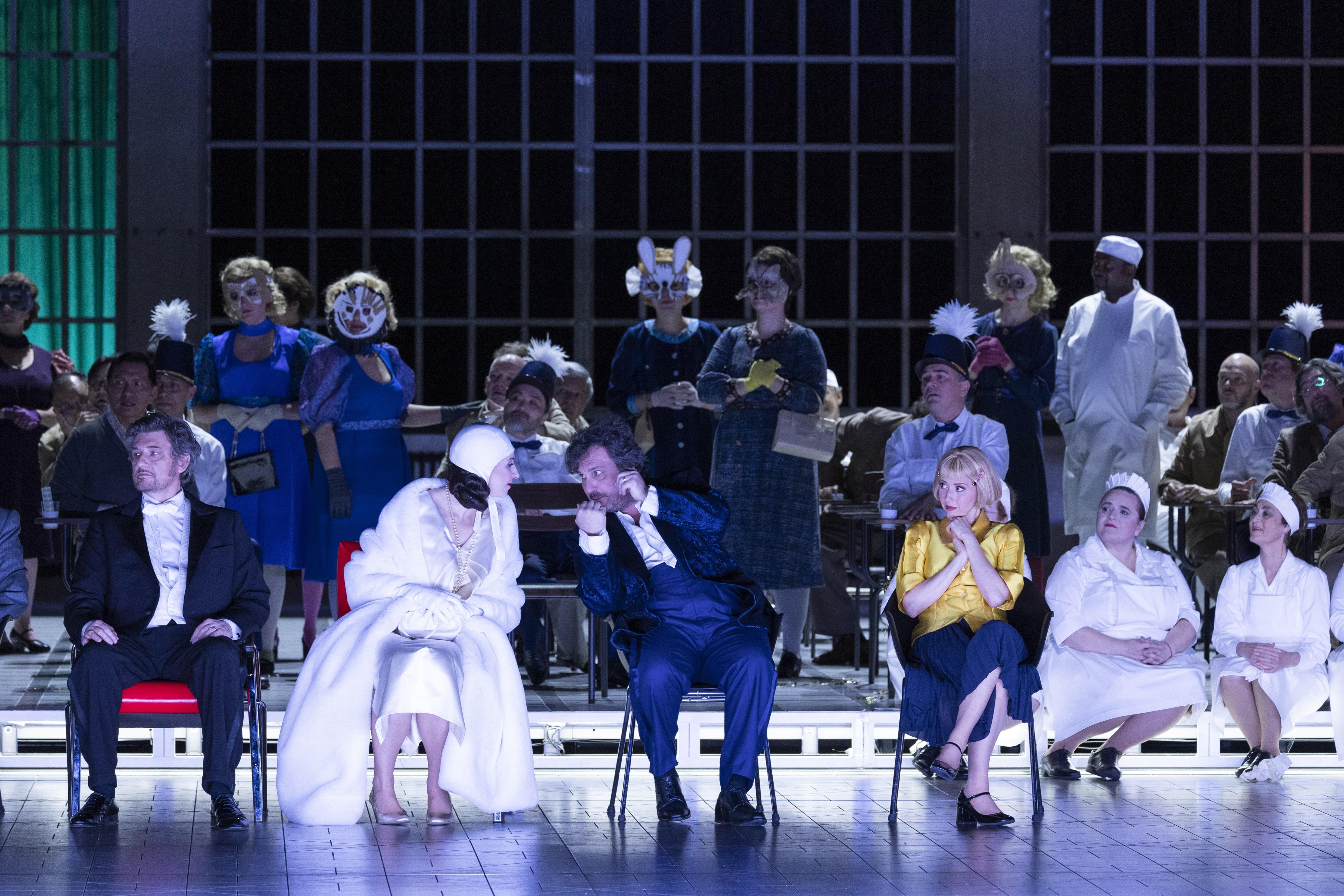
Abel et Caïn enfants du Roi Lear
Reste la stupéfiante Lisette Oropesa qui en quelques années a conquis les premières places dans les rôles de soprano lyrique d’agilité. La voix est large, elle a une belle assise, dotée d’une technique de fer, au contrôle de tous les instants dans tout le registre, sachant filer les notes, mesurer le volume, doser les effets avec une attiutude scénique toujours adaptée, ne surjouant jamais, étonnamment naturelle.
Then there's the astounding Lisette Oropesa, who in just a few years has conquered the top spots in agile lyric soprano roles. Her voice is powerful, with a solid foundation, boasting an ironclad technique, constantly in control across the entire range, knowing how to extend the notes, regulate the volume, and measure effects with a stage presence that's always appropriate, never overacting, strikingly natural.
—
Guy Cherqui
•
Wanderer