
:format(webp)/https://lisetteoropesa.com/media/gallery/2023/carnegie-hall-brahms-requiem/03-lisette-oropesa_header.jpg)
Career
Every engagement since 2005, newest first. Upcoming performances are on the Schedule.
2025
:format(webp)/https://lisetteoropesa.com/media/gallery/2025/opera-louisiane-concert/04-lisette-oropesa.jpg)
La traviata (Violetta Valery)
:format(webp)/https://lisetteoropesa.com/media/gallery/2025/bayerische-staatsoper-la-traviata/02-lisette-oropesa.jpg)
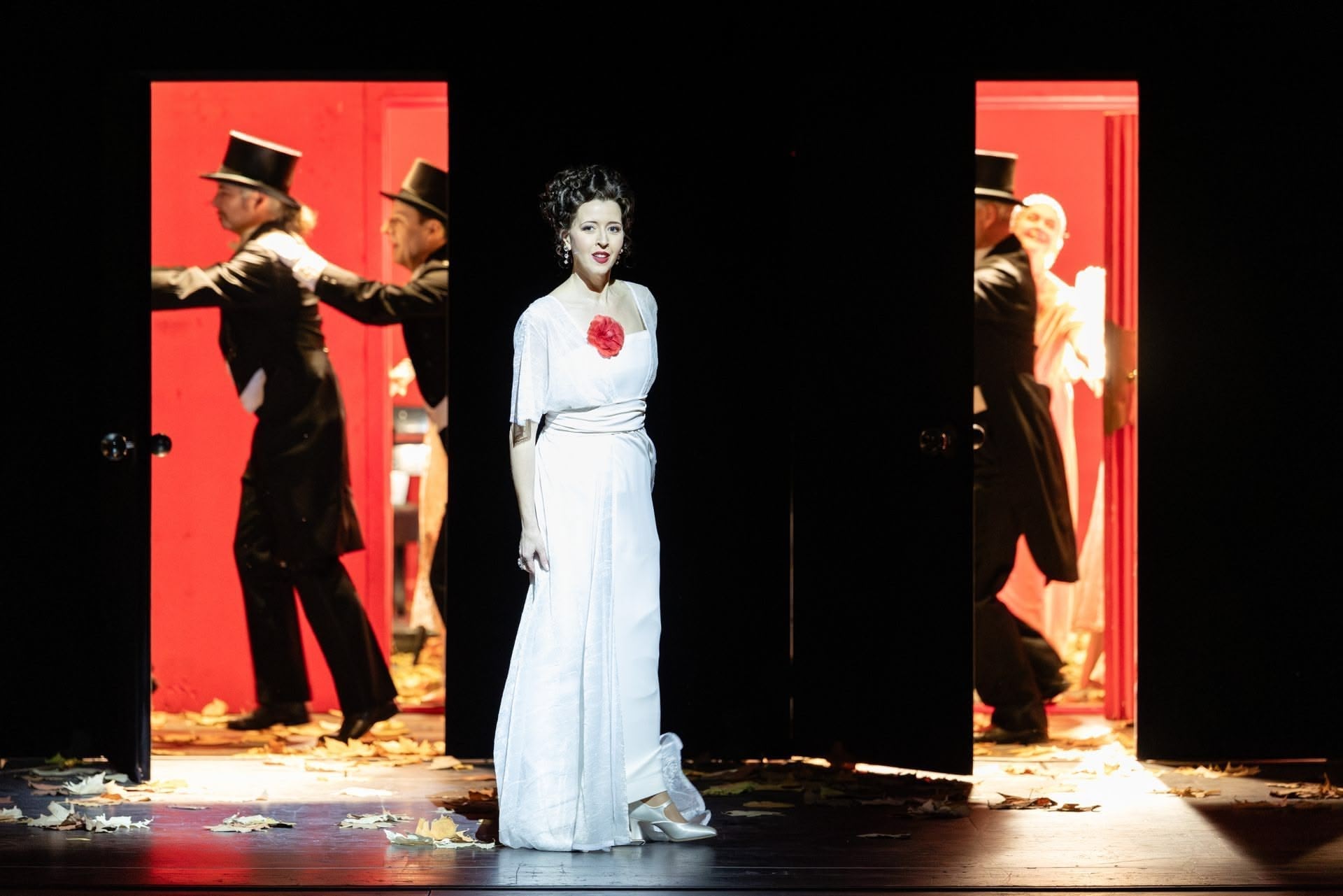
Review: Verdi’s La traviata / Bayerische Staatsoper
Lisette Oropesa offers a sensual, deeply human Violetta, shaping the role around vulnerability rather than glamour. Her focused soprano moves with ease and refinement, giving the music both agility and a quiet glow.
—
Yehya Alazem
•
Interclassical
Roméo et Juliette
:format(webp)/https://lisetteoropesa.com/media/gallery/2025/berlin-staatsoper-romeo-et-juliette/05-lisette-oropesa.jpg)
Lisette Oropesa begeistert als Juliette an der Staatsoper Berlin
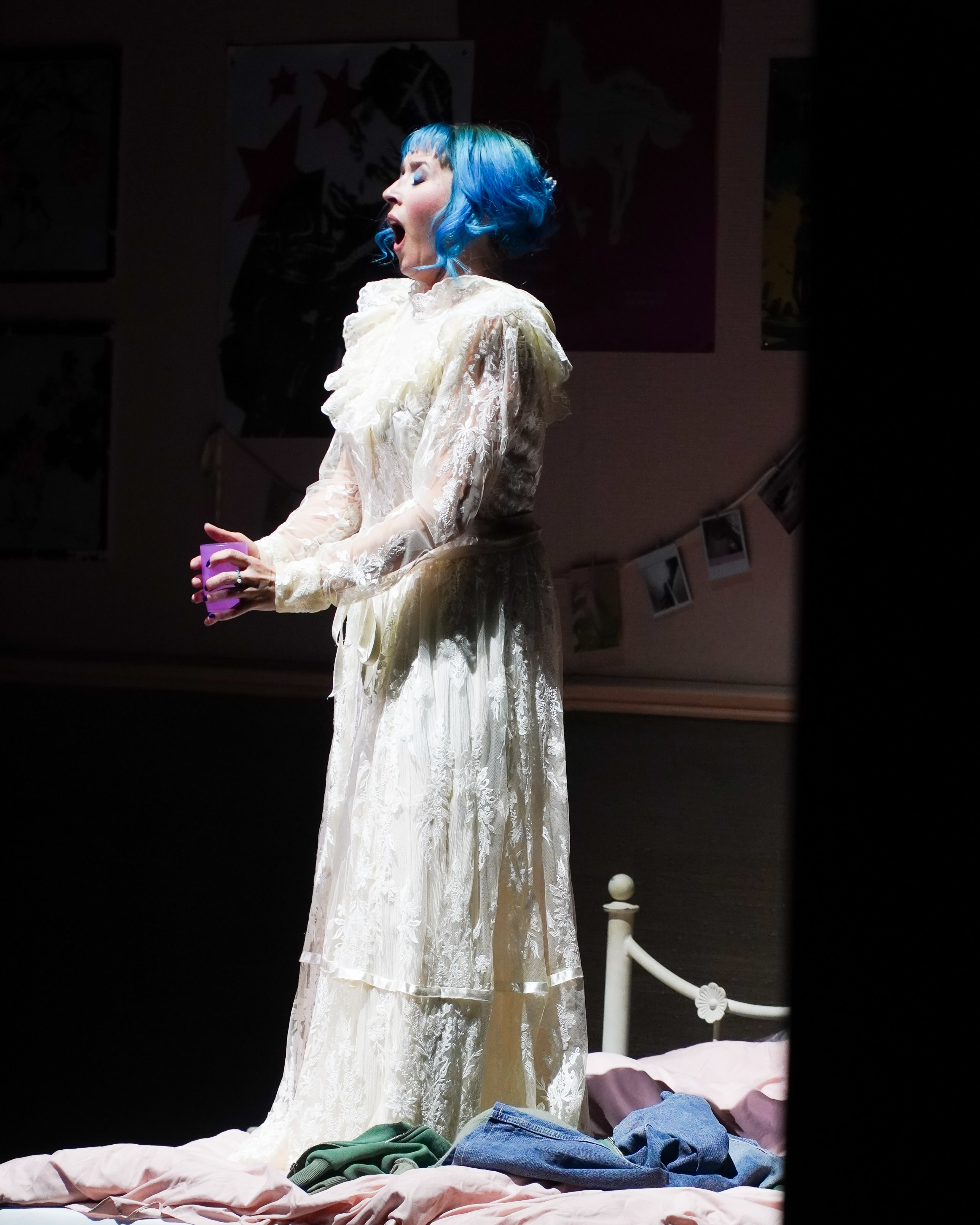
Seine Partnerin Lisette Oropesa als Juliette ist da aus anderem Holz geschnitzt. Mit ihren blauen Haaren und verbleichten Jeans wird sie von der Produktion visuell nicht gerade bevorteilt. Man glaubt ihr aber ihr aufmüpfiges Teenygehabe, mit dem sie sich gegen die ungeliebte Hochzeit mit Pâris wehrt. Stimmlich kann sie auf jeden Fall alle Erwartungen erfüllen. Sowohl in den lyrischen Passagen, als auch in den dramatischen Momenten der Oper wartet sie mit guter Stimmführung und perfekter Diktion auf. Die Vokalisen der Juliette in der berühmten Arie “Je veux vivre” erklingen leicht und Glocken-klar. Wenn Juliette den Schlaftrunk schlucken soll, kann sie deren Angst vor der Ungewissheit der Wirkung und den Folgen glaubhaft übermitteln. Ein tolles Portrait, das vom Publikum mit großem Applaus belohnt wurde.
His partner Lisette Oropesa as Juliette is made of different stuff. With her blue hair and faded jeans, she is not exactly favored visually by the production. However, one believes her rebellious teenage behavior as she resists the unwanted marriage to Pâris. Vocally, she can certainly meet all expectations. Whether in the lyrical passages or in the dramatic moments of the opera, she delivers good vocal technique and perfect diction. The vocalises of Juliette in the famous aria "Je veux vivre" sound light and bell-clear. When Juliette is supposed to swallow the sleeping draught, she can convincingly convey her fear of the uncertainty of its effects and consequences. A great performance that was rewarded by the audience with resounding applause.
—
Klassik-begeistert
•
Klassik Begeistert
La traviata (Violetta Valery)
:format(webp)/https://lisetteoropesa.com/media/gallery/2025/staatsoper-berlin-la-traviata/01-lisette-oropesa.jpg)
„La Traviata“ Unter den Linden: Ein Staraufgebot erfüllt die hohen Erwartungen
In der Derniere der Serie feierte Lisette Oropesa ihr überfälliges Hausdebüt, die Sängerin mit kubanischen Wurzeln genießt international bereits Starruhm. Wie berechtigt dieser ist, war schon nach wenigen Minuten klar.
Oropesas gut geführter lyrischer Sopran verfügt neben einem sehr ansprechenden Timbre über eine bemerkenswerte Phrasierungskunst. Da wird keine Silbe, keine Phrase dem Zufall überlassen, die Sängerin gestaltet intensiv und gibt der Violetta ein ganz persönliches, individuelles Profil. Dass der Spitzenton in der großen Arie des ersten Aktes ein wenig forciert wirkt – geschenkt! Spätestens als Sterbende reiht sich Oropesa in die großen Interpretinnen dieser Rolle ein.
Die drei Hauptdarsteller wurden frenetisch gefeiert, der Beifall für Oropesa erreichte Orkanstärke.
In the final performance of the series, Lisette Oropesa celebrated her long-awaited house debut. The singer with Cuban roots already enjoys international star status. The justification for this was clear within minutes.
Oropesa's well-guided lyric soprano, in addition to a very appealing timbre, possesses remarkable phrasing artistry. Not a syllable, nor a phrase is left to chance. The singer passionately shapes and gives Violetta a very personal, individual profile. Even if the high notes in the big aria of the first act sound a bit forced – no matter! By the time she is in her death throes, Oropesa joins the great interpreters of this role.
The three main performers were celebrated ecstatically, with applause for Oropesa reaching hurricane force.
—
Peter Sommeregger
•
Klassik Begeistert
Manon
:format(webp)/https://lisetteoropesa.com/media/gallery/2025/opernhaus-zurich-manon/16-lisette-oropesa.jpg)
Idealbesetzung
Lisette Oropesa begeisterte zuletzt bei den Salzburger Festspielen als Donizettis Maria Stuarda, Massenets Manon scheint für ihren im Lauf der Zeit dunkler gewordenen Sopran maßgeschneidert zu sein, auch weil die Virtuosität für die Gavotte „Profitons bien de la jeunesse“ nicht abhanden gekommen ist. Wie sie die Figur schauspielerisch durchlebt, hat zudem Kinoqualitäten. Oropesa hat somit wieder einmal bewiesen, dass sie so gut ist wie ihr Ruf.
Lisette Oropesa recently impressed at the Salzburg Festival as Donizetti's Maria Stuarda, and Massenet's Manon seems to be tailor-made for her soprano, which has darkened over time. Her virtuosity shines through in the Gavotte "Profitons bien de la jeunesse," showing that she has not lost her technical skill. The way she embodies the character from an acting perspective also displays cinematic qualities. Oropesa has once again proven that she is as good as her reputation suggests.
—
Rainhard Wiesinger
•
Klassik Magazin
Rigoletto (Gilda)

Verona: “Rigoletto”, Giuseppe Verdi
Oropesa war weit entfernt von der puppenhaften Interpretation mancher ihrer Kolleginnen; in ihrer Stimme war die ganze Skala von jugendlich-glücklichem Überschwang bis zur Opferbereitschaft zu hören. Ein echter Höhepunkt war das sonst so oft mechanisch klingende „Caro nome“, durchdrungen von den seligen Gefühlen einer ersten Liebe.
Oropesa was far removed from the doll-like interpretation of some of her colleagues; in her voice, the entire spectrum from youthful joyous exuberance to self-sacrifice could be heard. A real highlight was the otherwise often mechanical-sounding "Caro nome," infused with the blissful feelings of a first love.
—
OpernFreund
•
Der Opern Freund
Maria Stuarda
:format(webp)/https://lisetteoropesa.com/media/gallery/2025/salzburger-festspiele-maria-stuarda/04-lisette-oropesa.jpg)
Mark Pullinger explores a range of operas from across Europe
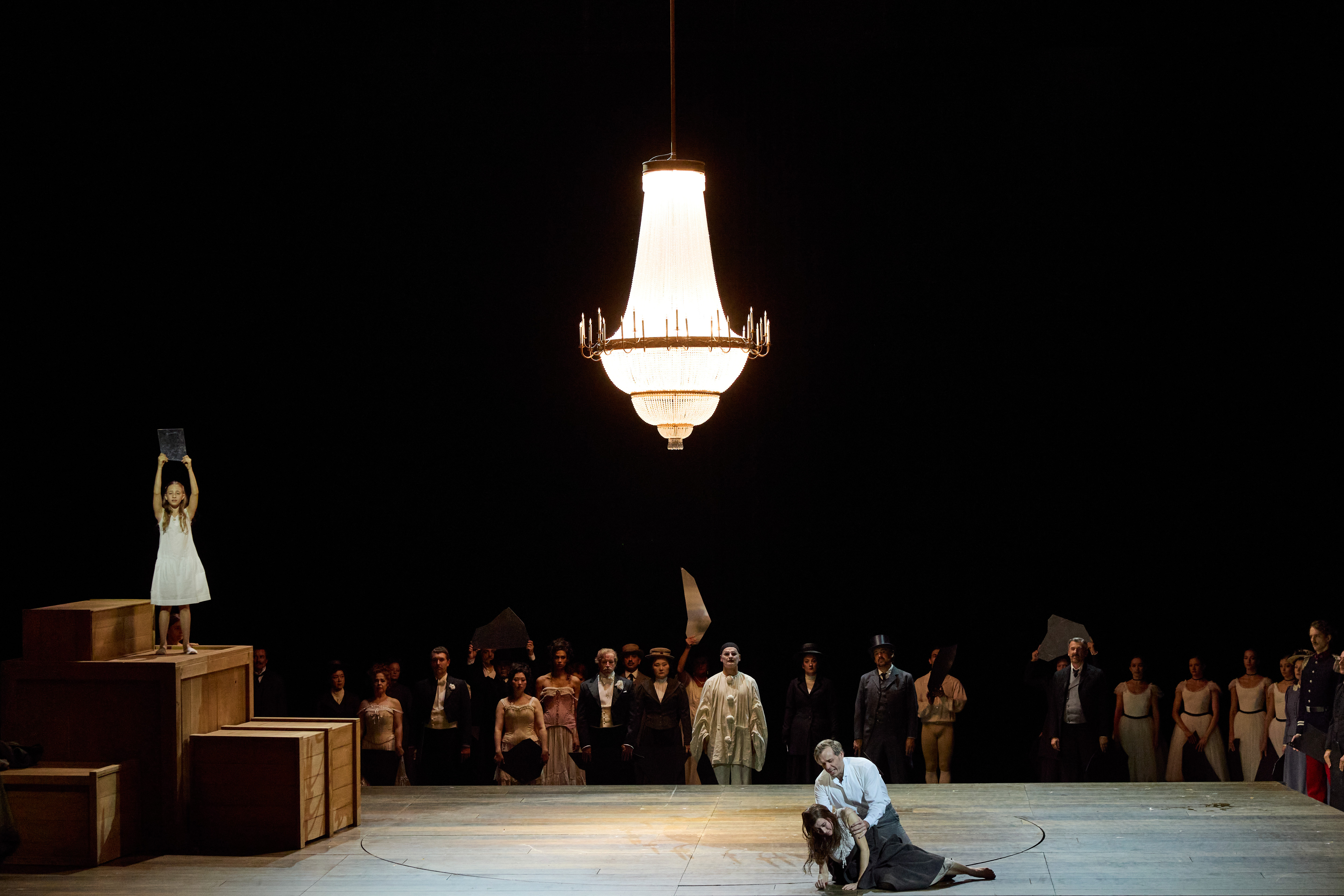
The two central performances are terrific in their different ways. Lisette Oropesa, dressed in virginal white apart from a shimmering gold gown for her execution, is a bel canto queen, right at home in Donizetti’s demanding vocal writing. Her technique – perfect coloratura, seamless legato – is revered across the operatic world, but the expressive way she shades the music goes beyond technique into presenting a believable character in her sympathetic portrait.
—
Mark Pullinger
•
Gramophone
I Masnadieri (Amalia)

I Masnadieri de Verdi à Munich : rapt de beauté
Lisette Oropesa est fabuleuse de brillance vocale et de maîtrise de son instrument. L'extrême aigu n'est désormais plus l'aspect le plus saillant de sa tessiture par rapport à son début de carrière, mais le médium est d'une richesse harmonique avec une épaisseur moelleuse qui laisse penser ce que deviendra cette voix dans dix ans et ce qu'elle pourra trouver comme épanouissement dans les Verdi de la maturité. Quelques notes filées ont parfois besoin d'un peu plus de soutien pour éviter des problèmes d'intonation mais ceux-ci sont péchés véniels et peut être temporaires tant l'ensemble du diamant brille de toutes ses facettes. La vocalise facile et la projection sans faille complètent le tableau d'un rôle qui lui sied parfaitement à ce moment de sa carrière.
Lisette Oropesa is fabulous in vocal brilliance and in mastering her instrument. The extreme high register is no longer the most prominent aspect of her vocal range compared to the beginning of her career, but the mid-range is harmonically rich with a soft thickness that hints at what this voice will become in ten years and what kind of fulfillment she may find in the mature Verdi repertoire. Some sustained notes sometimes need a bit more support to avoid intonation issues, but these are venial sins and may be temporary, given how the entire diamond shines from all its facets. The ease of vocalization and flawless projection complement the portrayal of a role that suits her perfectly at this moment in her career.
—
Alain Attyasse
•
ResMusica
:format(webp)/https://lisetteoropesa.com/media/gallery/2025/festspielhaus-baden-baden-concert/02-lisette-oropesa.jpg)
Rigoletto (Gilda)
:format(webp)/https://lisetteoropesa.com/media/gallery/2025/los-angeles-opera-rigoletto/07-lisette-oropesa-rene-barbera.jpg)
Rigoletto In Los Angeles
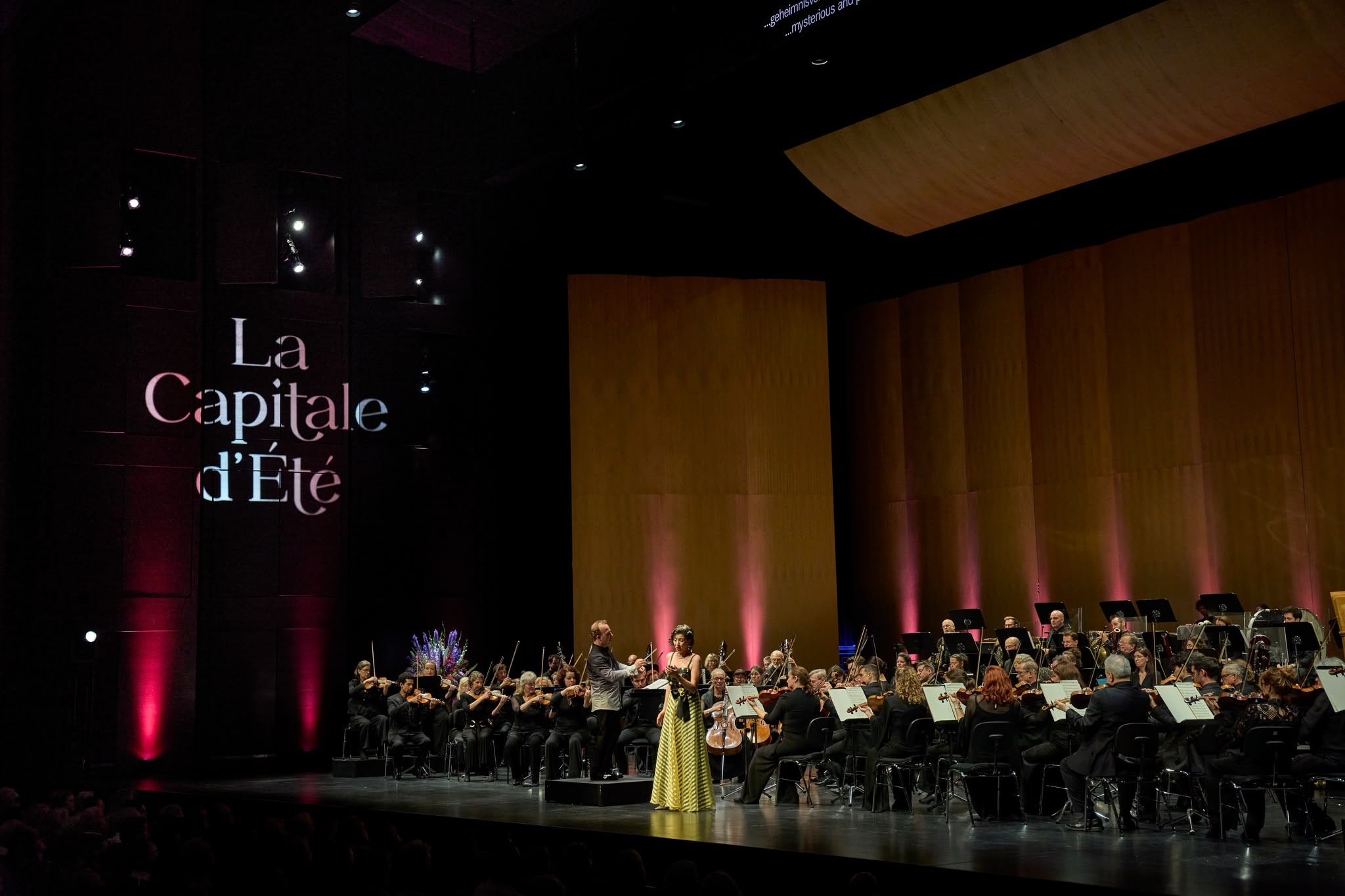
La parte vocal fue muy satisfactoria, comenzando por la Gilda de Lisette Oropesa, quien ya había cantado el mismo papel aquí en 2018, y cuya presencia fue una grata sorpresa porque tomó el lugar que dejó Rosa Feola, anunciada inicialmente en el papel. Oropesa conmovió y maravilló con el manejo virtuoso, seguro y cristalino de su voz. Cada nota y cada frase tuvo sentido en su interpretación, con la variedad de colores y la manera como se regodeó en las notas mas agudas de su parte.
The vocal part was very satisfying, starting with Lisette Oropesa's Gilda, who had already sung the same role here in 2018, and whose presence was a pleasant surprise because she took the place left by Rosa Feola, initially announced in the role. Oropesa moved and delighted with the virtuosic, secure, and crystalline handling of her voice. Every note and every phrase made sense in her interpretation, with the variety of colors and the way she reveled in the highest notes of her part.
—
Ramón Jacques
•
Pro Opera
Alcina

VERSALLES / El hechizo barroco de Alcina con una inolvidable Oropesa
La soprano cubano-estadounidense Lisette Oropesa, como suprema hechicera, ofreció una interpretación para quitar el aliento. Su «Ah! mio cor» fue un momento de gracia absoluta: voz de seda y acero, pianissimi flotantes como velos, coloratura centelleante y una expresividad que estremecía el alma. Su encarnación de Alcina oscilaba entre la furia trágica y una vulnerabilidad desgarradora, especialmente en «Ombre pallide», donde su diálogo alucinado con los violines provocó escalofríos en el público. Su último aria, «Mi restano le lagrime», capaz de hacer llorar a las piedras, fue el momento más conmovedor de la velada y le valió una última ovación.
The Cuban-American soprano Lisette Oropesa, as the supreme sorceress, delivered a breath-taking performance. Her "Ah! mio cor" was a moment of absolute grace: voice of silk and steel, floating pianissimos like veils, sparkling coloratura, and an expressiveness that shook the soul. Her embodiment of Alcina oscillated between tragic fury and heartbreaking vulnerability, especially in "Ombre pallide", where her hallucinated dialogue with the violins sent shivers through the audience. Her final aria, "Mi restano le lagrime", capable of moving stones to tears, was the most touching moment of the evening and earned her one last ovation.
—
Emmanuel Andrieu
•
Scherzo Magazine

I Puritani (Elvira)
:format(webp)/https://lisetteoropesa.com/media/gallery/2025/opera-national-de-paris-i-puritani/03-lisette-oropesa.jpg)
Un Bellini más espectacular que tierno
En cuanto a los solistas vocales, Lisette Oropesa responde idealmente, por tipo de voz, por figura escénica, a la Elvira belliniana. Su facilidad para la coloratura, su inteligencia actoral, su bellísima linea de canto, su notabilísima inteligibilidad, son bazas que la soprano sabe emplear para crear un personaje tierno pero sin ñoñerías, loco pero sin brutalidad. Muy creíble.
Regarding vocal soloists, Lisette Oropesa is an ideal match for the role of Bellini's Elvira, both in terms of voice type and stage presence. Her ease with coloratura, her acting intelligence, her beautiful singing line, and her remarkable intelligibility are assets that the soprano knows how to use to create a character that is tender but not naive, mad but not brutal. Highly believable.
—
Francisco Leonarte
•
Mundo Classico
Gala anniversaire

Gala anniversaire. 150 ans du Palais Garnier, 24 janvier 2025
Lisette Oropesa Mathilde souveraine, affichant un sens du phrasé unique, une élocution parfaite, un legato glorieux, bref une maîtrise sans faille du style rossinien.
Lisette Oropesa, a sovereign Mathilde, displays a unique sense of phrasing, perfect elocution, glorious legato, in short, an impeccable mastery of the Rossini style.
—
Camillo Faverzani
•
Premiere Loge Opera
Recital

Stunning recital by Lisette Oropesa in Hamburg
Oropesa’s presentation was immensely detailed and finely chiselled. The placing of the voice in relation to different parts of her throat and indeed her entire face shifted in line and in harmony with the music. Her command of voice with all its numerous shades and nuances is quite considerable, and she was thus able to shape every moment of it at will, leaving nothing to chance. This control was at such a high level of excellence that it never came across as an intellectual effort, as mere technique, but was so much part of her holistic nature that the sounds she produced came across as effortless and spontaneous, not to mention her precise pronunciation. No wonder I overheard someone in the audience saying they could understand every single word.
—
Daniel Meyer-Dinkgräfe
•
Seen and Heard International
Recital
:format(webp)/https://lisetteoropesa.com/media/gallery/2025/teatro-di-san-carlo-recital/04-lisette-oropesa.jpg)
:format(webp)/https://lisetteoropesa.com/media/gallery/2025/opera-louisiane-concert/03-lisette-oropesa.jpg)
:format(webp)/https://lisetteoropesa.com/media/gallery/2025/opera-louisiane-concert/02-lisette-oropesa.jpg)
:format(webp)/https://lisetteoropesa.com/media/gallery/2025/opera-louisiane-concert/01-lisette-oropesa-joshua-dennis.jpg)
:format(webp)/https://lisetteoropesa.com/media/gallery/2025/opera-louisiane-concert/05-lisette-oropesa-joshua-dennis.jpg)
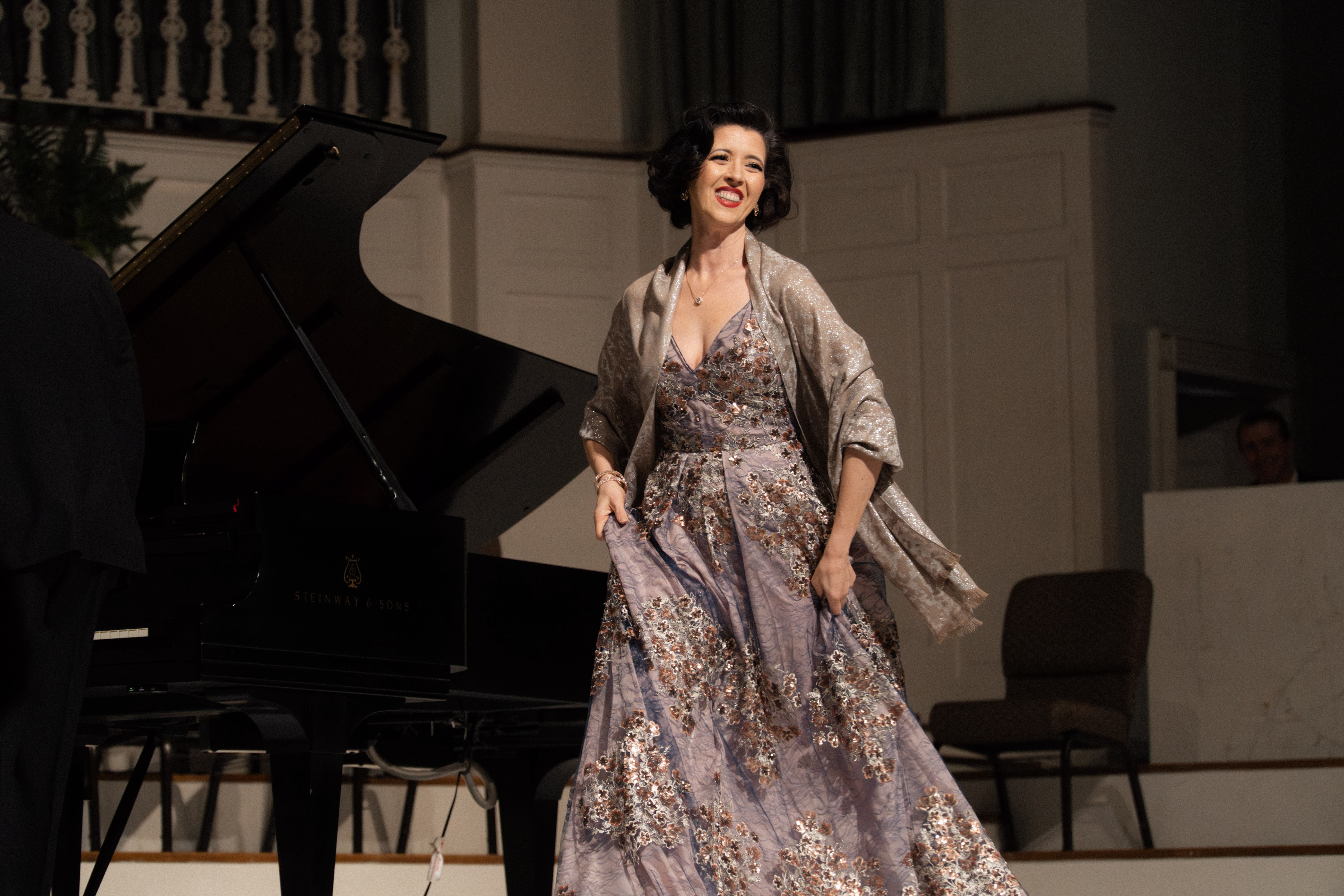
:format(webp)/https://lisetteoropesa.com/media/gallery/2025/bayerische-staatsoper-la-traviata/01-lisette-oropesa.jpg)
:format(webp)/https://lisetteoropesa.com/media/gallery/2025/bayerische-staatsoper-la-traviata/05-lisette-oropesa.jpg)
:format(webp)/https://lisetteoropesa.com/media/gallery/2025/bayerische-staatsoper-la-traviata/04-lisette-oropesa.jpg)
:format(webp)/https://lisetteoropesa.com/media/gallery/2025/bayerische-staatsoper-la-traviata/03-lisette-oropesa.jpg)
:format(webp)/https://lisetteoropesa.com/media/gallery/2025/berlin-staatsoper-romeo-et-juliette/01-lisette-oropesa.jpg)
:format(webp)/https://lisetteoropesa.com/media/gallery/2025/berlin-staatsoper-romeo-et-juliette/03-lisette-oropesa.jpg)
:format(webp)/https://lisetteoropesa.com/media/gallery/2025/berlin-staatsoper-romeo-et-juliette/04-lisette-oropesa.jpg)
:format(webp)/https://lisetteoropesa.com/media/gallery/2025/berlin-staatsoper-romeo-et-juliette/02-lisette-oropesa.jpg)
:format(webp)/https://lisetteoropesa.com/media/gallery/2025/berlin-staatsoper-romeo-et-juliette/06-lisette-oropesa.jpg)
:format(webp)/https://lisetteoropesa.com/media/gallery/2025/opernhaus-zurich-manon/15-lisette-oropesa.jpg)
:format(webp)/https://lisetteoropesa.com/media/gallery/2025/opernhaus-zurich-manon/14-lisette-oropesa.jpg)
:format(webp)/https://lisetteoropesa.com/media/gallery/2025/opernhaus-zurich-manon/13-lisette-oropesa.jpg)
:format(webp)/https://lisetteoropesa.com/media/gallery/2025/opernhaus-zurich-manon/12-lisette-oropesa.jpg)
:format(webp)/https://lisetteoropesa.com/media/gallery/2025/opernhaus-zurich-manon/11-lisette-oropesa.jpg)
:format(webp)/https://lisetteoropesa.com/media/gallery/2025/opernhaus-zurich-manon/10-lisette-oropesa.jpg)
:format(webp)/https://lisetteoropesa.com/media/gallery/2025/opernhaus-zurich-manon/09-lisette-oropesa.jpg)
:format(webp)/https://lisetteoropesa.com/media/gallery/2025/opernhaus-zurich-manon/08-lisette-oropesa.jpg)
:format(webp)/https://lisetteoropesa.com/media/gallery/2025/opernhaus-zurich-manon/06-lisette-oropesa.jpg)
:format(webp)/https://lisetteoropesa.com/media/gallery/2025/opernhaus-zurich-manon/05-lisette-oropesa.jpg)
:format(webp)/https://lisetteoropesa.com/media/gallery/2025/opernhaus-zurich-manon/03-lisette-oropesa.jpg)
:format(webp)/https://lisetteoropesa.com/media/gallery/2025/opernhaus-zurich-manon/04-lisette-oropesa.jpg)
:format(webp)/https://lisetteoropesa.com/media/gallery/2025/opernhaus-zurich-manon/01-lisette-oropesa.jpg)
:format(webp)/https://lisetteoropesa.com/media/gallery/2025/opernhaus-zurich-manon/07-lisette-oropesa.jpg)
:format(webp)/https://lisetteoropesa.com/media/gallery/2025/opernhaus-zurich-manon/02-lisette-oropesa.jpg)
:format(webp)/https://lisetteoropesa.com/media/gallery/2025/salzburger-festspiele-maria-stuarda/06-lisette-oropesa.jpg)
:format(webp)/https://lisetteoropesa.com/media/gallery/2025/salzburger-festspiele-maria-stuarda/11-lisette-oropesa.jpg)
:format(webp)/https://lisetteoropesa.com/media/gallery/2025/salzburger-festspiele-maria-stuarda/03-lisette-oropesa.jpg)
:format(webp)/https://lisetteoropesa.com/media/gallery/2025/salzburger-festspiele-maria-stuarda/07-lisette-oropesa.jpg)
:format(webp)/https://lisetteoropesa.com/media/gallery/2025/salzburger-festspiele-maria-stuarda/01-lisette-oropesa.jpg)
:format(webp)/https://lisetteoropesa.com/media/gallery/2025/salzburger-festspiele-maria-stuarda/08-lisette-oropesa.jpg)
:format(webp)/https://lisetteoropesa.com/media/gallery/2025/salzburger-festspiele-maria-stuarda/05-lisette-oropesa.jpg)
:format(webp)/https://lisetteoropesa.com/media/gallery/2025/salzburger-festspiele-maria-stuarda/12-lisette-oropesa.jpg)
:format(webp)/https://lisetteoropesa.com/media/gallery/2025/salzburger-festspiele-maria-stuarda/10-lisette-oropesa.jpg)
:format(webp)/https://lisetteoropesa.com/media/gallery/2025/salzburger-festspiele-maria-stuarda/09-lisette-oropesa.jpg)
:format(webp)/https://lisetteoropesa.com/media/gallery/2025/festspielhaus-baden-baden-concert/04-lisette-oropesa.jpg)
:format(webp)/https://lisetteoropesa.com/media/gallery/2025/festspielhaus-baden-baden-concert/03-lisette-oropesa.jpg)
:format(webp)/https://lisetteoropesa.com/media/gallery/2025/festspielhaus-baden-baden-concert/01-lisette-oropesa.jpg)
:format(webp)/https://lisetteoropesa.com/media/gallery/2025/los-angeles-opera-rigoletto/06-lisette-oropesa-quinn-kelsey.jpg)
:format(webp)/https://lisetteoropesa.com/media/gallery/2025/los-angeles-opera-rigoletto/05-lisette-oropesa.jpg)
:format(webp)/https://lisetteoropesa.com/media/gallery/2025/los-angeles-opera-rigoletto/04-lisette-oropesa-quinn-kelsey.jpg)
:format(webp)/https://lisetteoropesa.com/media/gallery/2025/los-angeles-opera-rigoletto/02-lisette-oropesa-quinn-kelsey.jpg)
:format(webp)/https://lisetteoropesa.com/media/gallery/2025/los-angeles-opera-rigoletto/03-lisette-oropesa-quinn-kelsey.jpg)
:format(webp)/https://lisetteoropesa.com/media/gallery/2025/los-angeles-opera-rigoletto/01-lisette-oropesa.jpg)

:format(webp)/https://lisetteoropesa.com/media/gallery/2025/opera-national-de-paris-i-puritani/11-lisette-oropesa.jpg)
:format(webp)/https://lisetteoropesa.com/media/gallery/2025/opera-national-de-paris-i-puritani/01-lisette-oropesa-roberto-tagliavini.jpg)
:format(webp)/https://lisetteoropesa.com/media/gallery/2025/opera-national-de-paris-i-puritani/04-lisette-oropesa-andrei-kymach.jpg)
:format(webp)/https://lisetteoropesa.com/media/gallery/2025/opera-national-de-paris-i-puritani/06-lisette-oropesa-andrei-kymach.jpg)
:format(webp)/https://lisetteoropesa.com/media/gallery/2025/opera-national-de-paris-i-puritani/05-lisette-oropesa.jpg)
:format(webp)/https://lisetteoropesa.com/media/gallery/2025/opera-national-de-paris-i-puritani/07-lisette-oropesa.jpg)
:format(webp)/https://lisetteoropesa.com/media/gallery/2025/opera-national-de-paris-i-puritani/08-lisette-oropesa.jpg)
:format(webp)/https://lisetteoropesa.com/media/gallery/2025/opera-national-de-paris-i-puritani/09-lisette-oropesa-roberto-tagliavini.jpg)
:format(webp)/https://lisetteoropesa.com/media/gallery/2025/opera-national-de-paris-i-puritani/10-lisette-oropesa.jpg)
:format(webp)/https://lisetteoropesa.com/media/gallery/2025/opera-national-de-paris-i-puritani/02-lisette-oropesa-larry-brownlee-andrei-kymach.jpg)
:format(webp)/https://lisetteoropesa.com/media/gallery/2025/teatro-di-san-carlo-recital/03-lisette-oropesa.jpg)
:format(webp)/https://lisetteoropesa.com/media/gallery/2025/teatro-di-san-carlo-recital/01-lisette-oropesa.jpg)
:format(webp)/https://lisetteoropesa.com/media/gallery/2025/teatro-di-san-carlo-recital/02-lisette-oropesa.jpg)
:format(webp)/https://lisetteoropesa.com/media/gallery/2025/teatro-di-san-carlo-recital/05-lisette-oropesa.jpg)
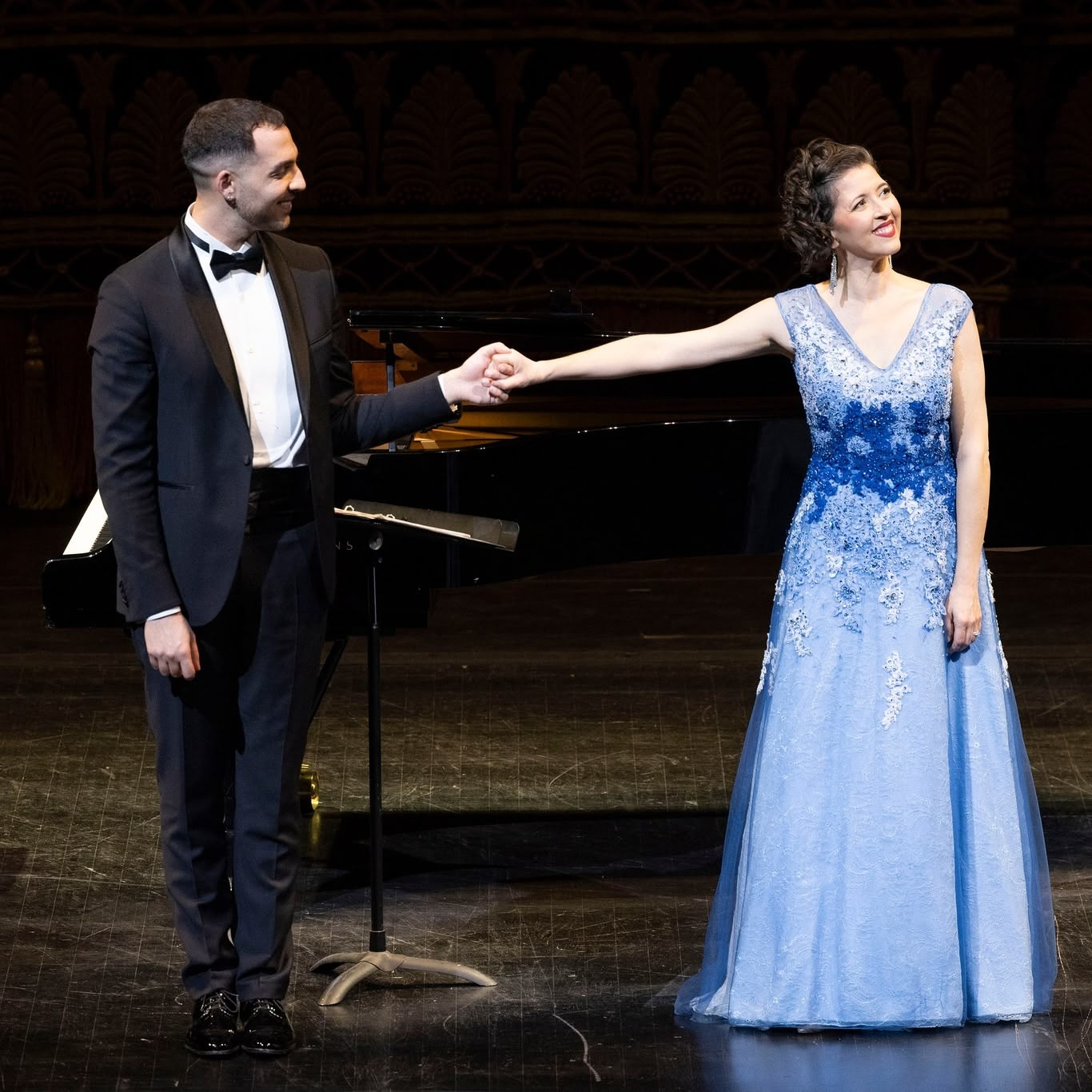
Il virtuosismo di Lisette Oropesa
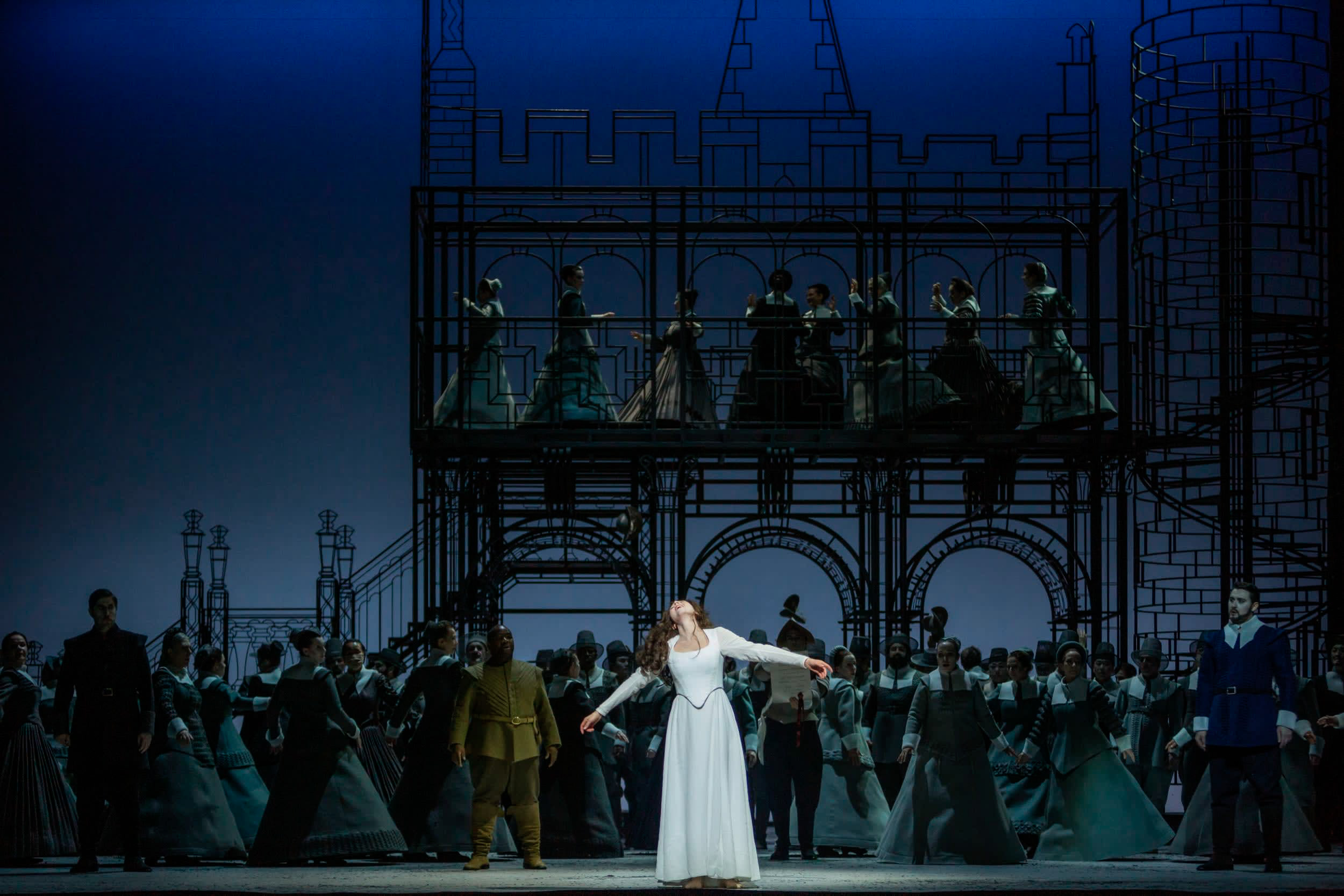
Più sobria ma marcata la bellissima aria da Soirées musicales, “L’invito” di Rossini, il discorso musicale scivola come fossero un unico strumento. In “La stella” e “La primavera” di Mercadante la forma sembra trasformata in un incantato virtuosismo tra sentimenti e voce, confidenziale, a tu per tu, come se fosse la prima volta che lo affronta. Mai un calo di tensione. Praticò dosa il volume distillando una serie di pianissimo, come sussurri che sfidano l'udito dei più nell’introduzione di “La Primavera”, magica. Qui il soprano era su timbri ideali, corposi, bruniti, come se Mercadante restituisse tutta l'espressività della voce della Oropesa, la sua genialità e bellezza. Conclude “Merci, jeunes amies” da Les vêpres Siciliennes di Verdi, preceduto da “È la vita un mar d’affanni”, “Stornello”, “Chi i bei dì m’adduce ancora”, “Perduta ho la pace” e si scardina ogni convenzione di interpretazione, di scansione ripetuta, dove scorre libero il fraseggio creando forme e prospettive mai osate prima.
The beautiful aria from Soirées musicales, “L'invito” by Rossini is more restrained yet distinctive, the musical discourse flows as though it were a single instrument. In Mercadante's “La stella” and “La primavera”, the form seems transformed into an enchanted virtuosity between feelings and voice, like a confidential, face-to-face conversation, as if it was the first time it's being addressed. The tension never drops. Praticò controls the volume, distilling a series of whispered pianissimos that challenge the hearing in the introduction to “La Primavera”, magical. Here the soprano was on ideal tones, full-bodied, tanned, as if Mercadante returned all the expressiveness of Oropesa's voice, her genius, and beauty. It concludes with “Merci, jeunes amies” from Verdi's Les vêpres Siciliennes, preceded by “È la vita un mar d’affanni”, “Stornello”, “Chi i bei dì m’adduce ancora”, “Perduta ho la pace” and shatters all conventions of interpretation, of repeated scanning, where the phrasing flows freely creating forms and perspectives never dared before.
—
Salvatore Morra
•
Giornale della Musica
I Puritani (Elvira)

Belcanto-Glanz in höchsten Tönen
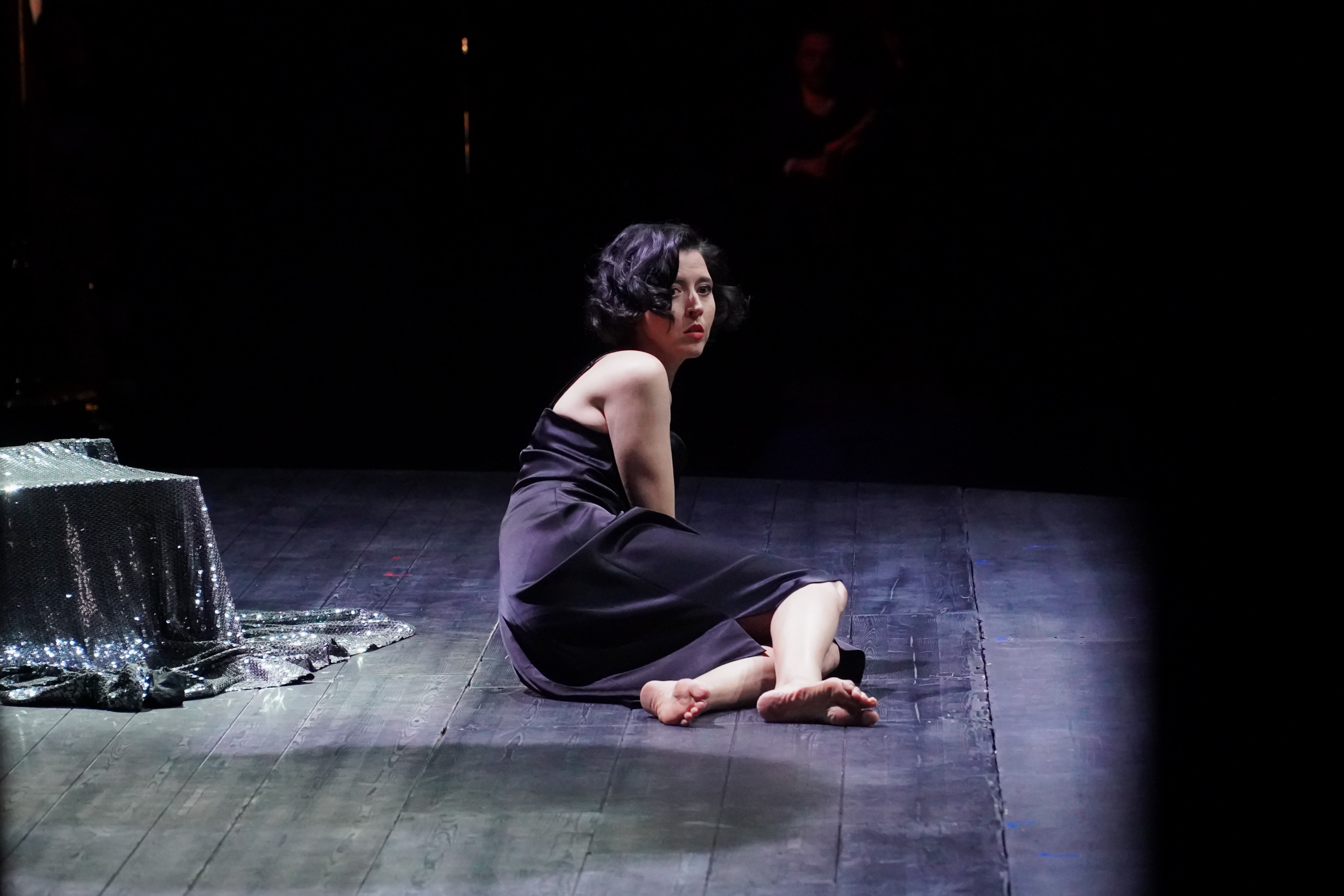
Nach der Pause tritt Oropesa nicht nur in einem wallenden schwarzen Kleid als Ausdruck von Elviras geistiger Umnachtung auf, sondern singt die Partie größtenteils auch noch auswendig. Die große Wahnsinnsszene im zweiten Akt setzt sie darstellerisch überzeugend um. Dabei wirkt ihr Sopran in den zerbrechlichen Höhen nahezu entrückt. Der Auftritt auf die Bühne wird von Oropesa regelrecht inszeniert, wenn sie sich an den Notenständern abstützt, die sie allesamt herunterdrückt, um ihrem Spiel mehr Ausdruck zu verleihen.
After the intermission, Oropesa appears not only in a flowing black gown as an expression of Elvira's mental derangement but also performs the role largely from memory. She convincingly portrays the grand madness scene in the second act. Her soprano voice, in its fragile heights, seems almost ethereal. Oropesa truly stages her entrance, leaning on the music stands, all of which she knocks down to add more expression to her performance.
—
Thomas Molke
•
Online Musik Magazin