:format(webp)/https://lisetteoropesa.com/media/gallery/2019/richard-tucker-music-foundation-gala/01-lisette-oropesa_header.jpg)
Rigoletto (Gilda)
:format(webp)/https://lisetteoropesa.com/media/gallery/2015/teatro-real-rigoletto/lisette-oropesa-05.jpg)
Verdi entre toses
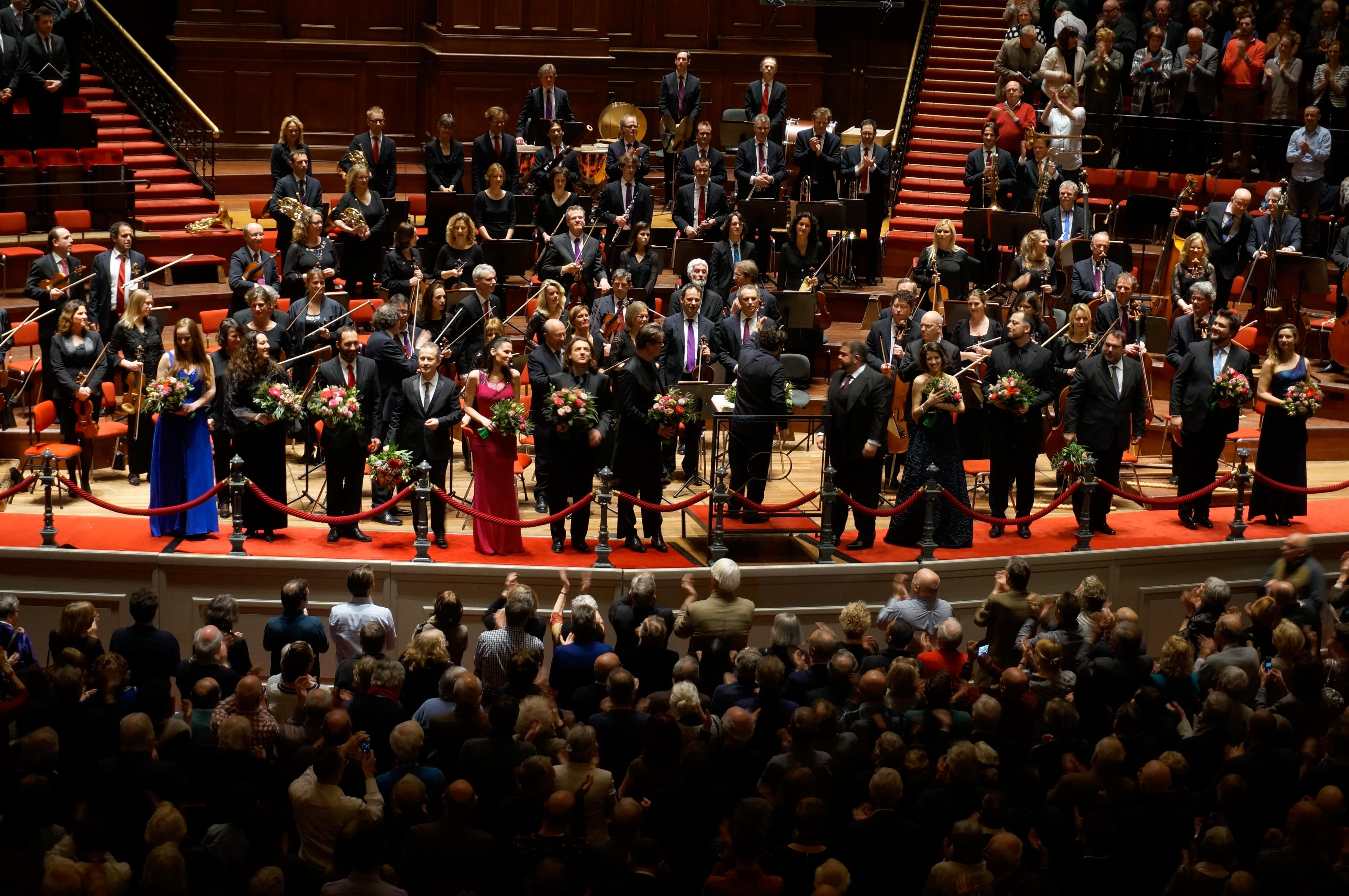
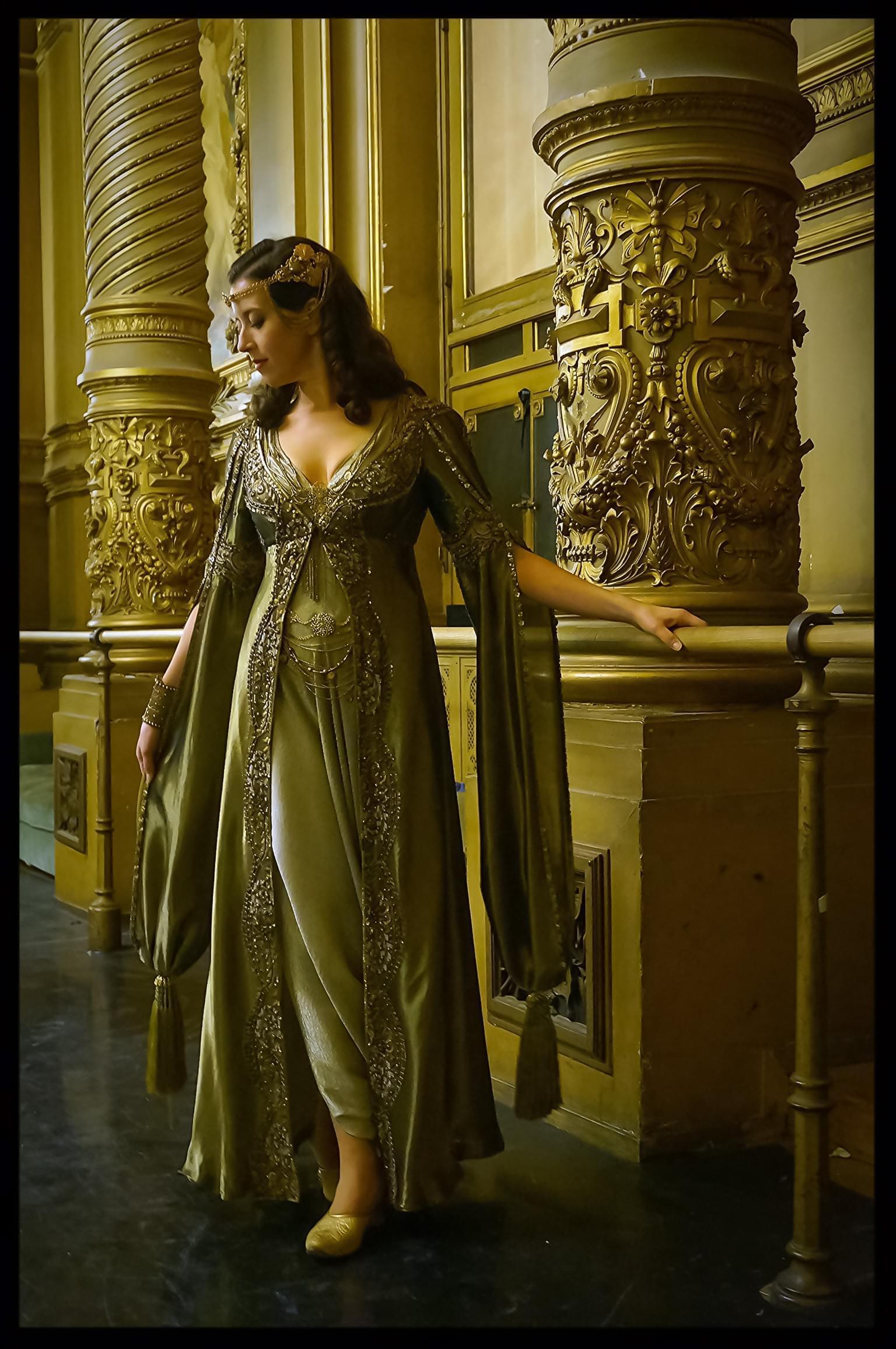
De Lisette Oropesa conocíamos personajes asociados a ese tipo de vocalidad femenina denominado soubrette. De hecho, su nombre de pila es el mismo que detenta un perfecto ejemplo de tal categoría sopranil, o sea, la segunda soprano de La rondine, personaje que forma parte de su repertorio además de Sophie (la massenetiana), Nannetta o Susanna. Pero la enorme sorpresa fue encontrarnos con una Gilda de medios suficientes, con un canto donde la expresión se encontraba perfectamente acomodada con la capacidad suficiente para asegurarla, pasando con total comodidad de los dúos con el barítono y el tenor a un Caro nome simplemente extraordinario. Resolviendo sin problemas las partes que posteriormente le son más exigidas en el final del acto II y en el terceto del III (recordamos aquí que el estricto Toscanini, eligió una spinto, Zinka Milanov, para la grabación de este acto en 1944) y dejando de la escena de su muerte un recuerdo seguramente imborrable, modelo canoro para Gildas posteriores.
We knew of Lisette Oropesa's characters associated with that type of female vocalism known as soubrette. In fact, her baptismal name is the same as that of a perfect example of such a soprano category, that is, the second soprano of La Rondine, a character that is part of her repertoire along with Sophie (the Massenet), Nannetta, or Susanna. But the big surprise was to find a Gilda with sufficient means, with a song where the expression was perfectly accommodated with enough capacity to assure it, transitioning with total ease from duets with the baritone and the tenor to a simply extraordinary Caro nome. Resolving without problems the parts that are later more demanding in the final act II and in the trio of III (we remember here that the strict Toscanini, chose a spinto, Zinka Milanov, for the recording of this act in 1944) and leaving from the scene of her death a memory that is surely indelible, a vocal model for future Gildas.
—
Fernando Fraga
•
El arte de la fuga

:format(webp)/https://lisetteoropesa.com/media/gallery/2015/opera-philadelphia-la-traviata/lisette-oropesa-alek-shrader.jpg)
:format(webp)/https://lisetteoropesa.com/media/logo/skaneateles-fest-logo.jpg)
:format(webp)/https://lisetteoropesa.com/media/logo/houston-symphony.jpg)
:format(webp)/https://lisetteoropesa.com/media/gallery/2015/san-francisco-opera-le-nozze-di-figaro/02-lisette-oropesa-phillippe-sly.jpg)
:format(webp)/https://lisetteoropesa.com/media/gallery/2015/pittsburgh-opera-daughter-regiment/01-lisette-oropesa.jpg)

:format(webp)/https://lisetteoropesa.com/media/logo/chicago-bach-project-logo.jpg)
:format(webp)/https://lisetteoropesa.com/media/gallery/2015/concertgebouw-rigoletto/lisette-oropesa-gilda-rigoletto-amsterdam-concertgebouw.jpg)
:format(webp)/https://lisetteoropesa.com/media/gallery/2015/opera-national-de-paris-entfuhrung-aus-dem-serail/lisette-oropesa-paris-opera-garnier-abduction-from-seraglio.jpg)
:format(webp)/https://lisetteoropesa.com/media/gallery/2015/teatro-real-rigoletto/lisette-oropesa-01.jpg)
:format(webp)/https://lisetteoropesa.com/media/gallery/2015/teatro-real-rigoletto/lisette-oropesa-02.jpg)
:format(webp)/https://lisetteoropesa.com/media/gallery/2015/teatro-real-rigoletto/lisette-oropesa-luca-salsi-01.jpg)
:format(webp)/https://lisetteoropesa.com/media/gallery/2015/teatro-real-rigoletto/lisette-oropesa-francesco-demuro-01.jpg)
:format(webp)/https://lisetteoropesa.com/media/gallery/2015/teatro-real-rigoletto/lisette-oropesa-luca-salsi-02.jpg)
:format(webp)/https://lisetteoropesa.com/media/gallery/2015/teatro-real-rigoletto/lisette-oropesa-luca-salsi-03.jpg)
:format(webp)/https://lisetteoropesa.com/media/gallery/2015/teatro-real-rigoletto/lisette-oropesa-luca-salsi-04.jpg)
:format(webp)/https://lisetteoropesa.com/media/gallery/2015/teatro-real-rigoletto/lisette-oropesa-luca-salsi-05.jpg)
:format(webp)/https://lisetteoropesa.com/media/gallery/2015/teatro-real-rigoletto/lisette-oropesa-luca-salsi-francesco-demuro-barbara-di-castri.jpg)
:format(webp)/https://lisetteoropesa.com/media/gallery/2015/teatro-real-rigoletto/lisette-oropesa-luca-salsi-06.jpg)
:format(webp)/https://lisetteoropesa.com/media/gallery/2015/teatro-real-rigoletto/lisette-oropesa-03.jpg)
:format(webp)/https://lisetteoropesa.com/media/gallery/2015/teatro-real-rigoletto/lisette-oropesa-luca-salsi-francesco-demuro-barbara-di-castri-andrea-mastroni-alex-sanmarti.jpg)

:format(webp)/https://lisetteoropesa.com/media/gallery/2015/opera-philadelphia-la-traviata/lisette-oropesa-02.jpg)
:format(webp)/https://lisetteoropesa.com/media/gallery/2015/opera-philadelphia-la-traviata/lisette-oropesa.jpg)
:format(webp)/https://lisetteoropesa.com/media/gallery/2015/san-francisco-opera-le-nozze-di-figaro/01-lisette-oropesa-luca-pisaroni-john-del-carlo.jpg)
:format(webp)/https://lisetteoropesa.com/media/gallery/2015/pittsburgh-opera-daughter-regiment/13-lisette-oropesa-larry-brownlee.jpg)
:format(webp)/https://lisetteoropesa.com/media/gallery/2015/pittsburgh-opera-daughter-regiment/03-lisette-oropesa-kevin-glavin.jpg)
:format(webp)/https://lisetteoropesa.com/media/gallery/2015/pittsburgh-opera-daughter-regiment/02-lisette-oropesa.jpg)
:format(webp)/https://lisetteoropesa.com/media/gallery/2015/pittsburgh-opera-daughter-regiment/12-lisette-oropesa-kevin-glavin-larry-brownlee.jpg)
:format(webp)/https://lisetteoropesa.com/media/gallery/2015/pittsburgh-opera-daughter-regiment/10-lisette-oropesa-joyce-castle.jpg)
:format(webp)/https://lisetteoropesa.com/media/gallery/2015/pittsburgh-opera-daughter-regiment/11-lisette-oropesa.jpg)
:format(webp)/https://lisetteoropesa.com/media/gallery/2015/pittsburgh-opera-daughter-regiment/09-lisette-oropesa-kevin-glavin-joyce-castle.jpg)
:format(webp)/https://lisetteoropesa.com/media/gallery/2015/pittsburgh-opera-daughter-regiment/05-lisette-oropesa-larry-brownlee.jpg)
:format(webp)/https://lisetteoropesa.com/media/gallery/2015/pittsburgh-opera-daughter-regiment/08-lisette-oropesa.jpg)
:format(webp)/https://lisetteoropesa.com/media/gallery/2015/pittsburgh-opera-daughter-regiment/06-lisette-oropesa.jpg)
:format(webp)/https://lisetteoropesa.com/media/gallery/2015/pittsburgh-opera-daughter-regiment/07-lisette-oropesa.jpg)
:format(webp)/https://lisetteoropesa.com/media/gallery/2015/pittsburgh-opera-daughter-regiment/04-lisette-oropesa-larry-brownlee.jpg)
:format(webp)/https://lisetteoropesa.com/media/gallery/2015/pittsburgh-opera-daughter-regiment/lisette-oropesa-marie-daughter-regiment.jpg)
:format(webp)/https://lisetteoropesa.com/media/gallery/2015/concertgebouw-rigoletto/lisette-oropesa-concert-concertgebouw-amsterdam.jpg)