:format(webp)/https://lisetteoropesa.com/media/gallery/2025/festspielhaus-baden-baden-concert/03-lisette-oropesa_header.jpg)
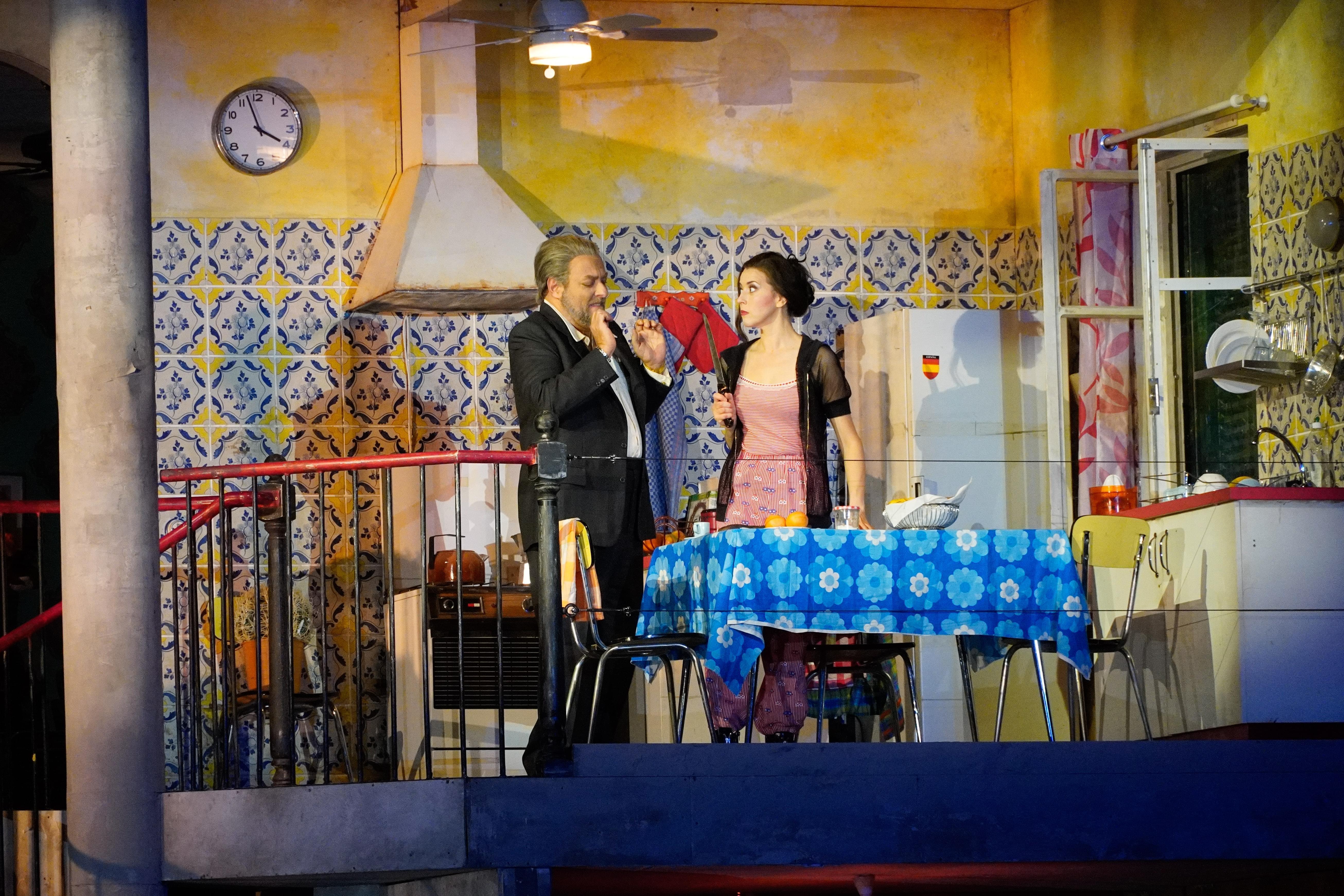
La traviata (Violetta Valery)
:format(webp)/https://lisetteoropesa.com/media/gallery/2020/gran-teatre-del-liceu-la-traviata/10-lisette-oropesa.jpg)
Brava Oropesa!
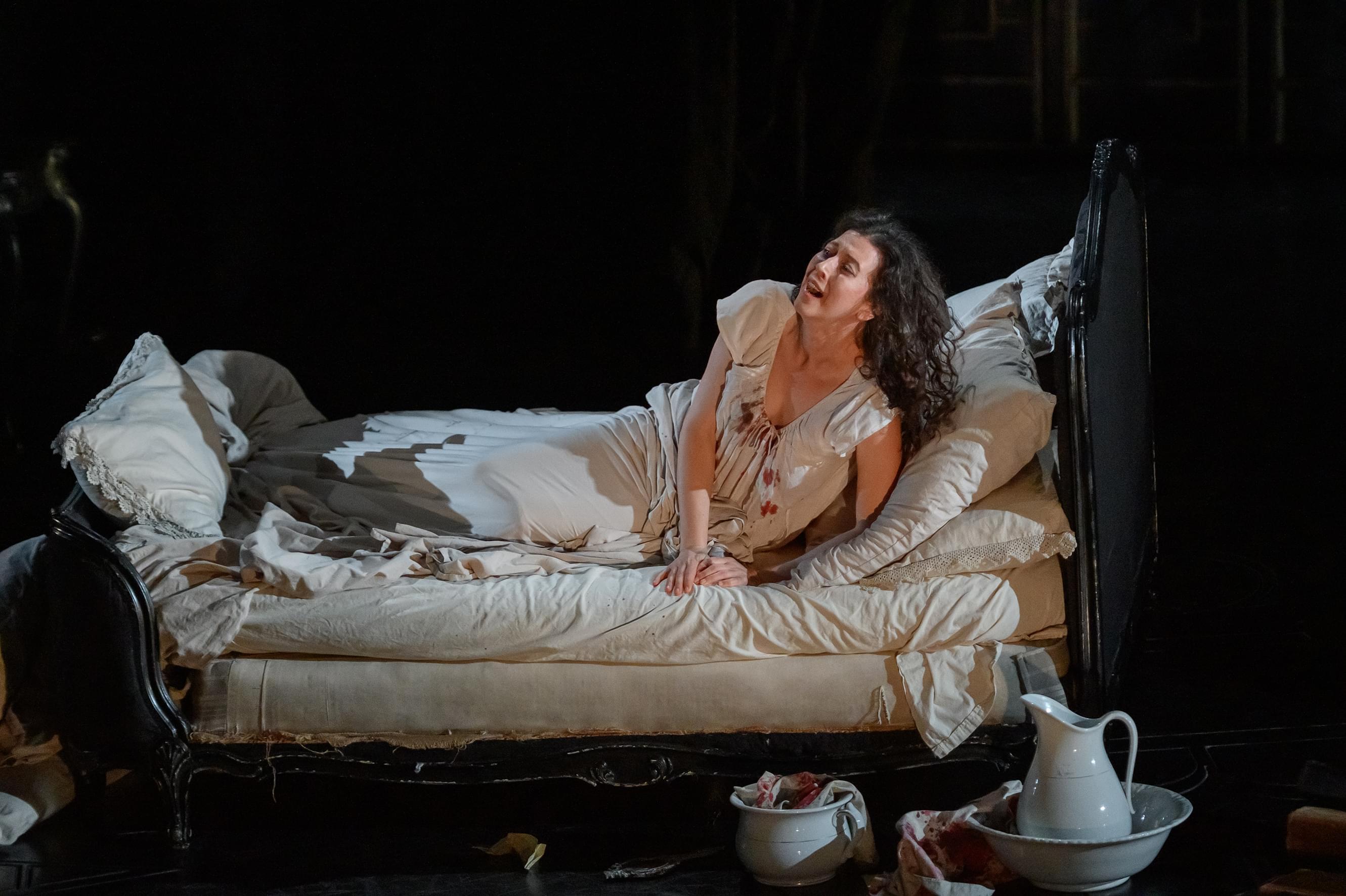
Lugar y fecha: Gran Teatre del Liceu (15/XII/2020) Seductora y carismática, así fue la Violetta Valéry de la estadounidense Lisette Oropesa, éxito personal y ovación en el Liceu. Recuperadas las funciones de La Traviata tras ampliar el tope de 500 espectadores a 1.000, faltaba disfrutar de la tercera de las cuatro Violetta en discordia, vistas ya Kristina Mkhitaryan y Pretty Yende, y a falta de Ermonela Jaho en la última función. Lisette, la más ligera, sorprendió, pues más allá de un primer acto brillante, donde desplegó su instrumento a piacere, Mi bemol al nal del “Sempre libera!” , agudos fáciles, luminosos y timbrados, creció con el desarrollo de la partitura. En su dúo con Germont padre coloreó, buscó expresión y matices, siempre sul ato, con un fraseo detallado, articulando cada frase con una escuela belcantista de primera. En su aria nal “Addio del passato” , la más aplaudida, controló el vibrato, aportó drama y acabó con un pianissimo volátil inolvidable. Brava la Oropesa!
Place and date: Gran Teatre del Liceu (December 15, 2020) Seductive and charismatic, this was the Violetta Valéry of American Lisette Oropesa, a personal triumph and ovation at the Liceu. With the revival of La Traviata performances after the audience limit was extended from 500 to 1,000, it was time to enjoy the third of the four Violettas at odds, having already seen Kristina Mkhitaryan and Pretty Yende, and with only Ermonela Jaho left for the final performance. Lisette, the lightest of them, was a surprise, as beyond a brilliant first act, where she displayed her instrument at pleasure, E-flat at the end of the "Sempre libera!", easy, bright, and well-timbred high notes, she grew with the unfolding of the score. In her duet with Germont senior, she added color, sought expression and nuances, always sul A (on the A string), with detailed phrasing, articulating each phrase with top bel canto technique. In her final aria "Addio del passato", the most applauded, she controlled the vibrato, delivered drama, and finished with a memorable volatile pianissimo. Brava Oropesa!
—
Jordi Maddaleno
•
La Vanguardia
:format(webp)/https://lisetteoropesa.com/media/gallery/2020/teatro-alla-scala-a-riveder-le-stelle/04-lisette-oropesa.jpg)
:format(webp)/https://lisetteoropesa.com/media/gallery/2020/wiener-staatsoper-entfuhrung-aus-dem-serail/02-lisette-oropesa-christian-nickel-emanuela-von-frankenberg.jpg)


:format(webp)/https://lisetteoropesa.com/media/gallery/2020/teatro-real-la-traviata/02-lisette-oropesa.jpg)


:format(webp)/https://lisetteoropesa.com/media/gallery/2020/metropolitan-opera-la-traviata/02-lisette-oropesa-pierro-pretti-luca-salsi.jpg)

:format(webp)/https://lisetteoropesa.com/media/gallery/2020/opera-national-de-paris-il-barbiere-di-siviglia/03-lisette-oropesa-carlo-lepore.jpg)
:format(webp)/https://lisetteoropesa.com/media/gallery/2020/gstaad-new-year-music-festival-recital/lisette-oropesa-natalia-morozova.jpg)
:format(webp)/https://lisetteoropesa.com/media/gallery/2020/gran-teatre-del-liceu-la-traviata/11-lisette-oropesa.jpg)
:format(webp)/https://lisetteoropesa.com/media/gallery/2020/gran-teatre-del-liceu-la-traviata/12-lisette-oropesa-dmitry-korchak.jpg)
:format(webp)/https://lisetteoropesa.com/media/gallery/2020/gran-teatre-del-liceu-la-traviata/13-lisette-oropesa-dmirty-korchak-felipe-bou.jpg)
:format(webp)/https://lisetteoropesa.com/media/gallery/2020/gran-teatre-del-liceu-la-traviata/01-lisette-oropesa.jpg)
:format(webp)/https://lisetteoropesa.com/media/gallery/2020/gran-teatre-del-liceu-la-traviata/02-lisette-oropesa.jpg)
:format(webp)/https://lisetteoropesa.com/media/gallery/2020/gran-teatre-del-liceu-la-traviata/06-lisette-oropesa-giovanni-meoni.jpg)
:format(webp)/https://lisetteoropesa.com/media/gallery/2020/gran-teatre-del-liceu-la-traviata/05-lisette-oropesa-giovanni-meoni.jpg)
:format(webp)/https://lisetteoropesa.com/media/gallery/2020/gran-teatre-del-liceu-la-traviata/03-lisette-oropesa.jpg)
:format(webp)/https://lisetteoropesa.com/media/gallery/2020/gran-teatre-del-liceu-la-traviata/04-lisette-oropesa-dmitry-korchak.jpg)
:format(webp)/https://lisetteoropesa.com/media/gallery/2020/gran-teatre-del-liceu-la-traviata/07-lisette-oropesa-gemma-coma-alabert.jpg)
:format(webp)/https://lisetteoropesa.com/media/gallery/2020/gran-teatre-del-liceu-la-traviata/08-lisette-oropesa-dmitry-korchak.jpg)
:format(webp)/https://lisetteoropesa.com/media/gallery/2020/gran-teatre-del-liceu-la-traviata/09-lisette-oropesa.jpg)
:format(webp)/https://lisetteoropesa.com/media/gallery/2020/teatro-alla-scala-a-riveder-le-stelle/02-lisette-oropesa.jpg)
:format(webp)/https://lisetteoropesa.com/media/gallery/2020/teatro-alla-scala-a-riveder-le-stelle/01-lisette-oropesa.jpg)
:format(webp)/https://lisetteoropesa.com/media/gallery/2020/teatro-alla-scala-a-riveder-le-stelle/06-lisette-oropesa.jpg)
:format(webp)/https://lisetteoropesa.com/media/gallery/2020/teatro-alla-scala-a-riveder-le-stelle/05-lisette-oropesa.jpg)
:format(webp)/https://lisetteoropesa.com/media/gallery/2020/teatro-alla-scala-a-riveder-le-stelle/03-lisette-oropesa.jpg)
:format(webp)/https://lisetteoropesa.com/media/gallery/2020/wiener-staatsoper-entfuhrung-aus-dem-serail/04-lisette-oropesa-daniel-behle.jpg)
:format(webp)/https://lisetteoropesa.com/media/gallery/2020/wiener-staatsoper-entfuhrung-aus-dem-serail/05-lisette-oropesa-christian-nickel.jpg)
:format(webp)/https://lisetteoropesa.com/media/gallery/2020/wiener-staatsoper-entfuhrung-aus-dem-serail/01-lisette-oropesa.jpg)
:format(webp)/https://lisetteoropesa.com/media/gallery/2020/wiener-staatsoper-entfuhrung-aus-dem-serail/03-lisette-oropesa-christian-nickel.jpg)
:format(webp)/https://lisetteoropesa.com/media/gallery/2020/teatro-real-la-traviata/06-lisette-oropesa.jpg)
:format(webp)/https://lisetteoropesa.com/media/gallery/2020/teatro-real-la-traviata/07-lisette-oropesa.jpg)
:format(webp)/https://lisetteoropesa.com/media/gallery/2020/teatro-real-la-traviata/08-lisette-oropesa.jpg)
:format(webp)/https://lisetteoropesa.com/media/gallery/2020/teatro-real-la-traviata/09-lisette-oropesa.jpg)
:format(webp)/https://lisetteoropesa.com/media/gallery/2020/teatro-real-la-traviata/04-lisette-oropesa.jpg)
:format(webp)/https://lisetteoropesa.com/media/gallery/2020/teatro-real-la-traviata/12-lisette-oropesa.jpg)
:format(webp)/https://lisetteoropesa.com/media/gallery/2020/teatro-real-la-traviata/03-lisette-oropesa.jpg)
:format(webp)/https://lisetteoropesa.com/media/gallery/2020/teatro-real-la-traviata/11-lisette-oropesa.jpg)
:format(webp)/https://lisetteoropesa.com/media/gallery/2020/teatro-real-la-traviata/13-lisette-oropesa-nicola-aliamo-ivan-magri.jpg)
:format(webp)/https://lisetteoropesa.com/media/gallery/2020/teatro-real-la-traviata/05-lisette-oropesa.jpg)
:format(webp)/https://lisetteoropesa.com/media/gallery/2020/teatro-real-la-traviata/01-lisette-oropesa.jpg)
:format(webp)/https://lisetteoropesa.com/media/gallery/2020/teatro-real-la-traviata/10-lisette-oropesa.jpg)

:format(webp)/https://lisetteoropesa.com/media/gallery/2020/metropolitan-opera-la-traviata/01-lisette-oropesa.jpg)
:format(webp)/https://lisetteoropesa.com/media/gallery/2020/opera-national-de-paris-il-barbiere-di-siviglia/08-lisette-oropesa.jpg)
:format(webp)/https://lisetteoropesa.com/media/gallery/2020/opera-national-de-paris-il-barbiere-di-siviglia/05-lisette-oropesa.jpg)
:format(webp)/https://lisetteoropesa.com/media/gallery/2020/opera-national-de-paris-il-barbiere-di-siviglia/07-lisette-oropesa.jpg)
:format(webp)/https://lisetteoropesa.com/media/gallery/2020/opera-national-de-paris-il-barbiere-di-siviglia/06-lisette-oropesa.jpg)
:format(webp)/https://lisetteoropesa.com/media/gallery/2020/opera-national-de-paris-il-barbiere-di-siviglia/04-lisette-oropesa-ilya-kutyukhin.jpg)
:format(webp)/https://lisetteoropesa.com/media/gallery/2020/opera-national-de-paris-il-barbiere-di-siviglia/09-lisette-oropesa-carlo-lepore-ilya-kutyukhin-xabier-anduaga-krzysztof-baczyk-marion-lebegue.jpg)
:format(webp)/https://lisetteoropesa.com/media/gallery/2020/opera-national-de-paris-il-barbiere-di-siviglia/01-lisette-oropesa-ilya-kutyukhin.jpg)
:format(webp)/https://lisetteoropesa.com/media/gallery/2020/opera-national-de-paris-il-barbiere-di-siviglia/02-lisette-oropesa.jpg)