
:format(webp)/https://lisetteoropesa.com/media/gallery/2020/teatro-alla-scala-a-riveder-le-stelle/06-lisette-oropesa_header.jpg)
Career
Every engagement since 2005, newest first. Upcoming performances are on the Schedule.
2025
:format(webp)/https://lisetteoropesa.com/media/gallery/2025/opera-louisiane-concert/02-lisette-oropesa.jpg)
:format(webp)/https://lisetteoropesa.com/media/gallery/2025/festspielhaus-baden-baden-concert/04-lisette-oropesa.jpg)
Alcina

VERSALLES / El hechizo barroco de Alcina con una inolvidable Oropesa
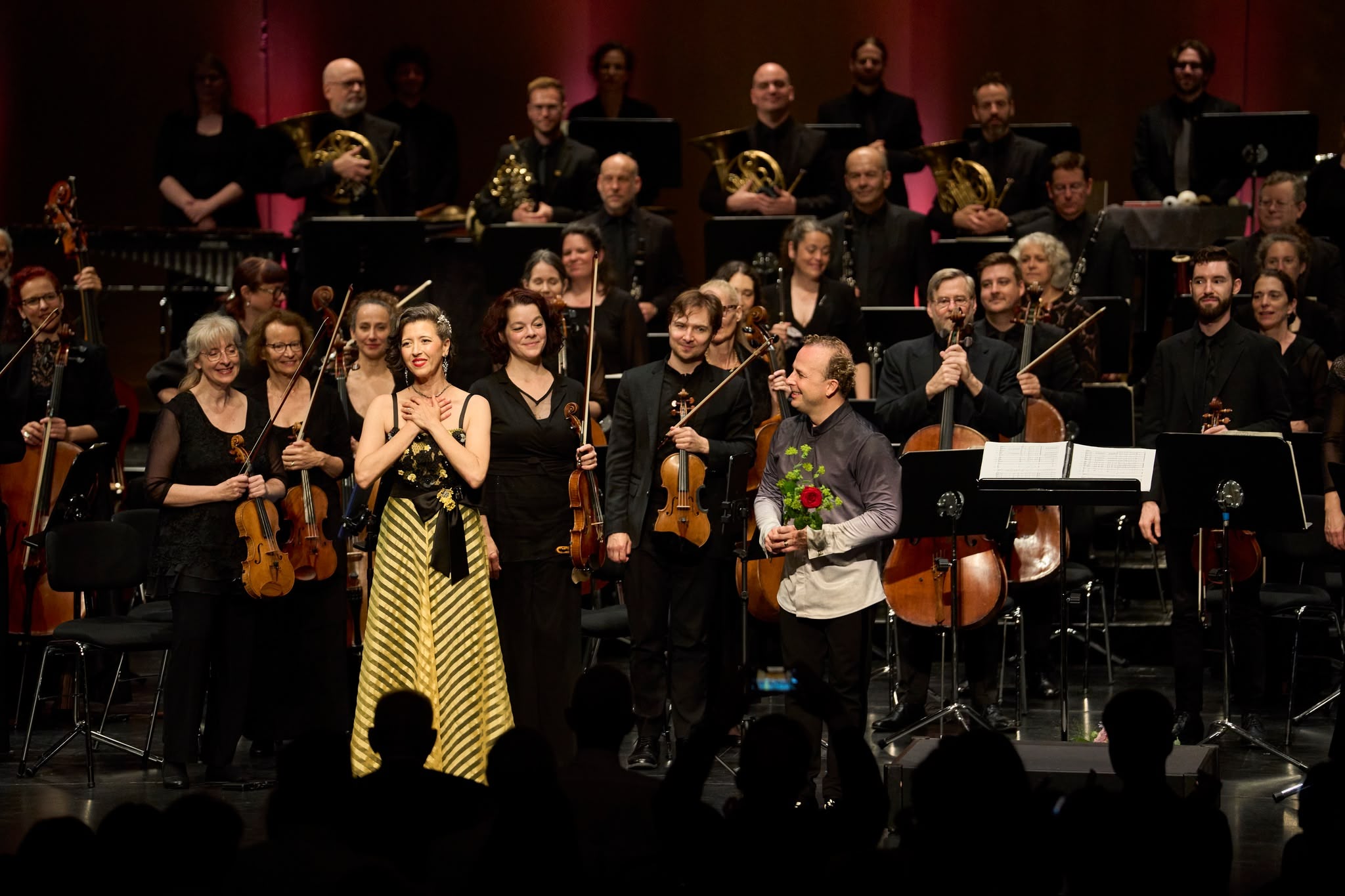
La soprano cubano-estadounidense Lisette Oropesa, como suprema hechicera, ofreció una interpretación para quitar el aliento. Su «Ah! mio cor» fue un momento de gracia absoluta: voz de seda y acero, pianissimi flotantes como velos, coloratura centelleante y una expresividad que estremecía el alma. Su encarnación de Alcina oscilaba entre la furia trágica y una vulnerabilidad desgarradora, especialmente en «Ombre pallide», donde su diálogo alucinado con los violines provocó escalofríos en el público. Su último aria, «Mi restano le lagrime», capaz de hacer llorar a las piedras, fue el momento más conmovedor de la velada y le valió una última ovación.
The Cuban-American soprano Lisette Oropesa, as the supreme sorceress, delivered a breath-taking performance. Her "Ah! mio cor" was a moment of absolute grace: voice of silk and steel, floating pianissimos like veils, sparkling coloratura, and an expressiveness that shook the soul. Her embodiment of Alcina oscillated between tragic fury and heartbreaking vulnerability, especially in "Ombre pallide", where her hallucinated dialogue with the violins sent shivers through the audience. Her final aria, "Mi restano le lagrime", capable of moving stones to tears, was the most touching moment of the evening and earned her one last ovation.
—
Emmanuel Andrieu
•
Scherzo Magazine

:format(webp)/https://lisetteoropesa.com/media/gallery/2025/opera-louisiane-concert/01-lisette-oropesa-joshua-dennis.jpg)
:format(webp)/https://lisetteoropesa.com/media/gallery/2025/opera-louisiane-concert/05-lisette-oropesa-joshua-dennis.jpg)
:format(webp)/https://lisetteoropesa.com/media/gallery/2025/opera-louisiane-concert/04-lisette-oropesa.jpg)
:format(webp)/https://lisetteoropesa.com/media/gallery/2025/opera-louisiane-concert/03-lisette-oropesa.jpg)
:format(webp)/https://lisetteoropesa.com/media/gallery/2025/festspielhaus-baden-baden-concert/03-lisette-oropesa.jpg)
:format(webp)/https://lisetteoropesa.com/media/gallery/2025/festspielhaus-baden-baden-concert/02-lisette-oropesa.jpg)
:format(webp)/https://lisetteoropesa.com/media/gallery/2025/festspielhaus-baden-baden-concert/01-lisette-oropesa.jpg)
Gala anniversaire

Gala anniversaire. 150 ans du Palais Garnier, 24 janvier 2025
Lisette Oropesa Mathilde souveraine, affichant un sens du phrasé unique, une élocution parfaite, un legato glorieux, bref une maîtrise sans faille du style rossinien.
Lisette Oropesa, a sovereign Mathilde, displays a unique sense of phrasing, perfect elocution, glorious legato, in short, an impeccable mastery of the Rossini style.
—
Camillo Faverzani
•
Premiere Loge Opera
I Puritani (Elvira)

Belcanto-Glanz in höchsten Tönen
Nach der Pause tritt Oropesa nicht nur in einem wallenden schwarzen Kleid als Ausdruck von Elviras geistiger Umnachtung auf, sondern singt die Partie größtenteils auch noch auswendig. Die große Wahnsinnsszene im zweiten Akt setzt sie darstellerisch überzeugend um. Dabei wirkt ihr Sopran in den zerbrechlichen Höhen nahezu entrückt. Der Auftritt auf die Bühne wird von Oropesa regelrecht inszeniert, wenn sie sich an den Notenständern abstützt, die sie allesamt herunterdrückt, um ihrem Spiel mehr Ausdruck zu verleihen.
After the intermission, Oropesa appears not only in a flowing black gown as an expression of Elvira's mental derangement but also performs the role largely from memory. She convincingly portrays the grand madness scene in the second act. Her soprano voice, in its fragile heights, seems almost ethereal. Oropesa truly stages her entrance, leaning on the music stands, all of which she knocks down to add more expression to her performance.
—
Thomas Molke
•
Online Musik Magazin