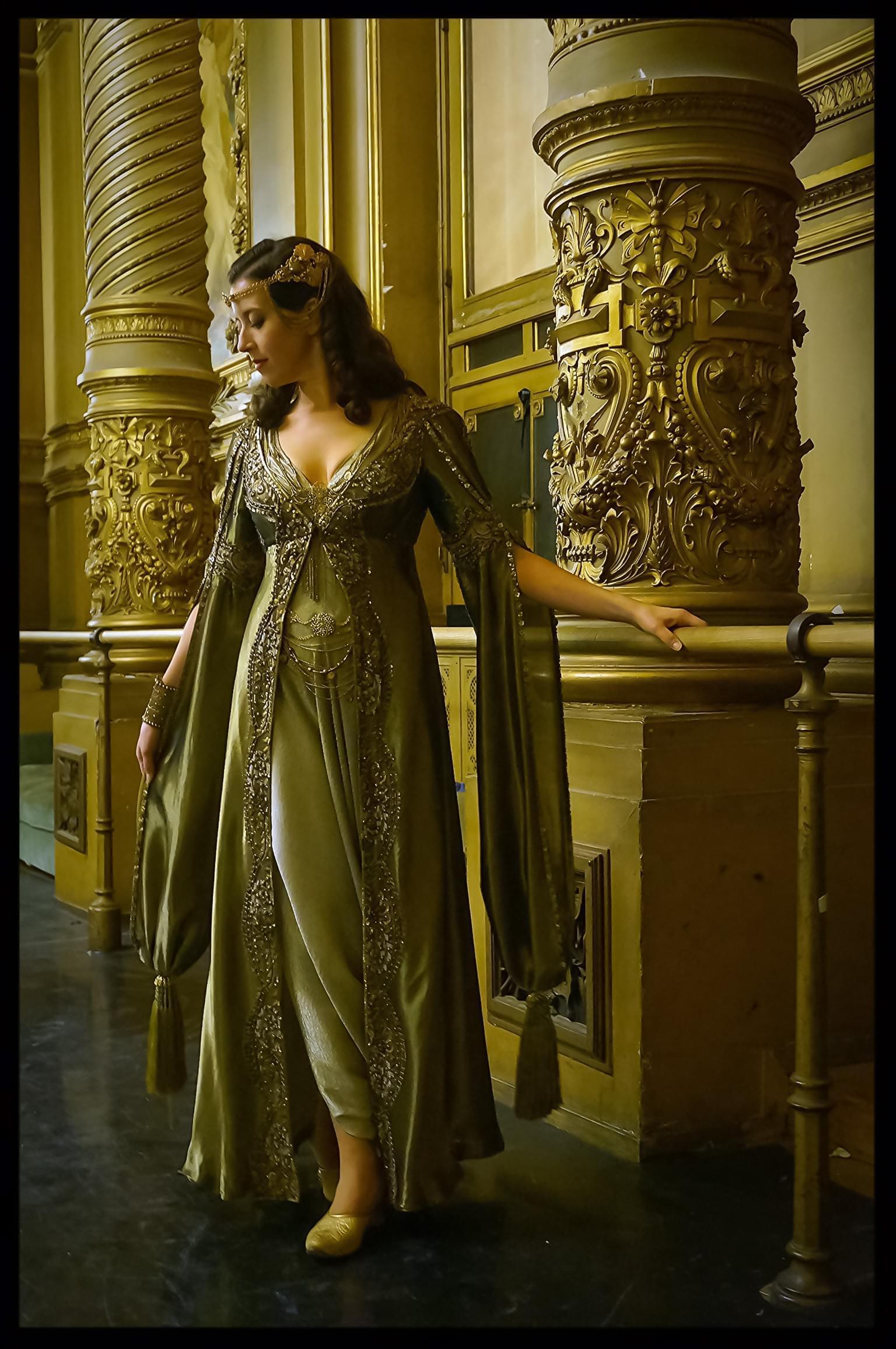
:format(webp)/https://lisetteoropesa.com/media/gallery/2018/rossini-opera-festival-adina/lisette-oropesa-6_header.jpg)
Rigoletto (Gilda)
:format(webp)/https://lisetteoropesa.com/media/gallery/2015/teatro-real-rigoletto/lisette-oropesa-05.jpg)
Verdi entre toses
De Lisette Oropesa conocíamos personajes asociados a ese tipo de vocalidad femenina denominado soubrette. De hecho, su nombre de pila es el mismo que detenta un perfecto ejemplo de tal categoría sopranil, o sea, la segunda soprano de La rondine, personaje que forma parte de su repertorio además de Sophie (la massenetiana), Nannetta o Susanna. Pero la enorme sorpresa fue encontrarnos con una Gilda de medios suficientes, con un canto donde la expresión se encontraba perfectamente acomodada con la capacidad suficiente para asegurarla, pasando con total comodidad de los dúos con el barítono y el tenor a un Caro nome simplemente extraordinario. Resolviendo sin problemas las partes que posteriormente le son más exigidas en el final del acto II y en el terceto del III (recordamos aquí que el estricto Toscanini, eligió una spinto, Zinka Milanov, para la grabación de este acto en 1944) y dejando de la escena de su muerte un recuerdo seguramente imborrable, modelo canoro para Gildas posteriores.
We knew of Lisette Oropesa's characters associated with that type of female vocalism known as soubrette. In fact, her baptismal name is the same as that of a perfect example of such a soprano category, that is, the second soprano of La Rondine, a character that is part of her repertoire along with Sophie (the Massenet), Nannetta, or Susanna. But the big surprise was to find a Gilda with sufficient means, with a song where the expression was perfectly accommodated with enough capacity to assure it, transitioning with total ease from duets with the baritone and the tenor to a simply extraordinary Caro nome. Resolving without problems the parts that are later more demanding in the final act II and in the trio of III (we remember here that the strict Toscanini, chose a spinto, Zinka Milanov, for the recording of this act in 1944) and leaving from the scene of her death a memory that is surely indelible, a vocal model for future Gildas.
—
Fernando Fraga
•
El arte de la fugaRIGOLETTO Teatro Real. Madrid
... y la Gilda de Lisette Oropesa. Interpretando de forma delicadísima a la hija de Rigoletto, esta soprano cubano americana consiguió unos cuantos "Brava" con una composición perfecta y profundamente emocionante y por la cual ya merecería la pena el montaje entero.
...and Lisette Oropesa's Gilda. Delicately portraying Rigoletto's daughter, this Cuban-American soprano earned several "Bravas" for a perfect and deeply moving performance, which alone would be worth the entire production.
—
Miguel Gabaldón
•
Notodo“RIGOLETTO” AL TEATRO REAL DI MADRID
Il vibrato della statunitense Lisette Oropesa fa sì che la sua voce di soprano leggero sia sempre percorsa di una pregevole vivacità; la tecnica vocale compiutissima, la grazia nel porgere, la precisione nei vocalizzi ne fanno un’interprete perfetta del carattere di Gilda: «Caro nome che il mio cor» è la pagina meglio riuscita della recita, soprattutto per l’emissione di trilli purissimi e perlacei, ma si può ricordare almeno l’attacco di «Tutte le feste al tempio», capolavoro di controllo dell’emissione e della mezza voce. L’unico difetto della Oropesa è un piccolo sfasamento di timbro tra le note di passaggio e il registro acuto, il cui colore è un poco sbiadito rispetto al resto; ma si tratta di una minuzia, e infatti il pubblico la acclama alla fine di ogni scena.
The vibrato of the American Lisette Oropesa ensures that her light soprano voice is always filled with notable liveliness; her highly developed vocal technique, grace in delivery, and precision in her runs make her a perfect interpreter of the character of Gilda: "Caro nome che il mio cor" is the most successful piece of the performance, especially due to the emission of pure, pearlescent trills, but one must also mention the opening of "Tutte le feste al tempio", a masterpiece of emission control and half voice. The only flaw in Oropesa's performance is a slight mismatch in timbre between the transition notes and the high register, whose color is a bit more faded compared to the rest; but it is a minor detail, and indeed the audience acclaims her at the end of each scene.
—
Michele Curnis
•
GB Opera MagazineCrítica: 'Triunfo De Gilda'. 'Rigoletto' En El Teatro Real, Con Salsi, Oropesa Y Demuro
Notable la encarnación de Lisette Oropesa, una voz de lírico-ligera con cuerpo, impecablemente proyectada, bien colocada y correctamente apoyada sobre el aire. Buena la coloratura como pudo comprobarse en una brillante interpretación del “Caro nome” culminada por un trino largo y de buena factura. Estupendo también fue el mi bemol del final de la vendetta. Cierto es que el timbre no es especialmente bello ni singular y que a alguno de los filados que prodigó le faltó un punto de firmeza y posición, pero estamos, sin duda, ante una soprano con los papeles en regla, con control sobre su instrumento, sobre la intensidad del sonido, la respiración y los resortes del canto. Eso sí, en el aspecto interpretativo no es un prodigio de expresividad.
The embodiment of Lisette Oropesa stands out, a voice that is light-lyric yet full-bodied, impeccably projected, well-placed, and correctly supported by breath control. Her coloratura skills were evident in a brilliant performance of "Caro nome," culminating in a long, well-executed trill. The high E-flat at the end of the vengeance aria was also superb. It's true that her timbre is not particularly beautiful or unique, and some of the sustained notes she produced lacked a bit of firmness and placement, but we are unquestionably facing a soprano who has her act together, with control over her instrument, sound intensity, breathing, and the mechanics of singing. That said, in terms of interpretive aspect, she is not a wonder of expressiveness.
—
Raúl Chamorro Mena
•
Codalario

:format(webp)/https://lisetteoropesa.com/media/gallery/2015/opera-philadelphia-la-traviata/lisette-oropesa-alek-shrader.jpg)
:format(webp)/https://lisetteoropesa.com/media/gallery/2015/san-francisco-opera-le-nozze-di-figaro/02-lisette-oropesa-phillippe-sly.jpg)
:format(webp)/https://lisetteoropesa.com/media/gallery/2015/pittsburgh-opera-daughter-regiment/01-lisette-oropesa.jpg)

:format(webp)/https://lisetteoropesa.com/media/logo/chicago-bach-project-logo.jpg)
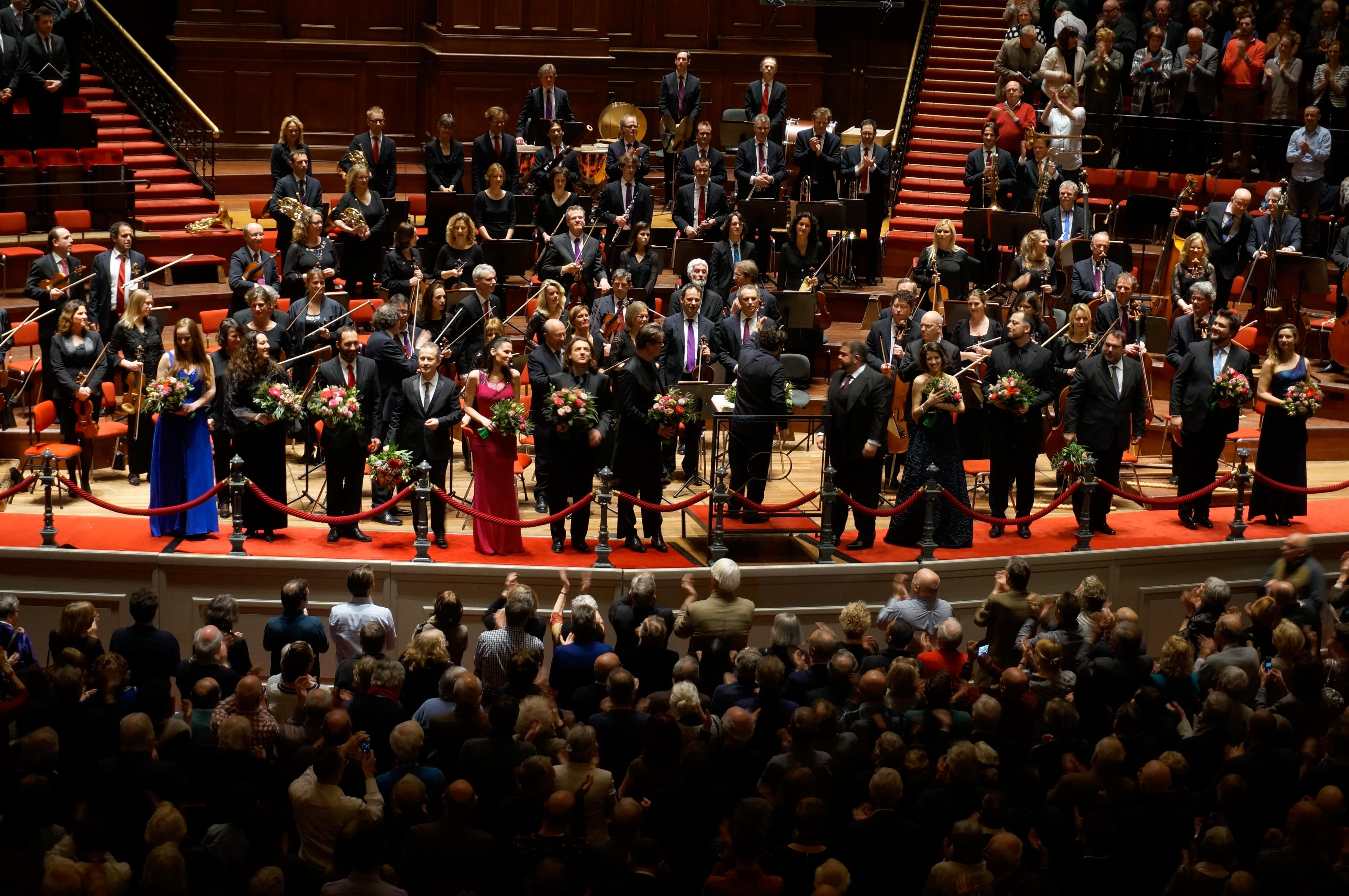
:format(webp)/https://lisetteoropesa.com/media/gallery/2015/concertgebouw-rigoletto/lisette-oropesa-gilda-rigoletto-amsterdam-concertgebouw.jpg)
:format(webp)/https://lisetteoropesa.com/media/gallery/2015/opera-national-de-paris-entfuhrung-aus-dem-serail/lisette-oropesa-paris-opera-garnier-abduction-from-seraglio.jpg)
:format(webp)/https://lisetteoropesa.com/media/gallery/2015/teatro-real-rigoletto/lisette-oropesa-01.jpg)
:format(webp)/https://lisetteoropesa.com/media/gallery/2015/teatro-real-rigoletto/lisette-oropesa-02.jpg)
:format(webp)/https://lisetteoropesa.com/media/gallery/2015/teatro-real-rigoletto/lisette-oropesa-luca-salsi-01.jpg)
:format(webp)/https://lisetteoropesa.com/media/gallery/2015/teatro-real-rigoletto/lisette-oropesa-francesco-demuro-01.jpg)
:format(webp)/https://lisetteoropesa.com/media/gallery/2015/teatro-real-rigoletto/lisette-oropesa-luca-salsi-02.jpg)
:format(webp)/https://lisetteoropesa.com/media/gallery/2015/teatro-real-rigoletto/lisette-oropesa-luca-salsi-03.jpg)
:format(webp)/https://lisetteoropesa.com/media/gallery/2015/teatro-real-rigoletto/lisette-oropesa-luca-salsi-04.jpg)
:format(webp)/https://lisetteoropesa.com/media/gallery/2015/teatro-real-rigoletto/lisette-oropesa-luca-salsi-05.jpg)
:format(webp)/https://lisetteoropesa.com/media/gallery/2015/teatro-real-rigoletto/lisette-oropesa-luca-salsi-francesco-demuro-barbara-di-castri.jpg)
:format(webp)/https://lisetteoropesa.com/media/gallery/2015/teatro-real-rigoletto/lisette-oropesa-luca-salsi-06.jpg)
:format(webp)/https://lisetteoropesa.com/media/gallery/2015/teatro-real-rigoletto/lisette-oropesa-03.jpg)
:format(webp)/https://lisetteoropesa.com/media/gallery/2015/teatro-real-rigoletto/lisette-oropesa-luca-salsi-francesco-demuro-barbara-di-castri-andrea-mastroni-alex-sanmarti.jpg)

:format(webp)/https://lisetteoropesa.com/media/gallery/2015/opera-philadelphia-la-traviata/lisette-oropesa-02.jpg)
:format(webp)/https://lisetteoropesa.com/media/gallery/2015/opera-philadelphia-la-traviata/lisette-oropesa.jpg)
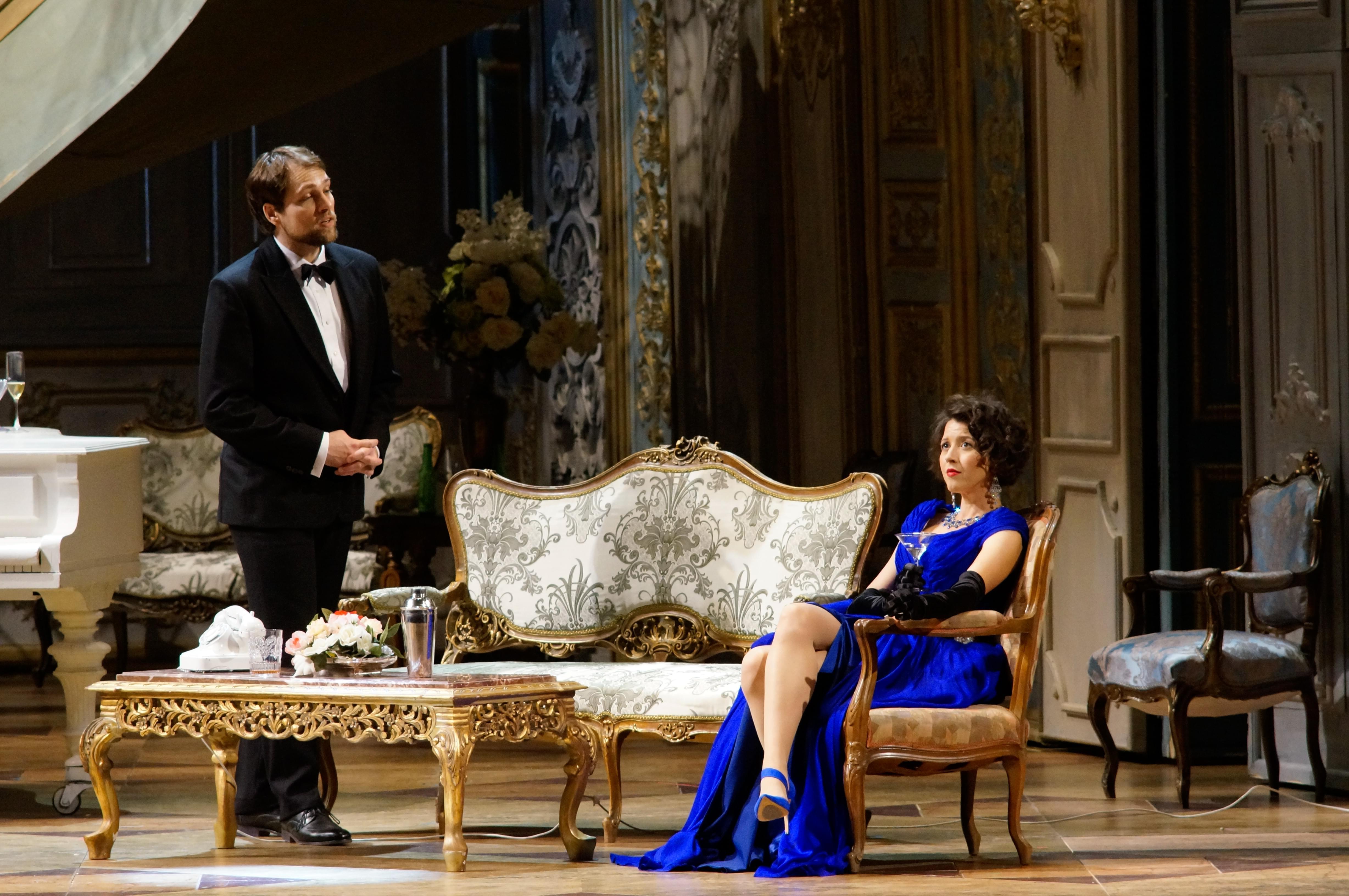
:format(webp)/https://lisetteoropesa.com/media/gallery/2015/san-francisco-opera-le-nozze-di-figaro/01-lisette-oropesa-luca-pisaroni-john-del-carlo.jpg)
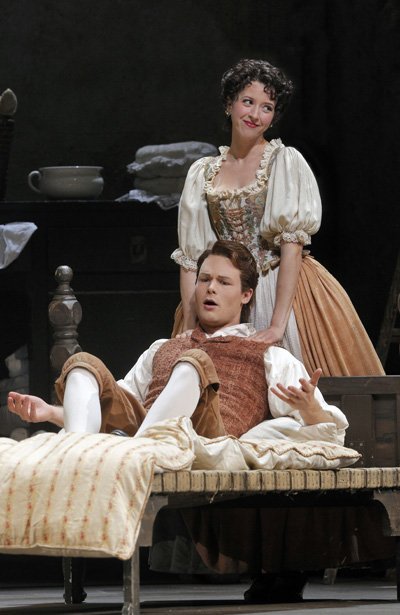
:format(webp)/https://lisetteoropesa.com/media/gallery/2015/pittsburgh-opera-daughter-regiment/13-lisette-oropesa-larry-brownlee.jpg)
:format(webp)/https://lisetteoropesa.com/media/gallery/2015/pittsburgh-opera-daughter-regiment/03-lisette-oropesa-kevin-glavin.jpg)
:format(webp)/https://lisetteoropesa.com/media/gallery/2015/pittsburgh-opera-daughter-regiment/02-lisette-oropesa.jpg)
:format(webp)/https://lisetteoropesa.com/media/gallery/2015/pittsburgh-opera-daughter-regiment/12-lisette-oropesa-kevin-glavin-larry-brownlee.jpg)
:format(webp)/https://lisetteoropesa.com/media/gallery/2015/pittsburgh-opera-daughter-regiment/10-lisette-oropesa-joyce-castle.jpg)
:format(webp)/https://lisetteoropesa.com/media/gallery/2015/pittsburgh-opera-daughter-regiment/11-lisette-oropesa.jpg)
:format(webp)/https://lisetteoropesa.com/media/gallery/2015/pittsburgh-opera-daughter-regiment/09-lisette-oropesa-kevin-glavin-joyce-castle.jpg)
:format(webp)/https://lisetteoropesa.com/media/gallery/2015/pittsburgh-opera-daughter-regiment/05-lisette-oropesa-larry-brownlee.jpg)
:format(webp)/https://lisetteoropesa.com/media/gallery/2015/pittsburgh-opera-daughter-regiment/08-lisette-oropesa.jpg)
:format(webp)/https://lisetteoropesa.com/media/gallery/2015/pittsburgh-opera-daughter-regiment/06-lisette-oropesa.jpg)
:format(webp)/https://lisetteoropesa.com/media/gallery/2015/pittsburgh-opera-daughter-regiment/07-lisette-oropesa.jpg)
:format(webp)/https://lisetteoropesa.com/media/gallery/2015/pittsburgh-opera-daughter-regiment/04-lisette-oropesa-larry-brownlee.jpg)
:format(webp)/https://lisetteoropesa.com/media/gallery/2015/pittsburgh-opera-daughter-regiment/lisette-oropesa-marie-daughter-regiment.jpg)
:format(webp)/https://lisetteoropesa.com/media/gallery/2015/concertgebouw-rigoletto/lisette-oropesa-concert-concertgebouw-amsterdam.jpg)