:format(webp)/https://lisetteoropesa.com/media/gallery/2020/teatro-alla-scala-a-riveder-le-stelle/06-lisette-oropesa_header.jpg)
Alcina
:format(webp)/https://lisetteoropesa.com/media/gallery/2026/royal-ballet-and-opera-alcina/02-lisette-oropesa-emily-dangelo.jpg)
The pleasure principle
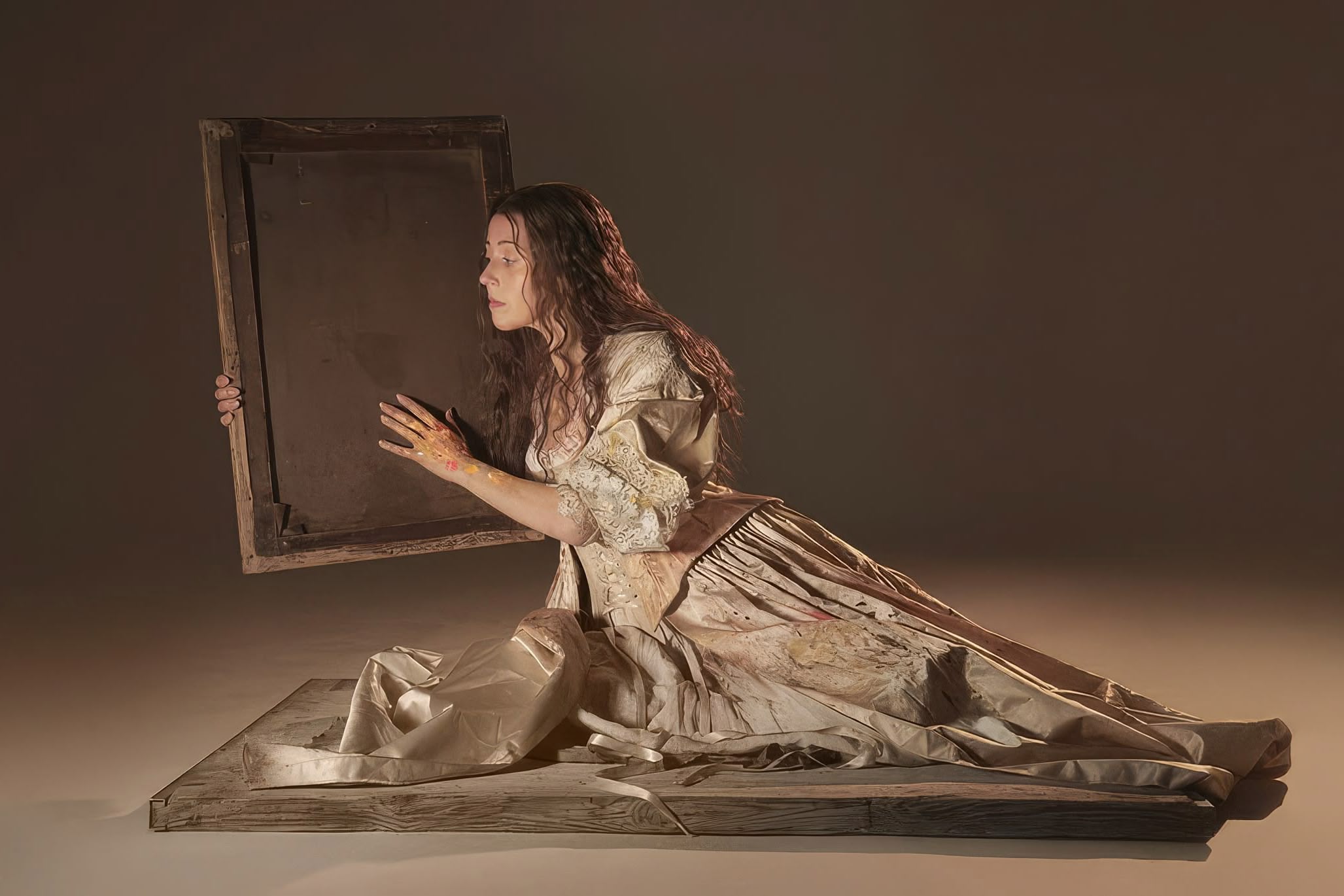
Most of the premiere run's main cast returned, led by the inimitable Lisette Oropesa. Hers was a fully realized portrayal even on the occasion of her role debut, and she continues to rock the part, visibly delighting in playing the strutting, capricious sorceress. Vocally, Handel's writing fits her like a glove, too: the raging runs of Ma quando tornerai were, expectably, tossed off with fiery ease, the sharply punctuated, tortured phrases of Ah, mio cor sung with heartrending emotion, the act-closing, devastating Ah! Ruggiero crudel … Ombre pallide rendered with a suitably lachrymose tone and grave, sharply dramatic sense of phrasing. (Di, cor mio could have used a touch more creamy tone and a less fluttery vibrato, but who am I to nitpick?)
—
Orsolya Gyárfás
•
Parterre Box
:format(webp)/https://lisetteoropesa.com/media/gallery/2026/arena-di-verona-turandot/02-lisette-oropesa-yusif-eyvazov-michele-pertusi.jpg)
:format(webp)/https://lisetteoropesa.com/media/gallery/2026/savonlinna-opera-festival-norma/02-lisette-oropesa.jpg)
:format(webp)/https://lisetteoropesa.com/media/gallery/2026/royal-opera-house-i-puritani/13-lisette-oropesa-ildebrando-darcangelo.jpg)

:format(webp)/https://lisetteoropesa.com/media/gallery/2026/teatro-real-i-masnadieri/01-lisette-oropesa.jpg)
:format(webp)/https://lisetteoropesa.com/media/gallery/2025/the-metropolitan-opera-i-puritani/01-lisette-oropesa-promotion.jpg)
:format(webp)/https://lisetteoropesa.com/media/gallery/2026/royal-ballet-and-opera-alcina/04-lisette-oropesa-mary-bevan.jpg)
:format(webp)/https://lisetteoropesa.com/media/gallery/2026/royal-ballet-and-opera-alcina/03-lisette-oropesa.jpg)
:format(webp)/https://lisetteoropesa.com/media/gallery/2026/royal-ballet-and-opera-alcina/01-lisette-oropesa.jpg)
:format(webp)/https://lisetteoropesa.com/media/gallery/2026/arena-di-verona-turandot/03-lisette-oropesa-anna-pirozzi-michele-pertusi.jpg)
:format(webp)/https://lisetteoropesa.com/media/gallery/2026/arena-di-verona-turandot/01-lisette-oropesa-michele-pertusi.jpg)
:format(webp)/https://lisetteoropesa.com/media/gallery/2026/savonlinna-opera-festival-norma/07-lisette-oropesa.jpg)
:format(webp)/https://lisetteoropesa.com/media/gallery/2026/savonlinna-opera-festival-norma/06-lisette-oropesa-john-osborn-ann-kristin-jones.jpg)
:format(webp)/https://lisetteoropesa.com/media/gallery/2026/savonlinna-opera-festival-norma/05-lisette-oropesa.jpg)
:format(webp)/https://lisetteoropesa.com/media/gallery/2026/savonlinna-opera-festival-norma/04-lisette-oropesa-john-osborn-ann-kristin-jones.jpg)
:format(webp)/https://lisetteoropesa.com/media/gallery/2026/savonlinna-opera-festival-norma/03-lisette-oropesa-ann-kristin-jones.jpg)
:format(webp)/https://lisetteoropesa.com/media/gallery/2026/savonlinna-opera-festival-norma/01-lisette-oropesa.jpg)
:format(webp)/https://lisetteoropesa.com/media/gallery/2026/royal-opera-house-i-puritani/02-lisette-oropesa-francesco-demuro.jpg)
:format(webp)/https://lisetteoropesa.com/media/gallery/2026/royal-opera-house-i-puritani/01-lisette-oropesa-ildebrando-darcangelo.jpg)
:format(webp)/https://lisetteoropesa.com/media/gallery/2026/royal-opera-house-i-puritani/03-lisette-oropesa.jpg)
:format(webp)/https://lisetteoropesa.com/media/gallery/2026/royal-opera-house-i-puritani/04-lisette-oropesa-francesco-demuro.jpg)
:format(webp)/https://lisetteoropesa.com/media/gallery/2026/royal-opera-house-i-puritani/05-lisette-oropesa.jpg)
:format(webp)/https://lisetteoropesa.com/media/gallery/2026/royal-opera-house-i-puritani/06-lisette-oropesa.jpg)
:format(webp)/https://lisetteoropesa.com/media/gallery/2026/royal-opera-house-i-puritani/07-lisette-oropesa-andrzej-filonczyk.jpg)
:format(webp)/https://lisetteoropesa.com/media/gallery/2026/royal-opera-house-i-puritani/08-lisette-oropesa.jpg)
:format(webp)/https://lisetteoropesa.com/media/gallery/2026/royal-opera-house-i-puritani/09-lisette-oropesa.jpg)
:format(webp)/https://lisetteoropesa.com/media/gallery/2026/royal-opera-house-i-puritani/10-lisette-oropesa.jpg)
:format(webp)/https://lisetteoropesa.com/media/gallery/2026/royal-opera-house-i-puritani/11-lisette-oropesa.jpg)
:format(webp)/https://lisetteoropesa.com/media/gallery/2026/royal-opera-house-i-puritani/12-lisette-oropesa-francesco-demuro.jpg)
:format(webp)/https://lisetteoropesa.com/media/gallery/2026/royal-opera-house-i-puritani/14-lisette-oropesa-lauren-bridle.jpg)
:format(webp)/https://lisetteoropesa.com/media/gallery/2026/royal-opera-house-i-puritani/15-lisette-oropesa.jpg)
:format(webp)/https://lisetteoropesa.com/media/gallery/2026/royal-opera-house-i-puritani/16-lisette-oropesa.jpg)
:format(webp)/https://lisetteoropesa.com/media/gallery/2026/teatro-real-i-masnadieri/04-lisette-oropesa.jpg)
:format(webp)/https://lisetteoropesa.com/media/gallery/2026/teatro-real-i-masnadieri/05-lisette-oropesa.jpg)
:format(webp)/https://lisetteoropesa.com/media/gallery/2026/teatro-real-i-masnadieri/03-lisette-oropesa.jpg)
:format(webp)/https://lisetteoropesa.com/media/gallery/2026/teatro-real-i-masnadieri/02-lisette-oropesa.jpg)
:format(webp)/https://lisetteoropesa.com/media/gallery/2025/the-metropolitan-opera-i-puritani/02-lisette-oropesa-larry-brownlee.jpg)
:format(webp)/https://lisetteoropesa.com/media/gallery/2025/the-metropolitan-opera-i-puritani/05-lisette-oropesa.jpg)
:format(webp)/https://lisetteoropesa.com/media/gallery/2025/the-metropolitan-opera-i-puritani/08-lisette-oropesa-christian-van-horn.jpg)