2026
-
Metropolitan Opera - Maria Stuarda
Nov, 2026 - Dec, 2026
-
Gran Teatre del Liceu - I Capuleti e i Montecchi
Oct, 2026 - Nov, 2026
-
Accademia Nazionale di Santa Cecilia - Recital
Oct, 2026
-
Teatro di San Carlo - Alcina
Oct, 2026:format(webp)/https://lisetteoropesa.com/media/logo/teatro-di-san-carlo.jpg "Teatro di San Carlo")
-
Royal Ballet and Opera - Alcina
Sep, 2026 - Oct, 2026
-
Arena di Verona - Turandot
Aug, 2026
-
Salzburger Festspiele - Recital
Aug, 2026:format(webp)/https://lisetteoropesa.com/media/logo/salzburger-festspiele.jpg "Salzburger Festspiele")
-
Savonlinna Opera Festival - Norma
Jul, 2026 - Aug, 2026
-
Royal Opera House - I Puritani
May, 2026 - Jul, 2026
-
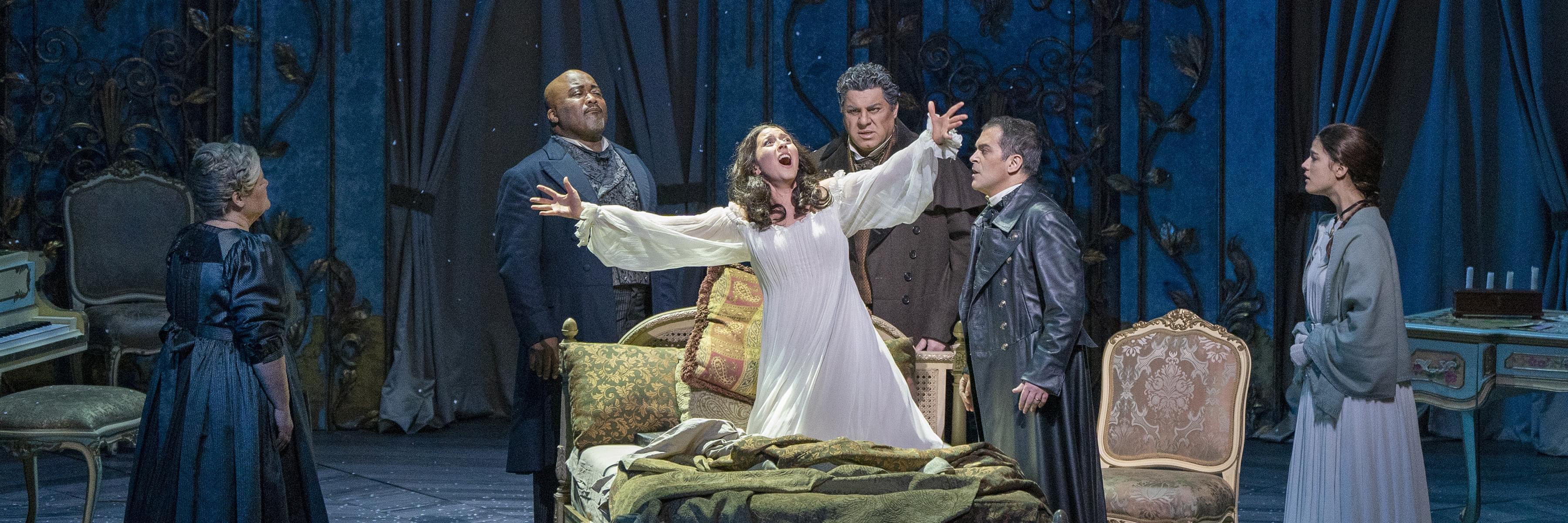
Metropolitan Opera - La traviata
Mar, 2026 - Apr, 2026Oropesa successfully reprises her Violetta in Met’s “Traviata”
Physically and psychologically, Oropesa’s brittle, frivolous courtesan evolves into a woman of enormous compassion, secure in her profound love for Alfredo. The specter of death is a constant presence as Violetta gradually grew wanner and weaker. Vocally, she traversed that same emotional trajectory with equal depths of feeling and artistry. The richness of Oropesa’s sound and legato made for a poignant “Ah, fors’è lui,” unfortunately severed by applause from “Sempre libera.” She captured Violetta’s firm defiance of fate and convention in the emotionally charged runs and effortless high notes, but her deployment of color and dynamics was equally important. The voice gained in substance and gravitas as Violetta’s grasp on love and life loosened, culminating in a heart-wrenching “Addio, del passato,” and one final grasp for life and love in her duet with Alfredo.— Rick Perdian • New York Classical Review
-
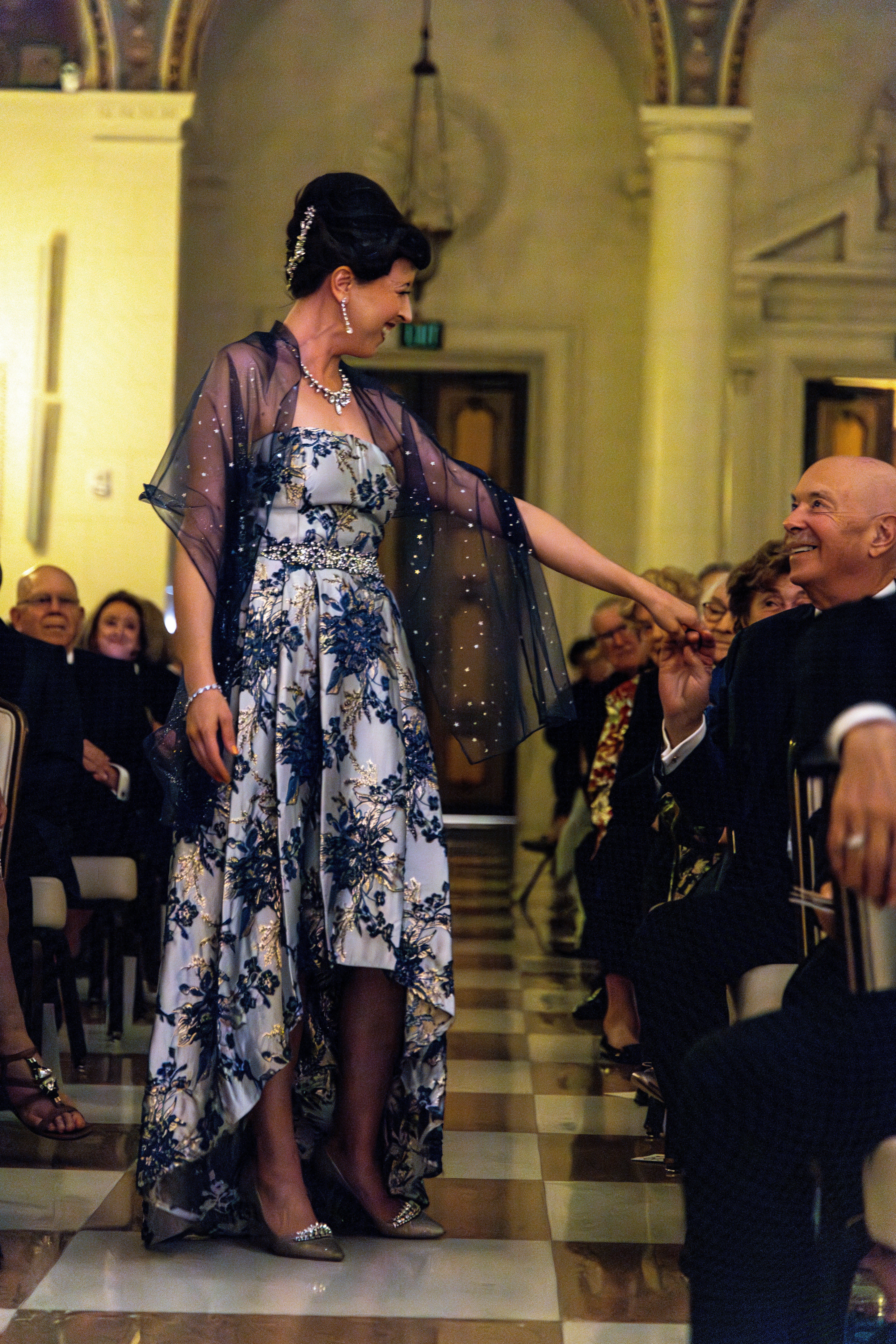
Palm Beach Opera - Recital
Mar, 2026Letter from Florida: Lisette Oropesa at Palm Beach Opera Gala
Oropesa's lower notes appeared even fuller now, richer tonight, while her upper range remained intact. The evening's centerpiece was Verdi's Violetta scene — she shaped the aria's structure with theatrical precision: sliding through scales suggestive of neurosis at the cavatina, stiffening at the tempo di mezzo with newfound clarity, then attacking the cabaletta's scales with pinpoint precision. — Robert J Carreras • Planet Hugill -
Swiss Made Culture Crans Montana - Recital
Feb, 2026LISETTE OROPESA | Crans-Montana
Vocally, Lisette Oropesa remains one of the greatest sopranos of our time. Her technique is formidable — crystal-clear coloratura, effortless high notes, immaculate breath control — but what elevates her artistry is the musical intelligence behind every phrase. Each ornament feels intentional, every pianissimo meaningful. In a recital format, without staging or orchestra, there is nowhere to hide — and she needed none. It was pure artistry.— Geoffrey • Opera Diary
-
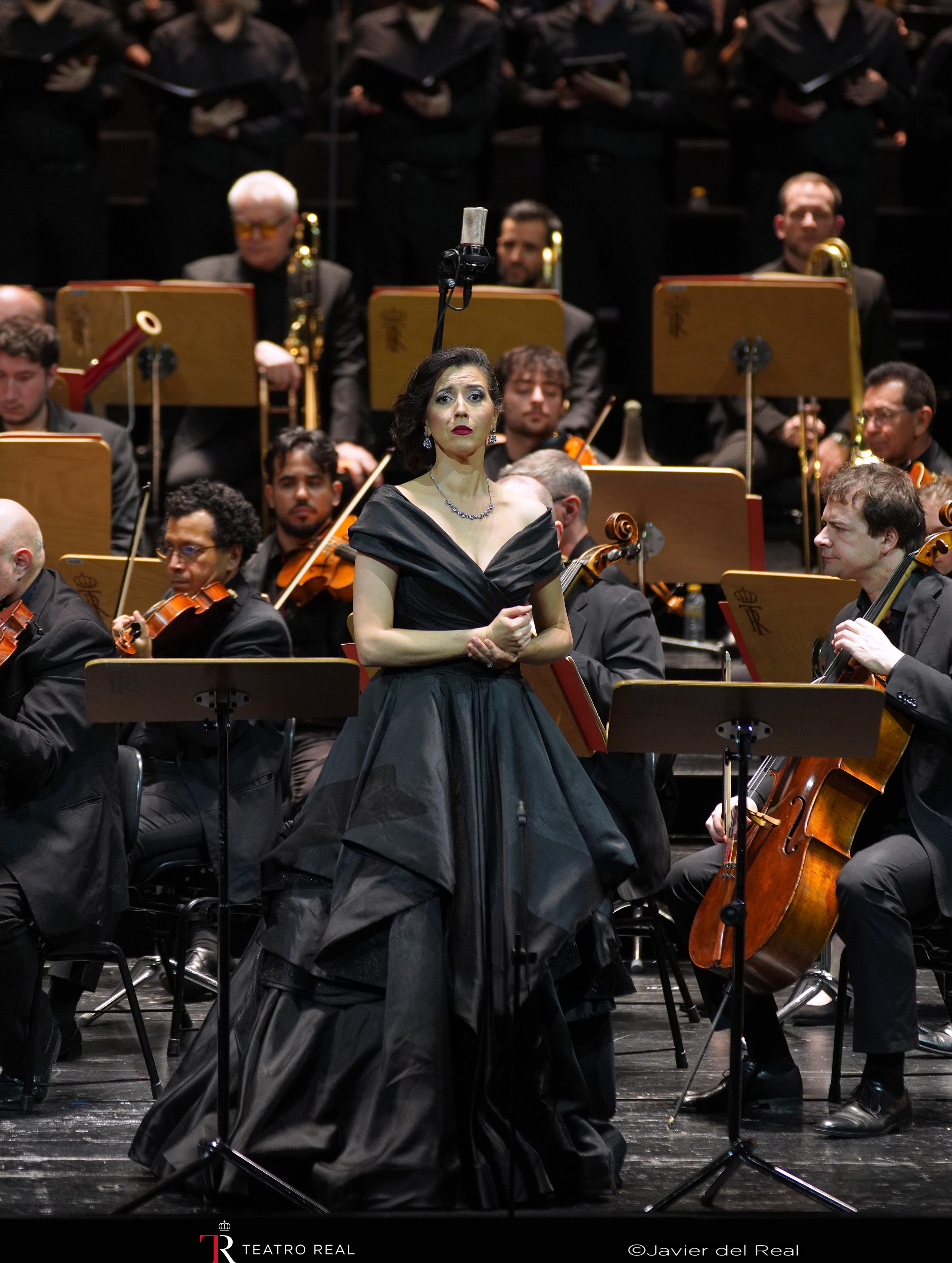
Teatro Real - I masnadieri
Feb, 2026Crítica de "I Masnadieri": Verdi y un buen reparto hacen vibrar al Teatro Real
Formidable en la citada aria del sueño del IV acto. Oropesa brilló tanto como pudo hacerlo la célebre Jenny Lindt, que tanto cantó en el primitivo Teatro Real. Especialmente brillante en los trinos, matizando y con una voz que llega a todos lados, hubo de bisar el final de la cabaletta “Carlo, io muoio”, incluso añadiendo un sobreagudo espectacular. Por cierto, se repitieron todas las caballetas y Alaimo bordó una de ellas al variarla en la segunda.Remarkable in the aforementioned aria of the dream in the IV act. Oropesa shone as brightly as the famous Jenny Lindt could have, who sang so much at the original Teatro Real. Especially outstanding in the trills, adding nuances with a voice that reaches everywhere, she had to repeat the end of the cabaletta "Carlo, io muoio," even adding a spectacular high note. By the way, all the cabalettas were repeated, and Alaimo excelled in one by adding variations in the second.— Gonzalo Alonso • La Razón -
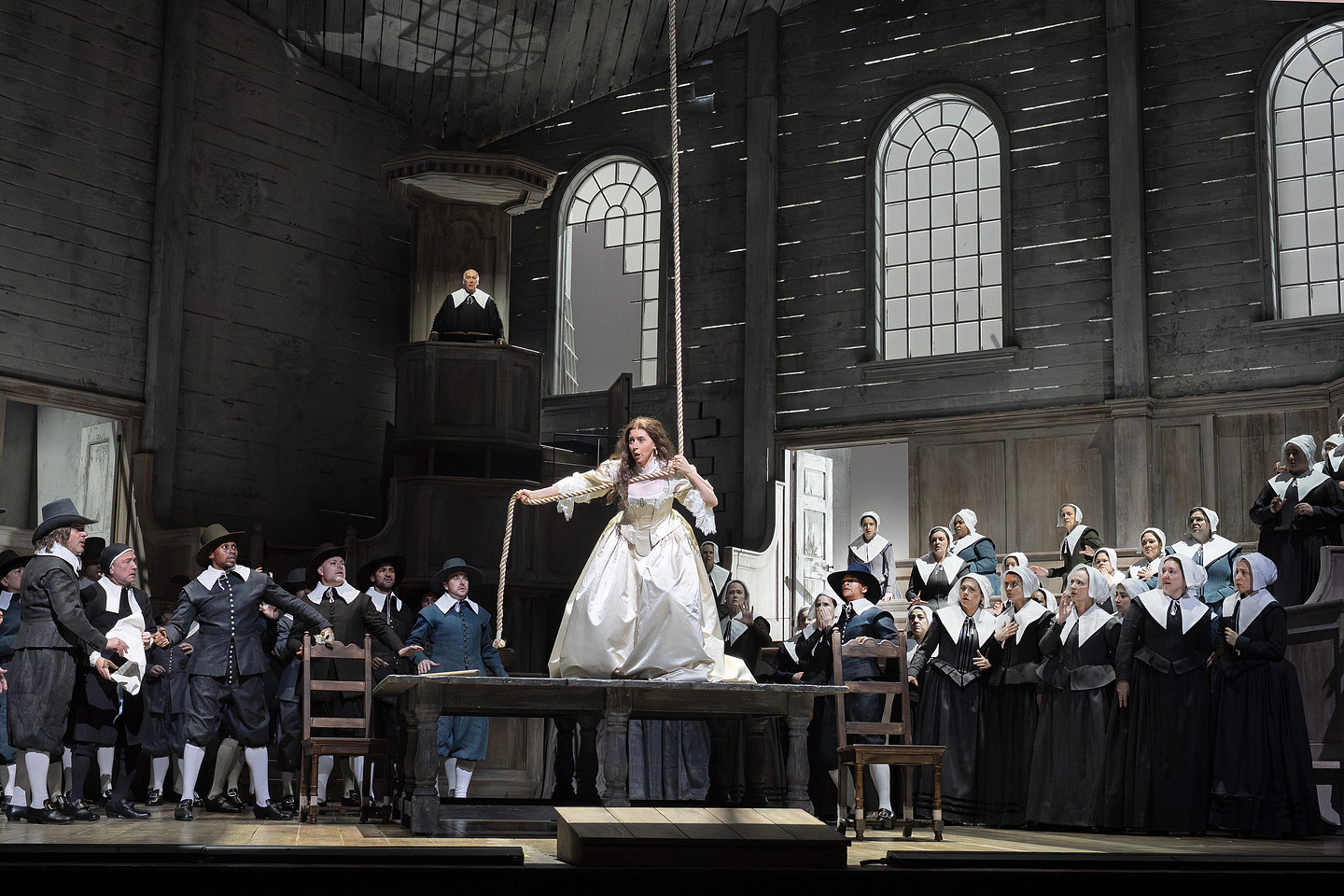
Metropolitan Opera - I puritani
Nov, 2025 - Jan, 2026Review: Singers Come First in the Met Opera’s New ‘Puritani’
Oropesa’s has an outward state that swerves from ecstasy to insanity, but with a firmly held core. Even at her most desperate, she manages to retain control, especially over her voice. This holds true regardless of whether she was primly composed in her Puritan garb or refusing for months to take off her wedding dress, a Miss Havisham in the making. Oropesa needed no time to warm up on Wednesday, entering with confidence, precision and agility. Her passaggio, the sometimes perilous transition between vocal registers, was smoothly imperceptible. In one phrase that ended with a chromatic descent, she so clearly articulated each pitch down the scale, it was like listening to someone run their fingers across the keys of a piano.— Joshua Barone • New York Times
:format(webp)/https://lisetteoropesa.com/media/gallery/2026/palm-beach-opera-gala/04-lisette-oropesa.jpg)
:format(webp)/https://lisetteoropesa.com/media/gallery/2026/teatro-real-i-masnadieri/01-lisette-oropesa.jpg)
:format(webp)/https://lisetteoropesa.com/media/gallery/2025/the-metropolitan-opera-i-puritani/05-lisette-oropesa.jpg)
:format(webp)/https://lisetteoropesa.com/media/gallery/2026/palm-beach-opera-gala/01-lisette-oropesa.jpg)
:format(webp)/https://lisetteoropesa.com/media/gallery/2026/palm-beach-opera-gala/02-lisette-oropesa.jpg)
:format(webp)/https://lisetteoropesa.com/media/gallery/2026/palm-beach-opera-gala/03-lisette-oropesa.jpg)
:format(webp)/https://lisetteoropesa.com/media/gallery/2026/palm-beach-opera-gala/05-lisette-oropesa.jpg)
:format(webp)/https://lisetteoropesa.com/media/gallery/2026/teatro-real-i-masnadieri/04-lisette-oropesa.jpg)
:format(webp)/https://lisetteoropesa.com/media/gallery/2026/teatro-real-i-masnadieri/02-lisette-oropesa.jpg)
:format(webp)/https://lisetteoropesa.com/media/gallery/2026/teatro-real-i-masnadieri/03-lisette-oropesa.jpg)
:format(webp)/https://lisetteoropesa.com/media/gallery/2026/teatro-real-i-masnadieri/05-lisette-oropesa.jpg)
:format(webp)/https://lisetteoropesa.com/media/gallery/2025/the-metropolitan-opera-i-puritani/01-lisette-oropesa-promotion.jpg)
:format(webp)/https://lisetteoropesa.com/media/gallery/2025/the-metropolitan-opera-i-puritani/02-lisette-oropesa-larry-brownlee.jpg)
:format(webp)/https://lisetteoropesa.com/media/gallery/2025/the-metropolitan-opera-i-puritani/08-lisette-oropesa-christian-van-horn.jpg)